Pimples: Complete Guide To Causes, Types, And Treatment
Complete guide to understanding pimples, their causes, types, and effective treatment options.
Understanding Pimples: A Complete Guide to Causes, Types, and Treatment
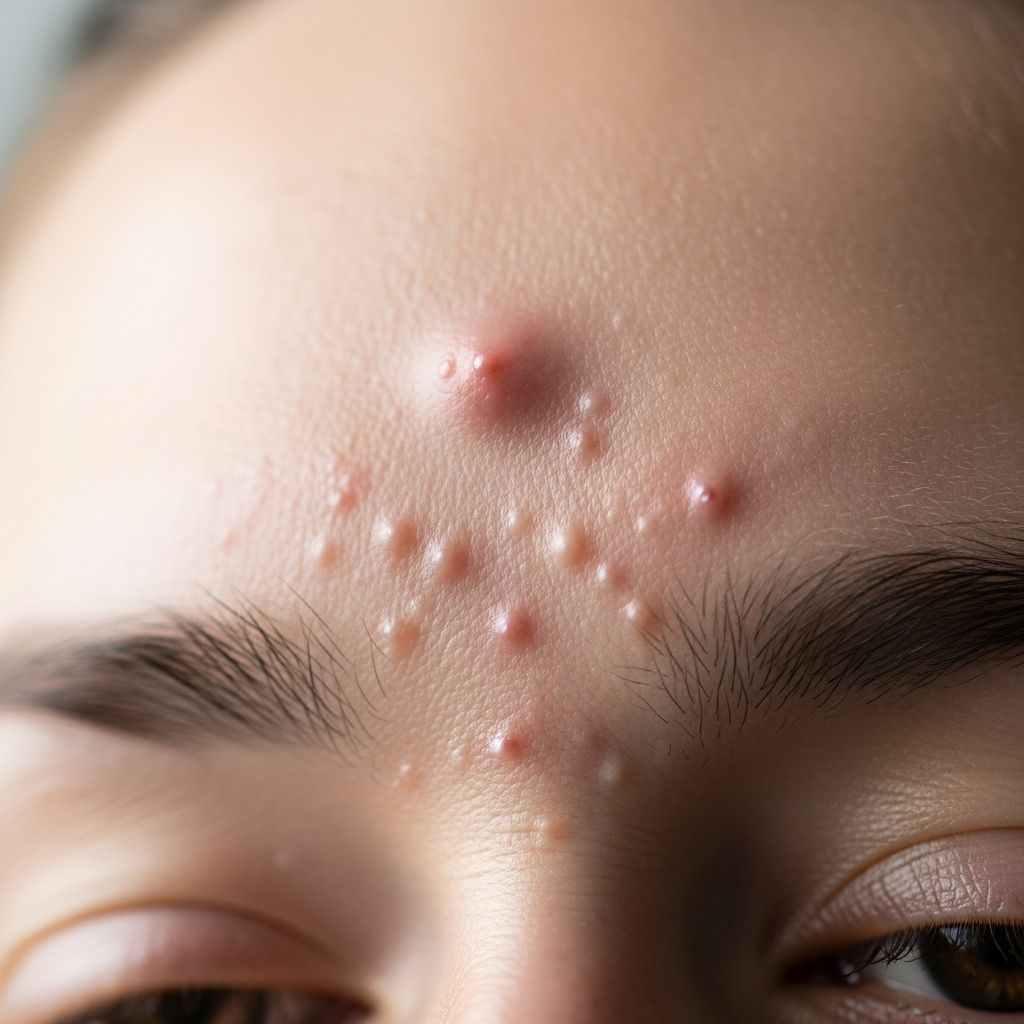
Pimples are small growths that appear on the surface of your skin and may become inflamed or discolored. They represent one of the most common skin conditions affecting millions of people worldwide, particularly during adolescence and early adulthood. While often associated with teenagers, pimples can affect individuals at any age, from infants to adults in their 20s, 30s, and beyond. Understanding what causes pimples and how to treat them effectively is essential for maintaining clear, healthy skin and preventing long-term complications like scarring.
What Are Pimples and How Do They Differ from Acne?
It’s important to understand the distinction between pimples and acne. Acne is a disease of the skin, while pimples are a symptom of acne. Pimples are caused by clogged or inflamed oil glands or an increased presence of pimple-causing bacteria on your skin. Acne typically causes pimples to develop most commonly on your face, chest, shoulders, and upper back, though they can appear anywhere on the body where oil glands are concentrated.
The relationship between pimples and acne is crucial to understand because it affects how you approach treatment. Since pimples are symptoms of the underlying acne condition, treating pimples effectively means addressing the root causes of acne itself. This holistic approach ensures better long-term results and helps prevent the recurrence of breakouts.
The Science Behind Pimple Formation
Pimples form through a complex biological process involving multiple factors working together. Oil glands, also known as sebaceous glands, are located all over your body and produce sebum, an oily substance that protects and lubricates your skin. When these oil glands become clogged or inflamed, pimples develop. The formation process typically involves the following sequence:
First, excess oil production combines with dead skin cells to create blockages within hair follicles. These blockages create an ideal environment for bacteria to multiply. When your immune system responds to this bacterial overgrowth, inflammation occurs, resulting in the red, swollen appearance characteristic of pimples. Additionally, certain factors can exacerbate this process, including hormonal fluctuations, environmental irritants, and bacterial proliferation within clogged pores.
Common Causes of Pimples
Pimples develop due to several interconnected causes. Understanding these contributing factors can help you prevent breakouts and manage existing pimples more effectively:
Hormonal Changes
Hormonal fluctuations represent one of the primary triggers for pimple formation. During puberty, hormonal changes stimulate increased sebum production, making teenagers particularly susceptible to acne. Additionally, hormonal acne affects many adults, particularly women between ages 20 and 50, triggered by changes in hormone levels during menstrual cycles, pregnancy, and menopause.
Excess Oil Production
When your skin produces excess oil, it can combine with dead skin cells to clog pores and create an environment where bacteria thrive. This is why individuals with naturally oily skin often experience more frequent breakouts than those with dry or combination skin types.
Bacterial Growth
Bacteria naturally present on your skin can become trapped in clogged pores, multiplying rapidly and causing infection. This bacterial accumulation triggers your immune system to respond with inflammation, manifesting as visible pimples.
Skin Irritation
Sometimes skin becomes irritated by things it comes in contact with, triggering pimple development. This can include friction from clothing, harsh skincare products, makeup residue, or environmental pollutants. Irritated skin is more prone to developing inflammatory lesions.
Related Stories



Types of Pimples and Acne Lesions
Not all pimples are created equal. Understanding the different types helps determine appropriate treatment approaches. Acne manifests in various forms, each with distinct characteristics and severity levels:
Blackheads
Blackheads are open comedones where pores become clogged with oil and dead skin cells. The dark appearance results from oxidation, not dirt. These non-inflammatory lesions are often the first sign of acne development.
Whiteheads
Whiteheads, or closed comedones, occur when pores become clogged beneath the skin’s surface, trapping oil and dead skin cells. Unlike blackheads, the pore remains closed, creating a white or flesh-colored bump.
Papules
Acne papules are small, inflamed bumps caused by excess oil, bacteria, hormones, and sometimes medications. These lesions don’t contain visible pus but are red and tender to the touch, representing inflammatory acne.
Pustules
Pustules are similar to papules but contain a visible pus-filled center, appearing as red bumps with white or yellowish tops. These are more inflammatory than papules and require careful treatment to avoid spreading bacteria.
Nodules
Nodular acne causes deep, painful bumps under the skin that can scar significantly if not treated properly by a dermatologist. These large, solid lesions develop deep within the dermis and require professional intervention.
Cystic Acne
Cystic acne represents the most severe type of acne, causing painful, pus-filled pimples that form deep under the skin. These acne cysts are often large and can take three months or more to clear up even with treatment. Cystic acne is more likely than other types to cause permanent scarring and bacterial skin infections like cellulitis if not treated properly. A dermatologist should treat cystic acne to reduce the risk of scarring and infection.
Who Develops Pimples?
While pimples typically affect teenagers and young adults undergoing hormonal changes, they can develop in people of all ages. Infants can develop pimples, and many individuals continue experiencing breakouts into their 20s, 30s, and beyond. Adult-onset acne has become increasingly common, particularly among women experiencing hormonal fluctuations related to menstrual cycles and menopause.
Treatment Options for Pimples
Treatment approaches vary depending on pimple severity, type, and individual skin characteristics. A tiered treatment strategy typically begins with the mildest interventions and progresses to stronger treatments as needed.
Nonprescription Medications
Nonprescription medications can effectively treat milder cases of pimples. The most common over-the-counter treatments include:
Benzoyl Peroxide: The best way to address a new pimple quickly is to apply benzoyl peroxide, available in cream, gel, or patch form at any drug store. This ingredient works by reducing bacteria and promoting skin cell turnover. It comes in various strengths, typically ranging from 2.5% to 10%, and is available in multiple formulations to suit different skin types.
Salicylic Acid: This beta-hydroxy acid helps unclog pores by exfoliating dead skin cells. Salicylic acid cleansers and treatments work best for comedonal acne like blackheads and whiteheads. Over-the-counter acne treatments using salicylic acid come in various forms, from gentle cleansers to targeted spot treatments.
Topical Retinoids: These vitamin A derivatives normalize follicular function and are particularly effective for comedonal acne.[10] They promote healthy skin cell turnover and can prevent new pimples from forming while treating existing ones.
Acne Patches: Pimple patches keep acne spots covered and often contain ingredients designed to help treat them, offering a protective and therapeutic solution.
Professional Treatment Options
For more stubborn or severe pimples, professional treatments administered by dermatologists can provide faster results. If you don’t want to be sporting a visible blemish during important events, dermatologists can inject pimples with cortisone or antibiotics. This procedure will usually make a visible difference in the blemish in 24 hours.
Prescription Medications: If pimples don’t go away with nonprescription medications, healthcare providers may recommend prescription medications, including antibiotics and oral hormone replacement. Most mild-to-moderate cases can be treated with combinations of benzoyl peroxide, topical or oral antibiotics, and topical retinoids. For severe acne cases, it can take several weeks for acne to go away, even with treatment.
Blue Light Therapy: In addition to topical treatments, blue light therapy offers another option for addressing pimples by targeting acne-causing bacteria without medication.
Supporting Skin Health
Certain vitamins promote healthy skin and may help prevent pimples formation. Additionally, maintaining a consistent skincare routine is essential. If you have pimples, manage them carefully to avoid irritation by:
– Avoiding picking, squeezing, or touching pimples- Using gentle cleansing techniques- Applying treatments as directed- Protecting your skin from sun exposure- Using oil-free moisturizers and cosmetics- Keeping your skin clean but not over-washing
Why You Shouldn’t Pop Your Pimples
One of the most important pimple management rules is resisting the urge to pop them. When you pop a pimple, things are not only coming out, but they’re going inside as well. You’re pushing pus, bacteria, and inflammation deeper into the skin, which makes you more likely to develop marks or scars afterward.
Beyond scarring, popping pimples can cause bacteria and pus to spread and potentially lead to new breakouts elsewhere on your skin. Infection is also a risk since bacteria from your hands can get in through the broken skin, potentially causing cellulitis or other serious skin infections. Instead of picking at pimples, dermatologists suggest trying over-the-counter acne treatments to address new blemishes.
Prevention Strategies
Preventing pimples requires a multifaceted approach addressing the underlying causes. Maintaining a consistent skincare routine, managing stress levels, and making certain lifestyle modifications can significantly reduce breakout frequency and severity. It’s recommended to treat acne when it begins to prevent breakouts from continuing, which could lead to permanent scarring and potential self-esteem issues if left untreated.
Avoid harsh or irritating skincare products that can compromise your skin barrier. Instead, choose gentle formulations suited to your skin type. Additionally, avoid touching your face throughout the day to minimize bacterial transfer and skin irritation.
When to See a Dermatologist
If you have severe pimples, particularly cystic acne, see a dermatologist for professional treatment. Dermatologists are doctors who specialize in conditions affecting your skin, hair, and nails. Professional guidance becomes increasingly important when pimples don’t respond to over-the-counter treatments, cover large areas of your body, or cause significant pain and inflammation.
Understanding Acne Scarring and Recovery
If you do develop acne scarring from popping pimples, the good news is that this often improves with time. You need to give a scar a year to mature to what it’s finally going to look like. Scars may appear more red or brown in the beginning, but a lot of that improves naturally over time. Some people develop pigment changes—light or dark spots—at the site of acne cysts after the skin clears up, appearing as pink, purple, red, black or brown marks that eventually fade away, though it may take more than a year.
Timeline for Pimple Resolution
On average, it can take between one to two weeks for acne pimples to clear up on their own. However, with medicated treatment and a good skin care routine, you can speed up your body’s healing time to make acne go away faster. For severe acne, it can take several weeks for acne to go away, even with treatment. Most people with cystic acne can prevent severe breakouts or quickly treat acne cysts to prevent scarring with proper medical intervention.
Frequently Asked Questions About Pimples
Q: What is the fastest way to get rid of a pimple?
A: The fastest way is to apply benzoyl peroxide, which you can buy at a drug store in cream, gel, or patch form. For urgent situations, dermatologists can inject pimples with cortisone to make a visible difference within 24 hours.
Q: Is it okay to pop pimples?
A: No, popping pimples is not recommended. It pushes bacteria and inflammation deeper into the skin, increasing the risk of scarring, new breakouts, and infection. Instead, use over-the-counter acne treatments or pimple patches.
Q: What causes pimples?
A: Pimples are caused by clogged or inflamed oil glands, an increased presence of bacteria on the skin, hormonal changes, excess oil production, and dead skin cell accumulation. Certain medications and skin irritation can also trigger pimple formation.
Q: How long do pimples take to go away?
A: Pimples typically take one to two weeks to clear up on their own. With medicated treatment, the timeline can be accelerated. Severe cystic acne may take several weeks to resolve even with professional treatment.
Q: Should I see a dermatologist for pimples?
A: If you have severe pimples, particularly cystic acne, or if over-the-counter treatments aren’t working, you should see a dermatologist. They can prescribe stronger treatments and help prevent scarring and infections.
Q: Can adults get pimples?
A: Yes, adults commonly develop pimples, particularly women experiencing hormonal changes. Adult-onset acne is increasingly common and can be triggered by hormonal fluctuations, stress, and other factors.
Q: What’s the difference between pimples and acne?
A: Acne is a disease of the skin, while pimples are a symptom of acne. Treating pimples effectively means addressing the underlying acne condition through targeted skincare and medical treatments.
References
- Why is it Bad to Pop a Pimple? — Cleveland Clinic Newsroom. 2024-11-12. https://newsroom.clevelandclinic.org/2024/11/12/why-is-it-bad-to-pop-a-pimple
- Cystic Acne: What Is It, Symptoms, Causes and Treatment — Cleveland Clinic. https://my.clevelandclinic.org/health/diseases/21737-cystic-acne
- How To Get Rid of a Pimple — Stat! — Cleveland Clinic Health. https://health.clevelandclinic.org/a-dermatologists-advice-on-how-to-get-rid-of-a-pimple
- Pimples: Causes vs. Acne, Types & Treatment — Cleveland Clinic. https://my.clevelandclinic.org/health/diseases/22468-pimples
- Acne vulgaris: One treatment does not fit all — Cleveland Clinic Journal of Medicine. 2003. https://www.ccjm.org/content/70/8/670
- Acne: Types, Causes, Treatment & Prevention — Cleveland Clinic. https://my.clevelandclinic.org/health/diseases/12233-acne
- Hormonal Acne: What Is It, Treatment, Causes & Prevention — Cleveland Clinic. https://my.clevelandclinic.org/health/diseases/21792-hormonal-acne
Similar Articles








Read full bio of Sneha Tete