Pindolol Tablets: Essential Guide To Dosage, Uses, Side Effects
Comprehensive guide to pindolol, a beta blocker for hypertension management, including uses, dosage, side effects, and precautions.
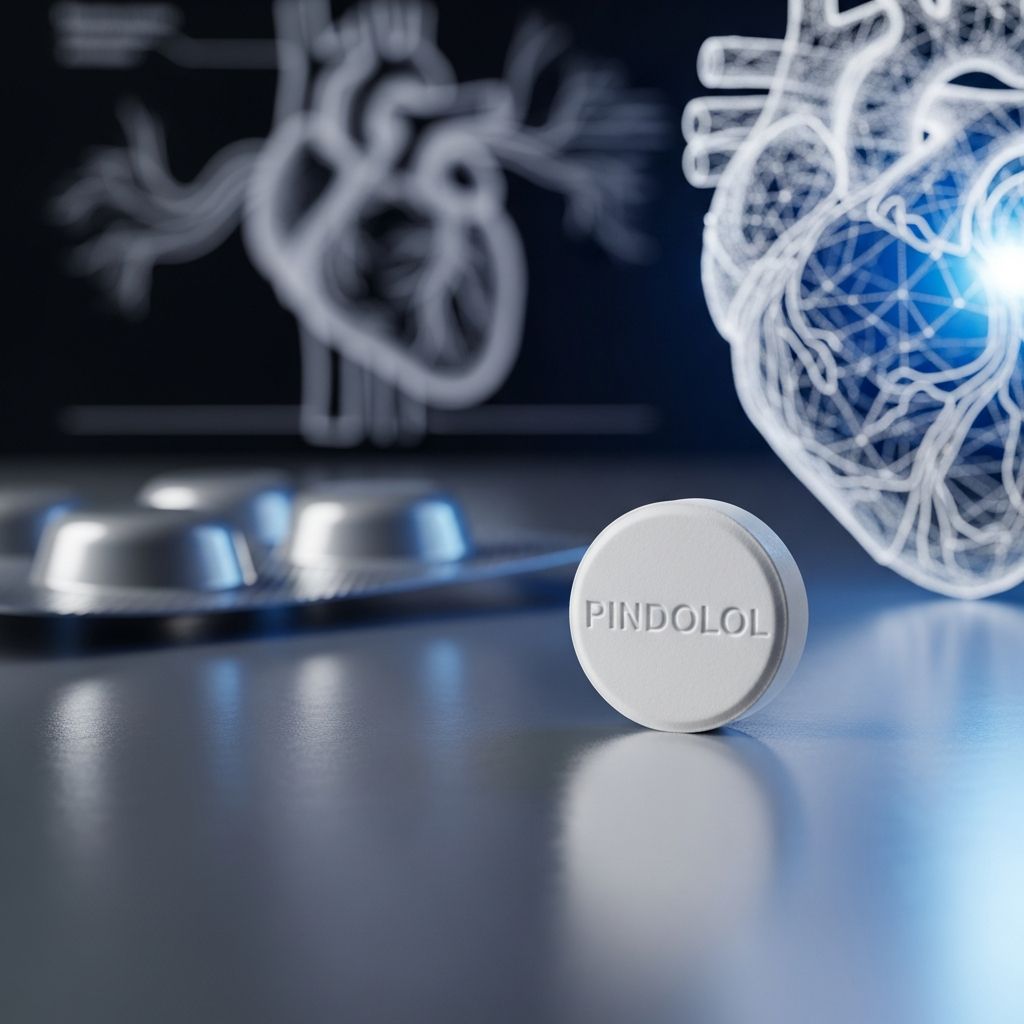
Pindolol is a non-selective beta-adrenoceptor antagonist primarily used to treat high blood pressure (hypertension). It works by blocking beta receptors in the heart, reducing heart rate and blood pressure, thereby easing the heart’s workload and lowering risks of stroke, heart failure, and kidney damage.
About pindolol tablets
Pindolol belongs to a group of medicines called
beta blockers
. These medications affect the response to nerve impulses in parts of the body like the heart, causing it to beat more slowly and with less force. This action decreases blood pressure, increases oxygen supply to the heart, and helps manage hypertension effectively.Unlike some beta blockers, pindolol has
partial agonist activity (intrinsic sympathomimetic activity, ISA)
, meaning it provides mild stimulation alongside blockade. This results in minimal impact on resting heart rate or cardiac output while effectively countering elevated sympathetic activity.Pindolol is available only by prescription in
tablet form
, typically taken orally twice daily. It is well-absorbed, with minimal first-pass liver metabolism, and has a half-life of 3-4 hours (up to 30 hours in liver impairment).Key facts
- **Drug group**: Beta blocker (non-selective, with ISA).
- **Common brand**: Visken.
- **Used for**: High blood pressure; sometimes angina prophylaxis, arrhythmias like ventricular tachycardia or atrial fibrillation.
- **Dosage form**: Tablets (5 mg, 10 mg common strengths).
- **Frequency**: Usually twice daily.
- **Onset**: Effects build over days to weeks for blood pressure control.
- **Duration**: Short-acting; does not cure hypertension but controls it long-term.
About high blood pressure
High blood pressure, or hypertension, forces the heart and arteries to work harder, potentially leading to vessel damage in the brain, heart, and kidneys. Untreated, it raises risks of stroke, heart failure, heart attack, and kidney disease. Pindolol helps by slowing the heart and reducing pressure on vessel walls.
Normal blood pressure is below 120/80 mmHg. Hypertension is consistently 130/80 mmHg or higher. Lifestyle factors like diet, exercise, and stress contribute, but medication like pindolol is often essential for control.
How and when to take pindolol
Dosage
For adults with hypertension: Start at
5 mg twice daily
, adjusted up to 40-60 mg/day as needed. Children: Dose determined by doctor. Take with or without food, but consistently.| Condition | Initial Dose | Maximum Dose |
|---|---|---|
| Hypertension (Adults) | 5 mg twice daily | 30 mg twice daily |
| With diuretic | 5-10 mg twice daily | Per doctor |
Administration tips
- Swallow tablets whole with water.
- If missed: Take soon as remembered unless near next dose; do not double up.
- Do not stop suddenly: Taper to avoid rebound hypertension or angina worsening.
- Combine with lifestyle: Low-salt diet, exercise, weight management enhance effects.
Who can and cannot take pindolol tablets
Who can take it
Most adults with hypertension, including those needing arrhythmia control or angina prevention, provided no contraindications.
Who cannot
- Severe heart failure or worsening symptoms (fatigue, breathlessness, leg swelling).
- Cardiogenic shock (heart can’t pump adequately).
- Slow heart rate (bradycardia) below 50-60 bpm.
- Second/third-degree heart block.
- Severe asthma or COPD (risk of bronchospasm, though ISA may reduce this).
- Untreated pheochromocytoma.
- Metabolic acidosis.
Cautions
- Diabetes: Masks hypoglycemia signs like fast heartbeat.
- Kidney/liver disease: Dose adjustment needed due to slower clearance.
- Peripheral vascular disease: May worsen cold extremities.
- Hyperthyroidism: Masks symptoms.
- Pregnancy/breastfeeding: Use only if benefits outweigh risks; discuss with doctor.
Related Stories



How and when to take or use pindolol
Follow prescription exactly. Tablets are taken orally, spaced evenly (e.g., morning and evening). Monitor blood pressure regularly. Continue even if feeling well, as hypertension is often asymptomatic. Long-term use may be lifelong.
Dosage
See dosage table above. Adjustments based on response, typically every 1-2 weeks. Elderly or impaired: Start lower (e.g., 2.5-5 mg daily).
Taking pindolol with other medicines and herbal supplements
Pindolol interacts with:
- Other blood pressure drugs: Enhanced effects; monitor closely (e.g., calcium channel blockers, diuretics).
- Antiarrhythmics/Digoxin: Risk of slow heart rate.
- NSAIDs: Reduced antihypertensive effect.
- Insulin/Antidiabetics: Masks low blood sugar.
- Sympathomimetics: Antagonized.
- CYP1A2 inhibitors (e.g., ciprofloxacin): Increased pindolol levels.
Herbals: Avoid St. John’s wort (induces metabolism); caution with ginseng (blood pressure effects). Always inform doctor of all medications.
Common questions about pindolol tablets
How long until pindolol is out of my system?
Half-life 3-4 hours; cleared in 1-2 days in healthy adults, longer in liver disease.
Is pindolol safe in pregnancy?
Not first-choice; Category B. Consult doctor for risks.
Can I drink alcohol with pindolol?
Limit alcohol; it enhances blood pressure lowering and dizziness.
Does pindolol affect blood sugar?
Minimal due to ISA, but monitor in diabetics.
Side-effects
Most side effects are mild and improve over time. ISA makes pindolol less likely to cause bradycardia or fatigue compared to other beta blockers.
Common side effects
- Tiredness, dizziness (10-20%).
- Cold hands/feet.
- Slow heartbeat.
- Stomach upset, nausea.
- Sleep disturbances, nightmares (less common).
Serious side effects (seek help)
- Shortness of breath, wheezing.
- Chest pain, swelling.
- Irregular heartbeat.
- Depression, hallucinations (rare).
- Weight gain, extreme fatigue.
Overdose symptoms
Slow heartbeat, low BP, dizziness, seizures. Seek emergency care.
What is the maximum dosage for pindolol?
Up to 60 mg/day, divided doses. Do not exceed without medical advice.
Pregnancy and breastfeeding
Limited data; crosses placenta, may cause fetal bradycardia. Breastfeeding: Excreted in milk; monitor infant. Alternatives preferred.
Medicines
Oral tablets only. Store at room temperature, away from moisture.
Other brands
- Visken (primary).
- Viskazide (with hydrochlorothiazide).
Patient tips
- Monitor BP at home.
- Rise slowly to avoid dizziness.
- Report new symptoms promptly.
- Annual check-ups for lipids, as pindolol spares HDL/LDL ratio.
Frequently Asked Questions (FAQs)
Q: Why take pindolol?
A: To control high blood pressure, reduce heart workload, and prevent complications like stroke.
Q: How quickly does it work?
A: Blood pressure lowers within hours, full control in 1-2 weeks.
Q: Can it cause weight gain?
A: Rare, but possible; monitor and report.
Q: Safe for asthma?
A: Use caution; ISA reduces risk but avoid in severe cases.
Q: What if I forget a dose?
A: Take ASAP, skip if near next; never double.
References
- Pindolol–a beta-adrenoceptor blocking drug with partial agonist activity — PubMed/NCBI. 1982-05-01. https://pubmed.ncbi.nlm.nih.gov/6125169/
- Pindolol (Visken): Uses, Side Effects, Interactions — WebMD. 2025. https://www.webmd.com/drugs/2/drug-14386/pindolol-oral/details
- Pindolol (oral route) – Description & Side Effects — Mayo Clinic. 2025. https://www.mayoclinic.org/drugs-supplements/pindolol-oral-route/description/drg-20071007
- Pindolol: Uses, Interactions, Mechanism of Action — DrugBank. 2025. https://go.drugbank.com/drugs/DB00960
- Pindolol – Health Information Library — PeaceHealth. 2025. https://www.peacehealth.org/medical-topics/id/hn-10000805
- Pindolol tablets — Cleveland Clinic. 2025. https://my.clevelandclinic.org/health/drugs/18786-pindolol-tablets
Similar Articles








Read full bio of medha deb