Pinguecula and Pterygium: Causes, Symptoms, and Treatment
Understanding benign eye growths: causes, symptoms, and management options for pinguecula and pterygium.
What Are Pinguecula and Pterygium?
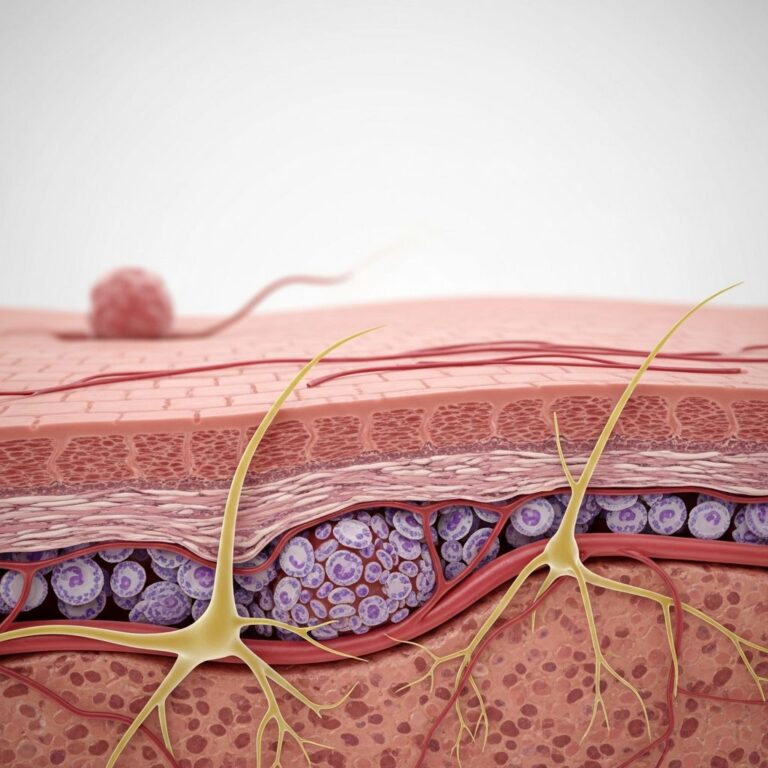
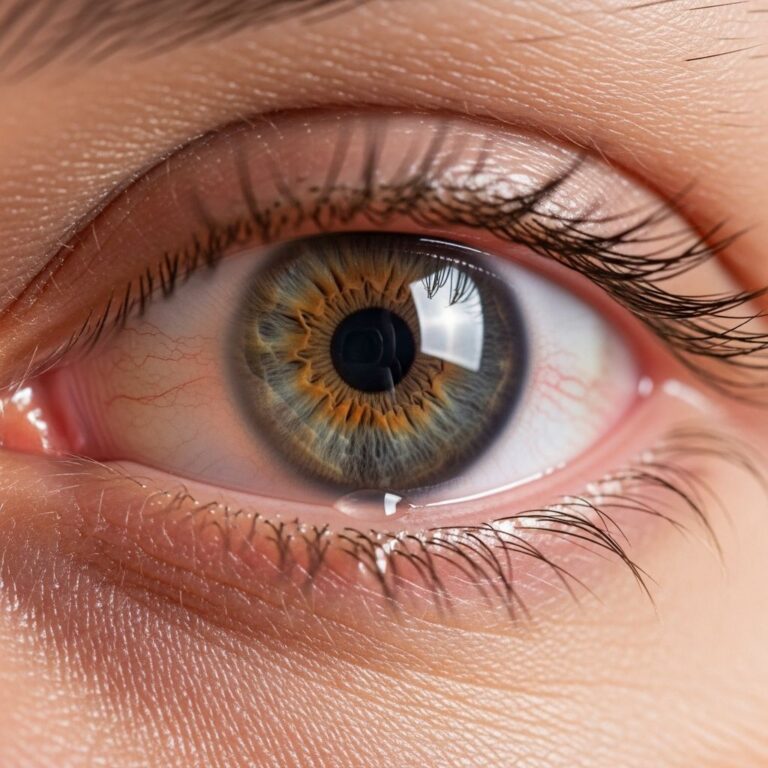
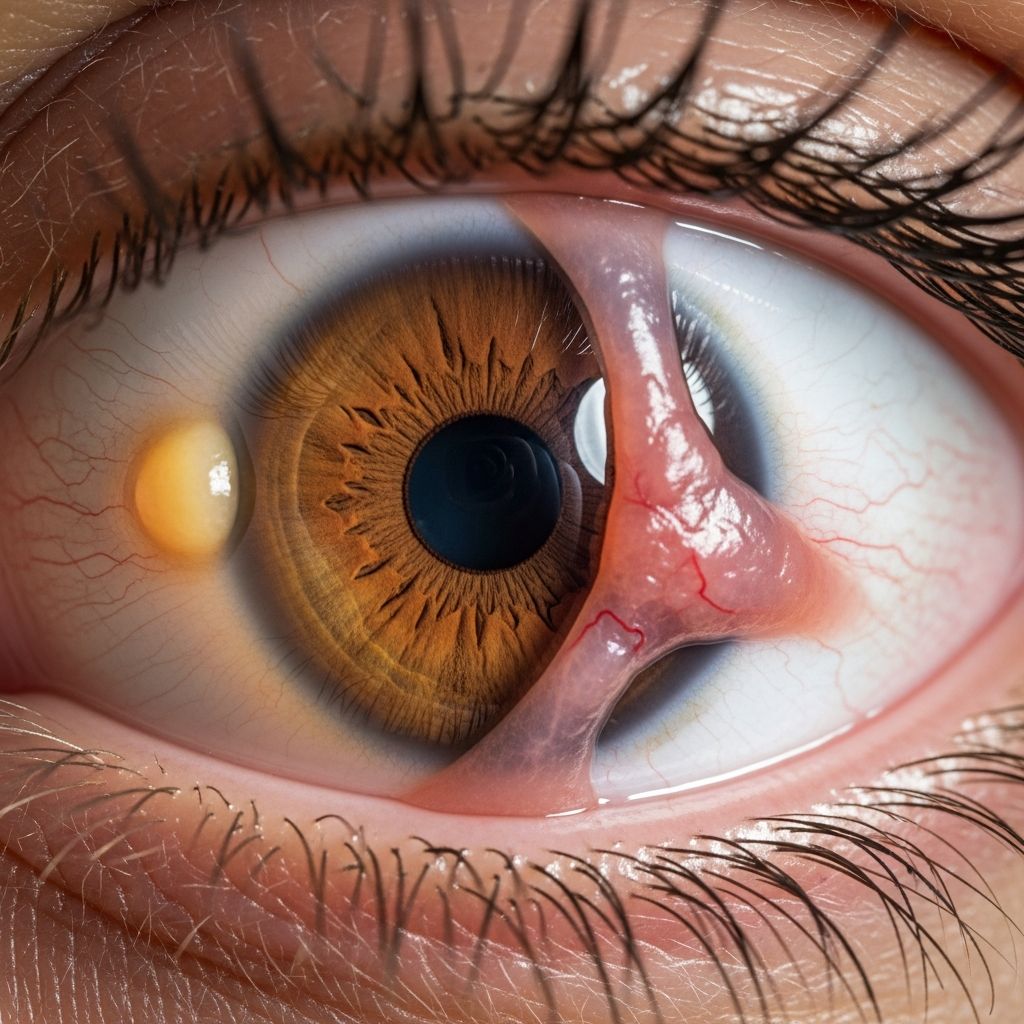
Pinguecula and pterygium are two common, benign growths that affect the conjunctiva—the thin, transparent layer covering the white part of the eye (sclera). Both conditions are often associated with environmental exposure, particularly ultraviolet (UV) light, and are more prevalent in individuals who spend significant time outdoors.
Understanding Pinguecula
A pinguecula is a yellowish, raised, non-cancerous lesion that forms on the bulbar conjunctiva, most commonly near the limbus (the border between the cornea and sclera). It typically appears in the interpalpebral fissure—the area exposed to sunlight between the eyelids.
Causes of Pinguecula
- Chronic exposure to UV light
- Dry, dusty environments
- Wind exposure
- Advanced glycation end (AGE) products in subepithelial deposits, indicating oxidative stress
- Age-related changes in the conjunctiva
Symptoms of Pinguecula
- Yellowish or whitish raised bump on the conjunctiva
- Usually asymptomatic, but may cause mild irritation or dryness
- Occasional cosmetic concerns
- May become inflamed (pingueculitis), causing redness, swelling, and discomfort
Diagnosis of Pinguecula
Diagnosis is primarily clinical, based on a slit-lamp examination. In atypical cases, anterior segment optical coherence tomography (AS-OCT) may be used to visualize the lesion’s morphology. Histologically, pinguecula shows elastotic degeneration with material that stains elastin but is not degraded by elastase.
Staging of Pinguecula
| Grade | Description |
|---|---|
| P(0) | No pinguecula |
| P(1) | Mild or moderate pinguecula—yellowish, flat, or slightly elevated |
| P(2) | Severe pinguecula—highly vascularized and elevated |
Treatment of Pinguecula
- Most cases are asymptomatic and require no treatment
- Artificial tears for dryness or irritation
- Topical anti-inflammatory drops for pingueculitis
- Surgical excision for cosmetic reasons or persistent symptoms
- Post-operative care includes topical antibiotic-steroid eye drops
Understanding Pterygium
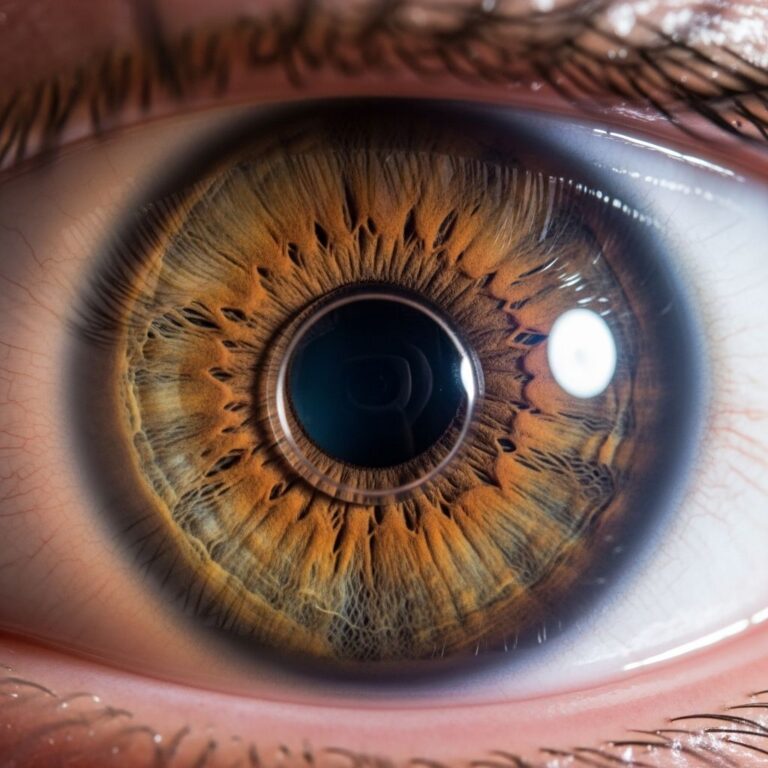
A pterygium is a fleshy, triangular growth of the conjunctiva that extends onto the cornea. Unlike a pinguecula, a pterygium can encroach on the visual axis and affect vision if it grows large enough.
Causes of Pterygium
- Chronic UV light exposure
- Environmental irritants (dust, wind)
- Genetic predisposition
- Age-related changes
Symptoms of Pterygium
- Painless, raised tissue on the white part of the eye
- May grow onto the cornea
- Redness, irritation, or foreign body sensation
- Blurred vision if the growth affects the cornea
- Induced astigmatism if the pterygium distorts the cornea
Diagnosis of Pterygium
Diagnosis is clinical, based on slit-lamp examination. AS-OCT can help assess the extent of corneal involvement. Histologically, pterygium shows elastotic degeneration and vascularization, distinguishing it from pinguecula.
Staging of Pterygium
| Stage | Description |
|---|---|
| Stage 1 | Minimal extension onto the cornea |
| Stage 2 | Moderate extension onto the cornea |
| Stage 3 | Significant extension onto the cornea, approaching the visual axis |
| Stage 4 | Extension into the visual axis, affecting vision |
Related Stories



Treatment of Pterygium
- Observation for small, asymptomatic pterygia
- Artificial tears for dryness
- Topical anti-inflammatory drops for inflammation
- Surgical excision for large, symptomatic, or vision-threatening pterygia
- Post-operative care includes topical antibiotic-steroid eye drops and possible conjunctival autograft
Differential Diagnosis
Conditions that may resemble pinguecula or pterygium include:
- Conjunctival nevus
- Conjunctival melanoma
- Conjunctival lymphoma
- Conjunctival cyst
- Conjunctival granuloma
Prognosis
Both pinguecula and pterygium are benign and generally have a good prognosis. Most cases are asymptomatic and do not affect vision. However, pterygium can progress and affect vision if it grows onto the cornea. Recurrence after surgical excision is possible, especially with pterygium.
Complications
- Recurrence after surgical excision
- Pigmentary changes at the site of removal
- Induced astigmatism (pterygium)
- Corneal scarring (pterygium)
- Chronic irritation or dryness
Prevention
- Wear UV-protective sunglasses
- Use hats or visors to shield the eyes from sunlight
- Avoid prolonged exposure to dry, dusty, or windy environments
- Use artificial tears to keep the eyes moist
Frequently Asked Questions (FAQs)
Q: Can pinguecula turn into pterygium?
A: While pinguecula is sometimes considered a precursor to pterygium, the progression is not guaranteed and remains controversial. Both conditions share similar risk factors, particularly UV exposure.
Q: Do pinguecula and pterygium affect vision?
A: Pinguecula does not affect vision. Pterygium can affect vision if it grows onto the cornea and blocks the visual axis or induces astigmatism.
Q: Is surgery necessary for pinguecula or pterygium?
A: Surgery is not always necessary. It is considered for cosmetic reasons, persistent symptoms, or when the growth affects vision (pterygium).
Q: How can I prevent pinguecula and pterygium?
A: Protect your eyes from UV light with sunglasses and hats, avoid dry and dusty environments, and use artificial tears to keep your eyes moist.
Q: Are pinguecula and pterygium cancerous?
A: No, both are benign growths. However, any atypical lesion should be evaluated to rule out malignancy.
References
- Pinguecula – StatPearls — NCBI Bookshelf, National Institutes of Health. 2023. https://www.ncbi.nlm.nih.gov/books/NBK558965/
- Pterygium Treatment — Gulfcoast Eye Care. 2023. https://www.gulfcoasteyecare.com/eye-health/pterygium/
- A Large Unilateral Temporal Pinguecula in a Young Pediatric Patient — Archives of Ophthalmology and Optometry. 2021. https://sryahwapublications.com/article/download/2638-5120.0401004
Similar Articles








Read full bio of medha deb