Pinguecula and Pterygium: Eye Growths Explained
Discover the causes, symptoms, differences, and treatments for pinguecula and pterygium to protect your vision from these common sun-related eye conditions.
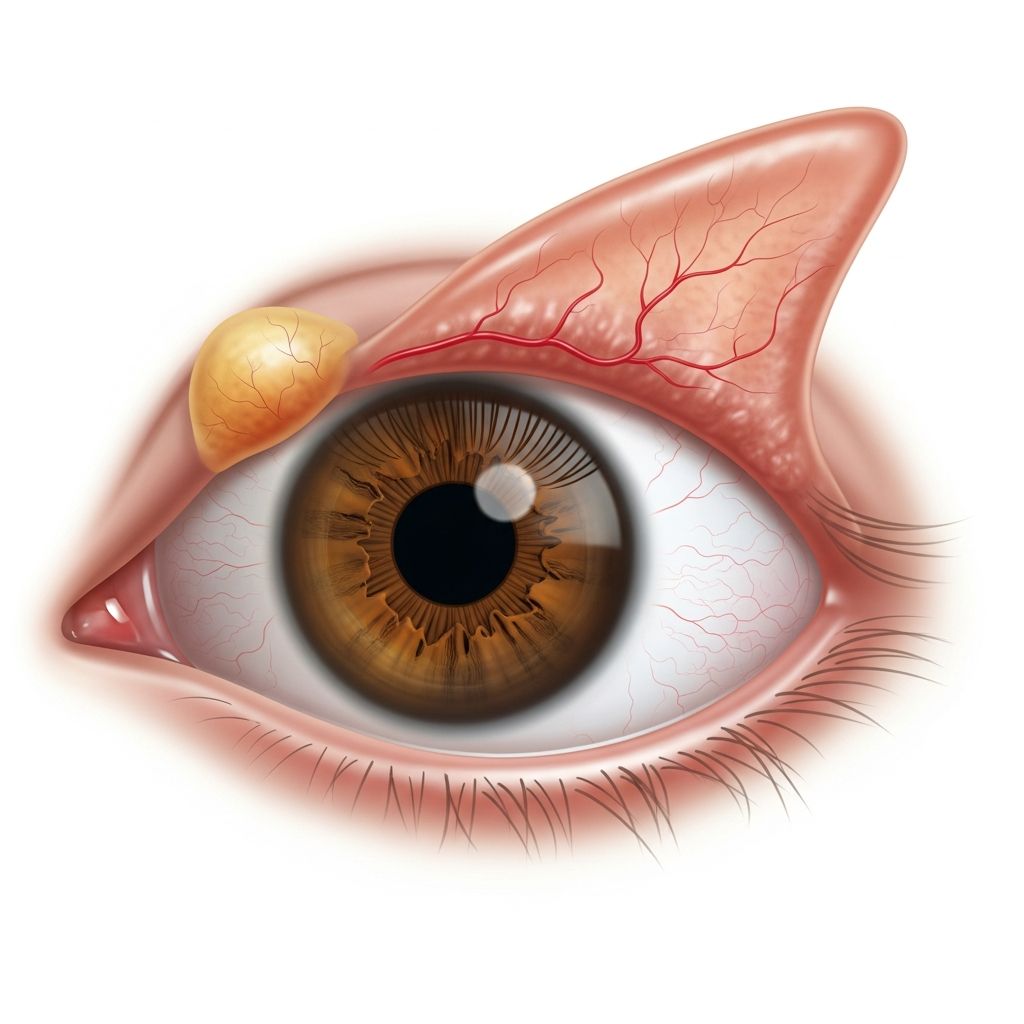
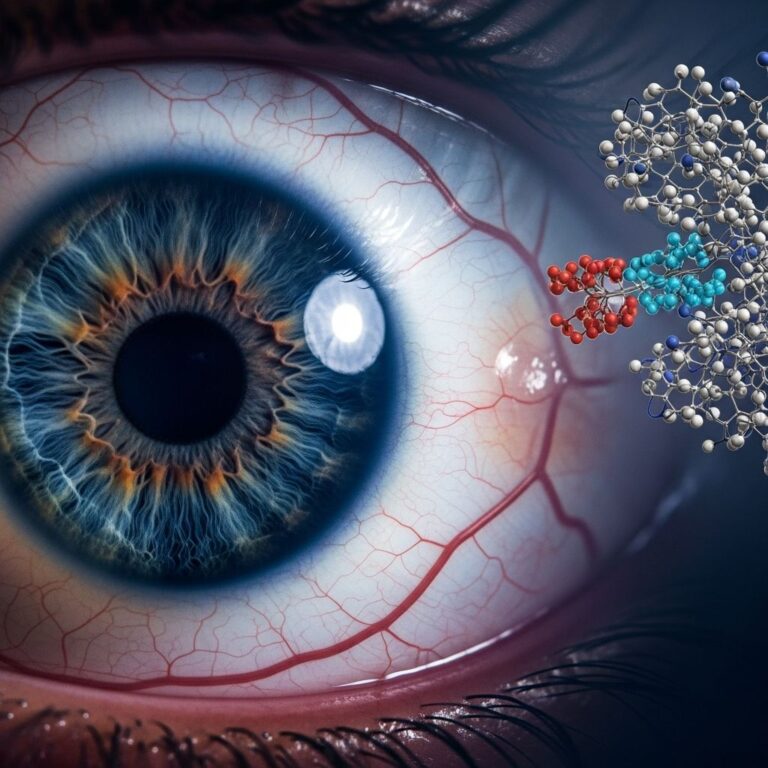
Benign growths on the eye’s surface, known as pinguecula and pterygium, affect millions worldwide, particularly those with prolonged outdoor exposure. These conditions arise from environmental irritants and can lead to discomfort if unmanaged, but early awareness empowers effective prevention and treatment.
What Are Pinguecula and Pterygium?
A
pinguecula
manifests as a small, yellowish, raised deposit on the conjunctiva, the thin membrane covering the white sclera of the eye. Typically located near the cornea on the nasal or temporal side, it consists of degenerated tissue including calcium, fat, and proteins, resembling a callus on the skin.In contrast, a
pterygium
, often called “surfer’s eye,” is a more invasive, wedge-shaped growth that originates from the conjunctiva and extends onto the cornea. This fleshy, vascularized tissue can alter the cornea’s shape, potentially impairing vision.Both are non-cancerous but share origins in chronic irritation. Pinguecula remains confined to the sclera, while pterygium invades the cornea, marking a key distinction.
Causes and Risk Factors Behind These Eye Changes
Ultraviolet (UV) radiation from sunlight is the primary culprit for both conditions, prompting tissue degeneration and abnormal growth. Wind, dust, and dry environments exacerbate this by stressing the ocular surface.
- Prolonged sun exposure: Common in surfers, farmers, and outdoor workers.
- Environmental irritants: Dust, sand, and low humidity accelerate development.
- Age and genetics: More prevalent in middle-aged adults, especially in sunny climates like equatorial regions.
- Pinguecula progression: Untreated pingueculae can evolve into pterygia over time.
Individuals in tropical or high-UV areas face higher risks, underscoring the need for protective measures.
Recognizing Symptoms: From Mild Irritation to Vision Impact
Many pingueculae are asymptomatic, noticed only during eye exams as cosmetic bumps. When symptomatic, they cause:
- Dryness, itching, or a gritty foreign body sensation.
- Redness and mild inflammation (pingueculitis).
- Burning or light sensitivity in aggravated cases.
Pterygium symptoms intensify due to corneal involvement:
| Symptom | Pinguecula | Pterygium |
|---|---|---|
| Appearance | Yellowish bump on sclera | Fleshy, vascular wedge on cornea |
| Irritation | Mild dryness, grit | Redness, burning, swelling |
| Vision Effect | None typically | Blurred vision, astigmatism |
| Light Sensitivity | Occasional | Frequent (photophobia) |
Advanced pterygia distort the cornea, inducing astigmatism and reducing visual acuity, while pingueculitis involves histamine release causing acute discomfort.
How Eye Specialists Diagnose These Growths
Diagnosis relies on a comprehensive slit-lamp examination, where professionals magnify the eye to assess growth extent, vascularity, and corneal involvement. No advanced imaging is usually needed for these straightforward cases.
Differential diagnosis rules out similar lesions like tumors or spheroidal degeneration. Pterygium is distinguished by its corneal encroachment, unlike stationary pinguecula.
Treatment Options: Conservative to Surgical Interventions
Management prioritizes symptom relief and prevention of progression.
Non-Surgical Approaches
- Lubricating drops: Artificial tears alleviate dryness and foreign body sensation.
- Anti-inflammatory medications: Steroid drops or NSAIDs treat pingueculitis or pterygium redness.
- UV protection: Wraparound sunglasses and hats halt growth.
Related Stories



Surgical Removal
Surgery is reserved for vision-threatening pterygia, severe cosmetic issues, or contact lens intolerance. Techniques include excision with conjunctival autografts or amniotic membrane transplants to minimize recurrence, which affects 10-50% of cases.
Pinguecula surgery is rare, only for mechanical interference with blinking or lids.
Prevention Strategies for Lifelong Eye Health
Proactive habits curb development:
- Wear UV-blocking sunglasses outdoors, even on cloudy days.
- Use wide-brimmed hats to shield eyes.
- Apply lubricating drops in dry or windy conditions.
- Avoid eye rubbing to prevent irritation escalation.
- Schedule regular eye exams for early detection.
These steps are vital for high-risk groups like water sports enthusiasts.
Potential Complications and When to Seek Care
While benign, complications include chronic dry eye from tear film disruption (dellen formation), persistent inflammation, and pterygium-induced astigmatism.
Seek immediate care for sudden vision changes, intense pain, or growth rapid expansion to exclude malignancy or infection.
FAQs on Pinguecula and Pterygium
Can pinguecula turn into pterygium?
Yes, chronic irritation can cause a pinguecula to progress into a pterygium, which invades the cornea.
Are these conditions cancerous?
No, both are degenerative, non-malignant growths.
Will pinguecula resolve without treatment?
No, it persists but rarely requires intervention unless symptomatic.
How effective is pterygium surgery?
Modern techniques with grafts reduce recurrence significantly, though monitoring is essential.
Who is most likely to develop these?
Outdoor workers, surfers, and residents of sunny climates over 40 years old.
Understanding pinguecula and pterygium equips individuals to protect their eyes proactively, ensuring clear vision amid environmental challenges.
References
- Pterygium vs Pinguecula: Key Differences and Symptoms — New Vision Eye Center. 2023. https://www.newvisioneyecenter.com/blog/pterygium-vs-pinguecula-differences-explained/
- Pinguecula and Pterygium (Surfer’s Eye) — NCO Phth. 2023. https://www.ncophth.com/blog/418177-pinguecula-and-pterygium-surfer-s-eye/
- Understanding Pinguecula: Causes, Symptoms, and Treatment — Assil Eye. 2024. https://assileye.com/blog/pinguecula-causes-symptoms-treatment/
- Pinguecula: What It Is, Symptoms, Causes & Treatment — Cleveland Clinic. 2024-01-24. https://my.clevelandclinic.org/health/diseases/23443-pinguecula
- Pinguecula – StatPearls — NCBI Bookshelf. 2023-08-21. https://www.ncbi.nlm.nih.gov/books/NBK558965/
- Pinguecula & Pterygium Treatment — Eye Centers of Louisville. 2024. https://www.eyecenters.com/eye-care-services/cornea/pinquecula-and-pterygium/
- Pinguecula and Pterygium — Family Eye MD. 2023. https://www.familyeyemd.com/patient-education/pinguecula-and-pterygium/
Similar Articles








Read full bio of medha deb