Pinguecula And Pterygium: Essential Eye Health Guide
Discover the causes, symptoms, and treatments for pinguecula and pterygium to protect your vision from these common eye growths.
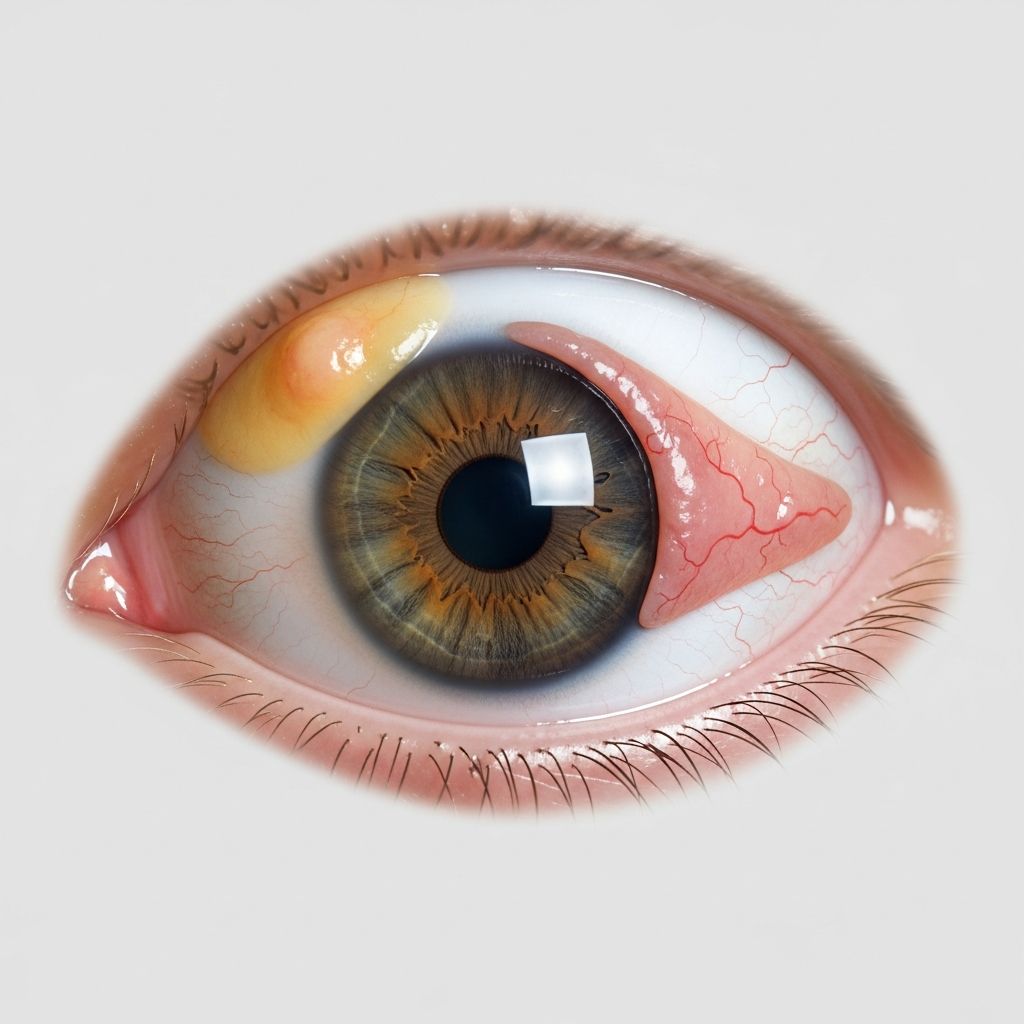
Eye surface growths like pinguecula and pterygium often develop from chronic environmental irritation, primarily affecting the conjunctiva on the white part of the eye. These conditions, though benign, can lead to discomfort and, in some cases, vision issues if left unchecked. Understanding their formation, signs, and management empowers individuals to maintain clear vision through proactive care.
Defining Pinguecula: A Common Conjunctival Bump
A pinguecula appears as a small, elevated, yellowish-white deposit on the conjunctiva, typically positioned on the nasal side near the cornea but never crossing it. Composed of protein, fat, and calcium deposits, it resembles a callus formed due to repeated stress on the eye’s surface. This growth remains confined to the sclera’s covering, posing minimal threat to sight but potentially causing cosmetic concerns or mild annoyance.
Individuals frequently notice it during routine mirror checks or eye exams. While asymptomatic for many, irritation arises when the bump becomes inflamed, a state known as pingueculitis. Factors like dust or dryness exacerbate this, leading to noticeable changes in eye appearance and feel.
Unpacking Pterygium: The Progressive Eye Growth
Pterygium, often called “surfer’s eye,” manifests as a fleshy, triangular, vascularized wedge originating from the conjunctiva and encroaching onto the cornea. Unlike pinguecula, it contains blood vessels, giving it a redder, more invasive look. This growth can distort the cornea’s shape, inducing astigmatism or obscuring the visual axis if extensive.
Progression varies; early stages mimic pinguecula but evolve with inflammation. Chronic exposure accelerates spread, making it a more aggressive counterpart that demands vigilant monitoring to prevent vision impairment.
Shared Origins: Environmental Culprits Behind Growths
Both conditions stem from prolonged assault by ultraviolet (UV) radiation, wind, dust, and arid climates. UV light, especially UVB rays, damages conjunctival cells, prompting degenerative changes and deposit accumulation. Outdoor enthusiasts, such as surfers, farmers, or construction workers, face elevated risks due to cumulative exposure without protection.
Dry eye syndrome compounds vulnerability by thinning the tear film, heightening irritation. Genetic predispositions may play a role, as seen in higher prevalence among certain ethnic groups or families. Sand, smoke, and chemical irritants further contribute, mimicking chronic low-grade trauma to the ocular surface.
Recognizing Symptoms: From Subtle to Disruptive
- Irritation and Dryness: A gritty, foreign body sensation prompts frequent blinking or rubbing.
- Redness and Inflammation: Surrounding vessels dilate, creating a bloodshot appearance, worsened by weather or allergens.
- Burning or Itching: Persistent discomfort mimics allergies but localizes to the growth site.
- Tearing Excessively: Reflex tearing attempts to soothe the irritated area.
- Cosmetic Changes: Yellowish pinguecula or reddish pterygium alters eye aesthetics.
For pterygium specifically, advanced cases introduce blurred vision or light sensitivity as corneal involvement distorts focus. Pinguecula symptoms remain milder unless inflamed.
Key Distinctions: Pinguecula vs. Pterygium at a Glance
| Feature | Pinguecula | Pterygium |
|---|---|---|
| Appearance | Yellowish, raised bump on conjunctiva | Fleshy, wedge-shaped with vessels, invades cornea |
| Location | Near cornea, stays on sclera | Starts conjunctiva, grows onto cornea |
| Symptoms | Mild irritation, cosmetic issue | Irritation, potential vision distortion |
| Progression Risk | Can evolve to pterygium | May require surgery if advancing |
| Common Name | – | Surfer’s eye |
Related Stories



This comparison highlights why differentiation matters during exams; pterygium’s corneal crossover elevates its clinical significance.
At-Risk Populations: Who Should Stay Alert
Middle-aged adults in sunny, windy regions bear the brunt, with prevalence rising after 40. Those in equatorial zones or high-altitude areas encounter intensified UV flux. Professions demanding outdoor time without eyewear amplify odds, as do hobbies like beach volleyball or sailing. Fair-skinned individuals or those with light eyes may prove more susceptible due to lower natural UV filtering.
Diagnostic Approaches: Confirming the Condition
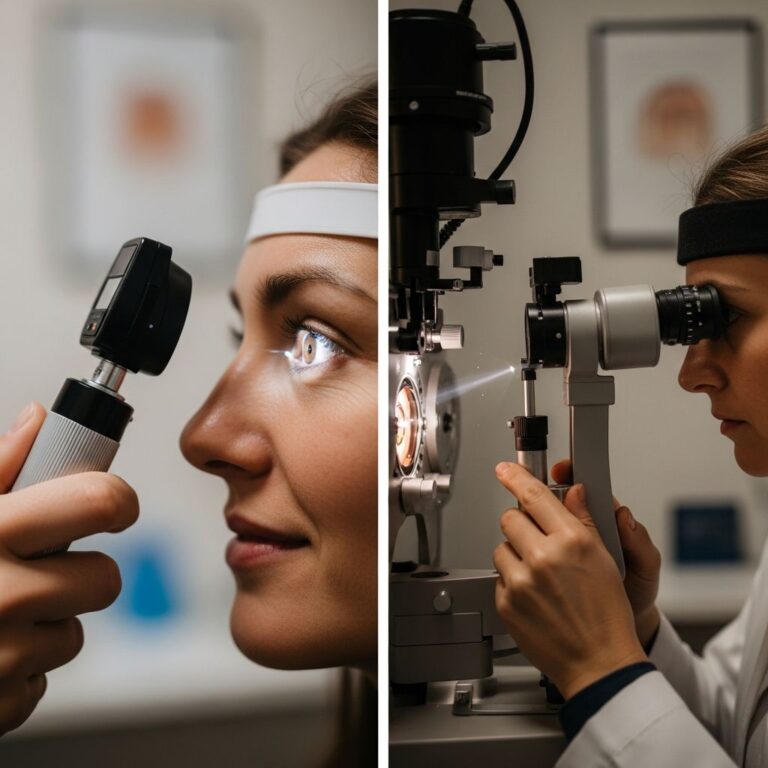
Eye specialists diagnose via slit-lamp biomicroscopy, magnifying the anterior segment to assess growth extent, vascularity, and corneal impact. Fluorescein staining reveals surface irregularities, while corneal topography measures astigmatism from pterygium pull. History of exposure guides suspicion, distinguishing from mimics like tumors or allergies.
Non-Surgical Management: Relieving Discomfort Effectively
Conservative strategies prioritize lubrication and protection. Artificial tears hydrate the surface, reducing friction. Steroid drops quell pingueculitis inflammation short-term, tapered to avoid side effects. Antihistamine drops address itch if allergic overlap exists. Lifestyle shifts, like wraparound sunglasses blocking 100% UVA/UVB, prevent worsening.
For pterygium, lubricants and UV shields slow progression. Contact lens intolerance often resolves with growth management.
Surgical Interventions: When Removal Becomes Necessary
Surgery targets symptomatic or vision-threatening cases. Pterygium excision employs conjunctival autografting or amniotic membrane to minimize recurrence, now under 10% with modern techniques. Pinguecula removal proves rarer, reserved for severe irritation unresponsive to drops.
Post-op care includes topical steroids, antibiotics, and shields. Risks like symblepharon or regrowth exist but decline with skilled execution.
Preventive Strategies: Safeguarding Your Eyes Long-Term
- Wear UV-protective eyewear outdoors, even on cloudy days.
- Use wide-brimmed hats to shade the face.
- Apply lubricating drops in dry or windy conditions.
- Avoid eye rubbing; opt for compresses instead.
- Schedule annual eye exams for early detection.
These habits drastically cut incidence, especially for high-risk groups.
Potential Complications: What to Watch For
Inflammation cycles foster growth; untreated pterygium induces astigmatism or dellen formation from tear film instability. Rare malignant transformations warrant biopsy in atypical cases. Chronic symptoms impact quality of life, underscoring timely intervention.
FAQs: Addressing Common Concerns
Can pinguecula turn into cancer?
No, both are benign, but monitor changes and consult professionals for peace of mind.
Is surgery the only cure for pterygium?
Not always; many stabilize with drops and protection, saving surgery for advanced cases.
How long does recovery take after pterygium removal?
Typically 1-2 weeks for comfort, full vision stabilization in months.
Do indoor workers get these conditions?
Less commonly, but prolonged screen time causing dry eyes heightens susceptibility.
Are there home remedies?
Lubricants help, but professional evaluation trumps self-treatment for accuracy.
These growths underscore eyes’ vulnerability to environment. Routine care and awareness preserve ocular health effectively.
References
- Understanding Pinguecula: Causes, Symptoms, and Treatment — Assil Gaur Eye Institute. 2023. https://assileye.com/blog/pinguecula-causes-symptoms-treatment/
- Pterygium Chicago | Pinguecula Naperville, IL — Wheaton Eye Clinic. 2024-02-15. https://www.wheatoneye.com/eye-conditions/cornea-external-disease/pterygium-pinguecula/
- Pterygium vs Pinguecula: Key Differences and Symptoms — New Vision Eye Center. 2023-05-10. https://www.newvisioneyecenter.com/blog/pterygium-vs-pinguecula-differences-explained/
- Pinguecula and Pterygium (Surfer’s Eye) — Dr. McDevitt EyeCare. 2024. https://drmcdevitteyecare.com/articles/general/418177-pinguecula-and-pterygium-surfer-s-eye
Similar Articles








Read full bio of medha deb