Pink Eye (Conjunctivitis): Symptoms, Treatment & Causes
Complete guide to pink eye: understand symptoms, causes, treatments, and when to seek medical care.
Understanding Pink Eye (Conjunctivitis)
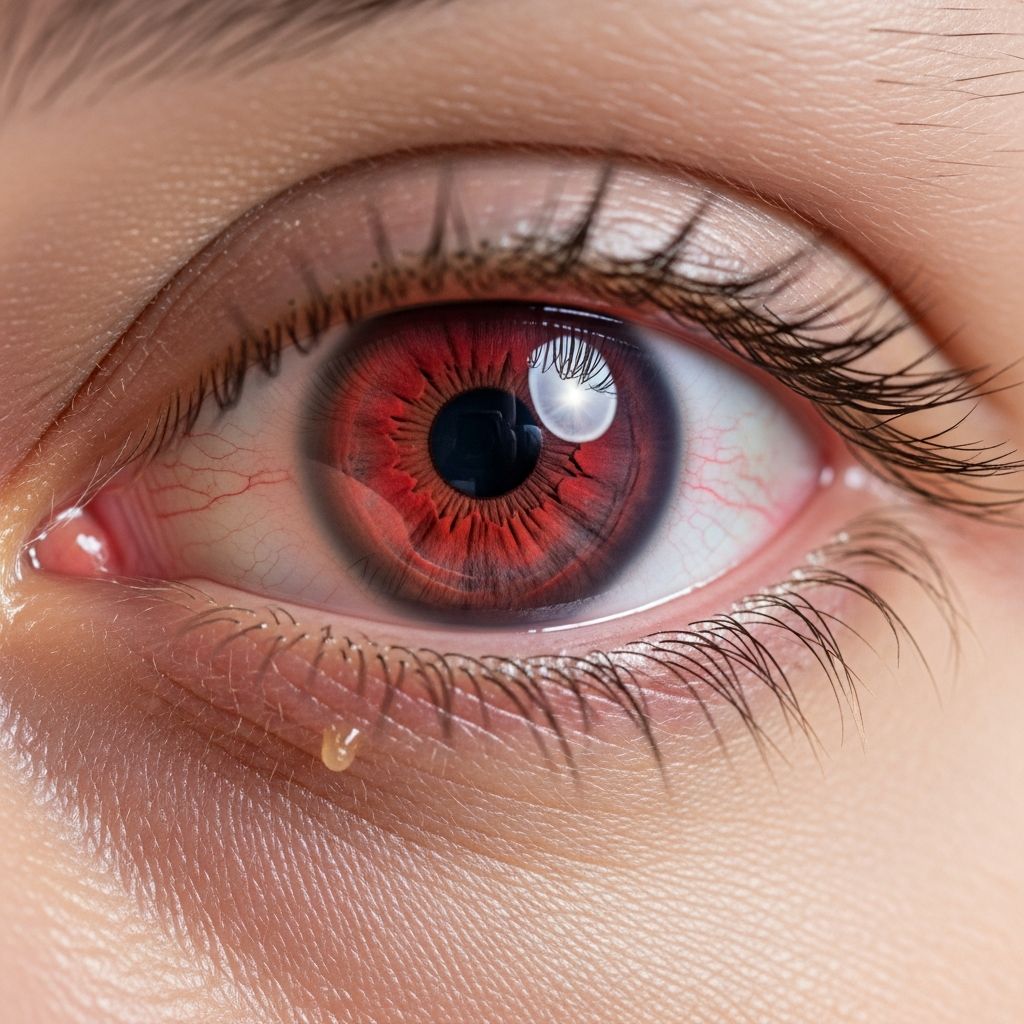
Pink eye, medically known as conjunctivitis, is an inflammation of the conjunctiva—the clear membrane that covers the white part of your eye and lines the inside of your eyelid. This common eye condition affects people of all ages and can develop suddenly, often without warning. The condition gets its name from the characteristic pinkish or reddish appearance the eyes take on when the small blood vessels in the conjunctiva become irritated or inflamed, making them more visible than usual. Understanding what pink eye is and how it develops is the first step in managing this condition effectively.
Conjunctivitis is extremely common and can affect one eye or both eyes simultaneously. The condition can develop as an acute infection that lasts for fewer than four weeks, or it can become chronic, persisting for more than four weeks. Whether you experience mild discomfort or more severe symptoms, knowing when to seek professional care and how to manage symptoms at home is essential for a quick recovery.
Recognizing Pink Eye Symptoms
The symptoms of pink eye can vary depending on the underlying cause, but there are several hallmark signs that typically indicate the condition. Most people experience a combination of these symptoms, though the severity can range from mild to uncomfortable:
Common symptoms include:
– Eye redness or pinkness in the white of the eye- Itching or irritation in one or both eyes- A gritty sensation, as if something is stuck in your eye- Tearing or excessive watering of the eyes- Discharge from the eye that may be clear, yellow, or greenish- Crusting on the eyelashes, particularly after sleeping- Swelling of the eyelids or surrounding tissues- Light sensitivity- Blurred vision
The discharge is particularly noticeable in the morning when you first wake up. In some cases, the discharge is so heavy that it can seal your eye partially or completely shut. It’s important to note that pink eye can share symptoms with other eye conditions, so consulting with an eye care professional helps ensure an accurate diagnosis.
Causes of Pink Eye
Pink eye can result from various causes, which healthcare providers typically divide into two main categories: infectious and noninfectious causes. Understanding what triggered your pink eye is crucial for determining the appropriate treatment approach.
Infectious Causes
Infectious conjunctivitis occurs when an infection causes the inflammation. Multiple types of infections can lead to pink eye:
Viral Pink Eye: Most cases of pink eye are caused by adenovirus, though other viruses can also trigger the condition, including herpes simplex virus, varicella-zoster virus (which causes chickenpox and shingles), and respiratory viruses like those responsible for the common cold. Viral conjunctivitis often occurs alongside respiratory symptoms such as sore throat or cough. These infections are highly contagious and spread through direct or indirect contact with eye secretions from an infected person.
Bacterial Pink Eye: Bacterial infections can cause conjunctivitis, often developing after improper contact lens use or poor hygiene practices. Wearing contact lenses that aren’t cleaned properly, sharing contacts with others, or using extended-wear lenses increases the risk of bacterial conjunctivitis. Like viral pink eye, bacterial conjunctivitis is very contagious and spreads through contact with infected eye secretions.
Related Stories



Noninfectious Causes
Pink eye that doesn’t result from an infection doesn’t spread from person to person. Common noninfectious causes include:
– Allergic reactions to pollen, dust, pet dander, or other allergens- Irritation from foreign objects in the eye- Chemical exposure or irritants- Dry eye syndrome- Reactions to contact lens solutions or eye medications- Environmental irritants like chlorine or smoke
Risk Factors for Pink Eye
Certain factors increase your likelihood of developing pink eye. Understanding these risk factors can help you take preventive measures:
– Exposure to someone with viral or bacterial conjunctivitis- Contact lens use, especially extended-wear lenses or improperly cleaned lenses- Poor hygiene practices, such as touching your eyes with unwashed hands- Exposure to allergens that trigger allergic conjunctivitis- Respiratory infections or colds- Seasonal factors, with pink eye being more common during winter months- Pre-existing eye conditions or weakened immune system
Diagnosis of Pink Eye
If you suspect you have pink eye, a healthcare provider can confirm the diagnosis and determine the cause. During an examination, your eye care professional will:
Visual Examination: Your provider will examine your eyes closely, looking for signs of inflammation, discharge, and other characteristic features of conjunctivitis.
Medical History: They’ll ask about recent exposure to sick individuals, contact lens use, recent travel, or environmental exposures.
Bacterial Testing: If bacterial infection is suspected, your provider may use a soft-tipped swab to collect fluid from your eye for laboratory testing. These results guide treatment decisions and help identify the specific bacteria causing the infection.
Additional Testing: In some cases, your provider may perform additional tests to rule out more serious eye conditions or to confirm the specific cause of your conjunctivitis.
Treatment Options for Pink Eye
Treatment for pink eye depends on its underlying cause. Your healthcare provider will recommend the most appropriate management strategy based on your specific situation.
Home Care Management
For many cases of mild to moderate pink eye, home care can effectively manage symptoms while your eyes heal:
Cold Compresses: Applying cold, wet compresses to your eyes can reduce inflammation and provide relief from discomfort. Use a clean cloth or sterile compress and apply it several times daily.
Artificial Tears: Preservative-free artificial tears can help soothe irritation and flush out irritants. Apply these drops regularly throughout the day as needed.
Eye Rinses: For irritants in the eye, rinse with warm water for five minutes. If a chemical irritant such as drain cleaner contacts your eye, flush immediately and seek emergency medical attention.
Pain Management: Over-the-counter pain relievers such as acetaminophen or ibuprofen can help manage discomfort or pain associated with pink eye.
Allergy Management: For allergic conjunctivitis, over-the-counter antihistamine eye drops or oral antihistamines like Zyrtec can help reduce symptoms.
Medical Treatment
Your healthcare provider may prescribe medications to treat specific causes:
Antibiotic Eye Drops or Ointments: For bacterial conjunctivitis, prescription antibiotics are necessary. These medications target the bacterial infection and help clear the infection within several days to a week.
Antiviral Medications: If your pink eye results from certain viral infections like herpes simplex virus or varicella-zoster virus, antiviral medications may be prescribed.
Steroid or Anti-inflammatory Eye Drops: In more severe cases, your provider may prescribe steroid or anti-inflammatory drops to reduce inflammation and swelling.
Allergy Medications: For allergic conjunctivitis unresponsive to over-the-counter treatments, prescription-strength antihistamines or mast cell stabilizers may be recommended.
Duration and Recovery Timeline
The length of pink eye depends on its cause. Understanding expected recovery timelines helps you plan accordingly:
Viral Conjunctivitis: Viral infections typically last up to two weeks, though some cases may persist longer. The condition usually resolves on its own as your immune system fights the virus.
Bacterial Conjunctivitis: With appropriate antibiotic treatment, bacterial infections usually improve within 10 days. Symptoms often begin improving within a few days of starting treatment.
Allergic Conjunctivitis: This type persists as long as you remain exposed to the allergen causing the reaction. Once you avoid the trigger, symptoms typically resolve relatively quickly.
When to Seek Medical Care
While many cases of pink eye improve with home care, certain situations require prompt medical attention. Visit a healthcare provider if:
– Symptoms worsen after a few days despite home care- You experience eye pain- You have a sensation that something is stuck in your eye- You develop blurred vision- You experience light sensitivity- Symptoms last longer than expected for the type of pink eye you have- You wear contact lenses and develop pink eye symptoms- You have a weakened immune system- You’re concerned about complications
Contact lens wearers should stop wearing their contacts as soon as pink eye symptoms appear. If symptoms don’t improve within 12 to 24 hours after discontinuing lens use, make an appointment with your eye healthcare professional to rule out more serious contact lens-related infections.
Potential Complications
While uncommon, untreated or severe pink eye can lead to complications affecting vision. Possible complications include inflammation of the cornea that can affect vision, permanent eye damage in rare cases, and even blindness in the most severe untreated situations. Prompt evaluation and professional treatment significantly reduce the risk of these complications. Immediate medical attention is warranted if you experience symptoms suggesting serious complications.
Preventing Pink Eye Transmission
Since most cases of pink eye are contagious, taking steps to prevent transmission is important:
– Wash your hands frequently, especially before touching your eyes- Avoid touching or rubbing your eyes- Don’t share personal items like towels, pillows, or eye makeup- Clean and disinfect contact lenses properly- Replace eye makeup that may have been contaminated- Use individual eye drops or ointments- Avoid swimming or using hot tubs until the infection clears- If you have children with pink eye, keep them home from school or daycare until they’re no longer contagious
Special Considerations for Contact Lens Wearers
Contact lens users face higher risks for certain types of pink eye. If you develop conjunctivitis:
– Immediately discontinue contact lens use- Switch to glasses while the infection clears- Don’t attempt to wear contacts until your healthcare provider confirms the infection has resolved- Replace your contact lenses and lens case after the infection clears- Review your contact lens care routine with your provider to prevent future infections- Consider daily disposable lenses or other low-risk options
Frequently Asked Questions (FAQs)
Q: Can pink eye go away on its own?
A: Yes, many cases of viral and allergic pink eye resolve on their own without treatment. However, bacterial conjunctivitis typically requires antibiotic treatment. Regardless of cause, if symptoms persist or worsen, consult a healthcare provider.
Q: Is pink eye contagious after starting treatment?
A: Viral and bacterial pink eye remain contagious for several days even after treatment begins. For bacterial pink eye, you’re generally safe to return to normal activities after 24 hours of antibiotic treatment. Always follow your healthcare provider’s specific recommendations.
Q: Can I wear contact lenses with pink eye?
A: No, you should not wear contact lenses while you have pink eye. Discontinue use immediately and switch to glasses. Don’t resume wearing contacts until your healthcare provider confirms the infection has cleared.
Q: How can I tell if pink eye is bacterial or viral?
A: A healthcare provider can determine the type through examination and testing. Generally, bacterial pink eye often produces thick, yellow or greenish discharge, while viral pink eye typically causes watery discharge. However, professional diagnosis is the most reliable method.
Q: Are home remedies effective for treating pink eye?
A: Home remedies like cold compresses and artificial tears can help manage symptoms, particularly for viral and allergic conjunctivitis. However, bacterial pink eye requires antibiotics. Avoid unproven home remedies that could worsen the infection. Always consult a healthcare provider before trying new treatments.
Q: How long does pink eye last?
A: Duration depends on the cause. Viral pink eye typically lasts up to two weeks, bacterial conjunctivitis usually resolves within 10 days of treatment, and allergic pink eye persists as long as you’re exposed to the allergen.
Q: Can pink eye cause permanent vision loss?
A: While rare, untreated pink eye can potentially cause corneal inflammation affecting vision. Prompt professional evaluation and treatment significantly reduces this risk. Seek immediate care if you experience vision changes or eye pain.
Q: What should I do if something gets in my eye?
A: Rinse your eye with warm water for five minutes. For chemical irritants like drain cleaner, flush immediately and seek emergency medical attention. Don’t rub your eye, as this can cause further irritation.
References
- Pink eye (conjunctivitis) – Symptoms and causes — Mayo Clinic. 2024. https://www.mayoclinic.org/diseases-conditions/pink-eye/symptoms-causes/syc-20376355
- Pink Eye (Conjunctivitis): Symptoms, Treatment & Causes — Cleveland Clinic. 2024. https://my.clevelandclinic.org/health/diseases/pink-eye-conjunctivitis
- Why is Pink Eye More Common In Winter? — Health Cleveland Clinic. 2024. https://health.clevelandclinic.org/conjunctivitis-is-common-in-winter
- How To Get Rid of Pink Eye at Home — Health Cleveland Clinic. 2024. https://health.clevelandclinic.org/home-remedies-for-pink-eye
- Eye Infection: Symptoms, Causes & Treatment — Cleveland Clinic. 2024. https://my.clevelandclinic.org/health/diseases/25000-eye-infection
- COVID-19 and Pink Eye Are Possibly Connected — Health Cleveland Clinic. 2024. https://health.clevelandclinic.org/covid-pink-eye
Similar Articles








Read full bio of medha deb