Understanding Pink Eye: Separating Truth from Fiction
Discover the real facts about conjunctivitis and dismiss common misconceptions
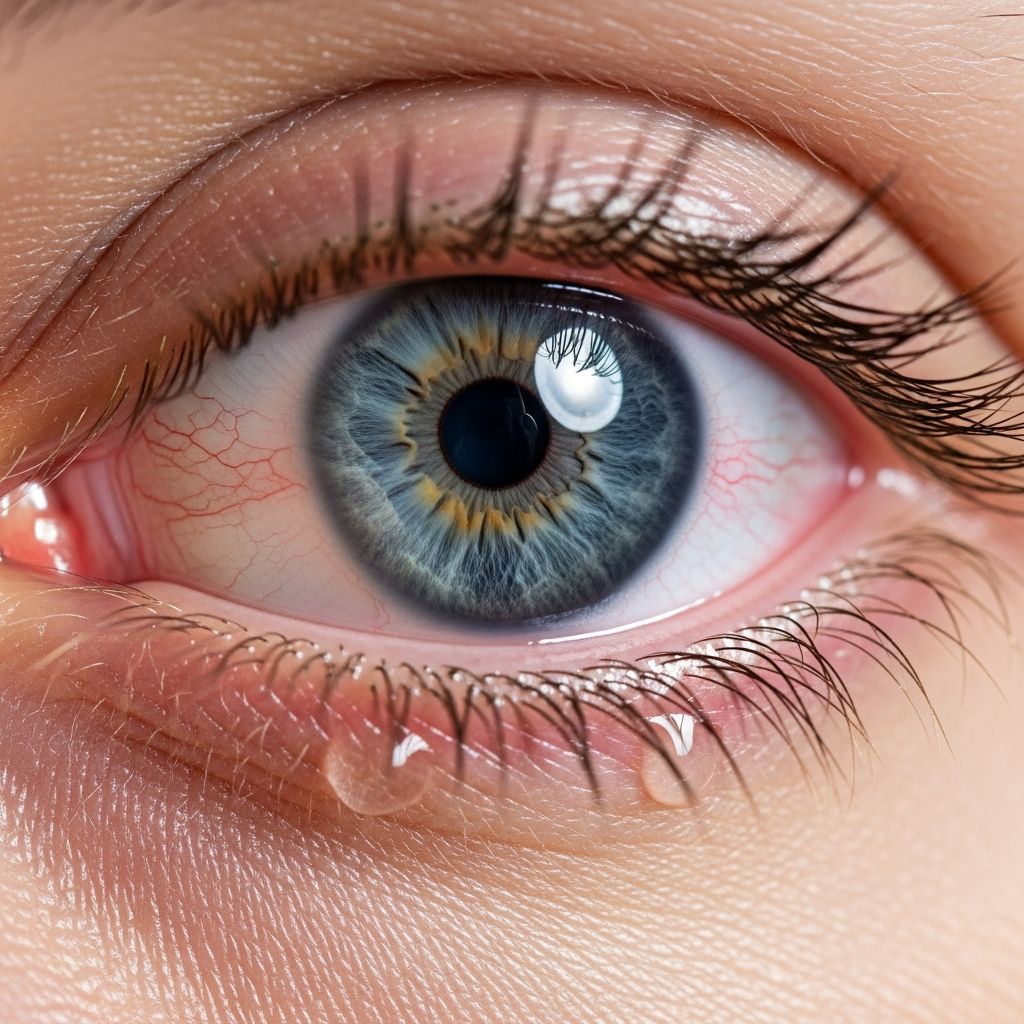
Pink eye, medically known as conjunctivitis, represents one of the most frequently encountered eye conditions affecting people worldwide. Despite its prevalence, numerous misconceptions surround this condition, leading to confusion about transmission, severity, and appropriate management. This comprehensive guide examines the distinction between myths and evidence-based facts about pink eye, empowering you with accurate knowledge about symptoms, causes, and when professional medical attention becomes necessary.
What Is Pink Eye and Why Does It Occur?
Pink eye occurs when the conjunctiva—the transparent membrane covering the white portion of your eye and lining the inner eyelid—becomes inflamed or infected. When small blood vessels within this membrane swell and become irritated, they become more visible to the naked eye, creating the characteristic pink or reddish appearance that gives the condition its common name.
The conjunctiva plays a crucial protective role in eye health, and when it becomes compromised, multiple symptoms can develop. Understanding the underlying cause of conjunctivitis is essential because different types require different management approaches and carry varying levels of contagiousness.
The Three Primary Categories of Conjunctivitis
Pink eye develops through three distinct pathways, each with unique characteristics and implications for treatment and transmission:
Viral Conjunctivitis
Viral pink eye represents the most common form of conjunctivitis, frequently associated with cold symptoms or upper respiratory infections. Adenovirus causes the majority of cases, though other viruses including herpes simplex virus and varicella-zoster virus can also trigger this condition. Viral conjunctivitis produces a watery discharge and typically affects one eye initially before potentially spreading to the other. This form is highly contagious and spreads through direct or indirect contact with infected eye fluid.
Bacterial Conjunctivitis
Bacterial infections, commonly caused by staphylococcal or streptococcal bacteria, produce a distinct thick, yellowish, or greenish discharge. Contaminated contact lenses—particularly those that aren’t cleaned properly or belong to another person—represent a significant risk factor for bacterial pink eye. Like viral conjunctivitis, the bacterial form is highly contagious and transmits readily between individuals through eye fluid contact.
Allergic Conjunctivitis
Allergic conjunctivitis develops when the eyes react to allergens such as pollen, pet dander, or dust mites. Unlike viral and bacterial forms, allergic conjunctivitis does not spread from person to person. Instead, it represents your immune system’s response to a perceived threat, triggering the release of inflammatory substances including histamines. This type typically affects both eyes simultaneously and persists as long as exposure to the triggering allergen continues.
Recognizing Pink Eye Symptoms
Pink eye manifests through a variety of symptoms that can vary in intensity and combination depending on the underlying cause:
- Redness or swelling of the white of the eye or inner eyelid surfaces
- Excessive tearing and increased tear production
- Discharge ranging from clear to yellow, white, or green in color
- Itching, irritation, and burning sensations in the affected eye
- A gritty or sandy sensation in the eye
- Crusting of the eyelids or eyelashes, particularly noticeable upon waking
- Discomfort when wearing contact lenses
- Sensitivity to light in some cases
- Mild puffiness or drooping of the eyelids
Symptoms typically develop gradually and may affect one or both eyes. The specific pattern of symptoms can provide clues about the underlying cause, though professional evaluation remains the most reliable diagnostic approach.
Related Stories



Myth vs. Fact: Understanding Pink Eye Transmission
Myth: All Pink Eye Is Highly Contagious
Fact: Contagiousness depends entirely on the type of conjunctivitis. Viral and bacterial pink eye are indeed highly contagious and spread readily through direct or indirect contact with infected eye fluid. However, allergic conjunctivitis is not contagious at all, as it results from an immune response rather than an infection. Chemical conjunctivitis, caused by irritants like chlorine in swimming pools, similarly does not transmit between people. Understanding which type of pink eye you or someone else has contracted determines appropriate precautions and social restrictions.
Myth: Pink Eye Always Requires Antibiotics
Fact: Antibiotic treatment addresses only bacterial infections, not viral pink eye. Viral conjunctivitis must run its course, typically resolving within two weeks, though some cases may persist longer. Your healthcare provider may recommend supportive measures such as cool compresses, artificial tears, or anti-inflammatory medications to ease discomfort while your immune system fights the infection. Using antibiotics for viral pink eye provides no benefit and may contribute to antibiotic resistance, a growing public health concern.
Myth: Pink Eye Will Permanently Damage Your Vision
Fact: While pink eye rarely affects vision, untreated conjunctivitis can theoretically lead to permanent eye damage and blindness in rare cases. However, the vast majority of pink eye cases resolve without causing lasting visual problems. Prompt evaluation and appropriate treatment by a healthcare professional substantially reduce the already minimal risk of complications. Only when conjunctivitis progresses unchecked or develops complications does vision loss become a legitimate concern.
Myth: You Must Isolate Completely if You Have Pink Eye
Fact: Contagion precautions depend on the type of pink eye you have. If you have viral or bacterial conjunctivitis, you should avoid close contact with others and refrain from sharing personal items like towels or eye makeup for as long as symptoms persist. However, if you have allergic or chemical conjunctivitis, normal social interaction poses no risk to others. Even with contagious forms, basic hygiene practices—frequent handwashing, avoiding touching your eyes, and not sharing personal items—effectively minimize transmission risk without requiring complete isolation.
When Professional Medical Care Becomes Necessary
While many cases of pink eye resolve independently, certain situations warrant prompt professional evaluation:
- Severe or moderate eye pain suggests a more serious condition than typical conjunctivitis
- Blurred vision or significant vision changes require immediate assessment
- Intense light sensitivity may indicate complications affecting the cornea
- Newborns or infants showing any signs of pink eye should see a healthcare provider immediately, as neonatal conjunctivitis can develop from serious infections like gonorrhea or chlamydia
- Contact lens wearers should discontinue lens use and seek care if symptoms don’t improve within 12-24 hours
- Symptoms that worsen or fail to improve after several days despite home care measures
- Bacterial pink eye that doesn’t improve after 24 hours of antibiotic treatment
- A weakened immune system (from HIV, cancer treatment, or other conditions) increases infection risk and complications
- Pre-existing eye conditions that may increase complication risk
Special Considerations for Newborns
Pink eye in newborns demands particular attention and immediate medical evaluation. Conjunctivitis developing in the first two weeks after birth can result from infection, irritation, or a blocked tear duct. When caused by sexually transmitted infections such as gonorrhea or chlamydia, neonatal conjunctivitis can cause serious complications if left untreated. Pregnant individuals should seek testing and treatment if they suspect having a sexually transmitted infection. Conversely, new parents whose newborn exhibits pink eye symptoms should contact their child’s healthcare provider without delay.
Duration and Resolution of Pink Eye
The timeline for pink eye resolution varies significantly based on the underlying cause:
| Type of Conjunctivitis | Typical Duration | Treatment Notes |
|---|---|---|
| Viral | Up to 2 weeks (occasionally longer) | Supportive care; antibiotics ineffective |
| Bacterial | Up to 10 days | Antibiotics accelerate recovery |
| Allergic | Persists while allergen exposure continues | Antihistamines and allergen avoidance |
Understanding expected timelines helps you determine whether your pink eye is improving appropriately or requires professional intervention.
Practical Prevention and Hygiene Strategies
Protecting yourself and others from contagious forms of pink eye involves straightforward hygiene practices:
- Wash your hands frequently and thoroughly, especially after touching your eyes
- Avoid touching or rubbing your eyes, a habit that spreads infection
- Do not share personal items including towels, pillowcases, eye makeup, or contact lens solutions
- Clean contact lenses according to manufacturer instructions using appropriate solutions, never water
- Replace contact lens cases regularly and avoid extended-wear lenses when possible
- Remove contact lenses immediately if pink eye symptoms develop
- Use separate towels for your face and hands if you have contagious pink eye
- Avoid swimming pools until symptoms completely resolve
- Cover your mouth when sneezing or coughing to prevent respiratory droplets from contaminating your eyes
Myth vs. Fact: Contact Lens Considerations
Myth: You Can Continue Wearing Contact Lenses if You Have Pink Eye
Fact: Contact lens wearers must immediately discontinue lens use upon developing any pink eye symptoms. Contact lenses trap bacteria or viruses against the eye surface, worsening infection and increasing complication risk. Even if you believe you have allergic conjunctivitis, removing your contact lenses provides comfort and allows your eye to heal more effectively. Only resume contact lens use after symptoms completely resolve and your healthcare provider confirms it’s safe to do so.
Frequently Asked Questions About Pink Eye
Can Pink Eye Affect Vision?
Pink eye rarely affects vision, though untreated cases can occasionally cause corneal inflammation that impacts visual clarity. Prompt professional evaluation and appropriate treatment minimize this already minimal risk. Most people experience complete vision recovery after conjunctivitis resolves.
Is Pink Eye More Common in Children or Adults?
Pink eye affects both children and adults equally, though transmission patterns may differ. Children in group settings like schools experience higher exposure rates, while adults may contract pink eye through various environmental or occupational exposures.
Can You Get Pink Eye from Animals?
Certain infections can transmit between animals and humans, though this represents an uncommon transmission route for typical pink eye. Most cases result from human-to-human contact or environmental exposure.
Should You Use Eye Patches if You Have Pink Eye?
Eye patches are generally not recommended for pink eye, as they create a warm, moist environment that may promote bacterial growth. Allowing air circulation and keeping eyes clean proves more beneficial.
Conclusion
Pink eye remains one of the most common and treatable eye conditions, yet misconceptions about transmission, severity, and treatment persist. By understanding the distinction between viral, bacterial, and allergic conjunctivitis, you can make informed decisions about when professional care is necessary and what precautions protect those around you. Most cases resolve independently with supportive care, though healthcare providers should evaluate symptoms that worsen, persist beyond expected timeframes, or occur in newborns. Armed with accurate information about pink eye myths and facts, you can manage this common condition confidently and protect eye health effectively.
References
- Conjunctivitis (Pink Eye) — Washington County Health Department. Accessed February 2026. https://washcohealth.org/conjunctivitis-pink-eye/
- Pink eye (conjunctivitis) – Symptoms and causes — Mayo Clinic. Accessed February 2026. https://www.mayoclinic.org/diseases-conditions/pink-eye/symptoms-causes/syc-20376355
- Pink Eye (Conjunctivitis): Symptoms, Treatment & Causes — Cleveland Clinic. Accessed February 2026. https://my.clevelandclinic.org/health/diseases/pink-eye-conjunctivitis
- What Are The Facts About Pink Eye? — Midwest Eye Center. Accessed February 2026. https://midwesteyecenter.com/what-are-the-facts-about-pink-eye/
- Conjunctivitis (Pink Eye) — CDC. Accessed February 2026. https://www.cdc.gov/conjunctivitis/index.html
Similar Articles








Read full bio of Sneha Tete