Pink Eye: Stopping Unnecessary Antibiotics
Learn why antibiotics are often overprescribed for pink eye and discover effective, evidence-based alternatives for faster relief.
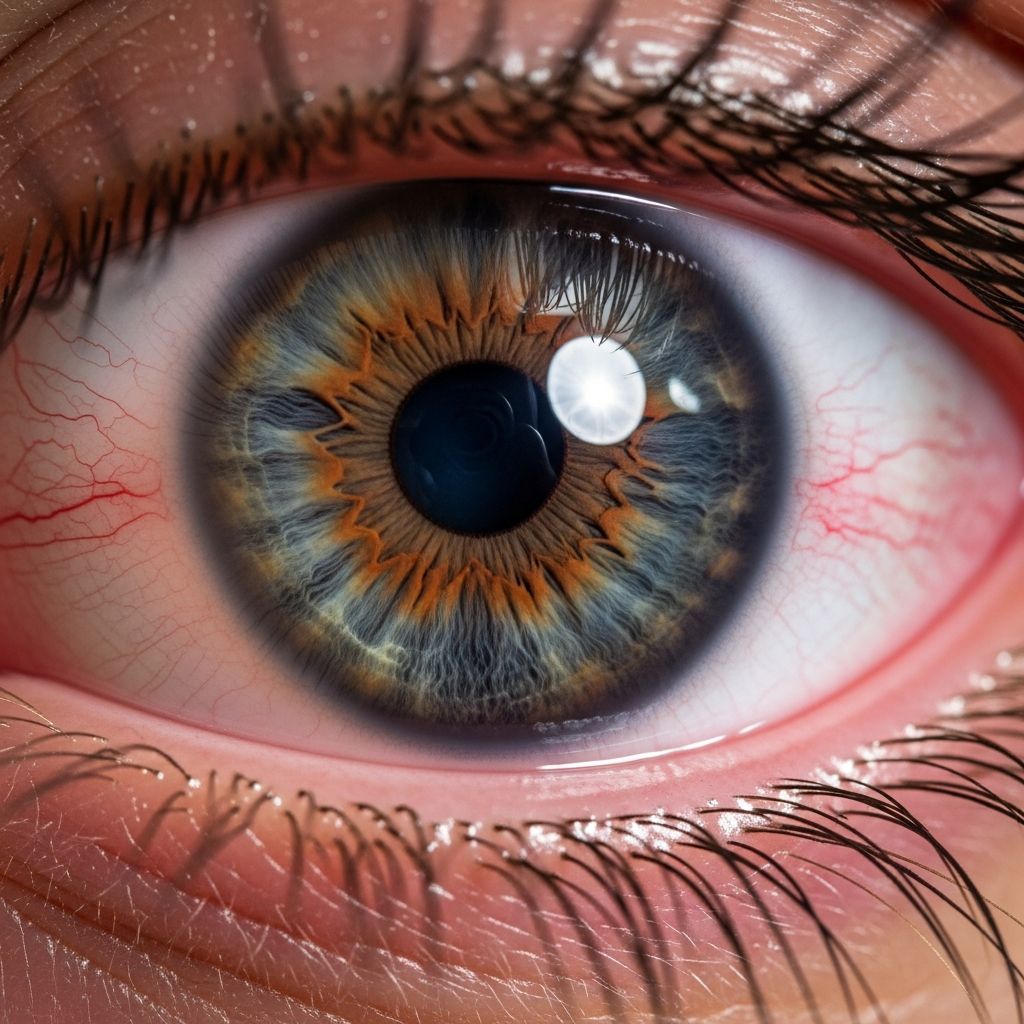
Pink eye, medically termed conjunctivitis, affects millions yearly, often prompting quick prescriptions for antibiotic eye drops despite most cases being viral or allergic, where such drugs offer no benefit and fuel resistance.
Understanding the True Nature of Pink Eye
The conjunctiva, a thin membrane covering the white of the eye and inner eyelids, becomes inflamed in pink eye, leading to redness, itching, tearing, and discharge. While alarming in appearance, it rarely threatens vision and typically resolves without intervention.
Key symptoms include bloodshot eyes, gritty sensations, and sticky buildup, varying by cause. Bacterial forms produce thick yellow-green pus, viral ones watery discharge with cold-like symptoms, and allergic types intense itching with bilateral involvement.
Why Antibiotics Are Often the Wrong Choice
Up to 60% of pink eye cases stem from viruses like adenovirus, rendering antibiotics useless as they target bacteria only. Prescribing them routinely promotes antimicrobial resistance, reducing future treatment efficacy and risking side effects like allergic reactions or secondary infections.
Studies show viral conjunctivitis self-resolves in 1-3 weeks, with antibiotics providing no faster recovery but increasing costs and resistance risks. Overuse also burdens healthcare, as milder cases don’t require office visits.
Distinguishing Causes for Targeted Care
Accurate diagnosis hinges on history and exam. Bacterial: unilateral thick pus, no respiratory symptoms. Viral: bilateral watery discharge, recent URI. Allergic: itching, seasonal triggers, no pus.
Professionals swab severe cases for culture, especially in neonates or immunocompromised patients, to identify pathogens like gonorrhea or chlamydia needing systemic therapy.
| Cause | Symptoms | Contagious? | Treatment Needed |
|---|---|---|---|
| Bacterial | Thick pus, glued eyelids | Yes, moderate | Topical antibiotics if severe |
| Viral | Watery, red, light sensitivity | Highly | Symptom relief only |
| Allergic | Itchy, swollen lids | No | Antihistamines, avoid triggers |
Safe Home Management Strategies
Most pink eye improves with simple steps, avoiding unnecessary drugs.
- Clean eyelids gently with baby shampoo diluted in warm water, wiping inner to outer corner.
- Apply cool or warm compresses 3-4 times daily for 10 minutes to soothe inflammation.
- Use preservative-free artificial tears 4-6 times daily to flush irritants and lubricate.
- Avoid squeezing eyes or rubbing to prevent spread.
For contact lens wearers, discard soft lenses and cases; disinfect rigid ones thoroughly post-resolution.
Tailored Treatments by Type
Bacterial Conjunctivitis Options
Reserve antibiotics for moderate-severe cases with pus or risk factors. Preferred: fluoroquinolone drops like moxifloxacin 1 drop 3 times daily for 5-7 days, or erythromycin ointment at bedtime. Improvement expected in 2-3 days; if not, reculture.
Gonococcal requires IM ceftriaxone plus oral azithromycin; chlamydial needs doxycycline orally.
Handling Viral Cases Effectively
Supportive care reigns: frequent artificial tears, compresses, and rest. Avoid steroids sans antivirals in herpes simplex cases, using ganciclovir gel instead. Contagion peaks days 3-14; isolate accordingly.
Relieving Allergic Reactions
Topical dual-action drops like olopatadine 1-2 drops twice daily combat histamine and stabilize mast cells. Oral antihistamines aid systemic relief; identify allergens via avoidance trials.
Related Stories



Preventing Spread in Homes and Schools
Pink eye spreads via direct contact, fomites, or droplets. Key defenses:
- Wash hands rigorously with soap 20 seconds post-touching eyes/nose.
- Separate towels, pillows; launder in hot water.
- Disinfect toys, doorknobs with EPA-approved cleaners.
- Stay home from work/school until non-contagious: 24 hours post-antibiotics for bacterial, resolution for viral.
Children on antibiotics may return sooner, reducing absences.
When to Seek Urgent Medical Help
Monitor for red flags signaling complications:
- Vision blur or loss.
- Severe pain, photophobia.
- Marked swelling or systemic fever.
- No improvement after 3 days treatment.
- Preexisting conditions like immunosuppression.
Infants under 1 month warrant immediate evaluation for serious infections.
The Bigger Picture: Combating Resistance
Global antibiotic resistance threatens effective therapies; pink eye overprescription contributes. Guidelines from CDC and AAO urge delayed prescribing or watchful waiting for mild cases, aligning with stewardship efforts.
Patient education empowers: discuss causes with providers, request non-antibiotic options first.
Common Myths Debunked
- Myth: All pink eye needs antibiotics. Fact: Only confirmed bacterial; most viral.
- Myth: Home remedies spread infection. Fact: Proper hygiene enhances safety.
- Myth: Makeup/ contacts safe during mild symptoms. Fact: Discard to avoid reinfection.
Frequently Asked Questions
Can pink eye resolve without treatment?
Yes, viral and mild allergic types self-limit in 1-2 weeks with hygiene.
Are over-the-counter drops sufficient?
Artificial tears and antihistamines help symptoms; antibiotics require prescription.
How long is pink eye contagious?
Bacterial: until 24 hours antibiotics; viral: up to 14 days.
Should I wear contacts with pink eye?
No, until cleared by doctor; discard disposables.
Is pink eye dangerous for babies?
Potentially; seek care promptly for neonates.
References
- Treatment Plan for Pink Eye (Conjunctivitis) — Dr.Oracle. 2023. https://www.droracle.ai/articles/806392/what-is-the-appropriate-treatment-plan-and-patient-education
- Pink eye (conjunctivitis) – Diagnosis and treatment — Mayo Clinic. 2024-10-15. https://www.mayoclinic.org/diseases-conditions/pink-eye/diagnosis-treatment/drc-20376360
- How to Treat Pink Eye — Centers for Disease Control and Prevention (CDC). 2024. https://www.cdc.gov/conjunctivitis/treatment/index.html
- Conjunctivitis – Diagnosis and Treatment — Emergency Care BC. 2023. https://emergencycarebc.ca/clinical_resource/clinical-summary/conjunctivitis-diagnosis-and-treatment/
- A closer look at pink eye: Self-care tips for conjunctivitis — Mayo Clinic Health System. 2023-05-10. https://www.mayoclinichealthsystem.org/hometown-health/speaking-of-health/changing-the-approach-to-pink-eye
Similar Articles








Read full bio of Sneha Tete