Pink Eye Symptoms: Signs, Causes & When to See a Doctor
Understand pink eye symptoms, causes, and when to seek medical attention for conjunctivitis.
Pink Eye Symptoms: A Complete Guide to Understanding Conjunctivitis
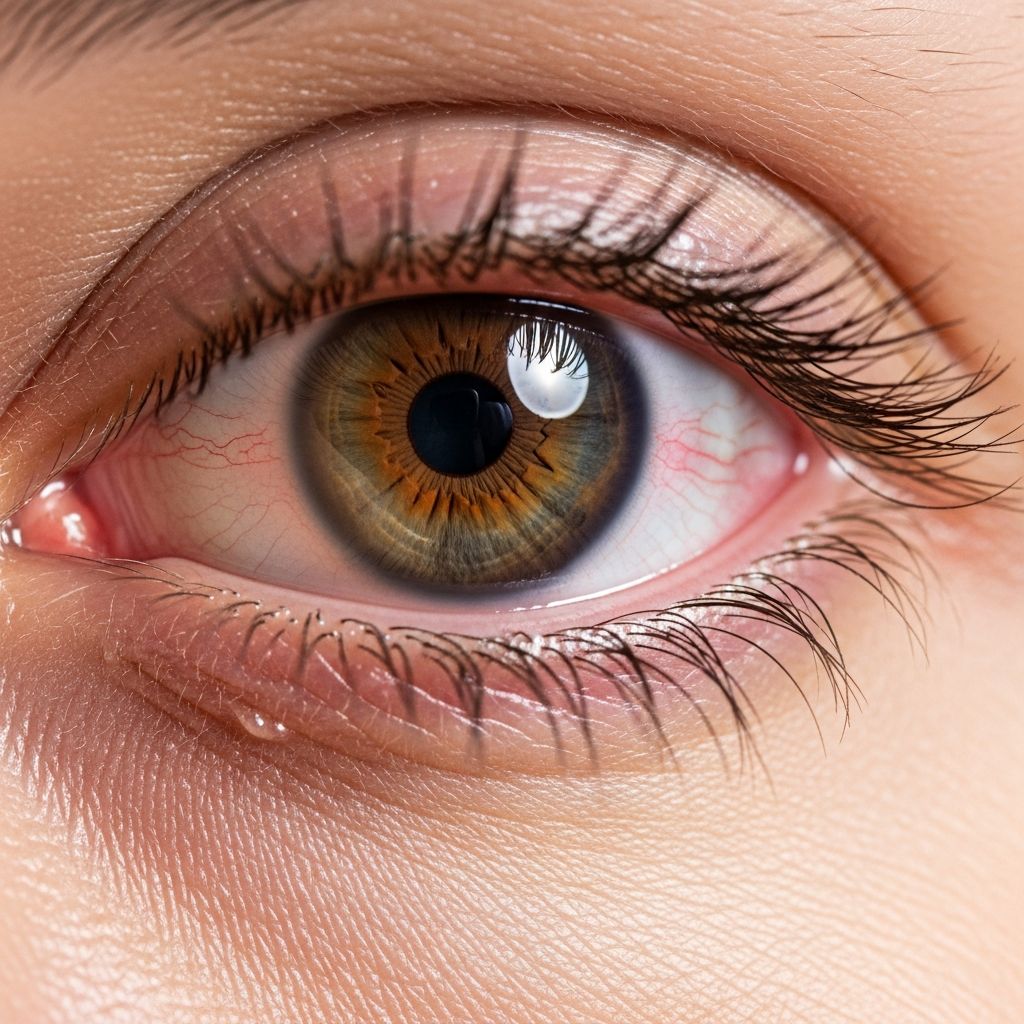
Pink eye, medically known as conjunctivitis, is an inflammation or infection of the transparent membrane that lines your eyelid and eyeball, called the conjunctiva. When small blood vessels in the conjunctiva become swollen and irritated, they become more visible, causing the whites of the eyes to appear reddish or pink. Though pink eye can be irritating and uncomfortable, it rarely affects your vision permanently. Understanding the symptoms, causes, and when to seek treatment is essential for managing this common eye condition effectively.
Common Symptoms of Pink Eye
Pink eye presents with a variety of symptoms that can range from mild to moderate in severity. Recognizing these signs early can help you seek appropriate treatment and prevent spreading the condition to others.
The most common pink eye symptoms include:
- Redness in one or both eyes
- Itchiness in one or both eyes
- Gritty sensation in one or both eyes
- Discharge that forms a crust during the night and may prevent your eye or eyes from opening in the morning
- Tearing and increased tear production
- Sensitivity to light, called photophobia
- Swelling of the eye and inside the eyelid
- Burning sensation in the eye
- Crusting of eyelids or lashes
The discharge that forms during pink eye can range from clear and watery to thick and mucousy, depending on the underlying cause. Many people wake up with their eyelashes stuck together from dried mucus formed during the night.
Types of Pink Eye and Their Specific Symptoms
Pink eye can be caused by different factors, and each type presents with slightly different characteristics. Understanding which type you have can help guide treatment decisions.
Viral Conjunctivitis
Viral conjunctivitis is the most common form of pink eye. This type is caused by viruses, most often adenovirus, but can also be caused by other viruses including herpes simplex virus and varicella-zoster virus. Viral conjunctivitis often occurs alongside a cold or upper respiratory infection symptoms such as a sore throat. Inflammation of the cornea frequently accompanies viral conjunctivitis. This type is highly contagious and spreads through direct or indirect contact with eye discharge from infected individuals.
Bacterial Conjunctivitis
Bacterial conjunctivitis is also very common and may develop quickly or gradually over several days. This type is caused by bacterial infection and can produce symptoms ranging from mild to severe, depending on the specific bacteria involved and the person’s overall health and natural immune resistance. Bacterial conjunctivitis can occur with colds or respiratory infections. Wearing contact lenses that aren’t properly cleaned or wearing someone else’s contacts can cause bacterial conjunctivitis. Like viral conjunctivitis, bacterial conjunctivitis is highly contagious and spreads through direct or indirect contact with infected eye discharge.
Allergic Conjunctivitis
Allergic conjunctivitis is triggered by an allergic reaction to specific substances such as pollen, cosmetics, chemicals in the air, or dust. This type typically affects both eyes simultaneously. Symptoms of allergic conjunctivitis include extreme itching, mucousy discharge, moderate redness, tearing, and sometimes nasal discharge and head congestion. Hay fever and upper respiratory infections often accompany allergic conjunctivitis, with inflammation, swelling, and itching of the skin and eyelids. Unlike viral and bacterial forms, allergic conjunctivitis is not contagious. The body’s immune response produces an antibody called immunoglobulin E (IgE), which triggers special cells in the mucous lining to release inflammatory substances, including histamines.
Irritant or Chemical Conjunctivitis
Irritant conjunctivitis results from direct contact with noxious fumes, particles, or chemical fluids. This type can cause a red eye with tearing, pain, and sensitivity to light, with severity depending on the type of chemical involved and exposure duration. Sometimes flushing and cleaning the eye to remove the chemical or object causes additional redness and irritation. Symptoms including watery eyes and mucous discharge usually clear up within about a day. However, if flushing doesn’t resolve symptoms or the chemical is caustic (such as lye), immediate professional care is necessary to prevent permanent eye damage.
Causes of Pink Eye
Related Stories



Pink eye can result from multiple causes, each requiring different treatment approaches.
Primary causes of pink eye include:
- Viruses
- Bacteria
- Allergies
- Chemical splash in the eye
- Foreign object in the eye
- In newborns, a blocked tear duct
Risk Factors for Developing Pink Eye
Certain factors increase your likelihood of developing conjunctivitis:
- Exposure to someone infected with viral or bacterial conjunctivitis
- Exposure to allergen-causing substances in your environment
- Using contact lenses, particularly extended-wear lenses
Understanding these risk factors can help you take preventive measures to reduce your chances of contracting pink eye, especially if you wear contact lenses or have been exposed to someone with the condition.
How Pink Eye Spreads
Both viral and bacterial conjunctivitis are highly contagious. The germs that cause conjunctivitis spread easily throughout households and classrooms within days. Germs travel from one person’s hands, towels, or linens to the next person’s. When that person touches their face or eyes, the infection transfers. Because of its contagious nature, getting an early diagnosis and taking certain precautions can help limit pink eye’s spread.
When to See a Doctor
While many cases of pink eye resolve on their own, certain symptoms warrant immediate medical attention. Serious eye conditions can cause eye redness, and distinguishing between pink eye and more serious conditions is crucial.
Seek urgent care if you experience:
- Eye pain
- A feeling that something is stuck in your eye
- Blurred vision
- Light sensitivity
Contact lens wearers should stop wearing their contacts immediately when pink eye symptoms begin. If symptoms don’t start improving within 12 to 24 hours, make an appointment with your eye healthcare professional to rule out more serious eye infections related to contact lens use.
Potential Complications of Pink Eye
While pink eye is usually not serious, it can cause complications if left untreated. In both children and adults, pink eye can cause inflammation in the cornea that may affect vision. Prompt evaluation and treatment by your healthcare professional can reduce the risk of these complications.
Prevention Tips
Since pink eye is highly contagious, preventing its spread is essential, particularly in household and school settings. Here are effective prevention strategies:
- Avoid touching or rubbing the infected eye(s)
- Wash your hands often with soap and water
- Use paper towels instead of cloth towels; if cloth towels are necessary, don’t share them
- Wipe any discharge from eyes at least twice a day or as directed by your eye care professional
- Use facial tissues instead of handkerchiefs
- Wash cloth towels, washcloths, and linens in hot water
- Do not use contact lenses or eye makeup until your eye is healed
- Keep children or adults home from school or work as directed by your eye care professional
Treatment Options for Pink Eye
Treatment depends on the type and cause of conjunctivitis. Antibiotic eye drops, ointments, or other medications may be prescribed for bacterial infections. Cleaning the crusting on the eyelids every few hours with a cotton swab soaked in lukewarm water usually helps the eye feel better. Tinted glasses may relieve discomfort from bright light. Importantly, do not cover the eye with a patch, as this can make the infection worse.
For allergic conjunctivitis, most cases can be controlled with allergy eye drops. Although many types of conjunctivitis may clear up on their own, it is best to have an examination by your eye care professional to determine the cause and appropriate treatment.
Frequently Asked Questions
Q: How long does pink eye last?
A: The duration depends on the cause. Viral conjunctivitis typically resolves within 7-14 days, while bacterial conjunctivitis may last longer if untreated. Allergic conjunctivitis persists as long as exposure to the allergen continues.
Q: Is pink eye contagious?
A: Viral and bacterial conjunctivitis are highly contagious and spread through direct or indirect contact with infected eye discharge. Allergic conjunctivitis is not contagious.
Q: Can I wear contact lenses with pink eye?
A: No. You should immediately stop wearing contact lenses when pink eye symptoms begin and continue to avoid them until your eye is completely healed.
Q: What is the difference between pink eye and a more serious eye infection?
A: Serious eye conditions may cause additional symptoms like eye pain, a feeling that something is stuck in the eye, blurred vision, and light sensitivity. If you experience these symptoms, seek urgent care immediately.
Q: Can pink eye affect my vision permanently?
A: Pink eye rarely affects vision permanently. However, untreated pink eye can cause corneal inflammation that may temporarily affect vision. Prompt treatment can reduce this risk.
References
- Pink Eye (Conjunctivitis) — Symptoms and Causes — Mayo Clinic. 2024. https://www.mayoclinic.org/diseases-conditions/pink-eye/symptoms-causes/syc-20376355
- Conjunctivitis — County of Los Angeles Public Health. https://ph.lacounty.gov/acd/b73/Conjunctivitis/index.htm
- Conjunctivitis (Pink Eye) — Prevent Blindness. https://preventblindness.org/conjunctivitis-pink-eye/
- Pinkeye (Conjunctivitis) — HealthyChildren.org, American Academy of Pediatrics. https://www.healthychildren.org/English/health-issues/conditions/eyes/Pages/PinkEye-Conjunctivitis.aspx
- Signs and Symptoms of Pink Eye — UW Health. https://www.uwhealth.org/news/pink-eye-signs-symptoms
Similar Articles








Read full bio of Sneha Tete