Pinworms: Causes, Symptoms, Diagnosis, and Treatment
Complete guide to pinworm infections: understanding symptoms, transmission, diagnosis, and effective treatment options.
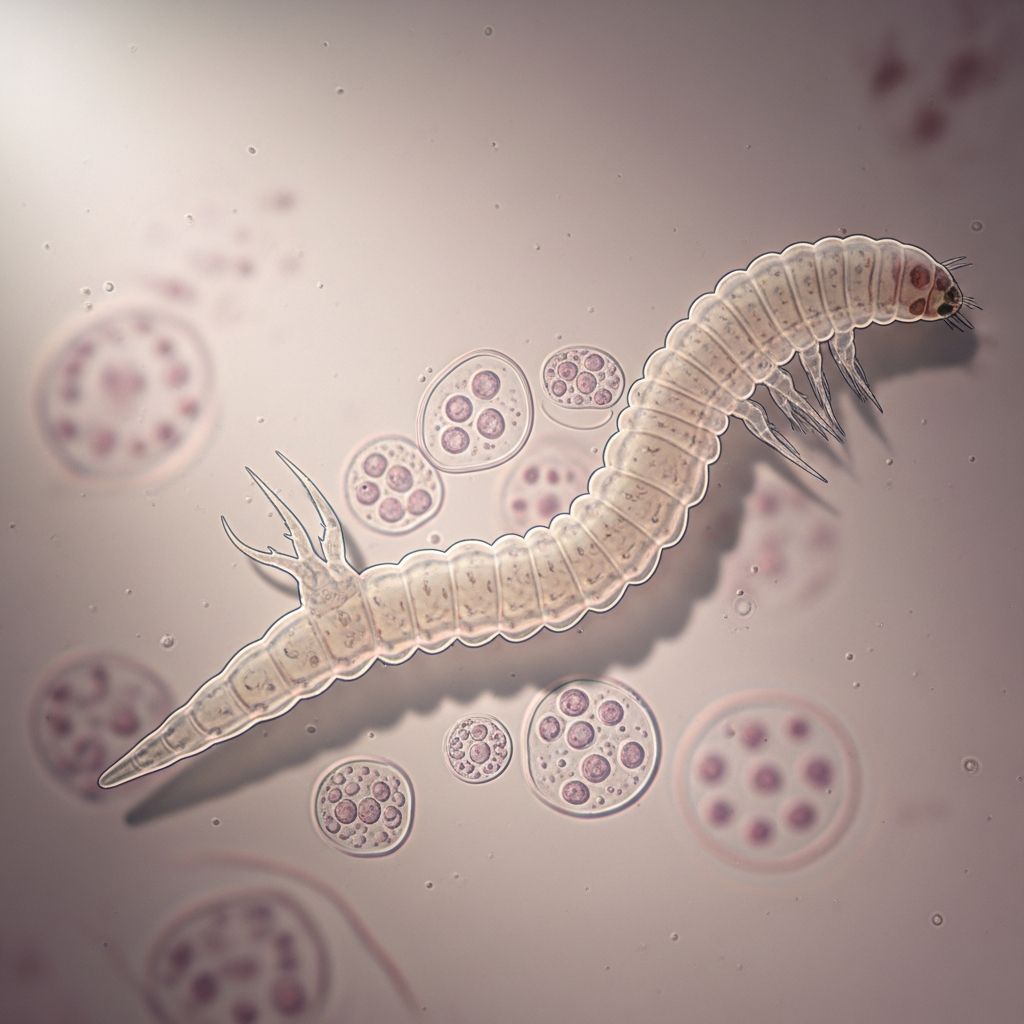
Pinworms: Threadworms and Enterobiasis Overview
Pinworms, scientifically known as Enterobius vermicularis, are parasitic roundworms that affect millions of people worldwide. These parasites are also commonly referred to as threadworms or seatworms, and the infection they cause is termed enterobiasis or, using older terminology, oxyuriasis. Pinworm infestation represents one of the most prevalent parasitic infections globally, with an estimated 1 billion people affected across all social classes, races, and countries. The infection is particularly common among children aged 5 to 14 years, though it can affect individuals of any age.
Pinworm infestation is considered an important public health concern, especially in developing countries with temperate climates where poor socioeconomic conditions, inadequate sanitation, poor personal hygiene, and overcrowding create favorable conditions for transmission. The condition is often overlooked because many infected individuals experience mild or no symptoms at all, with approximately 30 to 40% of infested patients remaining asymptomatic.
Characteristics and Biology of Pinworms
Pinworms belong to the phylum Nematoda and possess distinctive physical characteristics that make them identifiable under examination. These parasites have a characteristic long, thread-like appearance, resembling thin cotton strands, and are typically white-beige in color with a round shape consistent with other roundworms.
The worms are visible to the naked eye, with significant size differences between males and females. Female pinworms measure 9 to 12 millimeters in length, while males are considerably smaller, measuring only 3 to 5 millimeters. The translucent eggs produced by female pinworms have an asymmetrical, elongated oval shape and are visible only under a microscope.
The life cycle of pinworms involves a specific behavioral pattern critical to transmission. At night, female adult pinworms emerge from the anus to deposit eggs onto the skin around the anal area. This nocturnal migration is thought to be the primary cause of the characteristic itching associated with pinworm infections. The eggs are attached to the skin using an adhesive substance, and after exposure to air, the microscopic eggs mature and typically become infectious within a few hours. These eggs can survive for up to two weeks on the skin surface.
Transmission and Spread of Pinworm Infections
Pinworm infections spread primarily through the fecal-oral route, with egg transmission being the dominant mechanism of transmission. The most common pathway involves swallowing the microscopic eggs, which can occur in several ways:
- When an infected person scratches their perianal skin, the eggs become lodged beneath their fingernails and can be deposited on clothing, toys, and furniture
- Infested individuals may ingest the eggs themselves (autoinfection) when biting their nails or putting fingers in their mouth
- Other people can come into contact with pinworm eggs and ingest them unknowingly, though eggs survive only a few days in the environment
- The infection can spread through sharing contaminated clothing, bedding, and other personal objects
- Pinworm infestation can spread during sexual intercourse
- In some cases, eggs may be breathed in through the air
The highly contagious nature of pinworm infections means that reinfection is common, even among households maintaining scrupulous hygiene practices. The infection can be difficult to eradicate, which is why treating all household members simultaneously is often recommended. It is important to note that pets do not carry pinworms, though they may be infected with their own species-specific parasitic worms.
Related Stories



Symptoms and Clinical Manifestations
The presentation of pinworm infection varies considerably among affected individuals, ranging from asymptomatic to symptomatic with varying degrees of severity.
Primary Symptom: The most common symptom caused by pinworms is itching around the anus (pruritus ani). The itchiness tends to be worse at night when the female worms are active on the skin surface, and this nocturnal itching can cause significant trouble sleeping, leading to restless sleep and insomnia.
Genitourinary Involvement: In some cases, adult worms migrate to the vagina instead of returning to the bowel, resulting in itchy vaginitis accompanied by a mucous or blood-stained discharge.
Associated Symptoms: Additional symptoms that may occur include irritability, loss of appetite, and generalized discomfort.
Severe Manifestations: While severe infestations are rare, they can result in abdominal pain, nausea, or vomiting. However, it is crucial to recognize that approximately 40% of infested individuals have minimal symptoms or are completely asymptomatic, meaning they carry the infection without experiencing noticeable symptoms.
Diagnosis of Pinworm Infections
Accurate diagnosis of pinworm infection is essential for appropriate treatment. Several diagnostic methods are available, with the tape test being the most commonly recommended approach.
Visual Inspection: Adult worms can sometimes be seen with the naked eye as thin, white, wriggling threads. Healthcare providers or parents may observe these worms by examining the anus at night or observing the surface of bowel motions.
The Sticky Tape Test: The most reliable diagnostic method is the “sticky tape” test, which involves sticking a piece of clear adhesive tape to the crease of the anus. This test is best performed at night when female worms are most active and depositing eggs. The tape should catch any pinworm eggs present, which can be confirmed by examining the tape under a microscope in a laboratory setting. This simple, non-invasive test has high sensitivity when performed correctly.
Stool Examination: It is important to note that as pinworms and eggs are not usually passed in stool, routine stool examination is not recommended for diagnosis.
Treatment Options for Pinworm Infestation
Pinworm infestation treatment involves both pharmacological and supportive approaches to ensure complete elimination and prevent recurrence.
Medications: The drugs of choice for treating pinworm infestation are highly effective:
- Albendazole (400 mg) – a single dose with high cure rates
- Mebendazole (100 mg) – effective single-dose treatment
- Pyrantel pamoate (11 mg/kg, maximum 1 g) – alternative option
All these medications are given as a single dose and repeated two weeks later to help prevent recurrence of infection. Mebendazole and albendazole are both adulticidal (killing adult worms) and ovicidal (killing eggs), making them particularly effective. Pyrantel pamoate is only adulticidal but remains a viable option, particularly for pregnant women where it is preferred over mebendazole and albendazole.
Household Treatment: Treatment of all household members should be considered simultaneously, especially if there are multiple or repeated symptomatic infections, as reinfection is common even when effective medication is administered.
Supportive Care: After each dose of medication, bed linen should be changed and the bedroom vacuumed thoroughly. Topical treatment of the itch may be required to manage discomfort while awaiting the medication’s full effects.
Natural Resolution: Mild infections can clear by themselves without treatment, though this process may take weeks or longer. However, pharmaceutical treatment is generally recommended to provide faster relief and prevent complications.
Prevention and Hygiene Measures
Preventing pinworm infection and reinfection requires consistent implementation of good hygiene practices. These preventive measures are particularly important for children and in household settings:
- Maintain regular hand washing with soap and warm water, especially after bowel movements and before eating
- Keep fingernails short to prevent eggs from accumulating beneath them
- Avoid finger-sucking, nail-biting, and scratching in the anogenital area
- Take a shower or bath daily to reduce the number of new eggs on the skin surface
- Change underwear every day, with regular changes of night clothes also recommended
- Wash bed linens and clothing in hot water (above 40°C) after treatment and avoid shaking contaminated items to prevent egg dispersal
- Vacuum clean bedrooms daily for several days after treatment to remove eggs from surfaces
- Avoid scratching to prevent direct contact with pinworm eggs and further contamination
These measures are essential for breaking the cycle of reinfection, which is particularly common among young children despite scrupulous hygiene efforts.
Epidemiology and Risk Factors
Pinworm infestation affects approximately 30% of children worldwide, with rates reaching up to 60% in some developing countries. The highest prevalence occurs in children aged 5 to 14 years, though all age groups remain susceptible.
Key predisposing factors include poor socioeconomic conditions, inadequate sanitation, poor personal hygiene practices, and overcrowding. The infection can affect all social classes, races, and countries, making it a truly cosmopolitan parasitosis affecting diverse populations globally.
Frequently Asked Questions About Pinworms
Q: How can I tell if my child has pinworms?
A: The most common sign is itching around the anus, particularly at night. You may also see thin, white worms around the anus or in stool. The sticky tape test, performed at night, is the most reliable diagnostic method and should be examined under a microscope by a healthcare provider.
Q: Can adults get pinworms?
A: Yes, while pinworms are most common in children, adults can also become infected. Infection can occur through contact with infected individuals or contaminated objects. Adults with symptoms should seek diagnosis and treatment, and all household members should be treated simultaneously.
Q: How long does pinworm treatment take?
A: A single dose of medication such as albendazole or mebendazole typically provides relief within days, with a second dose given two weeks later to prevent recurrence. Complete resolution usually occurs within two to four weeks with proper hygiene measures.
Q: Are pinworms dangerous?
A: Pinworms are generally not life-threatening, though they cause significant discomfort. However, severe infestations can occasionally result in abdominal pain, nausea, or vomiting. The primary concern is managing symptoms and preventing spread to other family members.
Q: Can pinworms spread to pets?
A: No, pinworms do not infect pets. However, pets may carry their own species-specific parasitic worms. Focus prevention efforts on personal hygiene and household sanitation rather than pet concerns.
Q: Why do pinworms return after treatment?
A: Reinfection is common due to the short life span of adult pinworms and repeated cycles of autoinfection from contaminated environments or fingernails. A second dose of medication two weeks after the first dose, combined with rigorous hygiene practices, helps prevent recurrence.
References
- Pinworms, threadworms, enterobiasis, oxyuriasis — DermNet NZ. 2024. https://dermnetnz.org/topics/pinworms
- Pinworm (Enterobius Vermicularis) Infestation: An Updated Review — PubMed Central (National Center for Biotechnology Information). 2024. https://pubmed.ncbi.nlm.nih.gov/38288810
- Pinworm Infestations (Chapter 314) — American Academy of Pediatrics. 2024. https://publications.aap.org/pediatriccare/book/348/chapter/5785197/Pinworm-Infestations-Chapter-314
- Pinworm Infection – A Patient’s Guide — Family Doctor. 2024. https://www.familydoctor.co.nz/categories/infections/pinworm-infection-a-patients-guide
- Anal Itching (Pruritus Ani): Causes, Treatment, Home Remedies — Cleveland Clinic. 2024. https://my.clevelandclinic.org/health/diseases/15574-anal-itching-pruritus-ani
- Threadworms — Healthify. 2024. https://healthify.nz/health-a-z/t/threadworms
Similar Articles








Read full bio of Sneha Tete