Pioglitazone
Comprehensive guide to pioglitazone: uses, how it works, dosage, side effects, and key considerations for type 2 diabetes management.
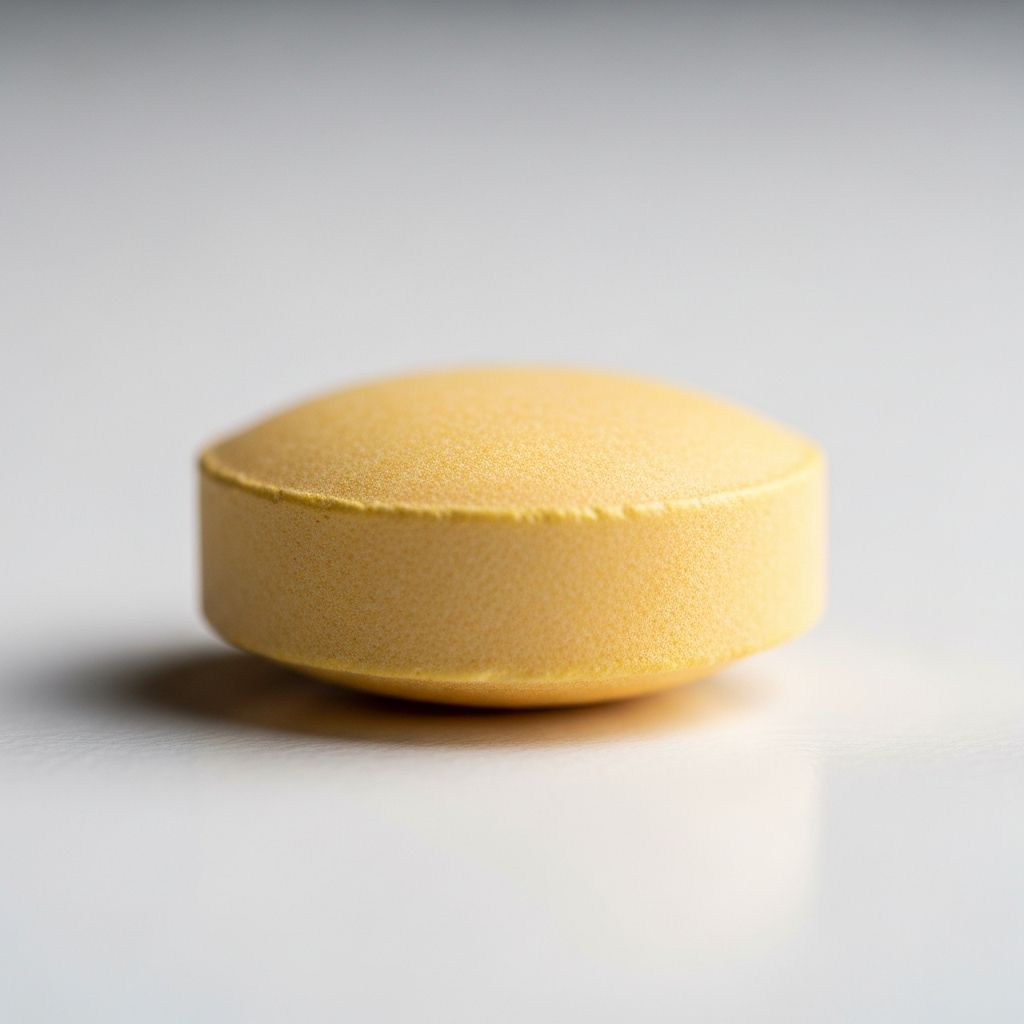
Pioglitazone is an oral antidiabetic medication from the thiazolidinedione (TZD) class, commonly known as glitazones. It is primarily used to help control blood sugar levels in adults with
type 2 diabetes
as an adjunct to diet and exercise. Unlike some other diabetes drugs, pioglitazone does not stimulate insulin production but works by improving the body’s sensitivity to insulin, addressing the core issue of insulin resistance in type 2 diabetes.What is pioglitazone and how does it work?
Pioglitazone, marketed under the brand name Actos, belongs to the thiazolidinedione family of drugs. These medications, also called glitazones, target
insulin resistance
, a hallmark of type 2 diabetes where cells in muscle, fat, and liver do not respond effectively to insulin, leading to elevated blood glucose levels.The drug acts as a selective agonist for
peroxisome proliferator-activated receptor gamma (PPARγ)
, a nuclear receptor abundant in adipose tissue, skeletal muscle, and the liver. By binding to PPARγ, pioglitazone activates the transcription of genes that enhance insulin sensitivity. This results in:- Increased glucose uptake and utilization in peripheral tissues like muscle and fat.
- Reduced hepatic gluconeogenesis (glucose production by the liver).
- Improved lipid metabolism, often lowering triglycerides and increasing HDL cholesterol.
Clinical studies show pioglitazone reduces HbA1c by 0.5% to 1.4% as monotherapy, with greater effects in combination therapy. Its full benefits may take 2-3 months to manifest due to its genomic mechanism of action.
Who can be prescribed pioglitazone?
Pioglitazone is indicated for adults with
type 2 diabetes mellitus
who have inadequate glycemic control despite diet and exercise. It is FDA-approved as monotherapy or in combination with metformin, sulfonylureas (e.g., glimepiride), DPP-4 inhibitors (e.g., alogliptin), or insulin.It is particularly suitable for patients with:
- High insulin resistance, such as those with central obesity (large waist circumference) or non-alcoholic fatty liver disease (NAFLD).
- Need for agents that improve insulin sensitivity without causing hypoglycemia.
- Dyslipidemia, as it favorably affects lipid profiles.
Pioglitazone is not for type 1 diabetes, diabetic ketoacidosis, or patients with severe heart failure.
How is pioglitazone taken?
Pioglitazone tablets are taken once daily, with or without food, at the same time each day to maintain steady levels. Available strengths include 15 mg, 30 mg, and 45 mg.
| Dose | Indication | Notes |
|---|---|---|
| 15-30 mg/day | Starting dose for most patients | Adjust based on glycemic response; max 45 mg/day. |
| 15 mg/day | Patients with heart failure | Lower risk of fluid retention exacerbation. |
| Combination products | e.g., with metformin or glimepiride | Convenient fixed-dose options available. |
Dosage adjustments are made gradually, monitoring HbA1c every 3-6 months. If no response after 6 months, discontinue. No dose adjustment needed for mild-moderate renal impairment, but not recommended in severe cases or dialysis.
Key facts about pioglitazone
- Takes 2 weeks for initial blood sugar drop; full effect in 2-3 months.
- HbA1c reduction: Up to 1.4% monotherapy; more with combinations.
- Low hypoglycemia risk when used alone.
- May cause weight gain (2-4 kg average) due to fluid retention and fat redistribution.
- Improves liver fat in NAFLD patients.
- Available as generic; cost-effective option.
Possible side effects of pioglitazone
Pioglitazone is generally well-tolerated, but side effects occur in many users. Common ones include:
- Weight gain: Average 2-4 kg over a year, from fat accumulation and edema.
- Fluid retention/edema: Swelling in legs/ankles; worsens heart failure.
- Headache, muscle pain, anemia: Mild and transient.
- Bone fractures: Increased risk in women, especially upper arm, hand, or foot.
Serious risks include:
- Heart failure: Can cause or exacerbate; contraindicated in NYHA Class III/IV.
- Bladder cancer: Possible link with long-term use (>1 year); monitor for hematuria.
- Macular edema: Vision changes require ophthalmologic evaluation.
Pioglitazone and other medicines
Pioglitazone has few pharmacokinetic interactions but monitor when combined with:
- Insulin or sulfonylureas: Increased hypoglycemia and edema risk.
- Rifampin, gemfibrozil: Affect pioglitazone levels; dose adjust.
- SGLT2 inhibitors/GLP-1 agonists: May mitigate weight gain and HF risk.
Regularly review concomitant medications for additive effects on fluid balance or glycemia.
Who may not be prescribed pioglitazone?
Contraindications include:
- History of heart failure (NYHA III/IV) or active symptoms.
- Known bladder cancer or active hematuria.
- Severe hepatic impairment (ALT >2.5x ULN).
- Type 1 diabetes or ketoacidosis.
- Pregnancy/breastfeeding (Category C; limited data).
Use cautiously in elderly, those with edema history, or fracture risk.
Alcohol and pioglitazone
Moderate alcohol consumption is generally acceptable but excessive intake can worsen glycemic control and hepatic fat, counteracting benefits. Discuss with healthcare provider.
Pregnancy, breastfeeding and fertility while taking pioglitazone
Not recommended during pregnancy due to potential fetal harm in animal studies. Effective non-drug contraception advised for premenopausal women. Limited data on breastfeeding; avoid or discontinue.
Common questions about pioglitazone
Does pioglitazone cause weight gain? Yes, typically 2-4 kg, from fluid retention and increased fat mass. Combining with weight-neutral agents like SGLT2i helps.
Can pioglitazone cause heart failure? It carries a risk of new/worsening heart failure; monitor weight and symptoms closely.
Is there a link between pioglitazone and bladder cancer? Observational data suggest small risk with prolonged use; stop if blood in urine occurs.
How long does pioglitazone take to work? 2 weeks for initial effects; 2-3 months for maximum glycemic benefit.
Can I take pioglitazone with insulin? Yes, but watch for hypoglycemia and edema; dose adjustments may be needed.
Monitoring and review
Key monitoring includes:
- HbA1c, fasting glucose every 3-6 months.
- Liver enzymes (ALT/AST) periodically.
- Weight, signs of edema/heart failure monthly initially.
- Annual bladder cancer symptoms review; cystoscopy if indicated.
- Bone health in at-risk women.
Discontinue if no HbA1c improvement after 6 months or if adverse effects emerge.
References
- Pioglitazone: Uses, Interactions, Mechanism of Action — DrugBank Online. 2023-10-15. https://go.drugbank.com/drugs/DB01132
- Pioglitazone – StatPearls — NCBI Bookshelf, NIH. 2023-07-24. https://www.ncbi.nlm.nih.gov/books/NBK544287/
- Prescribing pearls: A guide to pioglitazone — Diabetes on the Net. 2022-05-10. https://diabetesonthenet.com/diabetes-primary-care/prescribing-pearls-pioglitazone/
- Pioglitazone: MedlinePlus Drug Information — MedlinePlus, NIH. 2024-01-15. https://medlineplus.gov/druginfo/meds/a699016.html
- ACTOS™ (Pioglitazone Hydrochloride) Tablets Label — FDA. 1999-07-30 (updated). https://www.accessdata.fda.gov/drugsatfda_docs/label/1999/21073lbl.pdf
- Pioglitazone (Actos): Uses, Side Effects, Dosage & More — GoodRx. 2024-02-20. https://www.goodrx.com/pioglitazone/what-is
Similar Articles





Read full bio of medha deb