Pioglitazone Guide: Uses, Dosage, Risks, Safety Tips
Comprehensive guide to pioglitazone: mechanism, dosing, benefits, risks, and patient tips for type 2 diabetes control.
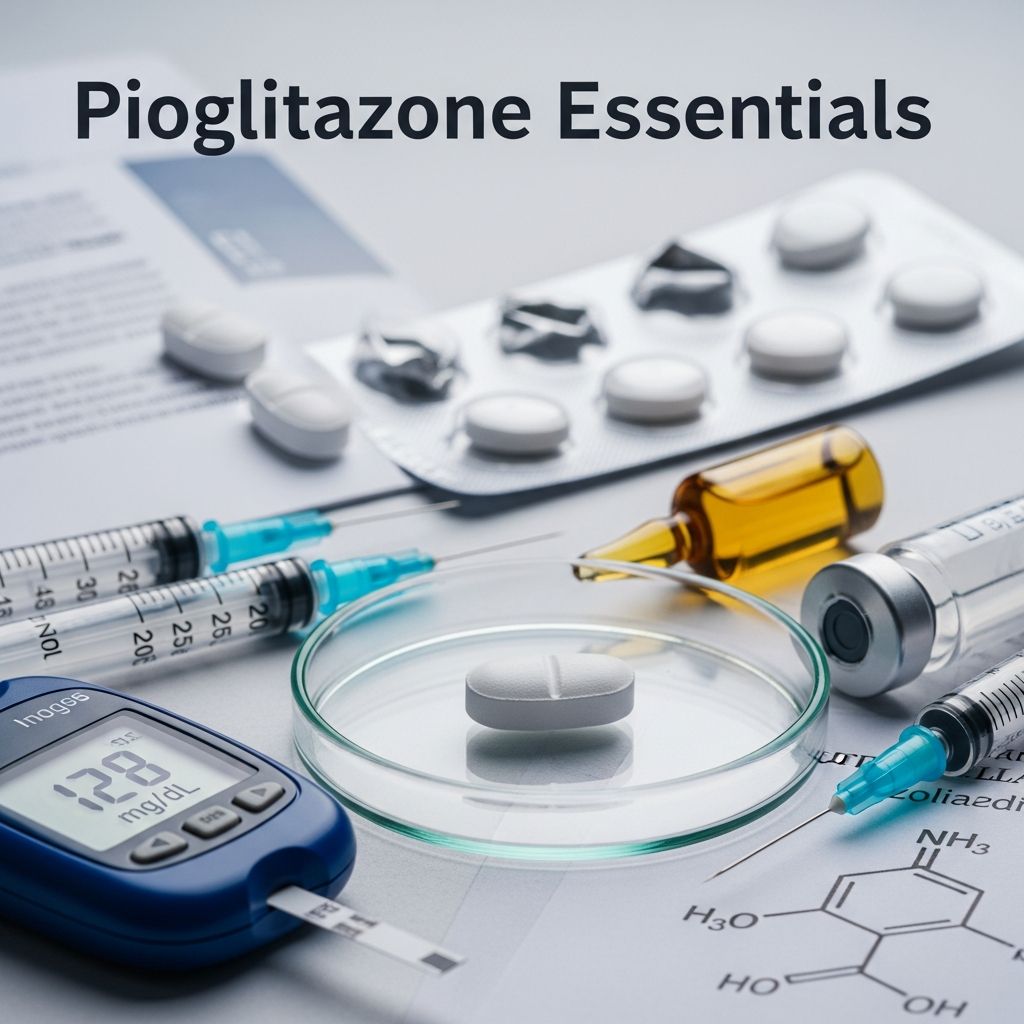
Pioglitazone stands as a cornerstone in the pharmacological arsenal against type 2 diabetes, functioning primarily to enhance the body’s response to insulin. This thiazolidinedione-class drug helps regulate blood glucose levels when combined with lifestyle modifications like diet and exercise. By targeting insulin resistance at its core, it offers a unique approach distinct from other antidiabetic agents that focus on insulin secretion or glucose excretion.
Understanding the Role of Pioglitazone in Diabetes Care
Type 2 diabetes affects millions worldwide, characterized by the body’s inability to use insulin effectively, leading to elevated blood sugar. Pioglitazone addresses this by improving insulin sensitivity in key tissues such as fat, muscle, and liver. Clinical guidelines position it as a second- or third-line option, particularly beneficial for patients with insulin resistance, non-alcoholic fatty liver disease, or those intolerant to other therapies.
Unlike type 1 diabetes, where insulin production fails entirely, type 2 involves sufficient insulin but poor utilization. Pioglitazone does not stimulate insulin release from the pancreas, reducing hypoglycemia risk compared to sulfonylureas. It is FDA-approved solely for type 2 diabetes in adults and should never be used for type 1 or diabetic ketoacidosis.
How Pioglitazone Works: A Deep Dive into Its Mechanism
At the molecular level, pioglitazone acts as a selective agonist for peroxisome proliferator-activated receptor gamma (PPARγ), a nuclear receptor abundant in adipose tissue, skeletal muscle, and liver. Activation of PPARγ triggers transcription of genes that promote glucose uptake and utilization while curbing hepatic gluconeogenesis—the liver’s glucose production process.
This dual action lowers fasting plasma glucose, postprandial glucose spikes, and HbA1c levels by 0.5% to 1.4% as monotherapy. Pioglitazone also exhibits mild PPARα agonism, potentially improving lipid profiles by raising HDL cholesterol and lowering triglycerides, unlike some class mates. The result is better glucose homeostasis without forcing beta cells to overproduce insulin.
| Key Pharmacodynamic Effects | Description |
|---|---|
| Insulin Sensitivity | Increases glucose disposal in muscles and fat |
| Hepatic Glucose Output | Reduces gluconeogenesis |
| Lipid Modulation | Improves HDL, lowers triglycerides |
| HbA1c Reduction | 0.5-1.4% decrease |
Available Forms, Dosage, and Administration Guidelines
Pioglitazone is supplied as oral tablets in 15 mg, 30 mg, and 45 mg strengths, marketed under brand names like Actos or in generics. It is also combined with metformin (Actoplus Met), glimepiride (Duetact), or alogliptin (Oseni) for enhanced efficacy.
Standard starting dose is 15 mg or 30 mg once daily, taken with or without food, due to its 24-hour efficacy despite a 3-7 hour half-life. Maximum dose is 45 mg/day. Adjustments are needed in renal impairment, but no dose change for mild-moderate cases; avoid in severe.
- Monotherapy: Begin at 15-30 mg/day; titrate based on glycemic response every 8-12 weeks.
- Combination Therapy: Reduce doses of insulin or sulfonylureas to prevent hypoglycemia when adding pioglitazone.
- Special Populations: Use caution in elderly; monitor heart failure risk.
Absorption peaks in 2-4 hours, with over 99% protein binding and extensive metabolism via CYP2C8 and CYP3A4. Steady-state effects emerge after 7 days, but full glycemic benefits may take 2-3 months.
Related Stories



Proven Benefits and Clinical Evidence
Pioglitazone shines in long-term glycemic control, preserving beta-cell function and delaying progression to insulin therapy. Studies show sustained HbA1c reductions and potential cardiovascular protection, including reduced myocardial infarction risk in some analyses. It may also ameliorate fatty liver disease by redistributing fat from visceral to subcutaneous depots.
In combination regimens, it synergizes with metformin for superior outcomes. Real-world data confirm its utility in diverse populations, including those with obesity or metabolic syndrome.
Potential Risks and Side Effects
While effective, pioglitazone carries notable risks. Common side effects include weight gain (3-5 kg over a year, due to fluid retention and fat accumulation), edema, and headache. Serious concerns encompass heart failure exacerbation (black box warning: NYHA Class III/IV contraindicated), bone fractures (especially in women), and a potential bladder cancer link with prolonged high-dose use.
Hypoglycemia is rare alone but heightens with insulin or sulfonylureas—symptoms include shakiness, sweating, confusion. Macrovascular event data are mixed; it does not increase myocardial infarction risk per FDA review.
| Side Effect | Frequency | Management |
|---|---|---|
| Edema/Weight Gain | Common (5-15%) | Monitor weight; dose reduce if severe |
| Heart Failure | Serious (1-2%) | Discontinue if symptoms worsen |
| Bone Fractures | Increased risk | Assess bone health; calcium/vit D |
| Bladder Cancer | Rare (long-term) | Discuss risks; hematuria monitoring |
Who Should Avoid Pioglitazone: Contraindications and Precautions
Absolute contraindications include heart failure (NYHA III/IV), active bladder cancer or history, severe hepatic impairment (ALT >2.5x ULN), and type 1 diabetes. Use cautiously in moderate liver disease, elderly, or premenopausal anovulatory women (risk of ovulation resumption and pregnancy).
Pregnancy Category C: avoid unless benefits outweigh risks; not recommended in lactation. Pediatric use lacks approval.
Drug Interactions and Lifestyle Considerations
Pioglitazone’s CYP metabolism invites interactions: strong CYP2C8 inhibitors (gemfibrozil) double exposure—reduce dose to 15 mg; rifampin induces metabolism, potentially lowering efficacy. Avoid with nitrates or insulin in high doses due to fluid retention.
- Beneficial combos: Metformin, DPP-4 inhibitors, SGLT2 inhibitors.
- Monitor with: Statins (myopathy risk), oral contraceptives (efficacy may alter).
Lifestyle synergy is crucial: pair with balanced diet (carb-controlled), 150 min/week aerobic exercise, and weight management to amplify benefits and mitigate weight gain.
Monitoring for Safety and Efficacy
Baseline and periodic checks include HbA1c (every 3 months), liver enzymes (ALT/AST at start, 2-3 months, then annually), hematocrit/hemoglobin (anemia risk), lipids, and renal function. Screen for heart failure signs (dyspnea, edema) and report hematuria promptly.
Bone density assessment may be warranted in at-risk patients after 1 year. Discontinue if jaundice, heart failure develops, or HbA1c rises despite compliance.
Frequently Asked Questions (FAQs)
Can pioglitazone cause weight gain?
Yes, typically 2-4 kg in the first year from fluid and fat; diet and exercise help counteract this.
Is pioglitazone safe for heart patients?
No for advanced heart failure; monitor closely in others as it can worsen fluid retention.
How long until pioglitazone works?
Glucose effects in days, full HbA1c drop in 2-3 months.
Does it increase cancer risk?
Possible bladder cancer signal with >1 year use; discuss with provider.
Can I drink alcohol on pioglitazone?
Moderation advised; excess raises hypoglycemia and liver risks.
Patient Tips for Success with Pioglitazone
To maximize benefits: adhere to dosing schedule, track blood sugar daily initially, maintain consistent meals, report new symptoms swiftly, and attend regular check-ups. Consult providers before OTC meds or supplements. Pioglitazone empowers long-term control when integrated thoughtfully into diabetes management.
References
- Pioglitazone: Uses, Interactions, Mechanism of Action — DrugBank. 2023. https://go.drugbank.com/drugs/DB01132
- Pioglitazone – StatPearls — NCBI Bookshelf. 2023-10-01. https://www.ncbi.nlm.nih.gov/books/NBK544287/
- Pioglitazone (Actos) – Uses, Side Effects, and More — WebMD. 2024. https://www.webmd.com/drugs/2/drug-17406/pioglitazone-oral/details
- Pioglitazone: MedlinePlus Drug Information — MedlinePlus. 2023. https://medlineplus.gov/druginfo/meds/a699016.html
- Pioglitazone Tablets — Cleveland Clinic. 2023. https://my.clevelandclinic.org/health/drugs/19069-pioglitazone-tablets
- Pioglitazone Medication Guide — FDA. 2011-07-13. https://www.accessdata.fda.gov/drugsatfda_docs/label/2011/021073s035MedG.pdf
Similar Articles








Read full bio of Sneha Tete