Pioglitazone Tablets for Diabetes (Actos)
Comprehensive guide to pioglitazone (Actos) for managing type 2 diabetes: uses, dosage, side effects, and essential patient information.
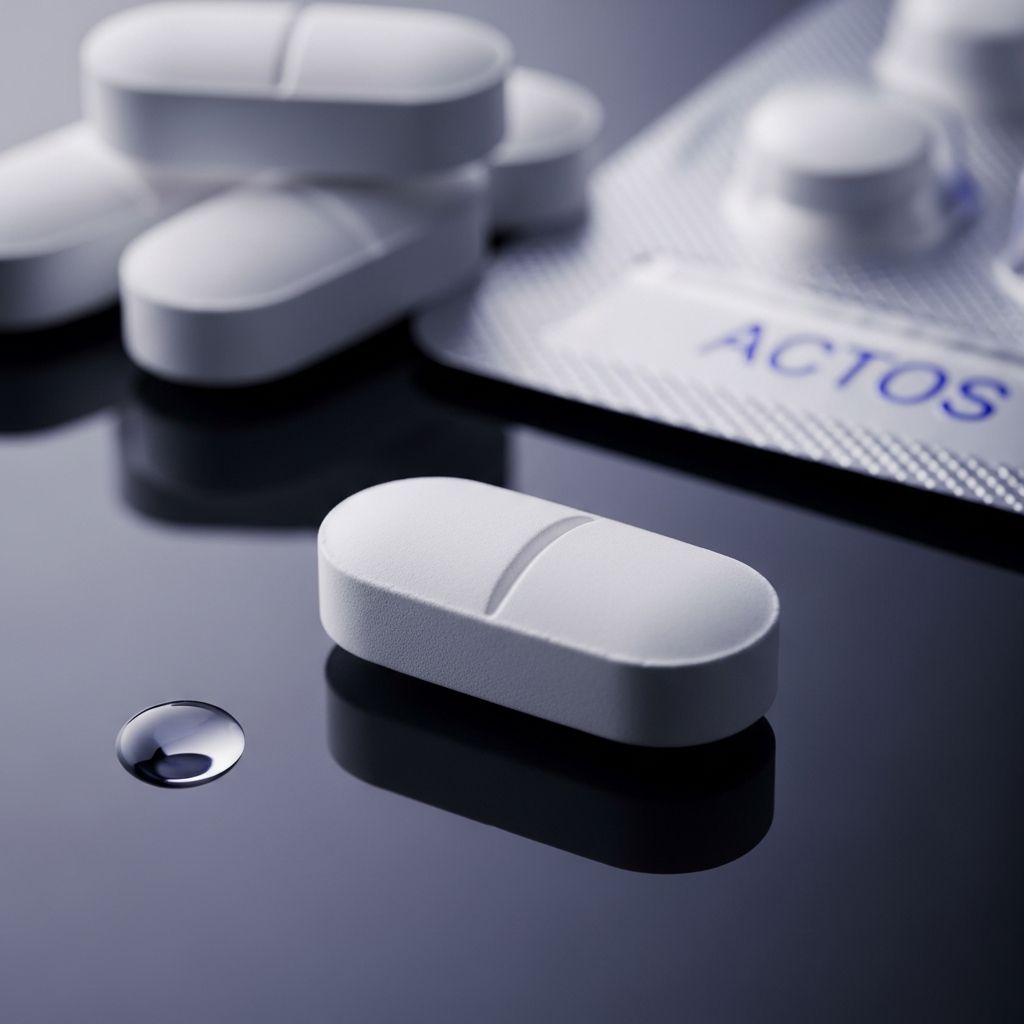
Pioglitazone, commonly known by the brand name
Actos
, is an oral medication belonging to the thiazolidinedione class used to treattype 2 diabetes
in adults. It works by improving the body’s sensitivity to insulin, helping to lower blood sugar levels when combined with diet and exercise.About pioglitazone tablets
Pioglitazone tablets are prescribed to help manage blood glucose in people with type 2 diabetes mellitus. Unlike type 1 diabetes, where the body does not produce insulin, type 2 diabetes involves insulin resistance, where cells do not respond effectively to insulin. Pioglitazone addresses this by acting as a selective agonist for peroxisome proliferator-activated receptor-gamma (PPARγ) in tissues like adipose, muscle, and liver. This activation enhances insulin-responsive gene transcription, improving glucose uptake, utilization, and reducing hepatic gluconeogenesis without stimulating insulin secretion from the pancreas.
Available in strengths of 15 mg, 30 mg, and 45 mg tablets, pioglitazone is taken once daily, with or without food. It is not indicated for type 1 diabetes or diabetic ketoacidosis. Brand names include Actos, and it is also found in combinations like Actoplus Met (with metformin), Duetact (with glimepiride), and Oseni (with alogliptin).
Key facts
- Pioglitazone starts working within 1-2 weeks but may take 2-3 months for full blood sugar lowering effects.
- It can be used alone or with other antidiabetics like metformin, sulfonylureas, or insulin.
- Common side effects include weight gain, edema, headache, and muscle pain.
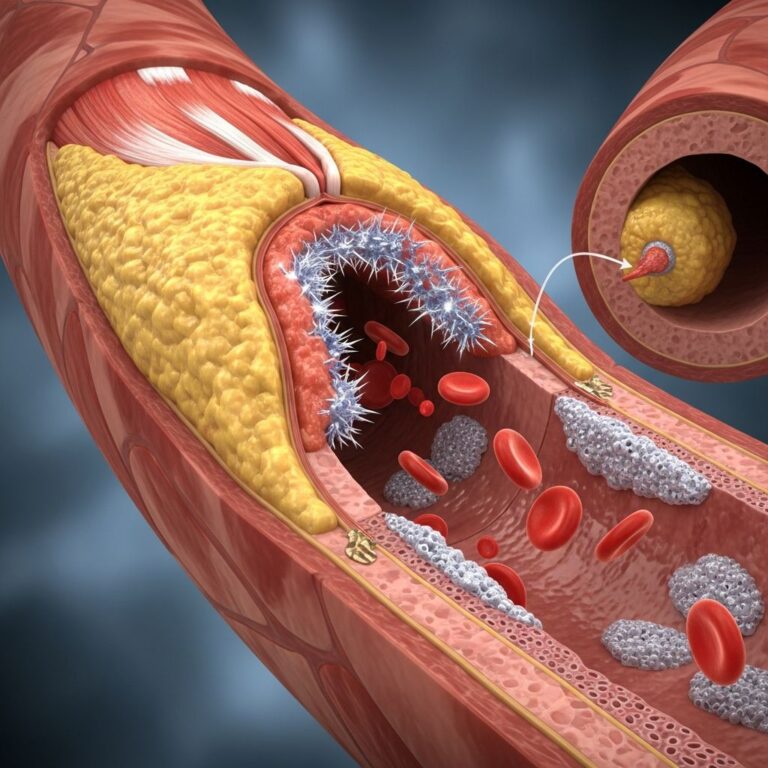
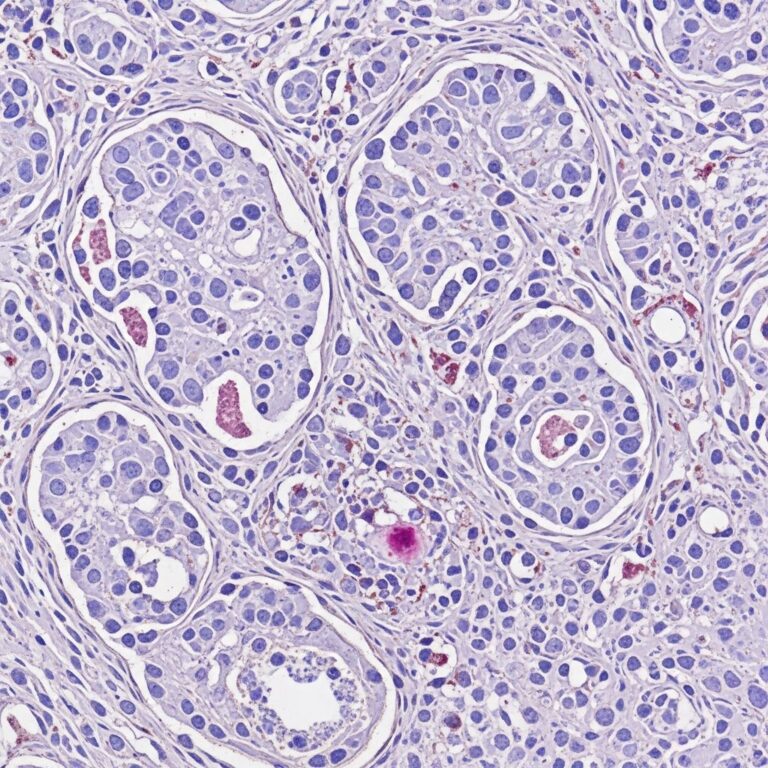
- Serious risks include heart failure worsening, bladder cancer (with long-term use), and bone fractures.
- Not recommended during pregnancy or breastfeeding due to potential fetal harm.
How does pioglitazone work?
Pioglitazone enhances the body’s response to insulin, a hormone that regulates blood sugar. In type 2 diabetes, insulin resistance leads to high blood glucose as sugar remains in the bloodstream instead of entering cells for energy. By activating PPARγ receptors, pioglitazone increases insulin-dependent glucose disposal in muscles and fat, while decreasing glucose production in the liver. This results in lower fasting plasma glucose, postprandial glucose, and HbA1c levels (typically reduced by 0.5-1.4% as monotherapy).
Unlike some diabetes drugs, it does not cause hypoglycemia when used alone, as it does not increase insulin secretion.
When to take pioglitazone
Take pioglitazone once daily at the same time each day, with or without meals, to maintain steady levels. Swallow tablets whole; do not crush or chew. Dosage is individualized: start at 15-30 mg/day, maximum 45 mg/day. Adjustments are based on glycemic control, typically assessed via HbA1c every 3-6 months.
If combined with insulin, reduce insulin dose by 10-25% to avoid hypoglycemia. Monitor closely when starting or increasing doses.
How much to take
Adults: Initial dose 15 mg or 30 mg once daily; may increase to 45 mg if needed. Use lowest effective dose to minimize side effects like edema.
| Patient Profile | Starting Dose | Max Dose |
|---|---|---|
| Monotherapy | 15-30 mg/day | 45 mg/day |
| With sulfonylurea or metformin | 15-30 mg/day | 45 mg/day |
| With insulin | 15-30 mg/day | 45 mg/day (reduce insulin) |
Your doctor will tailor the dose and monitor liver function, heart status, and HbA1c.
Who can and cannot take pioglitazone
Who can take pioglitazone
- Adults over 18 with type 2 diabetes.
- Patients with insulin resistance, NAFLD, or those intolerant to metformin.
Who cannot take it
- People with type 1 diabetes or ketoacidosis.
- Those with heart failure (NYHA Class III or IV).
- Active bladder cancer or history of it.
- Severe liver impairment (ALT >2.5x upper limit).
- Pregnant or breastfeeding women.
How to take pioglitazone
Related Stories



Follow your prescription exactly. If you miss a dose, take it as soon as remembered unless near the next dose—do not double up. Store at room temperature away from moisture.
Lifestyle integration is crucial: pair with a balanced diet low in sugars/carbs and at least 150 minutes weekly exercise.
Common questions about pioglitazone
How long does pioglitazone take to work?
Effects on blood sugar begin in days to weeks, but optimal HbA1c reduction may take 2-3 months.
Can you take pioglitazone with metformin?
Yes, often combined for better control; available as Actoplus Met.
Does pioglitazone cause weight gain?
Yes, due to fluid retention and fat redistribution; monitor weight.
Is pioglitazone safe for kidneys?
No dose adjustment needed for mild-moderate impairment; avoid in severe cases.
Can pioglitazone cause cancer?
Long-term use linked to increased bladder cancer risk; discuss with doctor.
Side effects of pioglitazone
Most side effects are mild, but some are serious. Report persistent issues to your doctor.
Common side effects
- Headache
- Swelling (edema) in legs/ankles
- Weight gain (2-4 kg average)
- Muscle pain
- Cold-like symptoms
- Tooth problems
Serious side effects
- Heart failure: Shortness of breath, rapid weight gain, swelling. Stop and seek help.
- Hypoglycemia: If combined with insulin/sulfonylureas—shakiness, sweating, confusion.
- Liver problems: Jaundice, dark urine, fatigue. Monitor LFTs.
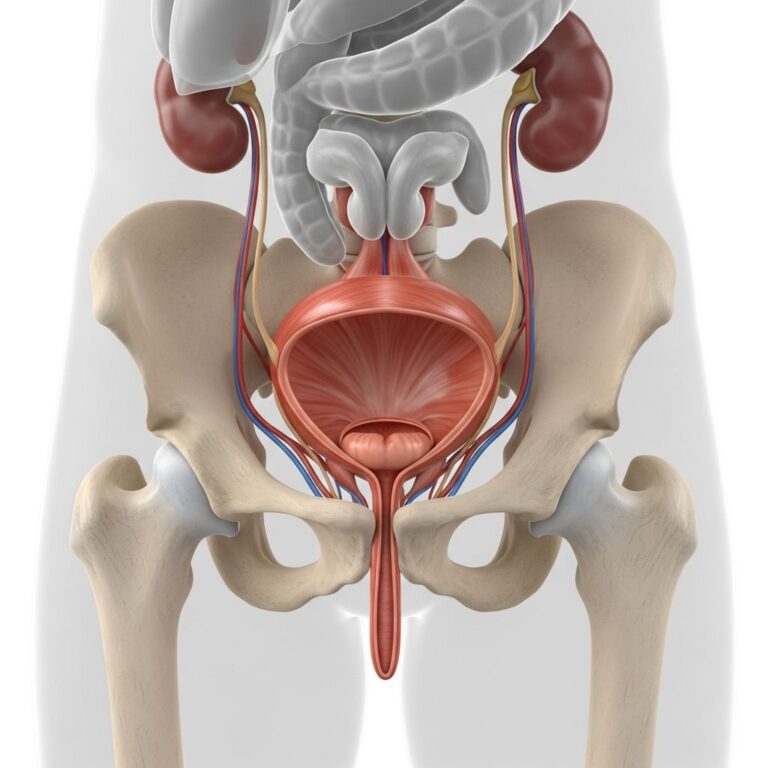
- Bladder cancer: Blood in urine, frequent urination.
- Bone fractures: Especially in women (hip, wrist, spine).
- Macular edema: Vision changes.
If you experience allergic reactions (rash, swelling, breathing difficulty), seek emergency care.
How to cope with pioglitazone side effects
- Edema/weight gain: Reduce salt, elevate legs, report >3% weight gain in 3 days.
- Headache: Rest, hydrate, paracetamol if approved.
- Hypoglycemia: Keep glucose tabs/juice handy; check blood sugar regularly.
- Vision changes: See ophthalmologist promptly.
Regular monitoring includes HbA1c, weight, blood pressure, lipids, liver enzymes, and eye exams.
Pregnancy and breastfeeding
Avoid pioglitazone in pregnancy (Category C); may cause fetal harm. Use effective contraception. Not recommended breastfeeding as it passes into milk.
Other medicines, food, drink, and pioglitazone
Pioglitazone has few interactions but inform your doctor of all meds.
- Other antidiabetics: Increases hypoglycemia risk with insulin/sulfonylureas.
- Rifampicin/ketoconazole: May affect levels.
- Orlistat: May reduce absorption.
- Gemfibrozil: Increases pioglitazone exposure—reduce dose.
- No major food/alcohol interactions, but limit alcohol to avoid hypoglycemia.
Caution with other conditions
- Heart failure: Contraindicated in advanced cases.
- Liver disease: Baseline and periodic LFTs.
- Bladder issues: Monitor for hematuria.
- Osteoporosis: Increased fracture risk.
- Anemia: May lower hemoglobin slightly.
Stopping or switching from pioglitazone
Do not stop abruptly; blood sugar may rise. Taper under supervision, especially if on insulin. Switching requires monitoring to prevent hyperglycemia.
Idiopathic thrombocytopenic purpura (ITP) warning
Rare cases of new/worsening ITP reported; monitor platelet counts if bruising/bleeding occurs.
Frequently Asked Questions (FAQs)
Is pioglitazone the same as metformin?
No, pioglitazone improves insulin sensitivity, while metformin reduces liver glucose production and gut absorption. They are often used together.
Does pioglitazone cause heart problems?
It carries a warning for heart failure exacerbation; not for those with symptoms.
How long should you take pioglitazone?
Often lifelong for type 2 diabetes management, unless lifestyle changes suffice.
Can pioglitazone be crushed?
No, swallow whole.
Is pioglitazone generic available?
Yes, cheaper than brand Actos.
References
- Actos (pioglitazone): Uses, Side Effects, Dosage & More — GoodRx. 2023. https://www.goodrx.com/pioglitazone/what-is
- Pioglitazone: Uses, Interactions, Mechanism of Action — DrugBank. 2024-01-13. https://go.drugbank.com/drugs/DB01132
- Pioglitazone (Actos) – Uses, Side Effects, and More — WebMD. 2024. https://www.webmd.com/drugs/2/drug-17406/pioglitazone-oral/details
- Actos Side Effects and Bladder Cancer Risks — Drugwatch. 2023. https://www.drugwatch.com/actos/
- Pioglitazone Tablets — Cleveland Clinic. 2024. https://my.clevelandclinic.org/health/drugs/19069-pioglitazone-tablets
- Pioglitazone — StatPearls, NCBI Bookshelf. 2023-10-01. https://www.ncbi.nlm.nih.gov/books/NBK544287/
- Pioglitazone — MedlinePlus. 2024. https://medlineplus.gov/druginfo/meds/a699016.html
- ACTOS (pioglitazone) Medication Guide — FDA. 2011-08-18. https://www.accessdata.fda.gov/drugsatfda_docs/label/2011/021073s035MedG.pdf
Similar Articles








Read full bio of Sneha Tete