Piracetam: Comprehensive Guide To Uses, Dosage, Side Effects
Piracetam (Nootropil) treats cortical myoclonus by protecting brain cells from oxygen lack and stabilizing neural activity.
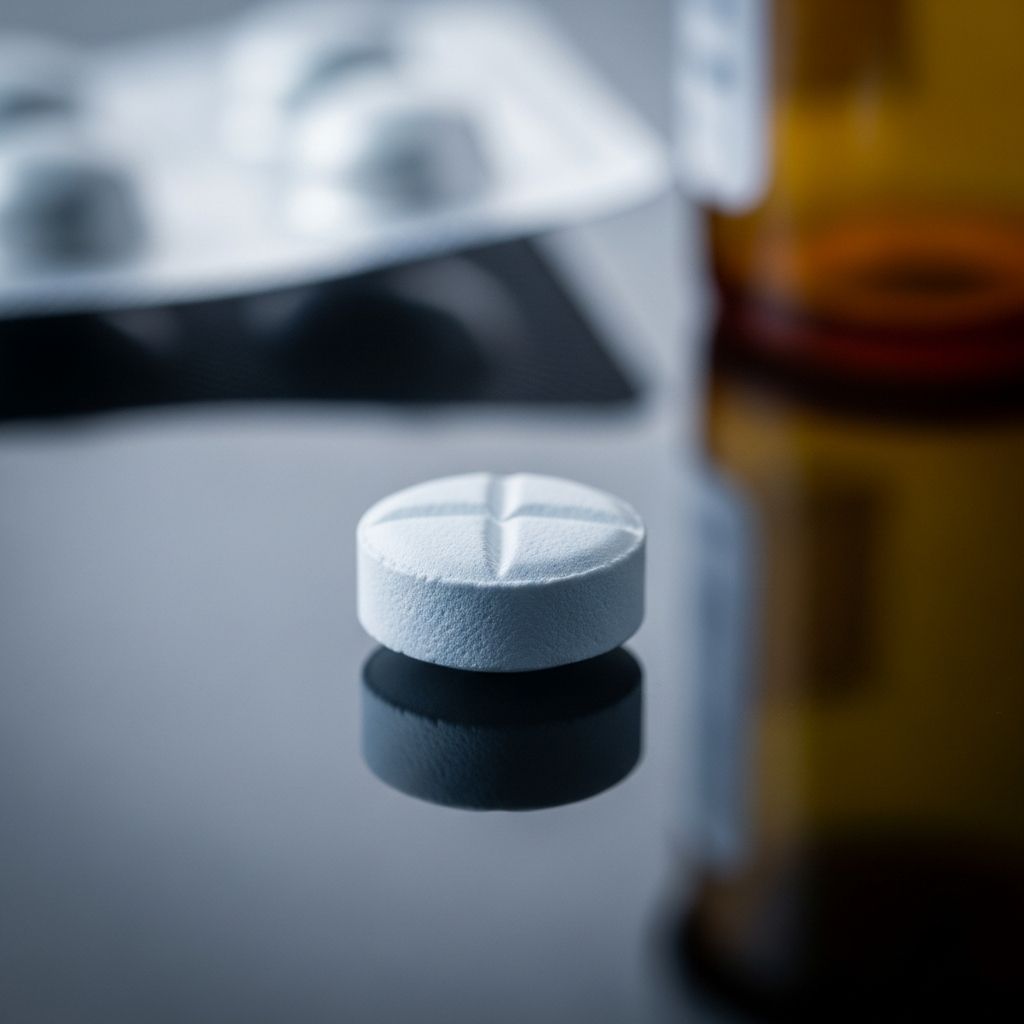
Piracetam, marketed as Nootropil, is a nootropic medication belonging to the group of GABA analogues. It primarily acts on the brain and nervous system to protect against oxygen deprivation, particularly in the cerebral cortex, which governs thoughts, actions, movement, reasoning, perception, and recognition.
About piracetam
| Type of medicine | GABA analogue |
|---|---|
| Used for | To control involuntary jerking movements (cortical myoclonus) |
| Also called | Nootropil® |
| Available as | Tablets (800 mg film-coated) |
Piracetam is indicated in combination with other antimyoclonic therapies for treating cortical myoclonus, a condition characterized by sudden, involuntary muscle jerks or twitches, especially in the arms and legs, caused by nervous system dysfunction. Unlike typical sedatives, piracetam enhances cognitive processes such as learning, memory, attention, and consciousness without causing sedation or psychostimulant effects.
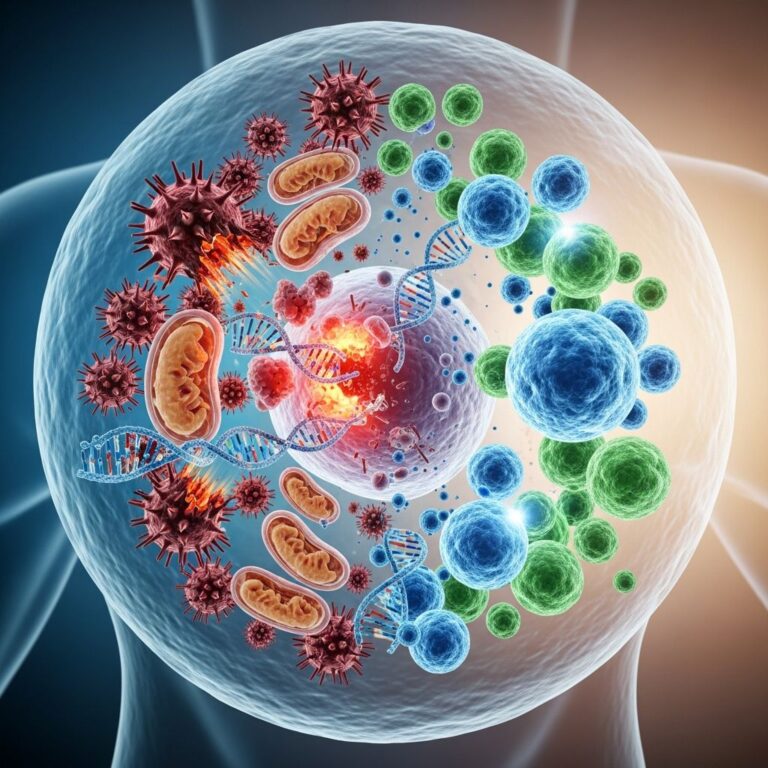
Its mechanism involves modulating neurotransmission in cholinergic, serotonergic, noradrenergic, and glutamatergic systems by increasing postsynaptic receptor density and stabilizing membrane fluidity. This promotes neuroplasticity, offers neuroprotection against hypoxia, and improves microcirculation by reducing erythrocyte adhesion and vasospasms. Clinical evidence supports its use in myoclonus, with additional documented efficacy in cognitive disorders, vertigo, dyslexia, and sickle cell anemia, though not all applications are fully established.
How to take piracetam
Always follow your doctor’s instructions and read the manufacturer’s patient information leaflet (PIL) before starting treatment. Piracetam tablets are taken orally with or without food, swallowed whole with water.
Dosage guidelines
- Adults: Start with 7.2 g daily (9 x 800 mg tablets) in two to three divided doses. Increase by 4.8 g (6 tablets) every 3-4 days until the optimal dose, typically 12-20 g daily (15-25 tablets), divided into 2-3 doses. Maximum daily dose is 24 g (30 tablets).
- Continuation therapy: Use the lowest effective dose, often two-thirds of the dose that achieved maximum benefit.
- Treatment duration: Continue as prescribed; abrupt discontinuation may worsen myoclonus. Taper gradually under medical supervision.
- Children (under 16 years): Safety and efficacy not established; use only if clearly necessary.
- Elderly: Start at lower doses due to potential age-related kidney function decline; monitor renal function.
- Kidney impairment: Contraindicated in severe cases (creatinine clearance <20 mL/min). Dose adjustments needed for mild-moderate impairment; consult doctor.
If a dose is missed, take it as soon as remembered unless near the next dose. Do not double up. Overdose may cause diarrhea, abdominal pain, or other GI issues; seek immediate medical help.
Who can and cannot take piracetam
Piracetam is not suitable for everyone. Do not take if:
- You are allergic (hypersensitive) to piracetam or any ingredients (e.g., macrogol 6000, colloidal anhydrous silica, magnesium stearate, croscarmellose sodium, hypromellose, titanium dioxide, macrogol 400).
- You have severe kidney problems.
- You have Huntington’s disease (Huntington’s chorea).
- You have experienced cerebral hemorrhage (brain bleed).
- You have a history of hypersensitivity to pyrrolidone derivatives.
Take special care (consult your doctor if):
Related Stories



- You have kidney issues (may require dose adjustment or monitoring).
- You are elderly (risk of reduced kidney function).
- You are on a low-sodium diet (high doses >15 tablets/day contain up to 43.8 mg sodium, equivalent to 2.19% of adult daily intake).
- You have bleeding risks or are on anticoagulants (piracetam affects platelet function).
Pregnancy and breastfeeding: Limited data; only use if benefits outweigh risks. Not recommended during pregnancy unless essential.
How and when to take piracetam
Tablets can be taken anytime, with or without food, but consistency aids adherence. Divide doses evenly to maintain steady levels. For myoclonus control, long-term use is common alongside other therapies like clonazepam or valproate.
Treatment monitoring: Regular check-ups assess efficacy and side effects. Kidney function tests may be needed periodically.
Side effects of piracetam
Most people tolerate piracetam well, but side effects can occur. Common ones often resolve as your body adjusts.
| Common side effects | What to do |
|---|---|
| Weight gain | Maintain a balanced diet with fruits and vegetables. |
| Nervousness, shakiness, anxiety, agitation | Speak to your doctor if persistent. |
| Sleepiness or insomnia | Avoid driving or operating machinery; adjust timing if sleepless. |
| Headache, vertigo, weakness | Usually mild; monitor and report if severe. |
| GI issues (stomach pain, diarrhea, nausea) | Take with food; consult pharmacist. |
Serious side effects (seek urgent medical help):
- Allergic reactions: difficulty breathing, swelling, fever, rash, itching.
- Bleeding (e.g., nosebleeds) due to clotting defects.
- Worsening seizures, hallucinations, ataxia (unsteadiness), confusion, depression, restlessness.
Report side effects to your doctor or via the Yellow Card Scheme (MHRA). Not everyone experiences side effects.
How piracetam works
Piracetam, a cyclic GABA derivative, differs from endogenous GABA in action. It restores membrane fluidity in neurons and platelets, enhancing neurotransmission without direct receptor binding (Ki >10 μM).
- Neuronal level: Boosts NMDA receptor density (e.g., +20% in aging mice), promotes neuroplasticity (e.g., +20% synapses in alcohol-damaged hippocampus), protects against hypoxia, toxins, and seizures.
- Vascular level: Reduces red blood cell adhesion, prevents vasospasms, improves cerebral/renal microcirculation.
- Overall: Neuroprotective, anticonvulsant; improves cognition in impaired states (dementia, dyslexia).
Common questions about piracetam
Frequently Asked Questions (FAQs)
Is piracetam safe for long-term use?
Yes, for cortical myoclonus under medical supervision, with regular monitoring. Abrupt stopping can worsen symptoms.
Can piracetam be used for cognitive enhancement in healthy people?
It’s not approved for this; evidence is stronger in impaired cognition. Consult a doctor; not a substitute for lifestyle measures.
Does piracetam interact with other drugs?
May enhance thyroxine effects (monitor T3/T4); caution with anticoagulants due to bleeding risk. Inform your doctor of all medications.
What if I forget a dose?
Take it soon as remembered unless near next dose. Never double dose.
Is piracetam available over-the-counter?
No, prescription-only in regions like Europe; not approved as drug/supplement in the US.
Storage and disposal
Store below 30°C in original packaging, away from moisture and children. Do not use after expiry. Dispose of unused tablets via pharmacy take-back programs.
Further information
Each 800 mg tablet contains piracetam as active ingredient. Consult your healthcare provider for personalized advice. For myoclonus, piracetam is adjunctive therapy.
References
- Nootropil® 800 mg film-coated Tablets – Summary of Product Characteristics (SmPC) — UCB Pharma Limited (via medicines.org.uk). 2023-10-18. https://www.medicines.org.uk/emc/files/pil.101129.pdf
- Piracetam (Nootropil) — Patient.info. 2024-01-15. https://patient.info/medicine/piracetam-nootropil
- Piracetam: Uses, Interactions, Mechanism of Action — DrugBank Online. 2025-06-12. https://go.drugbank.com/drugs/DB09210
- Piracetam: A Review of Pharmacological Properties and Clinical Uses — National Center for Biotechnology Information (PMC). 2019-09-30. https://pmc.ncbi.nlm.nih.gov/articles/PMC6741724/
- Piracetam – Uses, Side Effects, and More — WebMD. 2025-03-22. https://www.webmd.com/vitamins/ai/ingredientmono-1597/piracetam
Similar Articles








Read full bio of Sneha Tete