Pitted Keratolysis: 5 Effective Treatments And Prevention Tips
Discover causes, symptoms, treatments, and prevention for this common bacterial foot infection causing pits and odor.
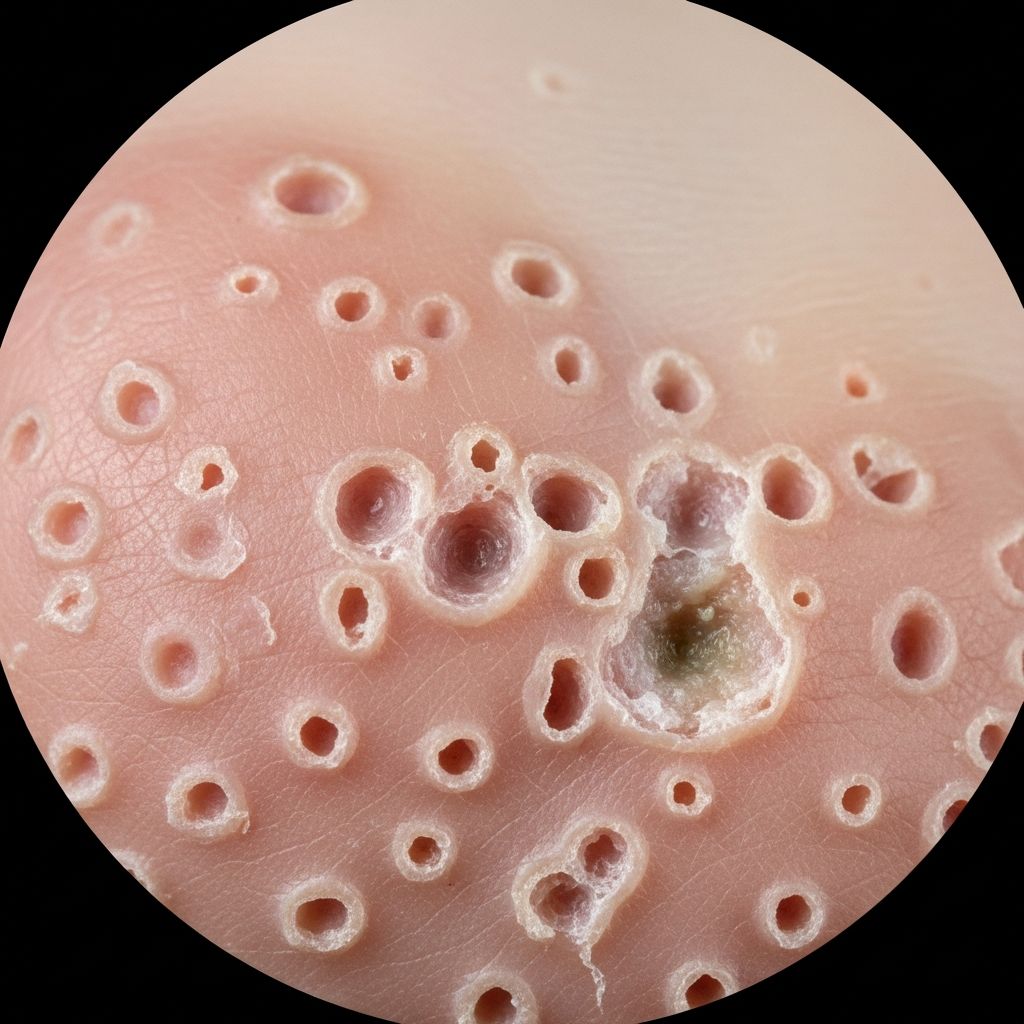
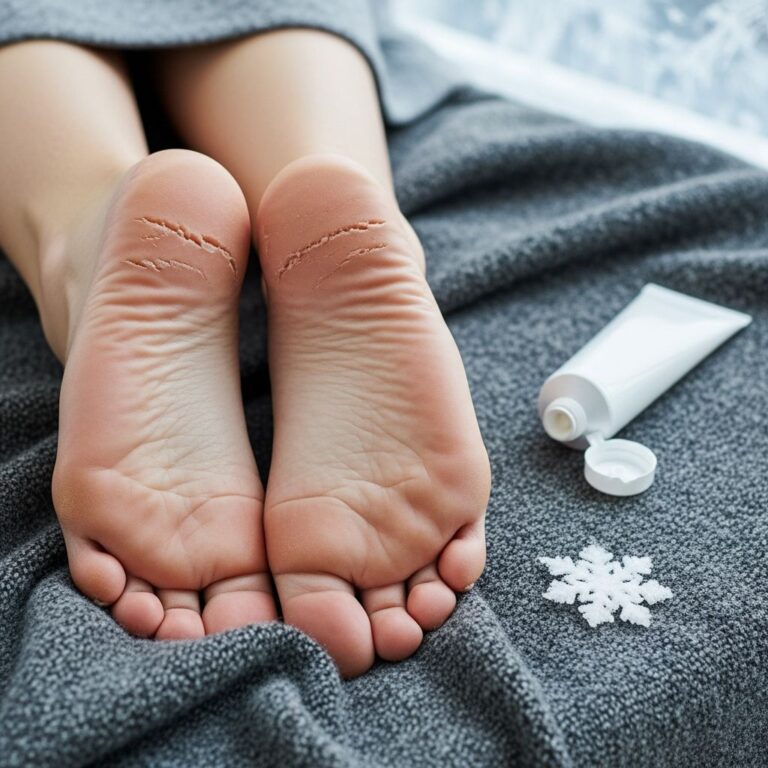
Pitted keratolysis is a common bacterial skin infection primarily affecting the soles of the feet, though it can also impact the palms of the hands. Characterized by small, punched-out pits in the skin’s outer layer, it often leads to a foul odor and is more prevalent in individuals who wear occlusive footwear for extended periods.
This condition arises from bacteria that thrive in warm, moist environments, breaking down the stratum corneum—the outermost skin layer—through protease enzymes. While typically asymptomatic beyond odor and visible pits, it can cause discomfort like itching or burning during activity. Understanding pitted keratolysis is crucial for those in high-risk occupations such as athletes, soldiers, farmers, or industrial workers, where enclosed shoes promote bacterial growth.
Early recognition and intervention can resolve symptoms quickly, often within 3-4 weeks with proper treatment. This article covers everything from symptoms and causes to diagnosis, treatment options, prevention strategies, and frequently asked questions, drawing from credible medical insights to empower informed foot care.
What Is Pitted Keratolysis?
Pitted keratolysis, sometimes called ‘holes in the feet’ or ‘arch dermolysis,’ is a superficial bacterial infection targeting keratinized skin areas under pressure, like the balls and heels of the feet. It derives its name from the characteristic craters or pits (0.5-7 mm in diameter) that form due to bacterial degradation of the epidermis.
Though not inflammatory, the infection produces sulfur compounds responsible for the distinctive malodor, exacerbated by sweat. It predominantly affects males and is linked to hyperhidrosis (excessive sweating), but anyone in moist footwear environments is susceptible. The palms are less commonly involved but show similar pitting when affected.
Clinically, pits become more prominent when skin is wet, distinguishing it from fungal infections like tinea pedis. Dermoscopy may reveal bacterial colonies within pits, aiding precise identification. Unlike deeper infections, pitted keratolysis remains confined to the skin’s surface, making it highly treatable with hygiene and antibiotics.
Symptoms of Pitted Keratolysis
Most cases of pitted keratolysis are asymptomatic, but when symptoms appear, they center on the feet’s weight-bearing areas. Key signs include:
- Small pits or depressions: Clusters of 0.5-7 mm ‘punched-out’ craters on soles, heels, or toes, more visible when wet.
- Foul foot odor: Sulfur-like smell from bacterial byproducts, worsening with sweat.
- Maceration and erosions: Softened, whitish skin with superficial craters, sometimes cerebriform (brain-like).
- Redness in some variants: Affected areas may appear erythematous.
- Itching or burning: Soreness during walking, though rare.
Pits can coalesce into larger lesions if untreated. Hand involvement mirrors foot symptoms but is rarer. No systemic symptoms like fever occur, as it’s a localized infection. Prompt attention prevents progression and embarrassment from odor.
Causes and Risk Factors
Pitted keratolysis stems from overgrowth of specific gram-positive bacteria that produce keratin-digesting enzymes. Primary culprits are:
Related Stories



- Kytococcus sedentarius (formerly Micrococcus sedentarius), the most common.
- Corynebacterium spp..
- Dermatophilus congolensis.
- Actinomyces and Streptomyces spp., less frequently.
These microbes flourish in occluded, humid conditions. Risk factors include:
| Risk Factor | Description |
|---|---|
| Occlusive footwear | Wearing tight, non-breathable shoes/socks traps moisture, ideal for bacteria. |
| Hyperhidrosis | Excessive foot sweating promotes proliferation. |
| Occupations | Athletes, military personnel, farmers, sailors, industrial workers. |
| Poor hygiene | Not drying feet post-bath, sharing towels. |
| Hot/humid climates | Increases sweat and occlusion. |
Bacteria degrade the stratum corneum, forming pits, while volatile sulfur compounds cause odor. It’s not contagious person-to-person but thrives individually in predisposing environments.
How Is Pitted Keratolysis Diagnosed?
Diagnosis is primarily clinical, based on history and characteristic pitting, especially post-soaking. Providers confirm via:
- Visual exam: Punched-out pits on pressure points.
- Wood’s lamp: May show coral-red fluorescence if Corynebacterium involved; often negative.
- Skin scraping/swab: Microscopic exam for bacteria/parasites; KOH prep rules out fungus.
- Culture: Identifies gram-positive coccobacilli if needed.
- Dermoscopy: Reveals pit walls and colonies.
Consult a dermatologist if self-diagnosis is uncertain, as it mimics athlete’s foot or psoriasis. Early diagnosis averts chronicity.
Treatment Options for Pitted Keratolysis
Treatment combines hygiene, drying agents, and antibiotics, resolving most cases in 3-4 weeks.
- Topical antibiotics (first-line): Clindamycin 1% solution BID, erythromycin 1% gel/solution, mupirocin 2%, fusidic acid.
- Antiperspirants: Aluminum chlorohydrate 25% or Drysol to reduce sweat.
- Benzoyl peroxide: Adjunct for antibacterial action.
- Botulinum toxin (Botox) injections: For severe hyperhidrosis, reduces sweating.
- Iontophoresis: Electrical sweat reduction in recalcitrant cases.
Avoid self-treatment; prescription ensures efficacy. Combine with lifestyle changes for best outcomes.
Prevention Tips
Prevent recurrence by minimizing moisture:
- Wear breathable shoes/socks; rotate pairs daily.
- Use absorbent, moisture-wicking socks; change frequently.
- Dry feet thoroughly post-bath/shower.
- Apply antiperspirants nightly.
- Avoid barefoot in public moist areas; don’t share towels.
- Opt for leather shoes over synthetics.
These habits keep skin dry, curbing bacterial growth.
Outlook and Complications
Prognosis is excellent; symptoms clear rapidly with treatment. Recurrence is common without prevention, but no scarring or long-term damage occurs. Rare complications include secondary infection if eroded. Monitor for persistence beyond 4 weeks.
Frequently Asked Questions (FAQs)
What causes the smell in pitted keratolysis?
The odor results from sulfur compounds produced by bacteria like Kytococcus sedentarius.
Is pitted keratolysis contagious?
No, it’s not spread person-to-person; it depends on individual moisture/hygiene.
How long does treatment take?
Typically 3-4 weeks with antibiotics and hygiene.
Can it affect hands?
Yes, though feet are far more common.
Does pitted keratolysis go away on its own?
It may improve with drying, but antibiotics speed resolution and prevent return.
References
- Pitted Keratolysis: Treatment, Symptoms, Hands, and More — Healthline. 2023-04-11. https://www.healthline.com/health/pitted-keratolysis
- Pitted keratolysis: an infective cause of foot odour — PMC – NIH. 2015-03-27. https://pmc.ncbi.nlm.nih.gov/articles/PMC4401600/
- Pitted keratolysis: Causes, symptoms, and how to treat it — Medical News Today. 2023-10-12. https://www.medicalnewstoday.com/articles/326911
Similar Articles








Read full bio of Sneha Tete