Pitting Oedema: Comprehensive Guide To Causes And Treatment
Understand the causes, grading, diagnosis, and management of pitting oedema, a common sign of fluid retention in tissues.
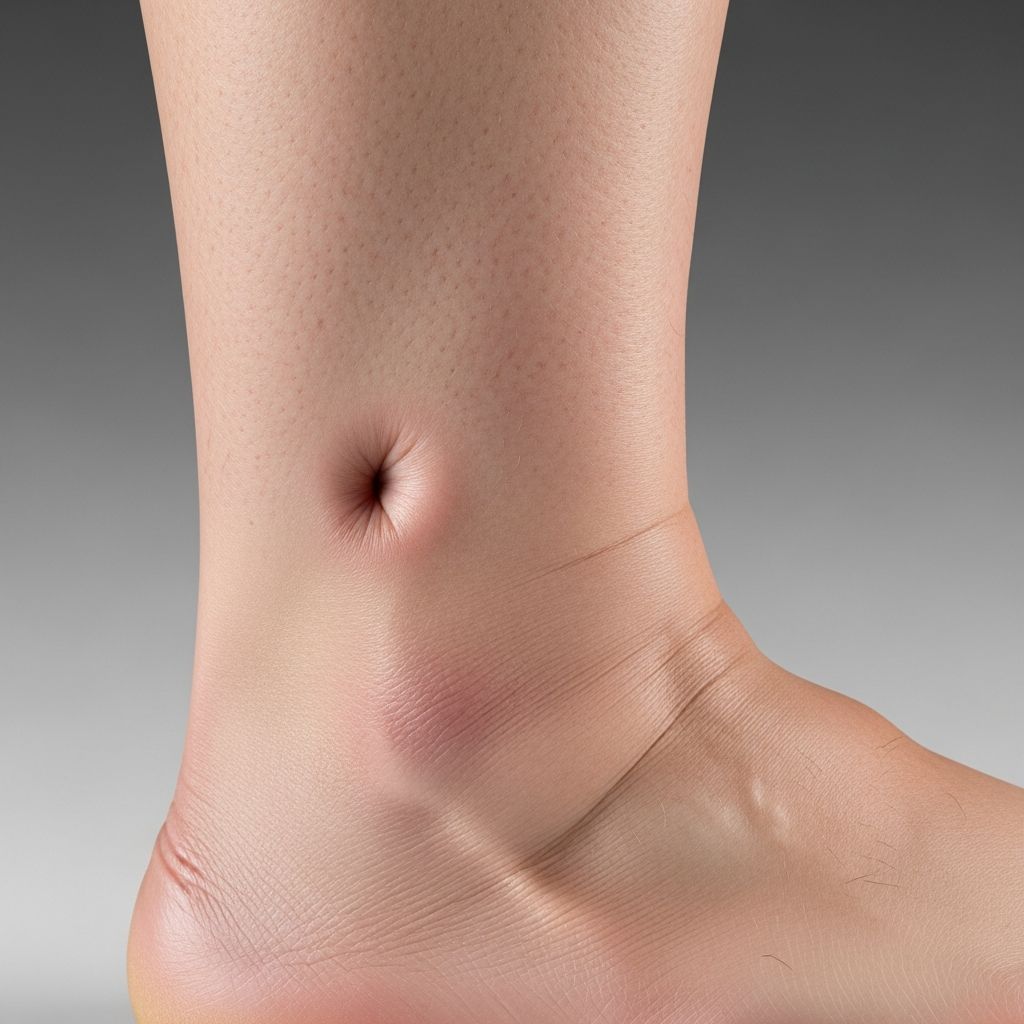
Pitting oedema, also known as pitting edema, is a specific type of swelling characterized by the retention of an indentation or ‘pit’ in the skin after direct pressure is applied. This occurs due to the accumulation of excess interstitial fluid in the subcutaneous tissues, typically resulting from systemic conditions affecting fluid balance. It is most commonly observed in dependent areas such as the legs, ankles, and feet but can affect other body parts including the hands, arms, and face. Unlike non-pitting oedema, which rebounds immediately, pitting oedema indicates transudative fluid with low protein content, often linked to increased capillary hydrostatic pressure or reduced oncotic pressure.
What is pitting oedema?
Pitting oedema arises when fluid builds up in the tissues faster than the lymphatic system can drain it away. Normally, a balance exists between fluid entering and leaving the interstitial spaces, regulated by Starling’s forces: hydrostatic pressure pushing fluid out of capillaries, oncotic pressure pulling it back, and lymphatic drainage. Disruption leads to oedema. In pitting oedema, the fluid is low in proteins (transudate), allowing the skin to deform under pressure and slowly reform. This contrasts with high-protein exudates in inflammatory conditions, which cause non-pitting oedema.
Commonly graded on a scale from 1+ to 4+, pitting oedema severity is assessed by the depth and duration of the pit after pressing for 5 seconds. For instance, 1+ is a slight pit of 2 mm that disappears rapidly, while 4+ is a deep pit over 8 mm lasting over 2 minutes. It is frequently bilateral and symmetrical in systemic diseases but may be unilateral in local issues like deep vein thrombosis (DVT).
Who gets pitting oedema?
Pitting oedema affects individuals across all ages but is more prevalent in those with risk factors disrupting fluid homeostasis. Key groups include:
- Patients with heart failure, where reduced cardiac output leads to elevated venous pressure.
- Individuals with chronic kidney disease or nephrotic syndrome, causing protein loss and hypoalbuminaemia.
- Those with liver cirrhosis, impairing albumin synthesis.
- Pregnant women, due to hormonal changes and uterine compression on veins.
- Elderly or immobile people from prolonged standing/sitting, obesity, or venous insufficiency.
- People on medications like calcium channel blockers, NSAIDs, steroids, or hormones.
Risk increases with high-salt diets, sedentary lifestyles, and conditions like emphysema or thyroid disease. Anyone can develop it, but prompt evaluation is crucial as some causes demand urgent care.
What causes pitting oedema?
The causes are broadly classified into local and systemic. Local factors involve venous or lymphatic obstruction in one limb, while systemic ones affect the whole body.
Local causes
- Deep vein thrombosis (DVT): Blood clot blocking venous return, often with calf pain and unilateral swelling.
- Cellulitis: Bacterial skin infection causing acute inflammation and fluid leakage.
- Trauma or injury: Leading to localized inflammation.
- Insect bites/stings: Triggering allergic responses.
Systemic causes
| Category | Examples | Mechanism |
|---|---|---|
| Cardiac | Congestive heart failure, cor pulmonale | Increased venous pressure from poor pumping. |
| Renal | Nephrotic syndrome, chronic renal failure | Proteinuria lowers oncotic pressure; fluid overload. |
| Hepatic | Cirrhosis, portal hypertension | Hypoalbuminaemia and portal congestion. |
| Nutritional | Malnutrition, protein deficiency | Low albumin levels. |
| Vascular | Venous insufficiency, varicose veins | Valve incompetence causes reflux. |
| Other | Pregnancy, drugs (e.g., amlodipine), myxoedema | Hormonal/sodium retention or capillary leak. |
Related Stories



Idiopathic cases or dependency oedema from prolonged sitting/standing are milder. Critical causes like pulmonary oedema or DVT require immediate attention if accompanied by dyspnoea or unilateral pain.
What are the clinical features of pitting oedema?
The hallmark is a persistent dent after pressing the swollen area for 5 seconds with a thumb. Affected skin appears stretched, shiny, and taut, with possible heaviness or aching. Associated features depend on the cause:
- General: Puffiness, weight gain, reduced mobility, tight shoes/socks.
- Cardiac: Orthopnoea, paroxysmal nocturnal dyspnoea, jugular venous distension.
- Renal: Oliguria, hypertension, frothy urine.
- Hepatic: Ascites, jaundice, spider naevi.
- Venous: Varicose veins, pigmentation, ulcers.
- Red flags: Sudden onset, unilateral swelling, chest pain, shortness of breath, fever—seek emergency care.
Pitting oedema grading scale
Clinicians use a standardized 1+ to 4+ scale to quantify severity:
| Grade | Pit Depth | Duration | Description |
|---|---|---|---|
| 1+ | ~2 mm | <15 sec | Minimal, barely perceptible. |
| 2+ | 4 mm | 15-30 sec | Mild-moderate. |
| 3+ | 6 mm | 1 min | Moderate-severe. |
| 4+ | 8 mm+ | >2 min | Very severe, deep pit. |
This aids tracking treatment response and is performed on the most dependent area, like the shin or sacrum.
How is pitting oedema diagnosed?
Diagnosis starts with history (onset, duration, medications, comorbidities) and physical exam, including pitting test and checking for asymmetry, heart/lung sounds, and abdominal signs. Investigations include:
- Blood tests: Renal/hepatic function, albumin, BNP for heart failure, full blood count.
- Urine: Proteinuria, microscopy.
- Imaging: Chest X-ray, echocardiogram, leg Doppler ultrasound for DVT.
- Other: ECG, albumin levels, sometimes biopsy if chronic.
Differentiate from non-pitting (lymphedema, myxoedema) via the test. Urgent referral if systemic symptoms present.
What is the treatment for pitting oedema?
Treatment targets the underlying cause while providing symptomatic relief:
- General measures: Elevate limbs above heart level, low-salt diet (<2g/day), compression stockings (20-30 mmHg).
- Diuretics: Loop diuretics like furosemide for fluid overload in heart/kidney failure; monitor electrolytes.
- Specific: Treat heart failure (ACE inhibitors), anticoagulants for DVT, albumin infusions for hypoalbuminaemia.
- Lifestyle: Exercise, weight loss, avoid constrictive clothing.
Mild cases resolve with conservative care; severe require specialist input. Vascular surgery for chronic insufficiency.
What is the outcome for pitting oedema?
Prognosis depends on the cause: excellent for dependency oedema with lifestyle changes, guarded for advanced heart/kidney disease. Early intervention prevents complications like skin breakdown, infection, or chronic changes. Recurrence is common if the underlying issue persists, emphasizing long-term management.
Frequently Asked Questions
Is pitting oedema dangerous?
It signals potential serious conditions like heart failure or DVT, so evaluation is essential, especially with red-flag symptoms.
How can I test for pitting oedema at home?
Press firmly on the shin or ankle for 5 seconds; a lasting dent indicates pitting. Consult a doctor for assessment.
Does pitting oedema go away on its own?
Mild cases may, but persistent swelling needs medical review to address the cause.
Can diet help pitting oedema?
Yes, reducing salt and staying hydrated aids fluid balance; protein-rich foods support albumin levels.
When should I see a doctor for pitting oedema?
Immediately if sudden, unilateral, or with breathlessness/chest pain; otherwise, if lasting over a few days.
References
- Types of Edema: Causes, Symptoms, and Treatment — Dr. Ashish Airen, Airen Vascular. 2023. https://airenvascular.com/blog/common-edema-types-and-treatments/
- Pitting edema: Causes, treatment, and more — Medical News Today. 2023-11-13. https://www.medicalnewstoday.com/articles/321773
- Pitting Edema: Causes, Scale, Treatment, and More — Healthline. 2023. https://www.healthline.com/health/pitting-edema
- Edema: Diagnosis and Management — American Academy of Family Physicians (AAFP). 2013-07-15. https://www.aafp.org/pubs/afp/issues/2013/0715/p102.html
- Pitting Edema: What Is It, Causes, Grading, Diagnosis, Treatment — Osmosis. 2023. https://www.osmosis.org/answers/pitting-edema
- Edema: Causes, Symptoms & Treatment — Cleveland Clinic. 2023-08-03. https://my.clevelandclinic.org/health/diseases/12564-edema
- Edema – Diagnosis and treatment — Mayo Clinic. 2023. https://www.mayoclinic.org/diseases-conditions/edema/diagnosis-treatment/drc-20366532
Similar Articles








Read full bio of Sneha Tete