Pituitary Gland: Functions, Anatomy & Health
Understand your pituitary gland: the master hormone regulator controlling growth, reproduction, and stress response.
The Pituitary Gland: Your Body’s Master Hormone Regulator
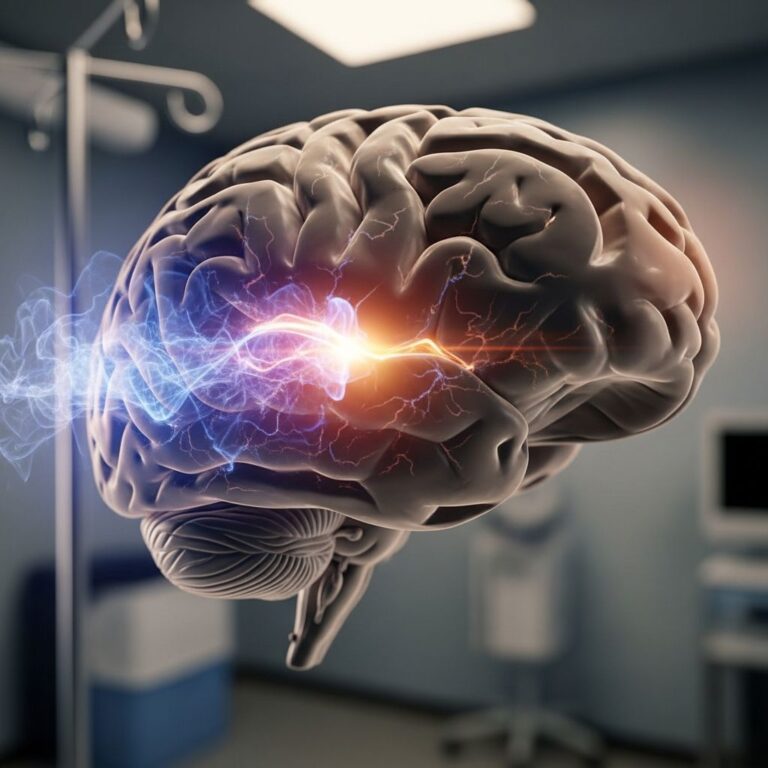
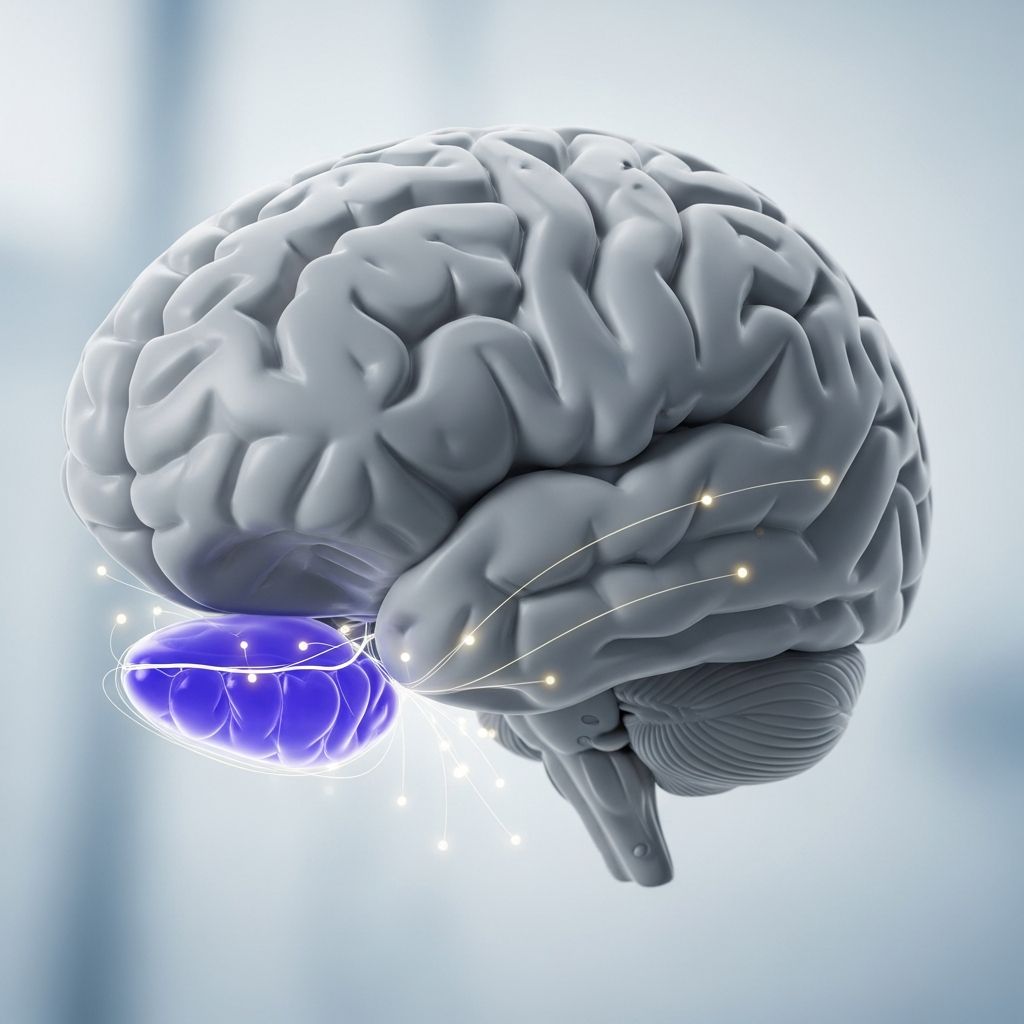
The pituitary gland is a small, pea-sized endocrine organ that plays one of the most critical roles in your body’s hormonal regulation system. Located at the base of your brain, directly below the hypothalamus and behind the bridge of your nose, this remarkable gland serves as your body’s command center for hormone production and regulation. Often referred to as the “master gland,” the pituitary gland manages essential functions including stress response, growth, metabolism, reproduction, and countless other biological processes. Understanding how this tiny but powerful gland works is key to comprehending how your endocrine system maintains health and homeostasis.
Anatomy and Location of the Pituitary Gland
The pituitary gland is remarkably small, measuring only about one-third of an inch in diameter—roughly the size of a pea. Despite its diminutive size, weighing between 500 to 900 milligrams in adult humans, this gland wields enormous influence over your body’s physiological processes. The gland is housed within a bony saddle-shaped structure called the sella turcica, located in the sphenoid bone at the base of your skull. This protective bony enclosure keeps the pituitary gland secure while allowing it to connect with surrounding neural and vascular structures.
The pituitary gland sits directly beneath the hypothalamus, another crucial brain region responsible for controlling body temperature, hunger, thirst, mood, sex drive, blood pressure, and sleep. These two structures are connected by the pituitary stalk, a narrow bridge composed of blood vessels and nerve fibers that facilitates constant communication between the hypothalamus and the pituitary gland. This anatomical relationship is fundamental to understanding how your brain controls hormone production and release throughout your body.
Structure: Two Distinct Lobes
The pituitary gland consists of two functionally and anatomically distinct lobes: the anterior pituitary (also called the adenohypophysis) and the posterior pituitary (also called the neurohypophysis). Each lobe operates independently with different cellular compositions and hormonal responsibilities, yet they work together seamlessly to maintain hormonal balance.
The Anterior Pituitary: This front lobe comprises approximately 80 percent of the total weight of the pituitary gland and contains abundant hormone-secreting epithelial cells. These specialized cells directly synthesize and secrete multiple important hormones in response to signals from the hypothalamus. The anterior pituitary is the workhorse of the pituitary system, producing the majority of the hormones that regulate other endocrine glands and influence major bodily tissues.
The Posterior Pituitary: The smaller back lobe is composed largely of unmyelinated secretory neurons—extensions of nerve cells that originate in the hypothalamus. Unlike the anterior pituitary, the posterior pituitary does not manufacture hormones itself. Instead, it serves as a storage and release station for hormones produced by the hypothalamus. When the hypothalamus signals through nerve impulses, the posterior pituitary releases these stored hormones into the bloodstream.
Hormones of the Anterior Pituitary
The anterior pituitary produces and secretes several crucial hormones that regulate fundamental body processes. Each hormone is released in response to specific signals from the hypothalamus, creating a sophisticated feedback system that maintains hormonal balance.
Related Stories



Growth Hormone (GH): This hormone stimulates physical growth in children and adolescents, promoting bone elongation and muscle development. In adults, growth hormone continues to play important roles by maintaining muscle tone, supporting metabolism, and influencing fat distribution throughout the body. The body’s growth potential and physical composition depend significantly on adequate growth hormone production.
Adrenocorticotropic Hormone (ACTH): ACTH stimulates the adrenal glands to produce and release cortisol, a critical stress hormone. Cortisol regulates metabolism, maintains blood pressure, manages blood glucose levels, and helps reduce inflammation throughout the body. ACTH levels naturally fluctuate throughout the day, with higher levels typically in the morning and lower levels in the evening.
Thyroid-Stimulating Hormone (TSH): Also called thyrotropin, TSH stimulates the thyroid gland to produce thyroid hormones, which regulate metabolic rate, energy production, body temperature, and numerous other essential functions. This hormone is critical for maintaining proper metabolism and energy levels.
Follicle-Stimulating Hormone (FSH): FSH stimulates the production of estrogens and the growth of egg cells (oocytes) in the ovaries in women and sperm cell production in the testes in men. This hormone is fundamental to reproductive function and fertility in both sexes.
Luteinizing Hormone (LH): LH stimulates the production of estrogens and progesterone by the ovaries in women and testosterone production by the testes in men. Together with FSH, LH orchestrates the reproductive cycle and maintains sexual function.
Prolactin: This hormone stimulates milk production in lactating individuals and influences fertility and sexual function. Prolactin levels are regulated differently than other pituitary hormones, being primarily controlled by inhibition from the hypothalamus rather than stimulation.
Hormones of the Posterior Pituitary
While the posterior pituitary is smaller than the anterior lobe, the hormones it stores and releases are absolutely essential for survival and normal physiology. These two hormones originate in the hypothalamus but are released through the posterior pituitary.
Oxytocin: Often called the “bonding hormone” or “love hormone,” oxytocin serves multiple crucial functions. In women, it facilitates childbirth by stimulating uterine contractions during labor and promotes milk ejection during breastfeeding. In both sexes, oxytocin plays important roles in social bonding, trust, and emotional attachment. In men, oxytocin helps facilitate sperm mobility.
Antidiuretic Hormone (ADH/Vasopressin): ADH manages the body’s water and sodium balance by controlling how much water the kidneys retain. When blood sodium levels rise or blood volume decreases, the hypothalamus signals the posterior pituitary to release more ADH, causing the kidneys to reabsorb water and concentrate urine. This delicate regulation prevents dehydration and maintains proper blood osmolarity and pressure.
How the Hypothalamus Controls the Pituitary Gland
The hypothalamus maintains constant communication with the pituitary gland through two distinct pathways: hormonal and neural. For the anterior pituitary, the hypothalamus releases peptides called releasing hormones into special portal blood vessels that carry these chemical messengers directly to the anterior pituitary. These releasing hormones include thyrotropin-releasing hormone (TRH), corticotropin-releasing hormone (CRH), gonadotropin-releasing hormone (GnRH), and growth-hormone-releasing hormone (GHRH). The hypothalamus also produces dopamine and somatostatin, which act as inhibitors to suppress prolactin and growth hormone secretion respectively.
For the posterior pituitary, control occurs through direct neural signals. Nerve fibers extend from the hypothalamus through the pituitary stalk to the posterior pituitary. When these nerves are stimulated—such as during breast suckling or in response to stress or osmotic changes—the posterior pituitary releases its stored hormones. This dual control system allows for precise, moment-to-moment regulation of hormone levels.
The Pituitary’s Role in the Endocrine System
The pituitary gland functions as the central coordinator of your endocrine system. Through hormone release and interactions with the hypothalamus, the pituitary gland regulates several critical bodily functions and influences the performance of major endocrine glands including the thyroid, adrenal glands, and reproductive organs. The anterior pituitary hormones stimulate these target glands to produce their own hormones, creating intricate feedback loops that maintain hormonal homeostasis. When hormone levels become too high, negative feedback signals suppress further pituitary hormone release, preventing excessive hormone production.
Common Pituitary Disorders and Conditions
Various conditions can affect pituitary function, leading to either excessive or insufficient hormone production. Pituitary adenomas are benign tumors that can cause hypersecretion of specific hormones or physically compress surrounding tissues. Conditions like central hypogonadism, growth hormone deficiency, and central adrenal insufficiency result from inadequate hormone production. Diabetes insipidus occurs when the posterior pituitary fails to produce adequate ADH, leading to excessive urination and thirst. Hyperprolactinemia causes elevated prolactin levels, potentially affecting fertility and sexual function. Many of these conditions are treatable through medical intervention or hormone replacement therapy.
Maintaining Pituitary Health
Supporting pituitary health involves maintaining overall brain and endocrine system health through proper nutrition, regular physical activity, adequate sleep, and stress management. Certain nutrients, including vitamin D, zinc, and various B vitamins, support optimal endocrine function. Regular exercise promotes healthy hormone levels and metabolic function. Adequate sleep is crucial, as disrupted sleep patterns can affect growth hormone production and cortisol rhythms. Chronic stress can dysregulate the hypothalamic-pituitary-adrenal axis, affecting cortisol production and overall hormonal balance. Avoiding excessive alcohol consumption and recreational drugs also protects pituitary function.
Frequently Asked Questions
Q: What is the pituitary gland’s primary function?
A: The pituitary gland is your body’s master endocrine regulator, producing and releasing hormones that control growth, metabolism, reproduction, stress response, and numerous other essential physiological functions. It also regulates other major endocrine glands including the thyroid, adrenal glands, and reproductive organs.
Q: Where is the pituitary gland located?
A: The pituitary gland is located at the base of your brain, directly below the hypothalamus and behind the bridge of your nose. It sits in a small bony depression called the sella turcica within the sphenoid bone of the skull.
Q: What hormones does the anterior pituitary produce?
A: The anterior pituitary produces growth hormone (GH), adrenocorticotropic hormone (ACTH), thyroid-stimulating hormone (TSH), follicle-stimulating hormone (FSH), luteinizing hormone (LH), and prolactin.
Q: What hormones does the posterior pituitary release?
A: The posterior pituitary stores and releases two hormones: oxytocin and antidiuretic hormone (ADH), also called vasopressin. These hormones are produced by the hypothalamus but released through the posterior pituitary.
Q: How does the hypothalamus control the pituitary gland?
A: The hypothalamus controls the pituitary gland through two mechanisms: hormonal signals via releasing hormones that travel through portal blood vessels to the anterior pituitary, and direct neural signals through nerve fibers connected to the posterior pituitary.
Q: How small is the pituitary gland?
A: The pituitary gland is remarkably small—only about one-third of an inch in diameter, roughly the size of a pea, and weighing between 500 to 900 milligrams in adults.
Q: What conditions can affect the pituitary gland?
A: Common pituitary disorders include adenomas (benign tumors), growth hormone deficiency, central adrenal insufficiency, diabetes insipidus, hyperprolactinemia, and central hypogonadism. These conditions may result in either excessive or insufficient hormone production.
References
- Pituitary Gland: Functions and Anatomy — Cleveland Clinic. 2024. https://my.clevelandclinic.org/health/body/21459-pituitary-gland
- Posterior Pituitary: What It Is & Function — Cleveland Clinic. 2024. https://my.clevelandclinic.org/health/body/23150-posterior-pituitary
- The Endocrine System — Johns Hopkins Medicine. 2021. https://www.hopkinsmedicine.org/health/conditions-and-diseases/the-endocrine-system
- Pituitary Gland — Encyclopædia Britannica. 2024. https://www.britannica.com/science/pituitary-gland
- Hypothalamus: What It Is, Function, Conditions & Disorders — Cleveland Clinic. 2024. https://my.clevelandclinic.org/health/body/22566-hypothalamus
- Hormones: What They Are, Function & Types — Cleveland Clinic. 2024. https://my.clevelandclinic.org/health/articles/22464-hormones
Similar Articles








Read full bio of Sneha Tete