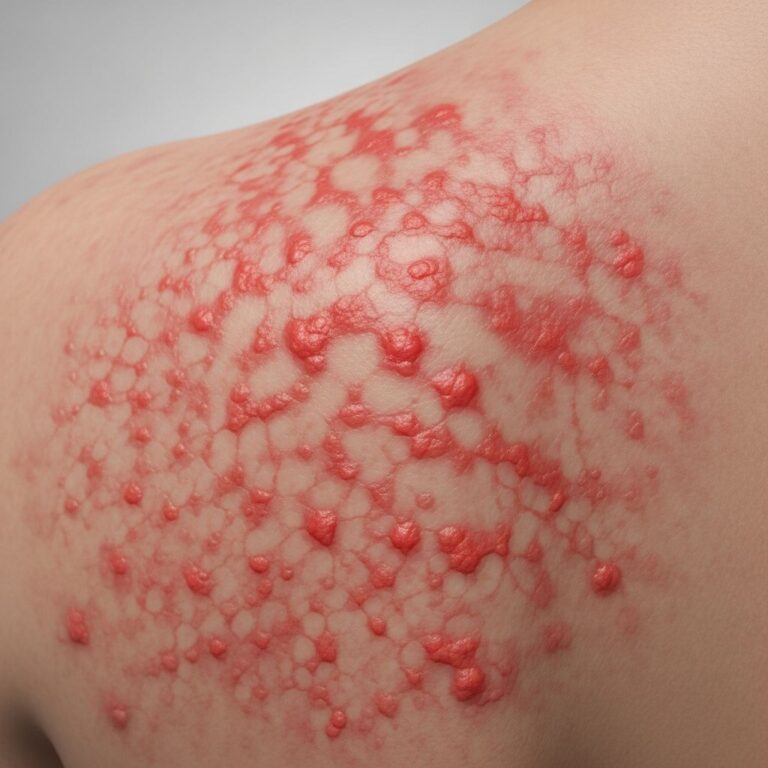
Pityriasis Alba: Causes, Symptoms, and Treatment
Understanding pityriasis alba: A common, benign skin condition affecting children and adolescents.
What Is Pityriasis Alba?
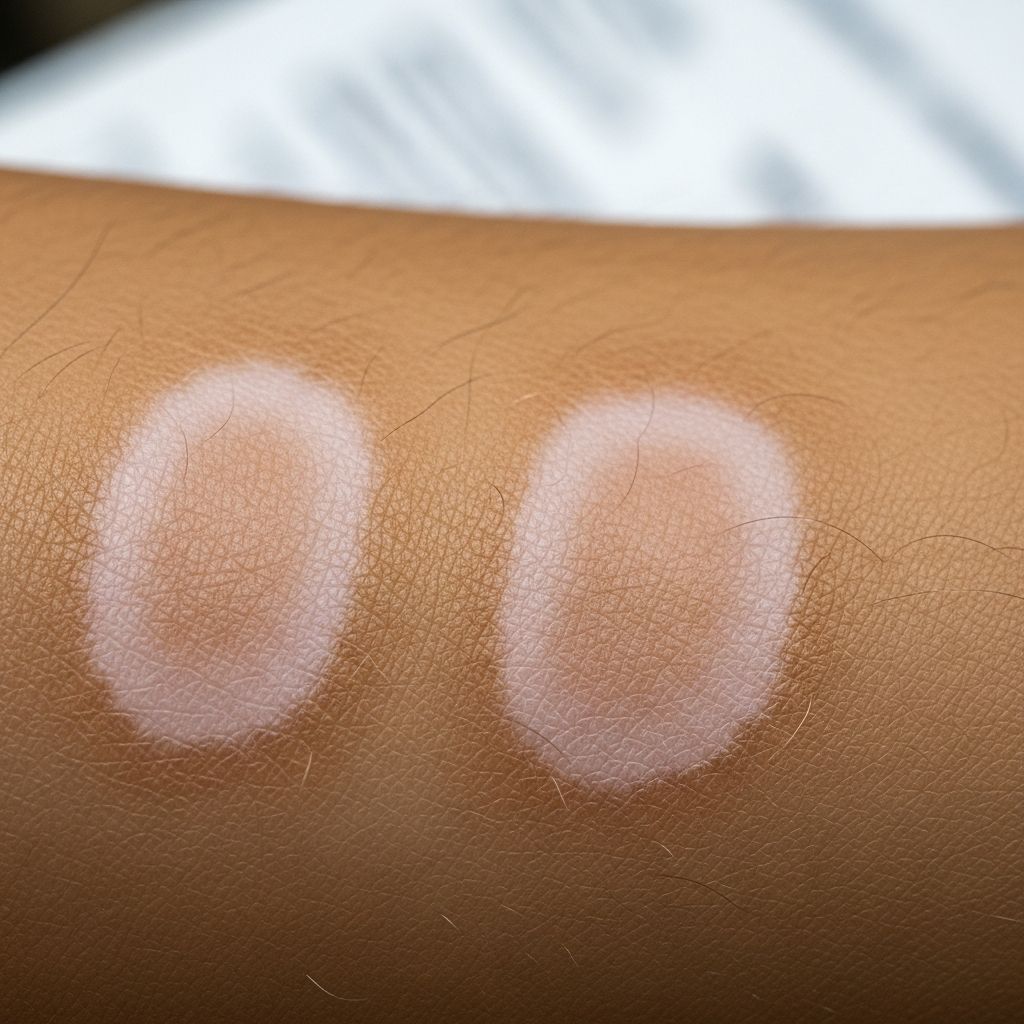
Pityriasis alba is a prevalent and benign dermatological condition that predominantly affects children and adolescents, though it can occur at any age. The name derives from two descriptive Latin terms: “pityriasis” referring to the fine scaling characteristic of the condition, and “alba” describing its pale or white appearance. This common skin problem causes round or oval patches of skin that appear lighter than the surrounding skin, presenting as areas of hypopigmentation that may look slightly pink or scaly initially.
The condition is classified as a mild form of eczema or dermatitis and represents one of the most frequently encountered hypopigmented disorders in pediatric dermatology. While the patches may cause cosmetic concern, they are entirely harmless and do not pose any threat to overall health. Pityriasis alba affects approximately 5% of children worldwide, making it a relatively common presentation in clinical practice.
Causes and Risk Factors
The exact etiology of pityriasis alba remains unclear, though research suggests multiple contributing factors. Several potential causes have been identified through clinical observation and epidemiological studies:
Known Contributing Factors
- Sun exposure: Prolonged or excessive sun exposure may trigger or exacerbate the condition, as hypopigmentation becomes more apparent when surrounding skin tans during spring and summer months
- Dry skin: The condition is often associated with xerosis and general skin dryness, particularly in individuals with atopic tendencies
- Atopic dermatitis: Strong association with atopic disease suggests shared pathophysiological mechanisms between pityriasis alba and other atopic conditions
- Bathing habits: Frequent bathing, particularly with hot water or harsh soaps, may contribute to the development or persistence of lesions
- Trace elements and copper levels: Some studies have suggested potential links to serum copper and trace element deficiencies
- Malassezia yeasts: These commensal organisms have been investigated as potential contributing factors
Patients or family histories frequently include atopic dermatitis, allergic rhinitis, or asthma, suggesting a genetic predisposition to atopic conditions. The association with dry skin and the seasonal variations in presentation further support the hypothesis that pityriasis alba represents a manifestation of underlying atopic dysfunction.
Clinical Presentation and Symptoms
Characteristic Features
Pityriasis alba presents with distinctive clinical features that aid in diagnosis. The condition is typically characterized by ill-defined macules and patches, or thin plaques, generally circular or oval in shape. Most patients present with 1 to 20 patches ranging from 0.5 to 5 centimeters in diameter.
Appearance and Location
The lesions most frequently appear on the face, neck, shoulders, and upper arms, though they can develop on any body surface. Initial lesions may exhibit mild erythema, though this erythematous stage often goes unnoticed by patients or parents. Over time, the patches fade to leave areas that are lighter than surrounding skin, with occasional fine scaling present.
Symptomatology
Pityriasis alba is predominantly asymptomatic or associated with only mild pruritus. Most patients experience minimal to no itching, which distinguishes it from other pruritic dermatological conditions. However, some individuals may report mild itching, particularly during winter months or when the skin becomes dry.
Seasonal Variations
The visibility of hypopigmentation increases dramatically with sun exposure, as the surrounding skin becomes tanned during warmer months, accentuating the contrast. Conversely, dryness and scaling become more noticeable during winter months, when xerosis is more pronounced and environmental humidity decreases.
Extensive Pityriasis Alba
A variant termed extensive pityriasis alba exists, characterized by symmetrical and widespread skin involvement. In this form, lesions are less erythematous, less scaly, more persistent, and more frequently distributed on the trunk rather than the face compared to classic pityriasis alba. Histopathology of extensive variants reveals the absence of spongiosis.
Related Stories



Diagnosis
Clinical Assessment
Diagnosis of pityriasis alba is typically straightforward and based primarily on clinical presentation and physical examination. A doctor can usually identify the condition simply by observing the characteristic appearance of the lesions. The diagnosis is often made incidentally during routine physical examination, though patient or parental concern about cosmetic appearance frequently prompts clinical consultation.
Diagnostic Investigations
While clinical diagnosis is standard, additional investigations may be employed to exclude other conditions:
- Wood’s lamp examination: A specialized light source used to examine skin more closely and differentiate pityriasis alba from other hypopigmented conditions
- Dermoscopy: Reveals dull white areas with ill-defined margins, corresponding to melanosome loss in the basal layer of the epidermis. White scaling typically exhibits a polygonal appearance or follows distribution in skin furrows, with a subtle light-brownish pigment network visible in the background, particularly in darker skin phototypes
- Skin biopsy: May be performed to exclude other conditions, though rarely necessary given the characteristic clinical presentation
- Surface skin cell examination: The doctor may lightly scrape the surface of the patch to check skin cells microscopically
Differential diagnosis should exclude vitiligo, post-inflammatory hypopigmentation, tinea versicolor, and other hypopigmented dermatological conditions.
Treatment and Management Options
Reassurance and Patient Education
The cornerstone of management involves reassuring patients and their parents about the benign and self-limited nature of pityriasis alba. Education regarding the gradual resolution of the condition is essential, as the process may extend over several months to a few years, although most cases resolve within one year. Understanding the favorable prognosis helps alleviate parental anxiety and reduces unnecessary treatment interventions.
Topical Therapies
Emollients: Mild emollients, such as petroleum jelly and moisturizing creams, effectively reduce scaling and address the underlying xerosis. Regular application of these products helps maintain skin hydration and improves the skin barrier function.
Low-potency topical corticosteroids: These form the mainstay of pharmacological treatment when intervention is desired. Low-potency corticosteroids can address mild inflammation and itching associated with the condition. Typical options include hydrocortisone 1% cream or similar preparations.
Topical calcineurin inhibitors: Tacrolimus 0.1% ointment and pimecrolimus 1% cream demonstrate efficacy in treating pityriasis alba. However, their utilization remains infrequent due to associated high costs and typically reserved for cases unresponsive to standard therapy.
Vitamin D analogs: Calcitriol, a topical vitamin D analog, has demonstrated efficacy comparable to tacrolimus in preliminary studies, offering an alternative therapeutic option.
Advanced Treatment Options
For extensive cases with significant cosmetic impact or prolonged duration, additional treatment modalities may be considered:
- PUVA photochemotherapy: Psoralen plus ultraviolet-A therapy may be employed for widespread involvement
- Excimer laser therapy: Targeted phototherapy using a 308-nm excimer laser represents a specialized treatment option for localized or resistant lesions
Sun Protection and Prevention
Sun protection plays a crucial role in managing pityriasis alba and may help prevent its development or reduce prominence. Recommended protective measures include:
- Avoiding sun exposure during midday hours (10 AM to 4 PM)
- Using broad-spectrum sunscreen with SPF 30 or higher
- Wearing sun-protective clothing, including hats and long-sleeved garments
- Seeking shade when outdoors for extended periods
These protective measures are particularly important given the increased risk of sunburn in areas of hypopigmentation, where melanin deficiency reduces natural sun protection.
Prognosis and Natural Course
Pityriasis alba is a self-limiting skin condition with a highly favorable prognosis. Complete repigmentation is the norm in most individuals, with skin color gradually returning to normal. The condition typically resolves within one year in most cases, though the resolution period can vary from several months to a few years in some patients.
The primary concern for patients and families is the cosmetic deficit, which often prompts medical consultation despite the benign nature of the condition. While the duration of the skin disorder can vary from a few days to a few years, appropriate management and sun protection may help shorten its duration and minimize cosmetic impact during the active phase.
Impact on Quality of Life
Although pityriasis alba does not affect overall health, the cosmetic appearance of lesions can significantly impact quality of life, particularly in adolescents and in individuals with darker skin phototypes where the contrast between affected and unaffected skin is more pronounced. The visibility of lesions, especially during summer months, may cause psychological distress or social concerns. Reassurance about the benign and self-resolving nature of the condition, combined with appropriate treatment to address cosmetic concerns, helps maintain emotional wellbeing during the active disease phase.
Special Considerations for Different Skin Tones
Pityriasis alba can affect individuals of all skin tones, but the condition presents unique challenges in diagnosis and management across different skin phototypes. The hypopigmentation is more visually apparent in individuals with darker skin, where the contrast between affected and unaffected areas is more striking. This increased visibility may lead to earlier diagnosis but also heightened cosmetic concern. Dermoscopic examination reveals characteristic patterns more clearly in darker skin types, where a subtle light-brownish pigment network remains visible in the background. Culturally sensitive counseling and management strategies are important in addressing patient concerns across diverse populations.
Frequently Asked Questions
Q: Is pityriasis alba contagious?
A: No, pityriasis alba is not contagious. It is a benign skin condition that cannot be transmitted from person to person through contact or any other means.
Q: Will my child’s skin color return to normal?
A: Yes, complete repigmentation is the norm. Skin color gradually returns to normal, though this process may take several months to a few years. Most cases resolve within one year.
Q: Can pityriasis alba be prevented?
A: While the condition cannot always be prevented, regular use of sunscreen and sun protection may reduce its development or prominence. Maintaining adequate skin hydration with moisturizers may also help.
Q: Does pityriasis alba require treatment?
A: Many cases resolve without any treatment. However, treatment may be recommended if the patient experiences itching, dryness, or significant cosmetic concerns. Moisturizers and mild topical steroids are typical first-line options.
Q: Is pityriasis alba related to vitiligo?
A: No, pityriasis alba and vitiligo are distinct conditions. While both cause hypopigmentation, vitiligo involves loss of melanocytes and typically presents with sharply demarcated white patches, whereas pityriasis alba involves melanosome loss and presents with ill-defined patches often with scaling.
Q: When should I contact my doctor about pityriasis alba?
A: Contact your doctor if you notice patches that don’t fade within a few months, if itching becomes problematic, or if you have concerns about the appearance. Your doctor can confirm the diagnosis and recommend appropriate management.
When to Seek Medical Attention
While pityriasis alba is generally benign and self-resolving, consultation with a healthcare provider is recommended to confirm diagnosis and rule out other conditions. Seek medical attention if lesions persist beyond several months, if itching becomes bothersome, or if you have concerns about the cosmetic appearance. Your physician can provide appropriate reassurance, prescribe suitable treatments if necessary, and monitor for any changes in the condition.
Conclusion
Pityriasis alba is a common, benign dermatological condition that predominantly affects children and adolescents, though it can occur at any age. Characterized by ill-defined hypopigmented patches with fine scaling, the condition is often associated with dry skin and atopic dermatitis. While the exact cause remains unclear, sun exposure and xerosis appear to play significant roles. Diagnosis is primarily clinical, and management focuses on reassurance, skin hydration with emollients, and sun protection. In cases where cosmetic concerns or itching warrant intervention, low-potency topical corticosteroids or other topical agents provide effective relief. With a highly favorable prognosis and spontaneous resolution in most cases within one year, pityriasis alba requires minimal intervention while emphasizing patient and family education about the benign and self-limited nature of the condition.
References
- Pityriasis Alba — StatPearls, National Center for Biotechnology Information (NCBI). Updated 2024. https://www.ncbi.nlm.nih.gov/books/NBK431061/
- Pityriasis Alba: A Common Childhood Dermatosis with Potential Links to Atopic Dermatitis — Healthcare Communications Network. https://hcn.health/hcn-trends-story/pityriasis-alba/
- Pityriasis Alba (Dry White Patches) — DermNet New Zealand. https://dermnetnz.org/topics/pityriasis-alba
- Pityriasis Alba – Condition Basics — Children’s Hospital Association. https://www.cham.org/HealthwiseArticle.aspx?id=abp4927
Similar Articles








Read full bio of Sneha Tete