Pityriasis Versicolor: 6 Treatment Options & Prevention Tips
Comprehensive guide to pityriasis versicolor: causes, symptoms, diagnosis, and effective treatment strategies for this common fungal skin infection.
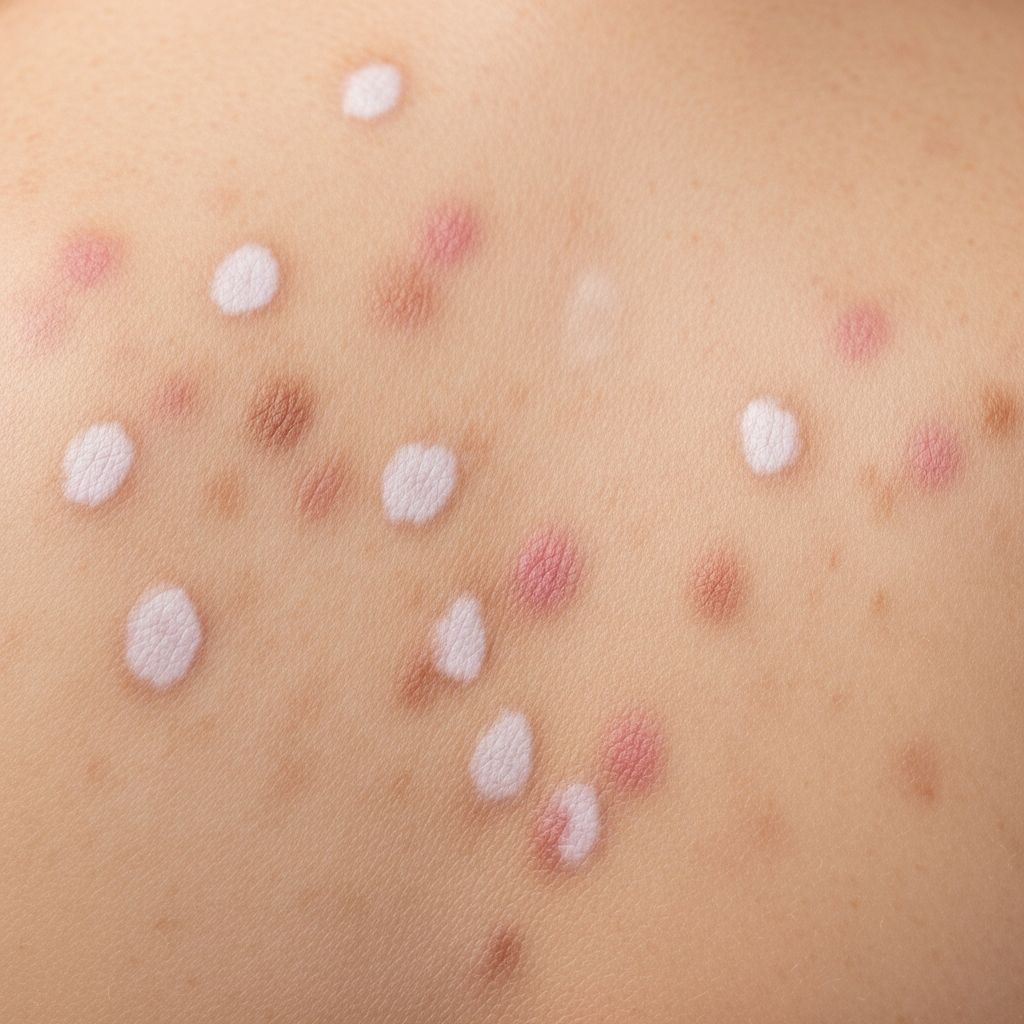
Pityriasis versicolor, also known as tinea versicolor, is a common, benign superficial fungal skin infection caused by an overgrowth of Malassezia yeast species, which are normal skin flora.
This condition manifests as discolored, scaly patches primarily on the trunk, neck, and proximal extremities, often more noticeable after sun exposure due to pigment disruption. It affects individuals of all ages but is more prevalent in young adults in warm, humid climates.
What is pityriasis versicolor?
Pityriasis versicolor is a chronic, superficial infection of the stratum corneum by lipophilic yeasts of the genus Malassezia. These yeasts are commensal organisms present on healthy skin but proliferate excessively under certain conditions, leading to hypopigmented, hyperpigmented, or erythematous macules with fine scaling.
The infection is not contagious and does not cause systemic illness, though it can be cosmetically distressing and recurrent. Unlike true tinea infections, it does not invade deeper skin layers.
Who gets pityriasis versicolor?
Pityriasis versicolor affects 1-5% of the general population worldwide, with higher prevalence in tropical regions (up to 50% in some areas). It commonly occurs in adolescents and young adults due to increased sebaceous gland activity.
- Risk factors include hot, humid environments
- Oily skin or excessive sweating
- Immunosuppression (e.g., corticosteroids, HIV)
- Use of occlusive clothing or oils
- Genetic predisposition in some cases
Women and men are equally affected, though it may be more noticeable in tanned individuals.
What causes pityriasis versicolor?
The primary causative agents are dimorphic Malassezia species, particularly M. globosa and M. furfur, which produce azelaic acid that inhibits melanin production, causing hypopigmentation.
Predisposing factors trigger hyphal transformation and proliferation:
- High temperature and humidity
- High-density Malassezia colonization
- Individual susceptibility (e.g., altered immune response)
- Excessive sebum production
What are the clinical features of pityriasis versicolor?
Lesions appear as well-defined macules that may be hypopigmented, hyperpigmented, red, or brown, with a fine powdery scale accentuated by stretching the skin.
| Lesion Characteristics | Description |
|---|---|
| Color | Hypopigmented (most common), hyperpigmented, pink/tan |
| Distribution | Trunk (chest, back, abdomen), neck, upper arms, axillae |
| Texture | Fine peripheral scale; may coalesce into large patches |
| Symptoms | Usually asymptomatic; mild itch in 50% of cases |
Patches become more evident after sun tanning as the fungus interferes with normal melanization.
Diagnosis of pityriarias versicolor
Diagnosis is primarily clinical based on characteristic morphology and distribution.
- Wood’s lamp: Uniform yellow-green fluorescence (not coral red like Erythrasma)
- KOH preparation: ‘Spaghetti and meatballs’ appearance—short hyphae and round yeast cells
- Culture: Rarely needed; confirms Malassezia spp.
- Differential diagnosis: Vitiligo, postinflammatory hypopigmentation, seborrheic dermatitis, psoriasis
Treatment of pityriasis versicolor
Mild/limited disease: Topical antifungals are first-line.
Topical antifungals
- Ketoconazole 2% shampoo: Apply daily for 5 days, leave on 5-10 min
- Selenium sulfide 2.5% lotion/shampoo: Daily x 7-14 days
- Clotrimazole/miconazole cream: BID x 2-4 weeks
- Apply widely from jawline down; continue 1-2 weeks after resolution
Related Stories



Oral antifungals (extensive/recurrent)
Reserved for widespread disease or topical failures.
| Agent | Dose | Duration |
|---|---|---|
| Itraconazole | 200 mg daily | 5-7 days |
| Fluconazole | 300-400 mg weekly | 2-4 weeks |
| Terbinafine | 250 mg daily | 7-14 days (less effective) |
Vigorous exercise 1 hour post-dose enhances efficacy via sweating. Avoid bathing for 2-3 hours.
Recurrence and prevention
Recurrence rates exceed 60-80% within 1 year due to persistent Malassezia carriage.
- Preventive regimen: Ketoconazole shampoo monthly or every 2 weeks
- Oral prophylaxis: Fluconazole 300 mg every 4 weeks for 6 months
- Avoid predisposing factors: Heat, oils, immunosuppression
Pigment normalization may take 1-4 months post-treatment despite mycologic cure.
Complications and prognosis
Generally excellent prognosis with treatment; no scarring or systemic effects. Secondary bacterial infection rare. Emotional distress from cosmetic changes common.
Frequently Asked Questions (FAQs)
Q: Is pityriasis versicolor contagious?
A: No, it is caused by normal skin yeast overgrowth, not person-to-person transmission.
Q: How long does it take for skin color to return to normal?
A: 1-4 months after successful treatment; hypopigmentation persists longest.
Q: Can pityriasis versicolor be prevented?
A: Yes, with monthly antifungal shampoo use in high-risk individuals.
Q: Is oral treatment safe?
A: Generally yes for short courses; monitor liver function if prolonged. Rare side effects include nausea, rash.
Q: Why does it recur so often?
A: Persistent Malassezia colonization and predisposing factors like humidity.
References
- Pityriasis versicolor – DermNet — DermNet NZ. 2023. https://dermnetnz.org/topics/pityriasis-versicolor
- Tinea Versicolor – StatPearls — NCBI Bookshelf. 2023-10-26. https://www.ncbi.nlm.nih.gov/books/NBK482500/
- Pityriasis versicolor — NHS UK. 2023. https://www.nhs.uk/conditions/pityriasis-versicolor/
- Pityriasis versicolor: symptoms, causes, diagnosis and treatments — Health Service Executive (HSE.ie). 2023. https://www2.hse.ie/conditions/pityriasis-versicolor/
- Tinea versicolor – Symptoms & causes — Mayo Clinic. 2023-11-01. https://www.mayoclinic.org/diseases-conditions/tinea-versicolor/symptoms-causes/syc-20378385
Similar Articles








Read full bio of Sneha Tete