Pityriasis Versicolor: Essential Guide To Diagnosis & Treatment
Discover causes, symptoms, diagnosis, and effective treatments for this common fungal skin condition affecting millions worldwide.
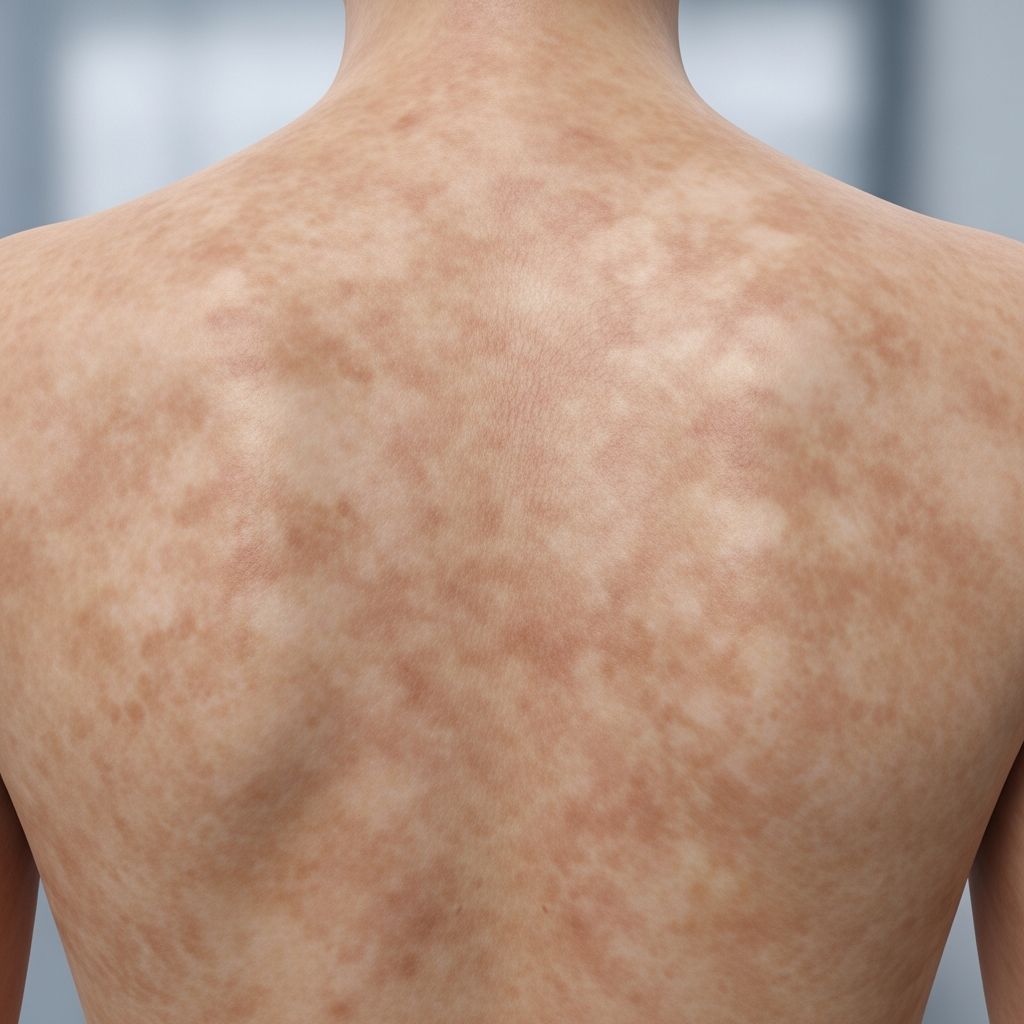
Pityriasis versicolor, also known as tinea versicolor, is a superficial fungal infection that leads to patchy skin discoloration. Caused by an overgrowth of Malassezia yeast naturally present on the skin, it primarily affects areas like the trunk, neck, and arms, creating spots that are lighter or darker than surrounding skin.
Understanding the Nature of Pityriasis Versicolor
This condition arises when Malassezia species, such as M. globosa, M. restricta, and M. sympodialis, shift from their commensal role to pathogenic overgrowth. These lipid-dependent yeasts thrive in warm, humid environments, producing enzymes and metabolites that interfere with melanin production in the skin. Unlike contagious fungal infections like ringworm, pityriasis versicolor is not transmitted person-to-person, though family members may share genetic predispositions or environmental factors.
The infection is chronic and recurrent, with global prevalence highest in tropical regions. It peaks during summer due to heat and sweat promoting yeast proliferation. Adolescents and young adults with oily skin are most susceptible, but it can occur at any age.
Recognizing the Signs and Symptoms
Symptoms vary by skin type and season. Common manifestations include:
- Patches lighter (hypopigmented) or darker (hyperpigmented) than normal skin, often white, pink, tan, or brown.
- Fine scaling on the surface, giving a powdery appearance when scratched.
- Mild itching, intensified by heat, sweating, or humidity.
- Preference for oily areas: upper back, chest, shoulders, neck, and upper arms; rarely on the face except in children.
In darker skin tones, hypopigmented patches (pityriasis versicolor alba) stand out more prominently after sun exposure, as affected areas fail to tan evenly. Hyperpigmented variants appear reddish-brown or coppery. Patches may coalesce into larger irregular maps, persisting for months or years if untreated.
| Skin Tone | Common Patch Color | Visibility | Scaling |
|---|---|---|---|
| Light | Pink or light brown | Less noticeable in summer | Fine, powdery |
| Medium | Tan or hypopigmented | Prominent after tanning | Subtle |
| Dark | White or hypopigmented | Highly visible | Evident on scraping |
Symptoms worsen with immunosuppression, corticosteroid use, or hormonal changes, as these impair skin barrier function and favor yeast growth.
What Triggers Pityriasis Versicolor?
Malassezia yeasts are normal skin flora, relying on sebum lipids for survival. Pathogenesis involves:
- Lipid metabolism: Yeasts produce azelaic acid and other dicarboxylic acids that inhibit tyrosinase, an enzyme essential for melanin synthesis, leading to hypopigmentation.
- Environmental factors: High humidity, temperatures above 25°C, and sweating create ideal conditions.
- Host factors: Oily skin, adolescence (peak sebum production), genetics, and weakened immunity.
- Virulence mechanisms: Proteases like MfSAP1 disrupt skin barriers, while hyphal forms and spores colonize the stratum corneum.
Histologically, spongiosis and minimal dermal infiltrate distinguish it from other dermatoses, with basophilic fungal elements visible in biopsies.
How Is It Diagnosed?
Related Stories



Diagnosis relies on clinical pattern recognition, confirmed by simple tests:
- Wood’s lamp: Coral-pink or yellow-green fluorescence under ultraviolet light.
- Microscopy: KOH preparation reveals ‘spaghetti and meatballs’—short hyphae and round spores.
- Dermatoscopy: Patchy scaling with comma-shaped hyphae.
- Culture or PCR: Rarely needed, identifies Malassezia species.
Differential diagnoses include vitiligo (no scale, achromic), pityriasis alba (facial, atrophic), seborrheic dermatitis (greasy), and post-inflammatory hypopigmentation. Biopsy shows sparse perivascular infiltrate unlike dermatophytoses.
Treatment Approaches: From Topical to Systemic
Topical antifungals are first-line for limited disease, targeting yeast cell membranes or growth.
| Agent | Dosage | Duration | Efficacy Notes |
|---|---|---|---|
| Selenium sulfide (2.5% lotion/shampoo) | Apply daily | 5-10 min, 2 weeks | High; reduces recurrence |
| Ketoconazole shampoo (2%) | Lather, rinse after 5 min | Twice weekly, 4 weeks | Excellent for trunk |
| Clotrimazole or miconazole cream | Twice daily | 2-4 weeks | Well-tolerated |
| Ciclopirox olamine | Once/twice daily | 2 weeks | Modulates cytochromes |
Oral therapy for extensive or recurrent cases: Fluconazole (300-400mg weekly for 2-4 weeks) or itraconazole (200mg daily for 7 days) yield 60-80% cure rates. Ketoconazole is effective but hepatotoxic risk limits use.
Post-treatment hypopigmentation may take 3-6 months to resolve as melanin production normalizes.
Preventing Recurrence: Long-Term Strategies
Recurrence rates reach 60-80% within a year due to Malassezia’s commensal persistence. Maintenance includes:
- Weekly prophylactic ketoconazole or selenium sulfide shampoo.
- Avoiding heavy oils, tight clothing, and excessive sun in humid weather.
- Keeping skin dry; shower after sweating.
- Family screening if genetic predisposition suspected.
Prognosis is excellent with adherence; untreated cases self-limit but scar cosmetically.
Impact on Daily Life and Quality of Life
Beyond cosmetics, visible patches cause embarrassment, especially in summer. Itching disrupts sleep, and recurrence erodes confidence. Adolescents face social stigma from uneven tanning. Early intervention restores even tone and prevents chronicity.
Frequently Asked Questions (FAQs)
Is pityriasis versicolor contagious?
No, it is not spread person-to-person as Malassezia is normal skin flora.
Can it affect children?
Yes, though rarer; facial involvement more common in kids.
How long until skin color returns to normal?
1-6 months post-treatment; sun exposure aids repigmentation.
Does it scar?
No, it is superficial and leaves no scars.
Can I use home remedies?
Aloe vera or tea tree oil lack evidence; consult a doctor for antifungals.
When to Seek Medical Help
Consult a dermatologist if self-care fails, patches spread, severe itching occurs, or in immunocompromised states. Prompt treatment prevents extension.
References
- Pityriasis Versicolor—A Narrative Review on the Diagnosis … — PMC/NCBI. 2023-10-19. https://pmc.ncbi.nlm.nih.gov/articles/PMC10608716/
- Tinea Versicolor (Pityriasis Versicolor) — UMass Memorial Health. 2024. https://www.ummhealth.org/health-library/tinea-versicolor-pityriasis-versicolor
- Pityriasis versicolor — DermNet NZ. 2023. https://dermnetnz.org/topics/pityriasis-versicolor
- Tinea versicolor – Symptoms & causes — Mayo Clinic. 2023-12-14. https://www.mayoclinic.org/diseases-conditions/tinea-versicolor/symptoms-causes/syc-20378385
- Tinea Versicolor — UCLA Health. 2024. https://www.uclahealth.org/medical-services/dermatology/conditions-treated/tinea-versicolor
- Pityriasis Versicolor (for Teens) — KidsHealth/Advocate Aurora Health. 2023. https://kidshealth.org/Advocate/en/teens/pityriasis-versicolor.html
- Tinea Versicolor: Symptoms, Causes & Treatments — Cleveland Clinic. 2023-06-21. https://my.clevelandclinic.org/health/diseases/17719-tinea-versicolor
Similar Articles








Read full bio of medha deb