Pityriasis Versicolor: Symptoms, Causes & Treatments
Comprehensive guide to pityriasis versicolor: causes, symptoms, diagnosis, and effective treatments for this common fungal skin condition.
What is pityriasis versicolor?
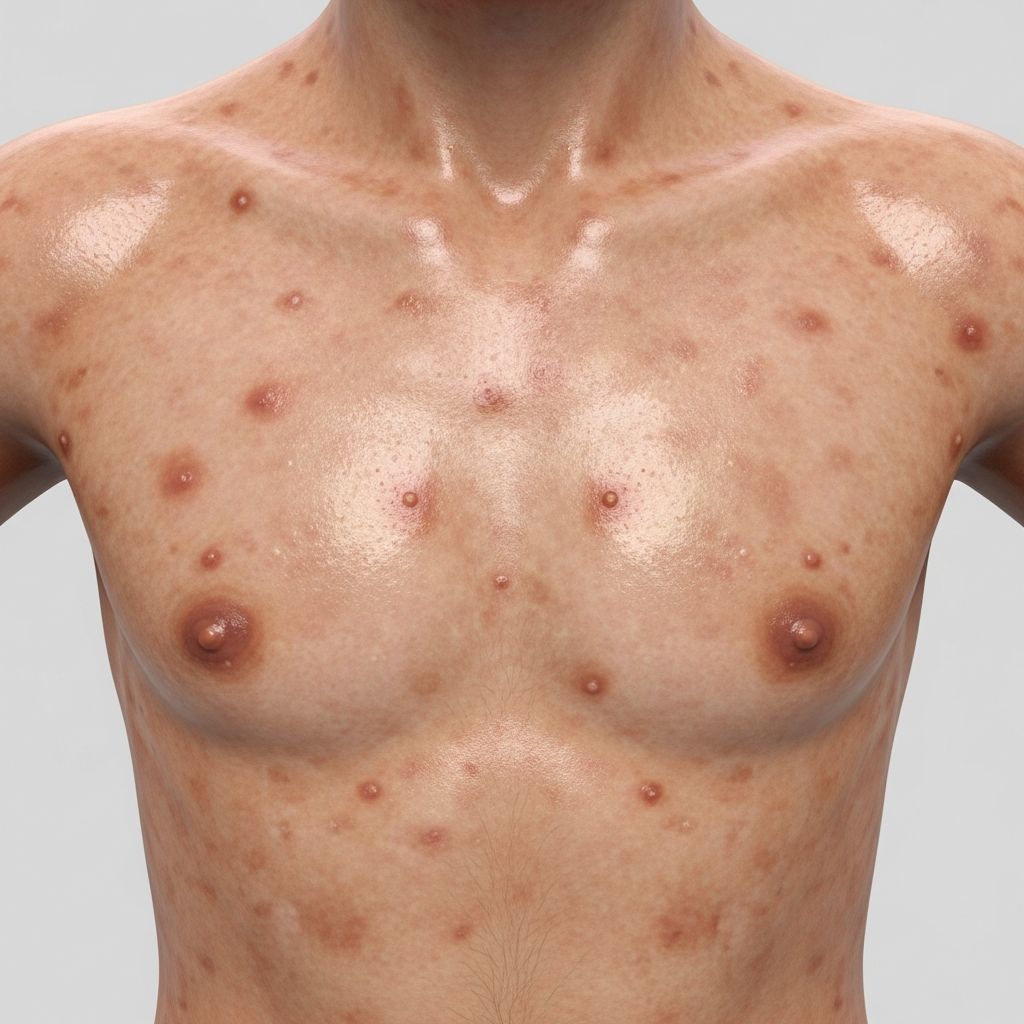
Pityriasis versicolor, also known as tinea versicolor, is a common, superficial fungal infection of the skin caused by an overgrowth of Malassezia yeast, a normal skin commensal. This condition manifests as discolored patches on the skin, typically on the trunk, neck, and upper arms, and is neither painful nor contagious. It affects people of all ages but is most prevalent in teens and young adults due to hormonal changes and oily skin.
The infection disrupts normal skin pigmentation, leading to hypopigmented (lighter), hyperpigmented (darker), or pink patches that may scale finely. These patches become more noticeable after sun exposure because the affected areas do not tan normally.
Who gets pityriasis versicolor?
Pityriasis versicolor commonly affects adolescents and young adults, particularly those in tropical or humid climates. Risk factors include:
- Hot, humid weather promoting yeast proliferation
- Oily skin or excessive sweating
- Use of occlusive topical products like lotions or sunscreens
- Immunosuppression or hormonal changes
- Family history or recurrence in the same individual
It is more visible in darker skin tones where hypopigmented patches stand out, but can occur in any skin type. The condition is not contagious and arises from an imbalance in the skin’s normal yeast flora.
What causes pityriasis versicolor?
The primary cause is overgrowth of Malassezia species (e.g., M. globosa, M. furfur), lipophilic yeasts that are part of the normal skin microbiome. Under certain conditions, they shift from commensal to pathogenic, producing azelaic acid that inhibits melanin production, causing hypopigmentation, or inducing mild inflammation for pink patches.
Predisposing factors include high temperature, humidity, and sebum production, which provide ideal environments for yeast growth. Unlike other fungal infections, pityriasis versicolor is not spread person-to-person.
What are the clinical features of pityriasis versicolor?
Characteristic features include:
- Patches on the trunk, neck, upper arms, and sometimes face or thighs; rarely on flexures
- Colors: coppery brown, pink, or hypopigmented (pityriasis versicolor alba); may coalesce into larger areas
- Fine, powdery scale evident on scraping or stretching skin
- Mild itching, especially with sweating; usually asymptomatic
- Patches more prominent after sun exposure due to inhibited tanning
In pink variants, mild dermatitis from Malassezia metabolites causes inflammation.
Diagnosis
Pityriasis versicolor is typically diagnosed clinically based on appearance and distribution. Confirmatory tests include:
- Wood lamp examination: Yellow-green fluorescence
- Scraping microscopy: ‘Spaghetti and meatballs’ hyphae and spores with 10% potassium hydroxide
- Culture or PCR: Rarely needed, identifies Malassezia species
Differential diagnoses: vitiligo, pityriasis alba, postinflammatory hypopigmentation.
Treatment of pityriasis versicolor
Treatment targets the yeast overgrowth with antifungals. Mild cases respond to topical agents; extensive or recurrent cases may require oral therapy.
Topical antifungals (first-line for limited disease)
Apply widely from jawline down, leave on 5-15 minutes, rinse off. Regimens:
- Ketoconazole 2% shampoo or cream: daily x 5 days or weekly
- Selenium sulfide 2.5% shampoo: twice daily x 2 weeks
- Zinc pyrithione or ciclopirox olamine shampoos: daily x 1 week, then weekly
- Imidazole creams (clotrimazole, miconazole): twice daily x 2-4 weeks
Related Stories



Non-specific agents like sulfur-salicylic acid are also effective.
Oral antifungals (for extensive, recurrent, or resistant cases)
| Agent | Dose | Duration |
|---|---|---|
| Itraconazole | 200 mg/day | 5-7 days |
| Fluconazole | 300-400 mg/week | 2-4 weeks |
| Terbinafine | 250 mg/day | 7 days |
Vigorous exercise post-dose aids drug delivery via sweat. Avoid bathing for hours after.
What is the outcome for pityriasis versicolor?
Treatment clears active infection (scale resolves), but pigment changes may persist weeks to months. Recurrence is common (60-80%) in predisposed individuals, especially summer months. No scarring occurs.
How can pityriasis versicolor be prevented?
Preventive strategies for recurrent cases:
- Weekly prophylactic antifungal shampoo (ketoconazole, selenium sulfide) in summer
- Zinc pyrithione or ketoconazole soaps daily
- Avoid excess oils, tight clothing; dry skin after sweating
- No special diet needed; focus on hygiene
Patient education on triggers is key to long-term control.
Frequently Asked Questions
Is pityriasis versicolor contagious?
No, it is not contagious as Malassezia is a normal skin yeast; it results from overgrowth.
Does pityriasis versicolor go away on its own?
It may resolve spontaneously but often persists or recurs without treatment; antifungals speed clearance.
How long does it take for skin color to normalize?
Pigment normalizes in weeks to months post-treatment as epidermis renews.
Can I treat it with over-the-counter products?
Yes, selenium sulfide or ketoconazole shampoos work for mild cases; see doctor if no improvement in 2-3 weeks.
Why does it recur?
Due to favorable conditions like heat, humidity; prophylactic use reduces risk.
Related Topics
- Malassezia (pityrosporum) folliculitis
- Tinea corporis
- Vitiligo
- Pityriasis alba
References
- Pityriasis versicolor – DermNet — DermNet NZ. 2023. https://dermnetnz.org/topics/pityriasis-versicolor
- Pityriasis Versicolor—A Narrative Review on the Diagnosis and Management — PMC (NCBI). 2023-10-19. https://pmc.ncbi.nlm.nih.gov/articles/PMC10608716/
- Pityriasis versicolor – NHS — National Health Service (UK). 2023. https://www.nhs.uk/conditions/pityriasis-versicolor/
- Tinea Versicolor: Symptoms, Causes & Treatments — Cleveland Clinic. 2023. https://my.clevelandclinic.org/health/diseases/17719-tinea-versicolor
- Tinea versicolor – Symptoms & causes — Mayo Clinic. 2023. https://www.mayoclinic.org/diseases-conditions/tinea-versicolor/symptoms-causes/syc-20378385
Similar Articles








Read full bio of medha deb