Pivmecillinam: 5 Common Side Effects, Dosage, And Warnings
Comprehensive guide to pivmecillinam (Selexid): uses, dosage, side effects, and precautions for treating bacterial infections like UTIs.

Pivmecillinam, marketed as Selexid or Pivya, is an oral prodrug of mecillinam, a beta-lactam antibiotic specifically effective against certain bacterial infections, particularly uncomplicated urinary tract infections (UTIs) in women and children. It works by converting to mecillinam in the body, which interferes with bacterial cell wall synthesis, killing susceptible bacteria like Escherichia coli.
About pivmecillinam tablets
Pivmecillinam tablets are taken by mouth and are absorbed in the gut, where the prodrug form enhances bioavailability compared to mecillinam itself. This makes it suitable for treating infections where high urinary concentrations are needed, such as cystitis. It is available in strengths like 100mg for children and higher doses for adults, often prescribed as a short course.
Unlike broader-spectrum antibiotics, pivmecillinam targets gram-negative bacteria effectively with a lower risk of resistance development when used appropriately. It is not suitable for all infections and should only be used for proven or suspected bacterial causes to avoid promoting drug-resistant strains.
Before taking pivmecillinam tablets
Allergy warning
Do not take pivmecillinam if you have a history of serious hypersensitivity to beta-lactam antibiotics like penicillins or cephalosporins, including anaphylaxis or Stevens-Johnson syndrome. Cross-reactivity is possible, so inform your doctor of any prior reactions.
Other medical conditions
- Carnitine deficiency: Contraindicated in primary or secondary carnitine deficiency, inborn errors of metabolism (e.g., methylmalonic aciduria), or significant renal impairment, as it may cause carnitine depletion leading to hypoglycemia, muscle pain, or confusion.
- Acute porphyria: Avoid due to risk of life-threatening attacks with symptoms like anxiety, abdominal pain, seizures, or muscle weakness.
- Pregnancy and breastfeeding: Use only if benefits outweigh risks; consult your doctor.
- Kidney or liver issues: Dose adjustment may be needed; monitor closely.
Medicines interactions
Avoid concurrent use with valproic acid or other pivalate drugs due to heightened carnitine depletion risk. Probenecid increases pivmecillinam levels by inhibiting renal excretion. It may reduce methotrexate clearance, so alternatives are preferred.
How to take pivmecillinam tablets
Take with or without food, but stay hydrated to aid urinary excretion. Complete the full course even if symptoms improve to prevent resistance. For uncomplicated UTIs in women, typical adult dose is 185mg three times daily for 3-7 days; children may receive lower doses based on weight.
| Patient Group | Dose | Frequency | Duration |
|---|---|---|---|
| Adult Women | 185-400mg | 3 times daily | 3-5 days |
| Children (age/weight-based) | 15-30mg/kg/day | Divided doses | 3-7 days |
| Adjust for renal impairment | Reduced | As directed | Monitor |
Note: Doses vary; always follow prescriber instructions.
Side-effects of pivmecillinam tablets
Common side effects are mild and include nausea (up to 4.3%) and diarrhea (2.1%). Vaginal itching or discharge may occur due to candidiasis.
Related Stories



Common side effects
- Nausea
- Diarrhea
- Headache
- Itching
- Vulvovaginal candidiasis
Serious side effects (seek immediate medical help)
Hypersensitivity: rash, hives, swelling, difficulty breathing, anaphylaxis.
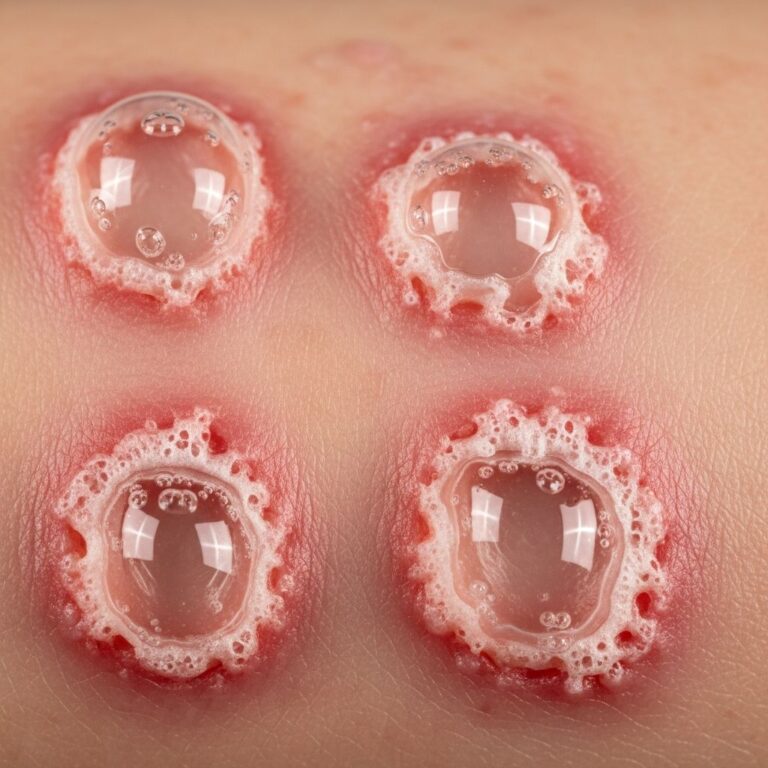
Severe cutaneous reactions: blistering, peeling skin, Stevens-Johnson syndrome, DRESS, AGEP, TEN.
Carnitine depletion: anxiety, confusion, hypoglycemia, muscle pain, fatigue.
Clostridioides difficile diarrhea: severe watery/bloody stools, fever, cramps (may occur up to 2 months post-treatment).
Other: black tarry stools, seizures, yellowing skin, unusual bleeding.
How to cope with side effects of pivmecillinam tablets
- Nausea: Take with food; eat small meals; ginger tea may help.
- Diarrhea: Stay hydrated with oral rehydration solutions; probiotics if approved; report if severe or bloody.
- Vaginal itching: Over-the-counter antifungal if candidiasis suspected; consult doctor.
- Rash or swelling: Stop medication and seek emergency care.
- Fatigue or confusion: Monitor blood sugar; contact doctor for carnitine risk evaluation.
Pregnancy and breastfeeding while taking pivmecillinam tablets
Limited data exists; category not strictly defined, but use only if clearly needed. It passes into breast milk in small amounts; monitor infant for diarrhea or thrush. Discuss risks with your healthcare provider.
Other things to know about pivmecillinam tablets
- May interfere with newborn screening for isovaleric acidemia.
- Not for viral infections or prophylaxis without proven need.
- Store at room temperature; discard unused after course.
- Overdose: Seek immediate help; symptoms include severe nausea, seizures.
Health information and warnings
Pivmecillinam contributes to antibiotic stewardship by targeting UTIs specifically, reducing broader resistance risks. Report all adverse events to improve safety data.
Popular FAQs
What is pivmecillinam used for?
Primarily uncomplicated UTIs (cystitis) caused by susceptible bacteria like E. coli in women and children.
How quickly does pivmecillinam work?
Symptoms often improve within 1-2 days, but complete the full course.
Does pivmecillinam cause diarrhea?
Yes, it’s common (2-4%); severe cases may indicate C. diff—contact your doctor.
Can I drink alcohol with pivmecillinam?
No specific interaction, but avoid excess to prevent dehydration worsening side effects.
Is pivmecillinam safe in pregnancy?
Use only if benefits outweigh risks; consult your doctor.
References
- Pivmecillinam (oral route) – Mayo Clinic — Mayo Clinic. 2023-10-01. https://www.mayoclinic.org/drugs-supplements/pivmecillinam-oral-route/description/drg-20568665
- Pivmecillinam: MedlinePlus Drug Information — MedlinePlus (NIH). 2024-05-15. https://medlineplus.gov/druginfo/meds/a624031.html
- Pivmecillinam: Side Effects, Uses, Dosage, Interactions, Warnings — RxList. 2024-08-20. https://www.rxlist.com/pivmecillinam/generic-drug.htm
- Pivmecillinam (Pivya) – IDStewardship — IDStewardship. 2024-03-12. https://www.idstewardship.com/drugs/pivmecillinam-pivya/
- Pivmecillinam | Memorial Sloan Kettering Cancer Center — MSKCC. 2024-01-10. https://www.mskcc.org/cancer-care/patient-education/medications/adult/pivmecillinam
- Pivya (Pivmecillinam): Uses, Side Effects, Interactions – WebMD — WebMD. 2024-06-05. https://www.webmd.com/drugs/2/drug-502131/pivya-pivmecillinam/details
- Pivmecillinam | Johns Hopkins ABX Guide — Johns Hopkins. 2024-09-01. https://www.hopkinsguides.com/hopkins/view/Johns_Hopkins_ABX_Guide/540665/all/Pivmecillinam
Similar Articles








Read full bio of Sneha Tete