The Placebo Effect: Expectation and Reward
Understanding how expectation and reward mechanisms drive the placebo effect in clinical practice.
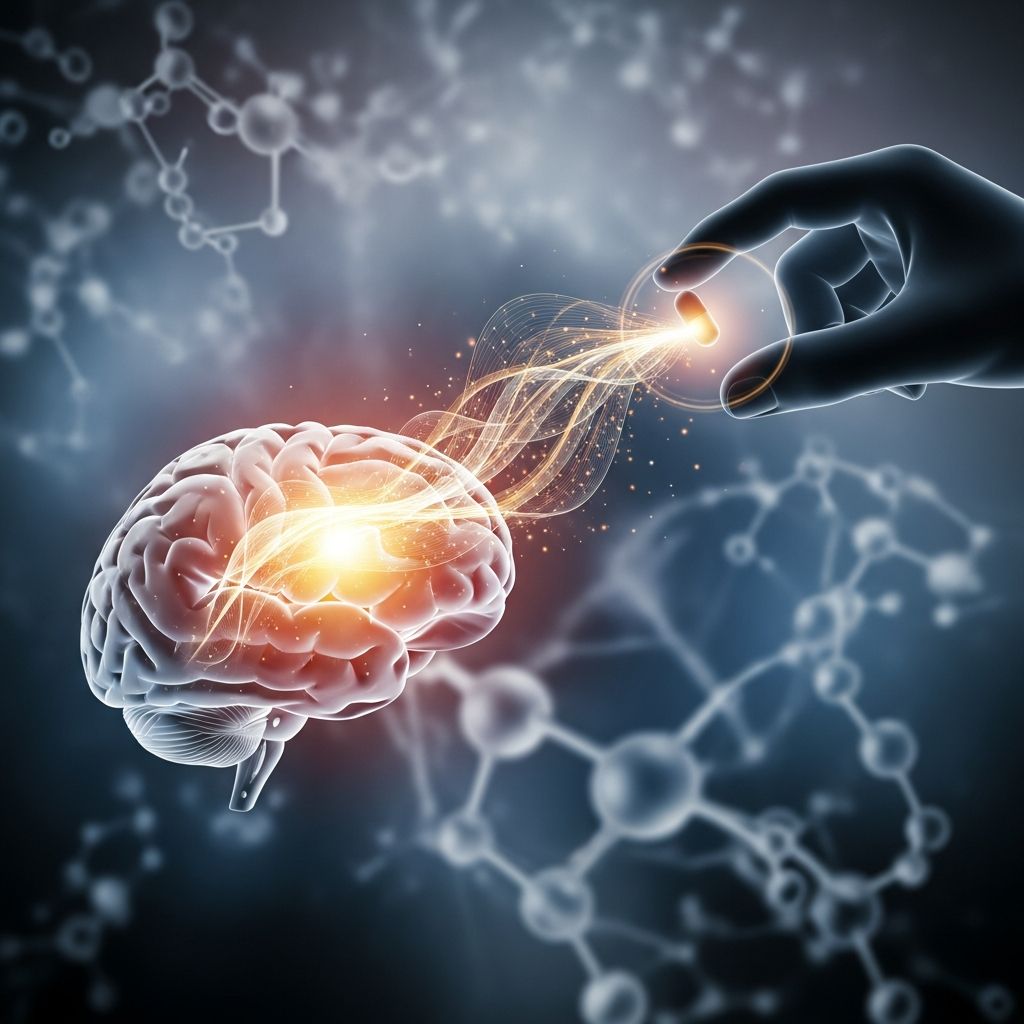
Understanding the Placebo Effect: Expectation and Reward
The placebo effect represents one of the most fascinating phenomena in modern medicine, demonstrating the profound influence of the mind on physical health outcomes. This comprehensive exploration examines the neural mechanisms underlying the placebo response, with particular emphasis on how expectation and reward pathways interact to modulate pain perception and therapeutic efficacy. The placebo effect is not merely a psychological phenomenon but involves measurable neurobiological changes that can rival the effects of active pharmaceutical interventions.
What Is the Placebo Effect?
The placebo effect is a measurable improvement in symptoms or health outcomes that occurs following an inert treatment or intervention, attributed to the recipient’s expectations and beliefs rather than the pharmacological properties of the treatment itself. This effect has been recognized and documented for centuries, yet modern neuroscience has only recently begun to unravel the complex neural mechanisms that make it possible. The placebo response involves the activation of endogenous healing systems within the body, triggered primarily by psychological factors including expectation, learning, and the therapeutic context.
Research demonstrates that placebo responses are not uniform across all conditions or individuals. The magnitude of the placebo effect varies depending on the type of condition being treated, the strength of the patient’s expectations, the credibility of the treatment presentation, and the quality of the therapeutic relationship. Conditions involving subjective symptom reporting, such as pain, nausea, and fatigue, tend to show larger placebo responses compared to objective measures like blood glucose levels or cholesterol levels.
The Neural Basis of Mind-Body Pain Therapies
Understanding the neural mechanisms of pain is essential to comprehending how mind-body interventions produce their therapeutic effects. The brain plays a central role in pain perception, integrating sensory input from peripheral nociceptors with emotional, cognitive, and contextual information. Pain is not simply a passive sensation transmitted from the body to the brain; rather, it is an active construction of the central nervous system that can be modulated by various psychological and neurobiological factors.
The dorsolateral prefrontal cortex, an area critical for executive function and cognitive control, plays a significant role in pain modulation. When activated through cognitive strategies or expectation-based interventions, this region can exert top-down inhibitory control over pain-processing areas in the brainstem and spinal cord. Additionally, the anterior cingulate cortex, which processes the emotional and affective dimensions of pain, responds dynamically to changes in expectation and therapeutic context.
Complementary and Alternative Medicine Therapies for Pain Management
Complementary and alternative medicine (CAM) approaches have gained increasing attention as researchers investigate their mechanisms of action and efficacy. Several key modalities have demonstrated effectiveness in managing chronic pain through mind-body mechanisms:
Meditation and Mindfulness-Based Interventions
Meditation practices, particularly mindfulness-based stress reduction (MBSR), have shown robust effects in reducing chronic pain and improving pain-related disability. Neuroimaging studies reveal that regular meditation practice produces structural and functional changes in brain regions associated with pain processing, emotional regulation, and self-referential processing. Meditators demonstrate reduced activity in the default mode network—brain regions associated with mind-wandering and self-focused thinking—which correlates with decreased pain perception. These interventions work partly through enhancing attentional control and promoting a non-judgmental awareness of bodily sensations, thereby reducing the catastrophic thinking patterns that amplify pain.
Related Stories



Yoga and Somatic Practices
Yoga combines physical postures, breathing techniques, and meditation to address pain through multiple pathways. The practice enhances body awareness, improves flexibility and strength, and activates the parasympathetic nervous system—the body’s rest-and-digest response system. Neurobiologically, yoga practice has been associated with increased gray matter volume in brain regions related to interoception and emotional regulation. The proprioceptive feedback from gentle movement combined with conscious breathing helps recalibrate the nervous system’s pain threshold and promotes a sense of bodily control.
Cognitive Behavioral Therapies
Cognitive behavioral therapy (CBT) for pain operates through identifying and modifying maladaptive thought patterns and behaviors that perpetuate pain and disability. By helping patients recognize the relationship between their thoughts, emotions, and pain experiences, CBT enables individuals to develop more adaptive coping strategies. Research demonstrates that CBT produces measurable changes in pain-processing brain regions and reduces pain intensity and disability. The therapeutic mechanisms involve both cognitive restructuring and behavioral activation, helping patients gradually increase their activity levels despite pain discomfort.
Brain Changes in Chronic Pain Patients
Chronic pain is not simply persistent acute pain; rather, the nervous system undergoes significant neuroplastic changes that perpetuate and amplify pain signaling. Understanding these changes provides insight into how mind-body interventions reverse maladaptive neurobiological processes.
In chronic pain patients, the brain demonstrates altered connectivity patterns and structural changes in multiple pain-processing regions. The prefrontal cortex exhibits reduced activity and gray matter volume, diminishing top-down pain control. Concurrently, pain-amplifying regions show increased sensitivity and responsiveness. The amygdala, involved in emotional processing, becomes hyperactive, contributing to anxiety and pain catastrophizing. Additionally, inflammation and glial cell activation in the central nervous system can amplify pain signals through multiple mechanisms.
Importantly, these brain changes are not permanent fixtures. Research demonstrates that appropriate interventions—whether pharmacological, psychological, or behavioral—can reverse these maladaptive changes. Mind-body therapies that produce sustained improvements in pain often correlate with normalization of pain-processing brain regions, restoration of prefrontal cortex activity, and reduction of amygdala hyperactivity.
Neurostimulation and Acupuncture as CAM Therapies
Neurostimulation techniques, including transcutaneous electrical nerve stimulation (TENS) and other forms of electrical stimulation, activate neural pathways that inhibit pain transmission. These approaches activate gate-control mechanisms in the spinal cord, blocking pain signals from reaching higher brain centers. Modern neurostimulation techniques have evolved to include more sophisticated approaches targeting specific neural circuits.
Acupuncture, a traditional Chinese medicine practice, has gained recognition through modern neuroscience research. When acupuncture needles stimulate specific anatomical points, they activate sensory nerves that trigger the release of endogenous opioids, serotonin, and other neurotransmitters involved in pain modulation. Functional imaging studies show that acupuncture stimulation activates the dorsolateral prefrontal cortex and other regions involved in pain inhibition, providing a neurobiological explanation for its clinical efficacy. The effectiveness of acupuncture appears enhanced when combined with strong patient expectations and therapeutic context—demonstrating the importance of placebo mechanisms even in somatic interventions.
The Placebo Effect: Mechanisms of Expectation and Reward
The placebo effect operates through distinct neurobiological mechanisms centered on expectation and reward pathways. These systems interact to produce measurable physiological changes that can rival those achieved through active pharmaceutical interventions.
Expectation and Anticipation
Expectation is a powerful modulator of neural function and physiological response. When patients expect pain relief, their brains preemptively activate pain-inhibitory systems through top-down mechanisms. The anterior insula and anterior cingulate cortex process expectations about future events and pain outcomes. These regions communicate with the prefrontal cortex, which generates predictions about likely sensory experiences based on available contextual and historical information. When expectations are positive and aligned with therapeutic messaging, these regions activate systems that suppress pain signals through descending inhibitory pathways to the spinal cord.
The power of expectation is demonstrated in studies showing that the magnitude of placebo analgesia correlates strongly with the intensity of expected pain relief. Patients who receive explicit information about treatment effectiveness demonstrate greater placebo responses than those receiving minimal information. This suggests that the cognitive representation of the treatment—what the patient believes will happen—directly influences neural pain processing.
Reward Mechanisms and Dopamine
The brain’s reward system, centered on dopamine neurotransmission in the ventral striatum and nucleus accumbens, plays a critical role in placebo responses. When patients anticipate positive outcomes—particularly pain relief—these reward-related regions activate in proportion to expected benefit. Dopamine release in response to expected reward appears to be mechanistically linked to placebo analgesia through its effects on pain-processing systems.
The ventromedial prefrontal cortex, a key reward-evaluation region, integrates information about treatment efficacy and contextual cues to generate subjective value predictions. When this region is activated by positive treatment expectations, it communicates with descending pain-inhibitory pathways through the periaqueductal gray matter in the brainstem. The resulting cascade of neurochemical events—involving dopamine, opioids, and other neurotransmitters—actively suppresses pain signal transmission. Research using dopamine antagonists demonstrates that blocking dopamine signaling significantly attenuates placebo analgesic responses, confirming the crucial role of this neurotransmitter system.
Learning and Conditioning
Placebo effects involve both implicit learning through classical conditioning and explicit cognitive processes. When a neutral stimulus (such as a treatment ritual or environmental context) is repeatedly paired with pain relief, the nervous system learns to associate that stimulus with analgesia. Subsequently, presentation of the conditioned stimulus alone can trigger pain-inhibitory responses, even without active pharmacological intervention. This learning-based mechanism can produce measurable reductions in pain sensitivity and altered pain-related brain activation patterns.
Clinical Applications and Integration
Understanding the neural mechanisms of placebo effects and mind-body interventions has important implications for clinical practice. These mechanisms are not separate from mainstream medicine but represent fundamental principles of how the nervous system responds to therapeutic contexts and patient expectations.
Healthcare providers can harness placebo mechanisms ethically by optimizing treatment presentation, providing accurate information about expected benefits, establishing strong therapeutic relationships, and creating healing-conducive environmental contexts. When mind-body interventions are integrated with conventional treatments, the combined approach can produce superior outcomes compared to either approach alone. For chronic pain management, this integration is particularly important, as multimodal approaches addressing both biological and psychological factors tend to produce the most sustainable improvements.
Research Evidence and Clinical Outcomes
Recent research demonstrates the clinical significance of placebo mechanisms and mind-body interventions. Studies show that a single 2-hour pain relief skills class can reduce pain catastrophizing, pain intensity, and pain bothersomeness in people with chronic low-back pain for at least 6 months, with effectiveness comparable to 8-session cognitive behavioral therapy programs. Virtual mindfulness-based interventions delivered via telehealth have proven helpful for veterans with chronic pain, improving pain-related function compared to usual care.
These findings underscore that understanding and effectively engaging the neural mechanisms of placebo and expectation represents a scientifically valid and clinically important approach to pain management. The field of complementary and integrative health continues to expand our understanding of how psychological factors, behavioral interventions, and mind-body approaches can produce measurable neurobiological changes that improve health outcomes.
Frequently Asked Questions
Q: Is the placebo effect just imagination or psychological, without real physical effects?
A: No. The placebo effect involves measurable neurobiological changes, including altered brain activity, neurotransmitter release, and activation of pain-inhibitory pathways. Functional imaging studies confirm that placebo interventions activate real neural mechanisms. However, the triggering of these mechanisms is psychological—driven by expectations, context, and therapeutic relationship.
Q: Can placebo effects work even when patients know they’re receiving a placebo?
A: Research suggests that even “open-label” placebos—where patients are explicitly told they’re receiving an inert treatment—can produce measurable benefits. This indicates that factors beyond deception, such as the ritual of treatment and therapeutic relationship, contribute to placebo responses.
Q: How do mind-body interventions compare to pharmaceutical treatments for chronic pain?
A: Mind-body interventions can produce comparable pain reduction to pharmaceutical approaches for many chronic pain conditions, with additional benefits including improved mood, function, and reduced medication dependence. Optimal outcomes often result from integrating both approaches.
Q: Can understanding placebo mechanisms help improve my pain management?
A: Yes. Being aware of how expectations influence pain perception allows you to work consciously with these mechanisms through cognitive strategies, mindfulness practices, and therapeutic contexts that promote healing.
Q: What brain regions are most important for placebo-mediated pain relief?
A: Key regions include the dorsolateral prefrontal cortex (cognitive control), anterior cingulate cortex (emotional processing), ventromedial prefrontal cortex (reward evaluation), and periaqueductal gray matter (descending pain inhibition). These regions communicate to suppress pain signals through multiple neurotransmitter systems.
References
- Strategic Plan FY 2021–2025: Mapping a Pathway to Research on Whole Person Health — National Center for Complementary and Integrative Health, National Institutes of Health. 2021. https://www.nccih.nih.gov/about/strategic-plan
- Benefits of a Single-Session Pain Skills Class Last for 6 Months in People With Chronic Low-Back Pain — Stanford University, published in Pain Reports. February 2024. https://www.nccih.nih.gov/research/research-results/2024
- Telehealth Mindfulness-Based Interventions Were Helpful for Veterans With Chronic Pain in a Large Real-World Study — Pain Management Collaboratory, National Center for Complementary and Integrative Health. August 2024. https://www.nccih.nih.gov/research/research-results/2024
- Complementary, Alternative, or Integrative Health: What’s In a Name? — National Center for Complementary and Integrative Health, National Institutes of Health. https://www.nccih.nih.gov/health/complementary-alternative-or-integrative-health-whats-in-a-name
- NCCIH Online Continuing Education Series — National Center for Complementary and Integrative Health, National Institutes of Health. https://www.nccih.nih.gov/training/videolectures
Similar Articles








Read full bio of medha deb