Placenta Previa: Symptoms, Causes & Treatments
Understanding placenta previa: causes, symptoms, diagnosis, and safe delivery options.
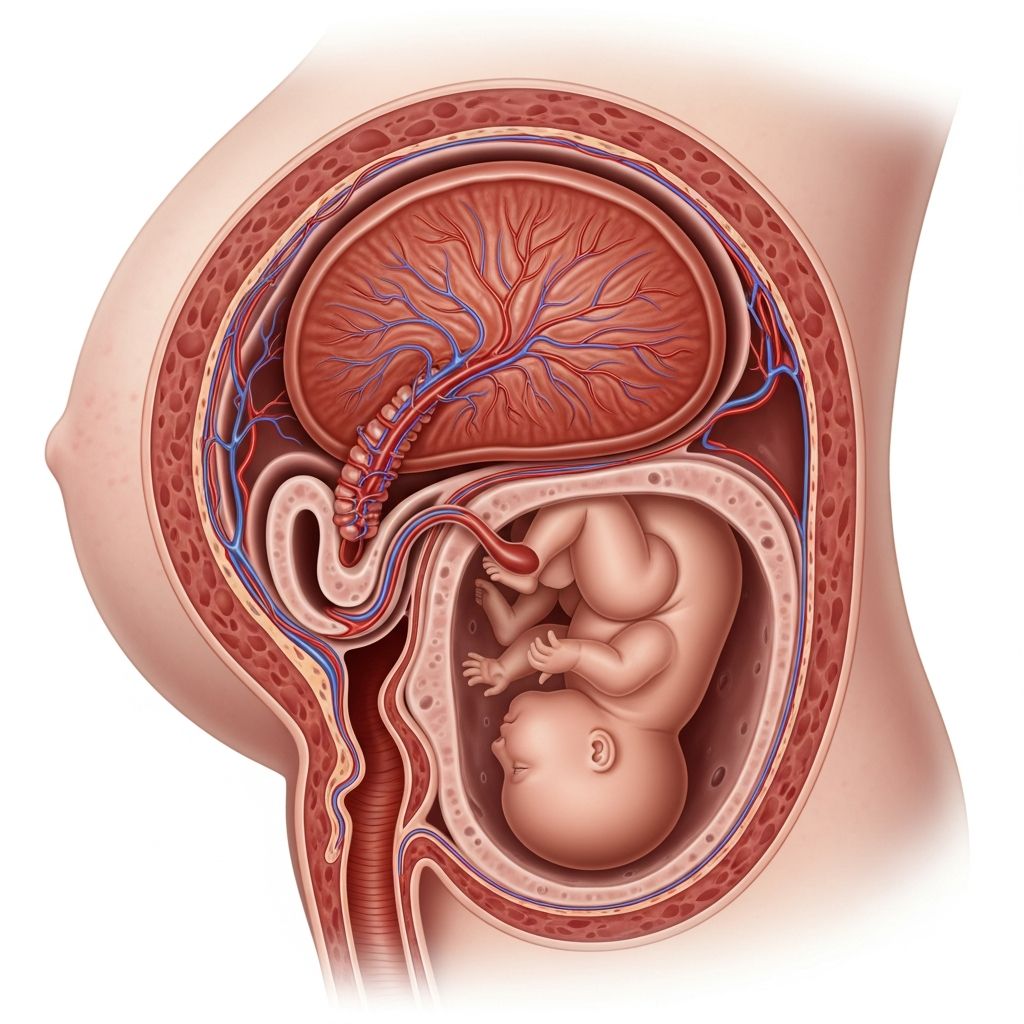
Understanding Placenta Previa
Placenta previa is a pregnancy condition in which the placenta blocks all or part of your cervix in the last months of pregnancy. The placenta is a sac-like organ that develops in your uterus during pregnancy and supplies oxygen and nutrients to the fetus through the umbilical cord. When the placenta covers the cervical opening, it can prevent normal vaginal delivery and cause significant vaginal bleeding, making cesarean delivery the safest option for delivery.
This condition occurs in approximately 1 in 200 pregnancies and is typically identified during routine ultrasound screening in the second trimester. While placenta previa can be concerning, modern prenatal care and delivery methods have made it manageable, though it requires careful monitoring and specialized delivery planning.
Types of Placenta Previa
Placenta previa is classified into different types based on how much of the cervix is covered by the placenta. Understanding these types helps your healthcare provider determine the safest delivery approach and level of monitoring needed throughout your pregnancy.
- Complete placenta previa: The placenta completely covers the internal cervical opening (internal os), fully blocking the passage from the uterus to the birth canal.
- Partial placenta previa: The placenta covers part of the cervical opening, leaving some of the passage partially open.
- Marginal placenta previa: The edge of the placenta is close to the cervix but does not cover it. This type may allow for vaginal delivery in some cases, though it carries increased bleeding risks.
- Low-lying placenta: The placental edge does not cover the internal os but is within 2 cm of it, representing a borderline condition.
How Placenta Previa Differs from Other Conditions
It’s important to understand how placenta previa differs from other pregnancy complications. Placental abruption, for instance, occurs when the placenta detaches from the uterus, whereas in placenta previa, the placenta remains attached to the uterus but is positioned over the cervix. Both conditions can cause vaginal bleeding during pregnancy and labor, but they require different management approaches.
Placenta previa should also not be confused with anterior placenta, which simply means the placenta has implanted in the front of your uterus. Think of anterior placenta as a pillow positioned between your baby and your stomach. This is a normal variation and does not interfere with vaginal delivery or pose the same risks as placenta previa.
Symptoms of Placenta Previa
The most common symptom of placenta previa is vaginal bleeding during the second half of pregnancy. Understanding these symptoms helps you recognize when to seek medical attention.
- Painless vaginal bleeding: Bright red bleeding from the vagina after 20 weeks of pregnancy is the primary symptom. The bleeding may be light or heavy and can occur without warning.
- Sudden onset of bleeding: Bleeding episodes may start unexpectedly, often during rest or activity.
- Recurring bleeding: Some women experience multiple episodes of bleeding throughout the pregnancy.
- Cramping and contractions: Mild to moderate uterine cramping may accompany bleeding episodes.
If you experience any vaginal bleeding during pregnancy, contact your healthcare provider immediately, even if the bleeding seems minimal. Vaginal bleeding in the second and third trimesters should always be evaluated.
Related Stories



Causes and Risk Factors
While the exact cause of placenta previa isn’t always clear, several factors increase the risk of developing this condition. Understanding these risk factors can help you discuss your individual risk profile with your healthcare provider.
- Previous cesarean delivery: Women who have had prior C-sections have increased risk, particularly with multiple prior cesareans. The uterine scars from cesarean deliveries can influence placental positioning, causing the placenta to implant in lower uterine segments.
- Uterine scarring: Any surgical procedures on the uterus, including D&C (dilation and curettage) or fibroid removal, increase risk through scar tissue formation.
- Uterine fibroids: Non-cancerous growths in the uterus can affect placental positioning and increase placenta previa risk.
- Advanced maternal age: Women over 35 years old have a higher incidence of placenta previa, with approximately 40-41% of placenta previa cases occurring in women over 35.
- Smoking: Maternal smoking is a significant risk factor for placenta previa with pathological adhesion.
- Multiple pregnancies: Carrying twins, triplets, or more increases the risk.
- Asian or Hispanic ethnicity: Certain ethnic groups have higher incidence rates.
- In vitro fertilization: Assisted reproductive technology use is associated with increased risk.
Diagnosis of Placenta Previa
Healthcare providers typically diagnose placenta previa through ultrasound imaging, which can clearly show the position of the placenta in relation to the cervix. Diagnosis and ongoing monitoring are crucial for safe pregnancy management.
When Diagnosis Occurs
Placenta previa is usually identified during a routine ultrasound around 20 weeks of pregnancy, though it may be discovered earlier or later depending on when symptoms develop. If you experience vaginal bleeding, your provider may perform an ultrasound to evaluate the placental position. It’s important to note that placenta previa detected early in pregnancy often resolves naturally by 28 weeks as the uterus enlarges and the placenta changes position.
Ultrasound Imaging Methods
Your healthcare provider uses specialized ultrasound techniques to diagnose placenta previa:
- Transabdominal ultrasound: A probe is moved across your abdomen to visualize the uterus and placenta from outside your body.
- Transvaginal ultrasound: A probe is inserted into the vagina to provide closer, more detailed images of the cervix and lower uterine segment where the placenta may be located.
Both types of ultrasound display images on a monitor, allowing your provider to determine exactly how much of your cervix is covered by the placenta. This information guides all subsequent treatment decisions and delivery planning.
Treatment and Management
Treatment for placenta previa depends on several factors, including the type of placenta previa you have, the severity of bleeding, how far along you are in your pregnancy, and your overall health status. The primary goal is to bring your pregnancy as close to your due date as possible while keeping you and your baby safe.
Management During Pregnancy
If you have mild bleeding before 36 weeks of pregnancy, your healthcare provider may recommend modified activity, which includes:
- Pelvic rest (avoiding intercourse, douching, and vaginal exams)
- Limited physical activity and exercise
- Avoiding strenuous activities and heavy lifting
- Frequent prenatal monitoring with ultrasounds
- Instructions to go to the hospital immediately if heavy bleeding occurs
For marginal placenta previa where the placenta is close to but not covering the cervix, your healthcare provider may discuss the possibility of vaginal delivery. However, this carries significant bleeding risks and may be too dangerous depending on your specific circumstances.
Delivery Options
Cesarean section (C-section) is the standard and safest delivery method for placenta previa. If the placenta covers even a small part of your cervix, attempting vaginal delivery can cause severe, life-threatening bleeding. Your provider will typically schedule your C-section in advance, usually between 36 to 37 weeks and 6 days of pregnancy, allowing your baby’s lungs to mature while minimizing bleeding risks.
If you experience severe bleeding at any time during pregnancy, you may require an emergency C-section regardless of how far along you are. In cases where placenta accreta spectrum (abnormal placental adhesion) is suspected, delivery may be performed at a tertiary care center with a team of experienced specialists, including obstetricians, anesthesiologists, and potentially urologists or general surgeons, depending on the complexity of the case.
Complications and Related Conditions
Placenta previa can lead to serious complications, particularly when combined with other conditions. Understanding these potential complications helps emphasize the importance of proper monitoring and specialized care.
Placenta Accreta Spectrum (PAS): Women with placenta previa and prior cesarean deliveries face increased risk of placenta accreta spectrum, where the placenta abnormally adheres to the uterine wall. The risk increases dramatically with the number of prior cesarean deliveries: 3% with one prior cesarean, 11% with two, 40% with three, 61% with four, and 67% with five or more prior cesareans. PAS can cause severe maternal bleeding, requiring blood transfusions, hysterectomy, and in severe cases, complications involving the bladder or intestines.
Maternal Hemorrhage: Severe vaginal bleeding is the primary risk, potentially leading to anemia, shock, and life-threatening blood loss.
Preterm Birth: Complications from placenta previa may necessitate early delivery before 37 weeks.
Fetal Complications: These may include intrauterine growth restriction, preterm birth, fetal anemia, and in severe cases, intrauterine fetal death.
Frequently Asked Questions
Q: Can placenta previa resolve on its own?
A: Yes, placenta previa diagnosed early in pregnancy often resolves naturally by 28 weeks as the uterus enlarges and the placenta repositions. Only a small percentage of cases persist to term.
Q: Is placenta previa life-threatening?
A: While placenta previa requires careful management and monitoring, modern medical care has made it safe for both mother and baby. With proper prenatal care and planned cesarean delivery, outcomes are generally excellent.
Q: Can I have a vaginal delivery with placenta previa?
A: Vaginal delivery is generally not recommended with placenta previa due to severe bleeding risks. Only in marginal placenta previa cases might vaginal delivery be considered, and only after careful discussion with your healthcare provider about the risks.
Q: How often will I need ultrasounds?
A: Your provider will recommend regular ultrasounds to monitor placental position. The frequency depends on your specific situation but typically increases as pregnancy progresses, especially after 28 weeks.
Q: Will placenta previa affect my baby?
A: When managed properly, placenta previa typically does not harm your baby. However, complications from severe bleeding or preterm delivery (if necessary) could potentially affect your baby’s health.
Q: Should I be on bed rest?
A: Bed rest isn’t always necessary, but pelvic rest and modified activity are typically recommended. Your healthcare provider will give you specific restrictions based on your bleeding and overall pregnancy status.
Q: Can I exercise with placenta previa?
A: Strenuous exercise and heavy lifting should be avoided. Your provider can advise you on what light activities are safe for your specific situation.
When to Seek Medical Attention
Contact your healthcare provider immediately if you experience any of the following:
- Vaginal bleeding, regardless of amount
- Heavy bleeding that soaks through a pad in an hour
- Severe abdominal pain or cramping
- Signs of preterm labor (contractions, fluid leakage, pressure in the pelvis)
- Dizziness, fainting, or signs of shock
Living with Placenta Previa
A diagnosis of placenta previa can be emotionally challenging, as it may create anxiety about pregnancy complications and delivery. It’s important to remember that with modern medical care and proper monitoring, most pregnancies with placenta previa result in healthy babies and healthy mothers. Maintain open communication with your healthcare provider, attend all prenatal appointments, follow activity recommendations, and don’t hesitate to report any symptoms or concerns. Having a strong support system and understanding your condition can help you navigate this pregnancy with greater confidence and peace of mind.
References
- Placenta Previa: Symptoms, Causes & Treatments — Cleveland Clinic. 2024. https://my.clevelandclinic.org/health/diseases/24211-placenta-previa
- Placenta Previa — Gynecology and Obstetrics — Merck Manuals Professional Edition. 2024. https://www.merckmanuals.com/professional/gynecology-and-obstetrics/antenatal-complications/placenta-previa
- Placenta Praevia with Abnormal Adhesion—A Retrospective Study — National Center for Biotechnology Information (NCBI). 2024. https://pmc.ncbi.nlm.nih.gov/articles/PMC11853744/
- Maternal and Perinatal Outcomes in Placenta Previa: A Comprehensive Review of Evidence — Cureus. 2024. https://www.cureus.com/articles/251357-maternal-and-perinatal-outcomes-in-placenta-previa-a-comprehensive-review-of-evidence
Similar Articles








Read full bio of medha deb