Placental Abruption: Causes, Symptoms & Treatment
Understanding placental abruption: symptoms, risks, and how it affects pregnancy outcomes.
What Is Placental Abruption?
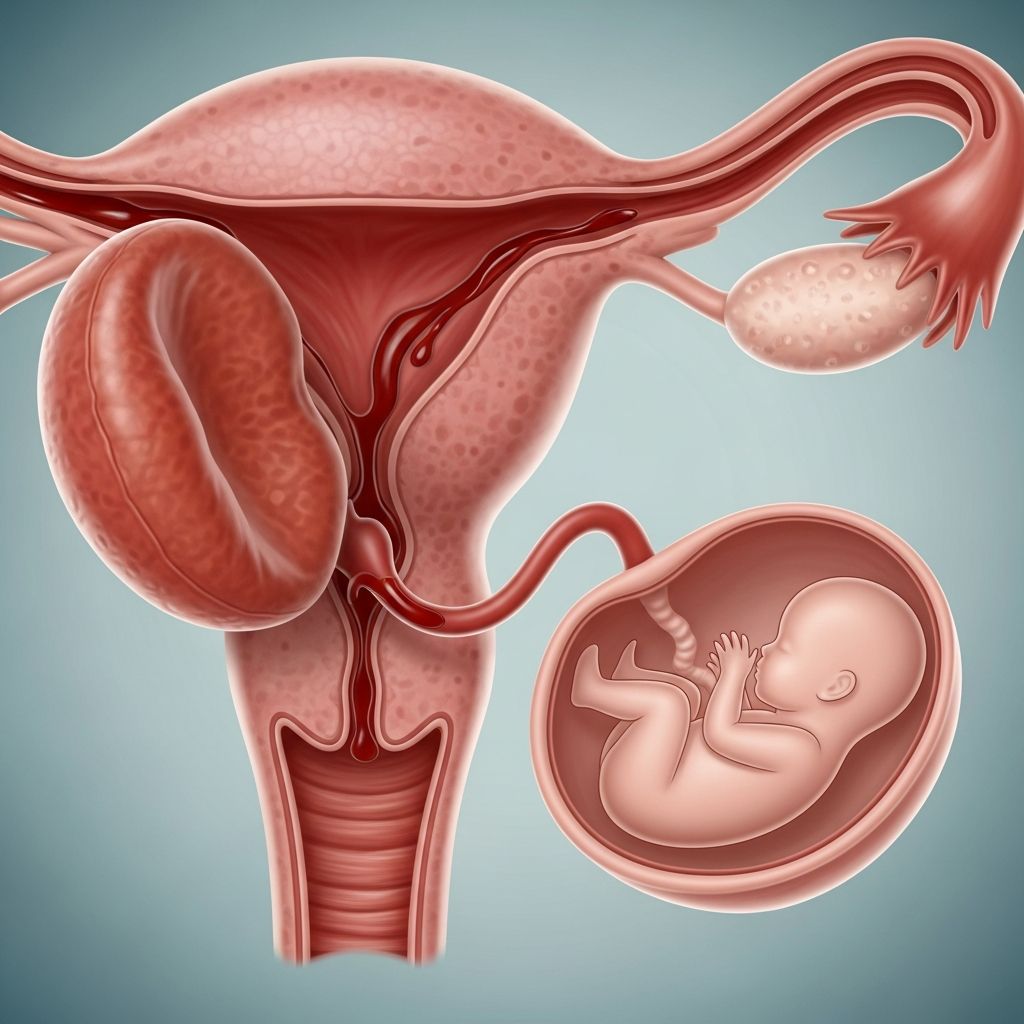
Placental abruption, also known as abruptio placentae, is a serious pregnancy complication in which the placenta partially or completely separates from the inner wall of the uterus before delivery. This separation can occur at any time during pregnancy, but it most commonly happens during the third trimester. Placental abruption is a medical emergency that can be life-threatening for both the mother and the fetus if not promptly diagnosed and treated.
Causes of Placental Abruption
The exact cause of placental abruption is not always clear, but several risk factors have been identified:
- High blood pressure or preeclampsia: Hypertensive disorders during pregnancy are among the most common causes.
- Abdominal trauma: Physical injury to the abdomen, such as from a fall or car accident, can trigger abruption.
- Smoking or substance use: Tobacco, alcohol, and illicit drugs increase the risk.
- Advanced maternal age: Women over 35 are at higher risk.
- Multiple pregnancies: Carrying twins or more increases the likelihood.
- Previous placental abruption: Having had abruption in a prior pregnancy raises the risk for recurrence.
- Uterine abnormalities: Structural issues in the uterus can contribute.
- Short umbilical cord: This can increase tension and risk of separation.
Symptoms of Placental Abruption
Symptoms can vary depending on the severity of the abruption. Common signs include:
- Vaginal bleeding: This may be light or heavy, but not always present (especially in concealed abruption).
- Abdominal pain: Often sudden and severe, sometimes described as cramping.
- Back pain: Especially if the abruption is posterior.
- Uterine tenderness or rigidity: The uterus may feel hard or painful to touch.
- Frequent contractions: Contractions may be more frequent than normal.
- Fetal distress: Signs include decreased fetal movement or abnormal heart rate.
Types of Placental Abruption
Placental abruption can be classified based on the extent and presentation:
| Type | Description |
|---|---|
| Partial | The placenta does not fully separate from the uterine wall. |
| Complete | The placenta separates entirely from the uterine wall. |
| Revealed | Bleeding is visible through the vagina. |
| Concealed | Bleeding is trapped behind the placenta and not visible. |
Diagnosis of Placental Abruption
Diagnosis is based on clinical symptoms, physical examination, and sometimes imaging:
- Physical exam: Healthcare providers check for uterine tenderness, rigidity, and signs of bleeding.
- Fetal heart rate monitoring: Abnormal patterns may indicate fetal distress.
- Ultrasound: While not always definitive, it can sometimes show signs of abruption.
- Blood tests: Abnormal coagulation tests may support the diagnosis.
Complications of Placental Abruption
Placental abruption can lead to serious complications for both mother and baby:
For the Fetus:
- Restricted growth due to lack of nutrients
- Oxygen deprivation
- Premature birth
- Stillbirth
For the Mother:
- Shock from blood loss
- Blood clotting disorders (such as disseminated intravascular coagulation, or DIC)
- Need for blood transfusion
- Organ failure (kidneys, liver)
- Rarely, hysterectomy if bleeding cannot be controlled
Treatment of Placental Abruption
Treatment depends on the severity of the abruption, gestational age, and the stability of both mother and fetus:
- Mild abruption: If the pregnancy is not near term and both mother and fetus are stable, hospitalization for observation may be recommended. Bed rest and close monitoring are often advised.
- Moderate to severe abruption: Prompt delivery is usually necessary, especially if there is maternal or fetal instability. Cesarean delivery is often required.
- Stable, near-term pregnancy: If bleeding resolves and both mother and fetus remain stable, ambulation and hospital discharge may be allowed.
- Continued bleeding or deterioration: Immediate cesarean delivery is indicated.
Related Stories



Grading of Placental Abruption
Placental abruption is typically classified into three grades:
| Grade | Description |
|---|---|
| Grade 1 | Mild; minimal bleeding, no fetal distress. |
| Grade 2 | Moderate; more bleeding, possible fetal distress. |
| Grade 3 | Severe; heavy bleeding, fetal distress, maternal instability. |
Prognosis and Survival Rates
The two main factors affecting survival rates are:
- Gestational age at birth
- Severity of the abruption
Early detection, close monitoring, and prompt treatment can help reduce complications. In cases of severe abruption, there is about a 15% chance of fetal death. The risk of recurrence in future pregnancies is about 15% after one abruption and increases to 25% after two prior abruptions.
Prevention and Risk Reduction
While placental abruption cannot always be prevented, certain steps can reduce risk:
- Manage high blood pressure and preeclampsia
- Avoid smoking, alcohol, and illicit drugs
- Seek prompt medical care for abdominal trauma
- Attend regular prenatal checkups
- Report any unusual symptoms (bleeding, pain) immediately
Frequently Asked Questions (FAQs)
Q: Can placental abruption be prevented?
A: While not always preventable, managing risk factors like high blood pressure, avoiding smoking, and attending regular prenatal care can help reduce the risk.
Q: What are the chances of having another abruption in a future pregnancy?
A: After one abruption, the risk is about 15%. After two, it increases to about 25%.
Q: Is placental abruption common?
A: Placental abruption occurs in about 1% of pregnancies, making it relatively uncommon but serious.
Q: Can placental abruption happen during labor?
A: Yes, it can occur during labor. If there is maternal or fetal instability, a cesarean section may be necessary.
Q: What happens if the placenta is only partially separated?
A: Partial abruption may allow for continued pregnancy with close monitoring, but severe cases may still require prompt delivery.
References
- Placental Abruption (Abruptio Placentae) – Gynecology and Obstetrics — Merck Manual. 2024. https://www.merckmanuals.com/professional/gynecology-and-obstetrics/antenatal-complications/placental-abruption-abruptio-placentae
- Hidden Preeclampsia Leading to Placental Abruption and Complications — NIH. 2024. https://pmc.ncbi.nlm.nih.gov/articles/PMC12133109
- Placental Abruption: Causes, Symptoms, & Treatment — Cleveland Clinic. 2024. https://my.clevelandclinic.org/health/diseases/9435-placental-abruption
Similar Articles








Read full bio of medha deb