Plague (Yersinia pestis): Causes, Symptoms, and Treatment
Understanding plague: history, transmission, symptoms, diagnosis, and modern treatment of this deadly bacterial infection.
Plague: A Bacterial Infection Caused by Yersinia pestis
Plague is a potentially life-threatening infectious disease caused by the Gram-negative bacterium Yersinia pestis. This ancient pathogen has shaped human history through three major pandemics and continues to pose a public health threat in various regions worldwide. The disease remains a significant concern despite modern medical advances, classified as a Category A bioterrorism agent by the U.S. Centers for Disease Control and Prevention (CDC) due to its ability to spread rapidly and cause high mortality rates. Understanding plague, its transmission mechanisms, clinical presentations, and treatment options is essential for healthcare providers and the general public alike.
History and Evolution of Yersinia pestis
The history of plague is intertwined with human civilization, with evidence suggesting that Yersinia pestis has affected populations since ancient times. Ancient DNA evidence demonstrates that the bacterium afflicted human populations as far back as the Neolithic period, with genomes recovered from the Eurasian Late Neolithic/Early Bronze Age revealing key evolutionary steps in the pathogen’s development. The modern scientific understanding of plague began in 1894 when Swiss-French physician Alexandre Yersin, affiliated with the Pasteur Institute, identified the causative bacterium, later named in his honor. In 1898, French physician Paul-Louis Simond made a crucial discovery: that Y. pestis is transmitted from rodents to humans by infected flea bites, dramatically advancing scientific knowledge of disease transmission.
The development of treatments followed these discoveries. In 1896, researchers developed an antiserum to treat infection, and Russian-born bacteriologist Waldemar Mordecai Haffkine began work on a plague vaccine. Beginning in 1897, Haffkine’s vaccine was shipped to India, where it was administered to millions until the mid-1920s. However, from the late 1890s until about 1917, an estimated 5.5 to 6 million people died from plague in India despite vaccine availability. The introduction of antibiotics, beginning with sulfonamides in the 1930s, greatly reduced plague’s occurrence and severity.
Transmission and Natural History
Understanding how plague spreads is critical for prevention and control. Yersinia pestis is a zoonotic disease, meaning it naturally circulates among animal populations and occasionally spills over to humans. The persistence of plague in the environment relies on a delicate balance between contaminated soils, burrowing and nonburrowing mammals with varying susceptibility to infection, and their associated fleas.
Flea-Mediated Transmission
The primary transmission route involves infected fleas, particularly the rat flea Xenopsylla cheopis. When an infected flea takes a blood meal from an animal, the bacterium multiplies within the flea’s digestive system. The flea’s proventriculus (throat) becomes partially or completely blocked by a biofilm of bacterial cells within 3 to 7 days after infection. This blockage fundamentally changes flea behavior—unable to feed normally, the fleas become relentless in their biting attempts, dramatically increasing transmission opportunities. During its blocked state, when the flea attempts to feed, it regurgitates Y. pestis-infected blood directly into the bite wound. The vectorial capacity of blocked fleas is considerably higher than during earlier transmission phases, making them highly efficient disease vectors.
Other Transmission Routes
While flea bites represent the primary transmission method, plague can spread through additional routes. Droplet inhalation after close contact with infected mammals induces primary pneumonic plague, the most dangerous form due to its rapid progression and high mortality rate. The rarely reported consumption of contaminated raw meat from infected animals causes pharyngeal and gastrointestinal plague, representing a third, uncommon transmission pathway.
Clinical Forms of Plague
Plague presents in three distinct clinical forms, each with characteristic symptoms and progression patterns. The form that develops depends on the route of infection and the host’s immune response.
Bubonic Plague
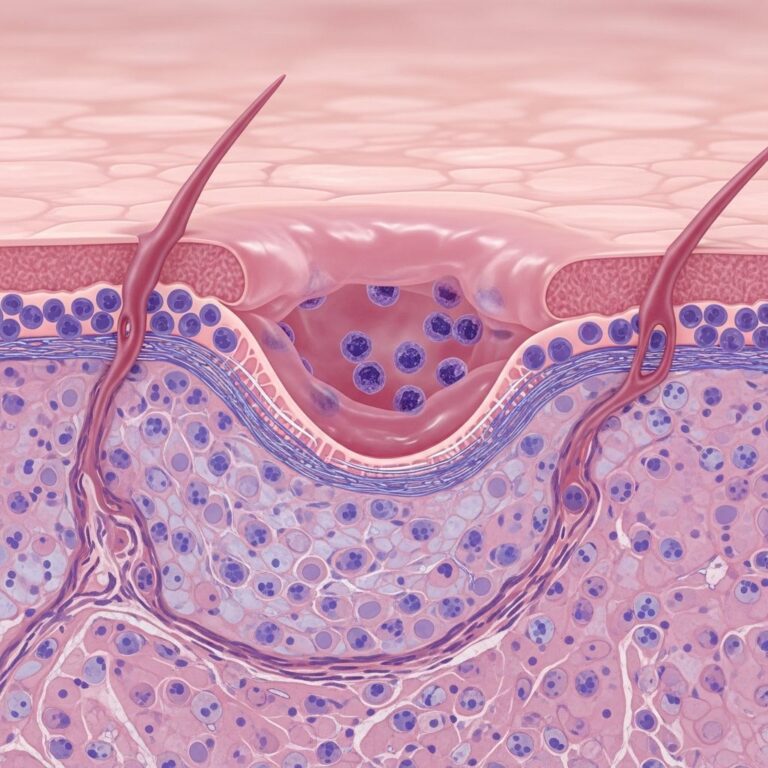
Bubonic plague is the most common form, resulting from infected flea bites. Following the bite, bacteria spread rapidly, surviving and replicating within neutrophils that travel to regional lymph nodes. At the site of entry, Y. pestis may cause skin ulceration, presenting as carbuncles and ulcers along with pustules, spots, petechiae, bruising, and gangrene. The hallmark feature is the development of buboes—painful, dramatically enlarged lymph nodes in the groin, armpits, or neck region. These occur due to massive bacterial replication within lymphoid tissue and surrounding tissue swelling. If untreated, the infection progressively spreads, leading to systemic complications.
Related Stories



Septicemic Plague
Septicemic plague occurs when Y. pestis spreads via the lymphatic system and blood vessels to the spleen and liver, causing rapidly fatal septicemia with dissemination to the lungs and meninges. This form presents with hemodynamic instability, hypotension, and shock without preceding lymphadenopathy. During this progression, Y. pestis rapidly multiplies in tissues while evading the immune system through serum resistance and suppression of innate immune functions. The hematogenous dissemination of bacteria may cause intravascular coagulation and endotoxic shock, representing medical emergencies requiring immediate intervention.
Pneumonic Plague
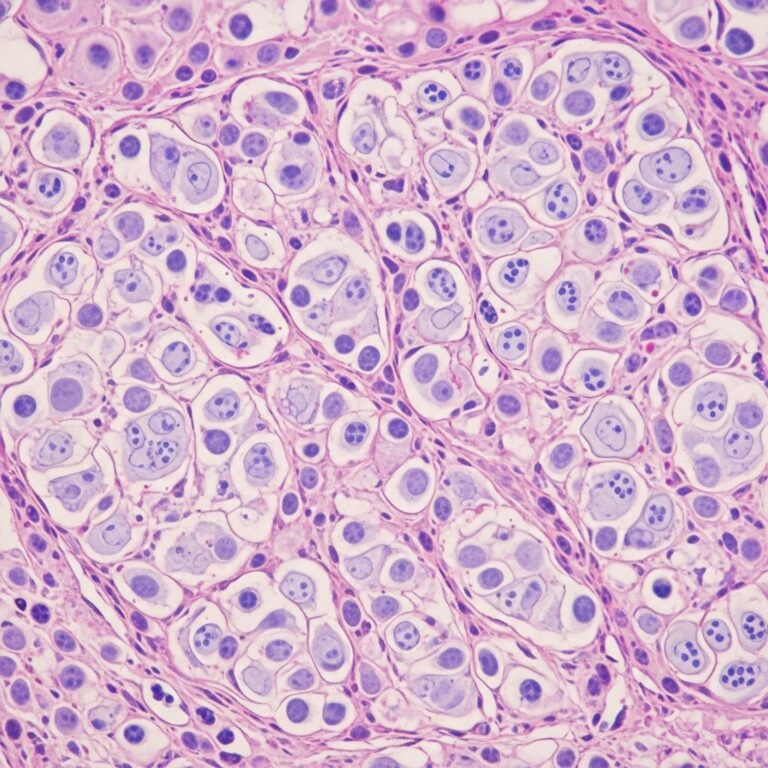
Pneumonic plague results from direct inhalation of bacteria, occurring either as primary pneumonic plague from environmental exposure or as secondary pneumonic plague from hematogenous dissemination in bubonic or septicemic cases. When Y. pestis invades alveolar spaces, it rapidly enters the vascular system, inducing fulminant necrotizing pneumonia with severe alveolar edema and vascular hemorrhage. Histological examination reveals destruction of alveolar architecture, intense inflammation, macrophage recruitment with apoptosis, and diffuse interstitial pneumonia, reflecting the devastating impact of the bacterium’s type III secretion system on host cells. Pneumonic plague is the most rapidly progressive form and most likely to result in secondary plague meningitis affecting the meninges and cerebrospinal fluid.
Pathogenesis and Virulence Mechanisms
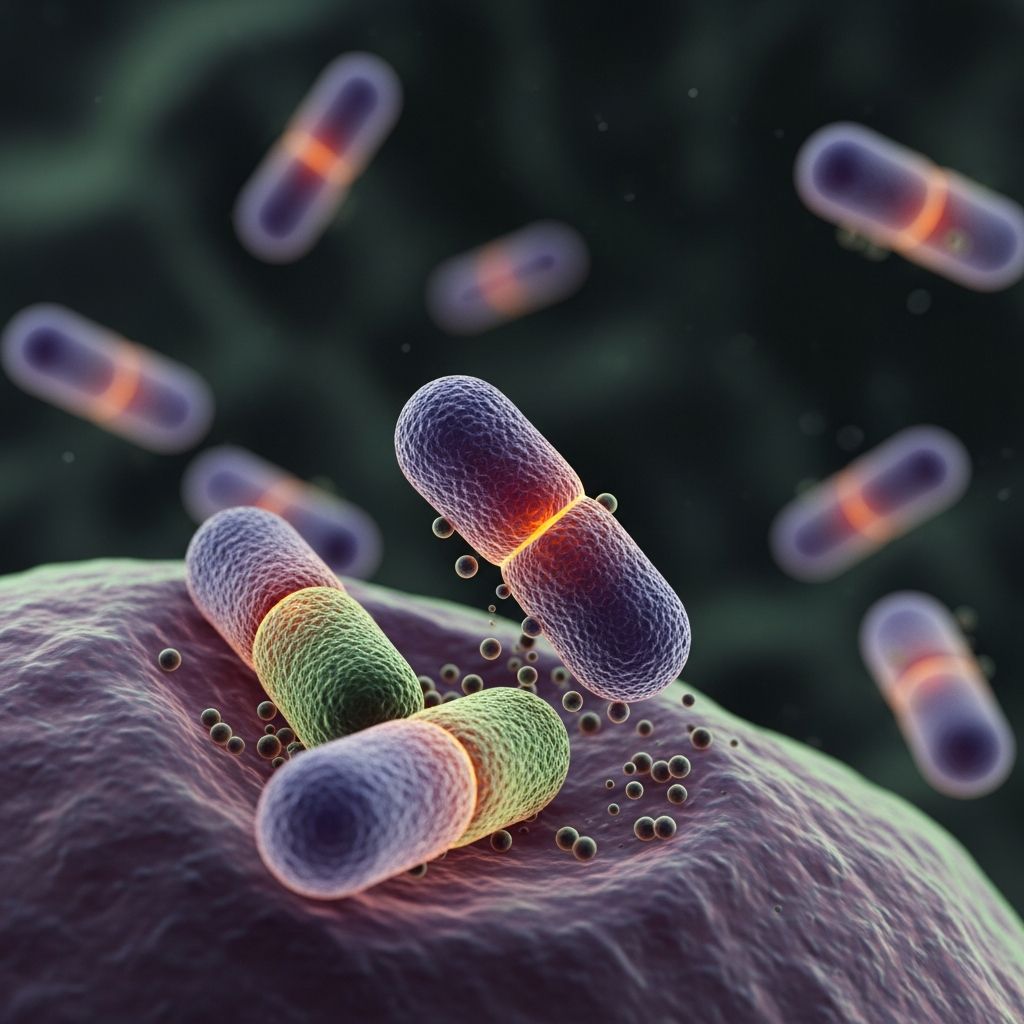
Yersinia pestis is classified as a Gram-negative, facultative intracellular coccobacillus with a spherical to cylindrical shape and thin peptidoglycan cell wall surrounded by an outer lipopolysaccharide membrane. It is also a facultative anaerobe, capable of growing either with or without free oxygen. The bacterium multiplies within macrophages and possesses several sophisticated virulence factors that enable its pathogenicity.
The most significant virulence mechanism is the type III secretion system (T3SS), encoded by the virulence plasmid pYV/pCD1, which injects Yersinia outer proteins (Yops) directly into host cells, preventing effective immune responses. The V antigen (LcrV) contributes to immunosuppressive activity, further compromising host defenses. Additionally, the yersiniabactin siderophore system gene (ybt) allows Y. pestis to acquire iron from blood, a critical nutrient for survival and replication in the host. The Pla protease represents another important virulence factor that facilitates bacterial invasion and dissemination.
Diagnosis of Plague
Accurate and rapid diagnosis is essential for successful plague treatment. Healthcare providers should maintain a high index of suspicion in patients presenting with fever, regional lymphadenopathy, or pneumonia, particularly those with known exposure to rodents or fleas in plague-endemic areas. Diagnostic methods include:
- Bacterial culture: Cultures of blood, lymph node aspirate, sputum, or cerebrospinal fluid can isolate Y. pestis and confirm diagnosis
- Gram staining: Direct examination of clinical specimens may reveal Gram-negative coccobacilli with characteristic bipolar staining
- Immunological tests: Serological assays can detect antibodies to Y. pestis antigens
- PCR testing: Polymerase chain reaction can rapidly identify Y. pestis DNA in clinical specimens
- Imaging: Chest radiographs may reveal infiltrates consistent with pneumonic plague
Treatment and Antibiotic Therapy
Plague can be effectively treated with antibiotics, but treatment must be initiated quickly for optimal outcomes. Early antibiotic therapy significantly improves survival rates and reduces complications. First-line antibiotic treatments include streptomycin and gentamicin for parenteral administration. Alternative agents include doxycycline, fluoroquinolones, and chloramphenicol, depending on clinical presentation and local resistance patterns.
The importance of rapid treatment cannot be overstated. Delays in diagnosis and initiation of therapy result in disease progression to septicemia, disseminated intravascular coagulation, and multiorgan failure. Supportive care, including fluid resuscitation, vasopressor support, and management of complications such as acute respiratory distress syndrome, forms an essential component of comprehensive plague treatment.
Modern Public Health Preparedness
Despite historical prevalence, plague today occurs naturally in areas of the western United States, where it circulates among wild rodents and other animals. Modern preparedness strategies reflect the serious threat plague poses. Using the World Health Organization’s classic worst-case model, researchers estimate that releasing 50 kilograms of Yersinia pestis over a city of five million people could infect approximately 150,000 people and kill 36,000 individuals. This calculation underscores why the CDC classifies Y. pestis as a Category A bioterrorism agent demanding special preparedness.
Contemporary preparedness includes stockpiling antibiotics and laboratory diagnostics, training healthcare providers in plague recognition and treatment, maintaining surveillance systems for early outbreak detection, and educating the public about rodent control and flea prevention measures. Wildlife management programs in endemic areas focus on monitoring plague activity in animal populations to prevent spillover to humans.
Prevention and Personal Protection
Prevention strategies focus on reducing exposure to infected fleas and animals. In plague-endemic regions, individuals should:
- Avoid contact with dead or sick animals, particularly rodents
- Use insect repellent containing DEET on skin and clothing
- Apply flea control products to pets and treat pets for fleas regularly
- Remove rodent-attracting food sources and shelter from homes and surrounding areas
- Wear gloves and protective equipment when handling potentially infected animals
- Seek immediate medical attention if fever or lymphadenopathy develops after potential plague exposure
Frequently Asked Questions About Plague
Q: Is plague still a threat today?
A: Yes, plague remains a potential threat, particularly in areas where wild rodent populations harbor infected fleas. While rare in developed nations, sporadic cases continue to occur in the western United States and other endemic regions globally.
Q: Can plague be transmitted from person to person?
A: Direct person-to-person transmission is uncommon but possible with pneumonic plague through respiratory droplets when close contact with an infected individual occurs. Proper respiratory precautions are essential when caring for pneumonic plague patients.
Q: How quickly does plague develop after infection?
A: Plague typically develops 1 to 7 days after infection, with an average incubation period of 2 to 3 days. Pneumonic plague tends to progress more rapidly than bubonic forms.
Q: What is the mortality rate for untreated plague?
A: Without treatment, plague mortality rates range from 30 to 90 percent depending on the clinical form, with pneumonic plague having the highest mortality. With appropriate antibiotic therapy initiated early, mortality rates drop significantly to less than 15 percent.
Q: Are there vaccines available for plague?
A: Currently, no plague vaccines are approved by the FDA for general use. Historical vaccines showed limited effectiveness, though research into improved vaccine candidates continues.
References
- Yersinia pestis: the Natural History of Plague — PubMed Central/National Center for Biotechnology Information. 2021. https://pmc.ncbi.nlm.nih.gov/articles/PMC7920731/
- Why Is Plague Still a Threat? Historical Lessons and Future Preparedness — News Medical. 2024. https://www.news-medical.net/health/Why-Is-Plague-Still-a-Threat-Historical-Lessons-and-Future-Preparedness.aspx
- Yersinia pestis — Britannica Encyclopedia. 2024. https://www.britannica.com/science/Yersinia-pestis
- About Plague — Centers for Disease Control and Prevention. 2024. https://www.cdc.gov/plague/about/index.html
- Stone Age Yersinia pestis genomes shed light on the early evolution of plague — Proceedings of the National Academy of Sciences. 2022. https://www.pnas.org/doi/10.1073/pnas.2116722119
Similar Articles








Read full bio of Sneha Tete