Plank Exercises: 20+ Variations To Build A Stronger Core
Master 20+ plank variations to sculpt your core, boost strength, and transform your fitness routine with expert tips.
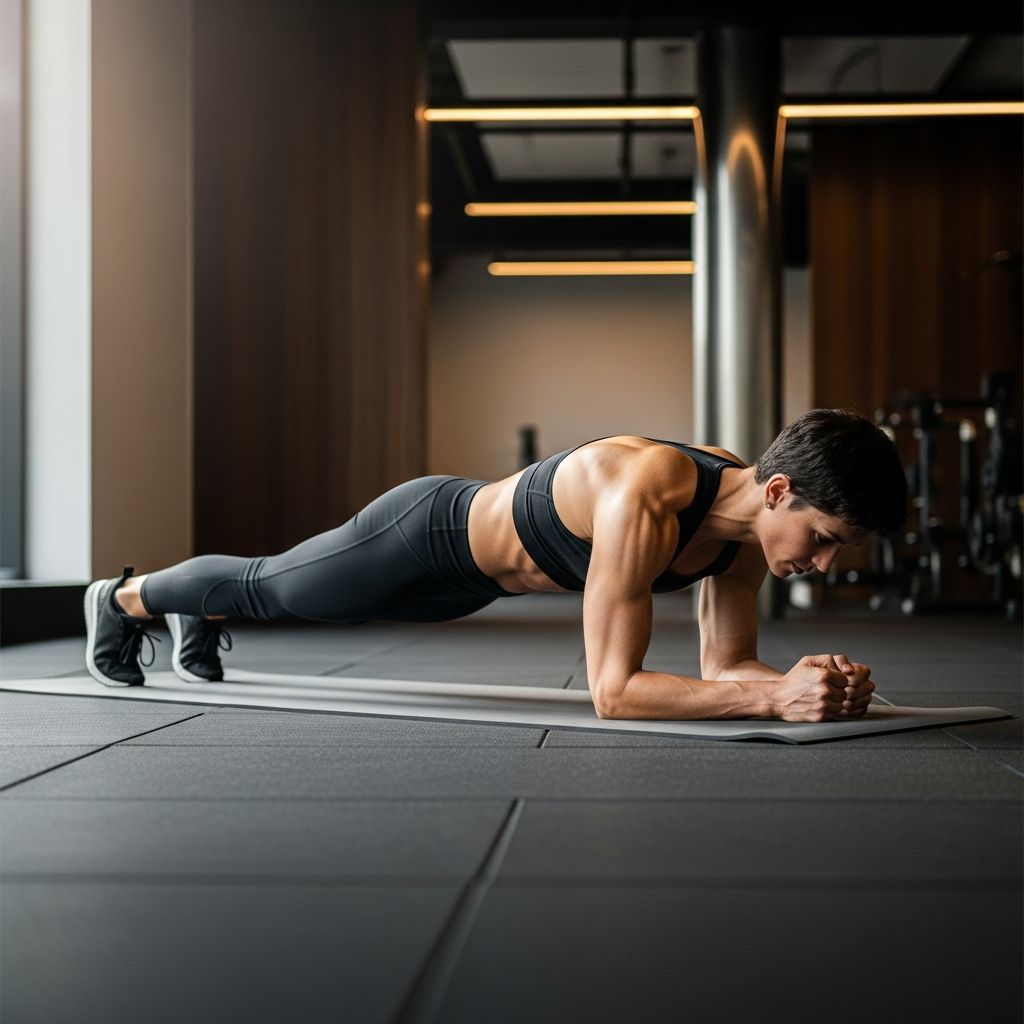
Plank exercises are a cornerstone of effective core training, engaging multiple muscle groups simultaneously for superior strength and stability gains. Originating from disciplines like Pilates and yoga, planks require minimal equipment and space while delivering full-body benefits, including enhanced respiratory capacity, physical fitness, and even immune function improvements.
What Are the Benefits of Plank Exercises?
Planks target the deep core muscles, including the transverse abdominis, rectus abdominis, and obliques, while also activating the quads, glutes, and shoulders. Research confirms that regular plank training improves strength and endurance, reduces lower back pain, and enhances overall body stability.
- Core Strengthening: Planks activate the abdominal and lower back muscles more effectively than traditional crunches, building endurance and stability.
- Back Pain Relief: By fortifying the core, planks alleviate lower back discomfort and improve posture.
- Improved Balance and Mobility: Enhanced core strength supports better balance, reducing fall risk, particularly in older adults.
- Respiratory and Immune Boost: A 12-week plank program increased forced expiratory volume (FEV1) by 27% and peak expiratory flow (PEF) by 16%, alongside positive changes in immune cell function.
- Full-Body Calorie Burn: As a compound movement, planks engage the entire body, promoting muscle building and fat loss in limited time.
Incorporating planks into your routine 3–5 times weekly can yield measurable improvements in muscular endurance, with studies showing up to 42% gains in trunk muscle endurance after consistent training.
How to Do a Plank Correctly
Mastering proper form prevents injury and maximizes results. Start with these fundamentals for the standard forearm plank.
- Position forearms on the ground, elbows directly under shoulders, forming a 90-degree angle.
- Extend legs back, balancing on toes, with feet hip-width apart.
- Align your body in a straight line from head to heels—engage core to prevent hip sagging or piking.
- Draw shoulder blades together, gaze down, and breathe steadily.
- Hold for 20–60 seconds, building time progressively. Rest 1 minute between sets.
Common Mistakes to Avoid:
- Hips too high or low, compromising spinal alignment.
- Arched back or shrugged shoulders, reducing core engagement.
- Holding breath—instead, maintain rhythmic breathing.
Beginner Plank Variations
These accessible modifications build foundational strength without overwhelming novices.
Modified Plank (Knee Plank)
Drop knees to the mat while keeping upper body aligned. Ideal for building endurance; hold 20–30 seconds.
Forearm Plank With Knee Touch
From forearm plank, alternate tapping knees to the ground slowly. Do 45 seconds, focusing on control.
Plank Up Downs (Modified)
Transition from knees-high plank to forearm position. Repeat for 30 seconds to ease into dynamics.
Reverse Plank
Sit with hands behind hips, lift into a reverse line from ankles to chest. Hold 5–30 seconds; bend knees for ease.
| Variation | Target Muscles | Hold Time |
|---|---|---|
| Modified Plank | Core, shoulders | 20–30s |
| Knee Touch | Obliques, stability | 45s |
| Up Downs | Full core, transitions | 30s |
| Reverse Plank | Posterior chain, glutes | 5–30s |
Intermediate Plank Variations
Progress with added movement and holds to challenge endurance and coordination.
Mountain Climbers
High plank: alternate driving knees to chest rapidly. 45 seconds; keep hips low.
Plank Hip Dips
Forearm plank: rotate hips side-to-side, dipping toward floor. Alternate for 45 seconds.
Plank Up Downs
High plank to forearm plank, alternating arms. 30 seconds; maintain stability.
Bear Plank Shoulder Taps
Tabletop hover knees 2 inches off ground; tap opposite shoulder. 45 seconds.
Forearm Plank Saw
Rock hips back and forward subtly, shoulders shifting. 30 seconds.
Related Stories



Advanced Plank Variations
Elevate intensity with unilateral challenges and power elements for elite core development.
Side Plank Crunch
Side plank: crunch top knee to elbow. 30 seconds per side; stack feet.
Plank Jumps
High plank: jump feet in/out explosively. 45 seconds.
Plank with Dumbbell Row (Equipment: Dumbbells)
High plank gripping dumbbells; row one at a time. 30–45 seconds per side.
Side Plank with Leg Lift
Side plank: lift top leg dynamically. Hold/cycle 30 seconds per side.
Plank to Pike
High plank: jump feet forward to pike, then back. 30–45 seconds.
Sample Plank Workouts
Incorporate planks 3x/week. Expert recommendation: 3 rounds of 3 variations, 30–45s each, 30s rest.
Beginner Routine (15–20 min)
- Modified Plank: 30s
- Mountain Climbers: 30s
- Reverse Plank: 20s
- Rest 1 min; repeat 3x
Intermediate Routine (20–25 min)
- Forearm Plank: 45s
- Hip Dips: 45s
- Up Downs: 30s
- Bear Taps: 45s
- Rest 1 min; 3 rounds
Advanced Routine (25–30 min)
- Side Crunch: 30s/side
- Plank Jumps: 45s
- DB Row Plank: 30s/side
- Saw: 30s
- Rest 1 min; 4 rounds
For progression, follow a 12-week program: Weeks 1–4 at 60% max effort (20 min total, 15–16 sets); Weeks 5–8 (25 min, 70%); Weeks 9–12 (30 min, 80%). Include 5-min stretches pre/post.
Plank Exercise Programs for Special Populations
Planks adapt well for seniors and rehab. A study on older adults showed significant gains in respiratory function (rRR decreased 15%), strength, and immunocyte activity after 12 weeks.
- Seniors: Use knee modifications, shorter holds (10–20s), focus on stability.
- Back Pain Sufferers: Reverse and side planks to offload spine.
- Athletes: Add weights or instability (e.g., BOSU ball).
Frequently Asked Questions (FAQs)
How long should I hold a plank?
Beginners: 20–30s; intermediate: 45–60s; advanced: 2+ min. Quality over duration—aim for perfect form.
Can planks help lose belly fat?
Planks build muscle to boost metabolism but pair with cardio and diet for fat loss.
Are planks safe for beginners?
Yes, start modified. Consult a doctor if you have injuries.
How often should I do planks?
3–5x/week, allowing recovery. Progress intensity gradually.
Do planks work the entire body?
Primarily core, but engage shoulders, glutes, legs for full-body stability.
Progressing Your Plank Practice
Track hold times weekly. Incorporate into HIIT or yoga. Consistency yields results: expect core endurance boosts within 4 weeks.
References
- Effects of plank exercise on respiratory capacity, physical fitness, and immunocyte function in older adults — Park J, et al. PMC. 2023-12-01. https://pmc.ncbi.nlm.nih.gov/articles/PMC10766451/
- 20 Plank Variations To Transform Your Core, Per A Trainer — Women’s Health Mag. 2023 (accessed 2026). https://www.womenshealthmag.com/fitness/g21346960/plank-exercise-variations/
Similar Articles








Read full bio of medha deb