Planning To Become Pregnant: 8 Essential Preconception Steps
Essential preconception advice to optimize health, reduce risks, and ensure a healthy pregnancy for you and your baby.

This comprehensive guide provides essential advice for women planning to conceive. The primary goal is to prepare your body in advance, minimizing risks to the baby and reducing potential pregnancy complications. By addressing diet, lifestyle, medications, and medical conditions early, you can significantly improve outcomes for both mother and child.
Most pregnancies proceed smoothly, but proactive planning is key. Women on regular medications or with long-term conditions should consult their GP or specialist before attempting conception. Ideally, these discussions occur preconception to allow adjustments without interruption.
Food and Diet
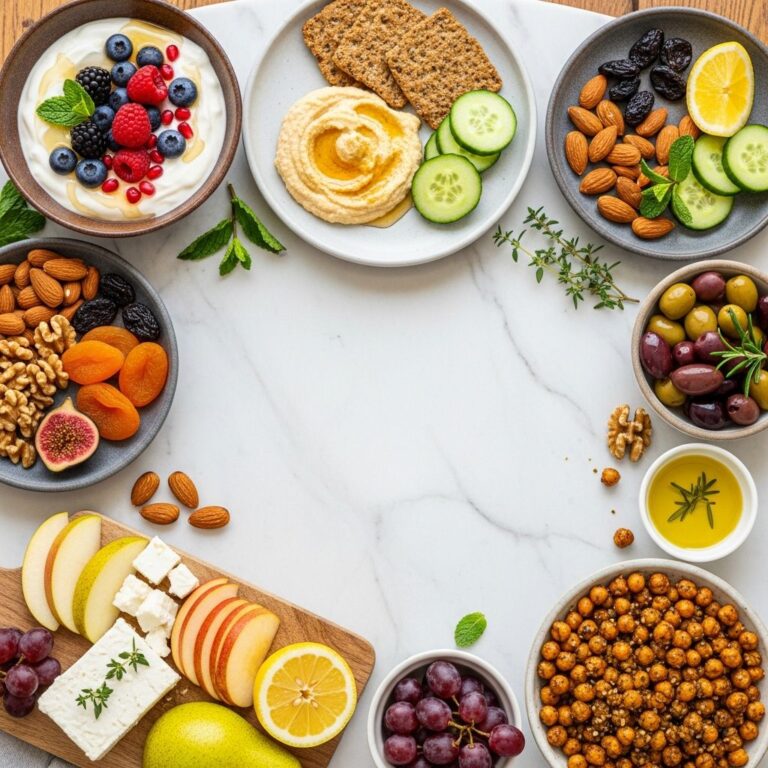
Maintaining a normal, healthy balanced diet is foundational when planning pregnancy. Focus on nutrient-rich foods including fruits, vegetables, whole grains, lean proteins, and dairy. A balanced intake supports fertility and fetal development from the earliest stages.
Particular attention should be given to
folic acid
, a critical B vitamin that prevents neural tube defects like spina bifida. All women planning pregnancy should take a daily 400 micrograms folic acid supplement starting at least one month before conception and continue through the first 12 weeks. Those with a history of neural tube defects, diabetes, epilepsy, or higher-risk factors may need 5 mg daily—consult your doctor.- Eat plenty of folate-rich foods: leafy greens (spinach, kale), fortified cereals, oranges, beans, and nuts.
- Limit caffeine to under 200 mg daily (about one 12-oz coffee).
- Avoid raw or undercooked meats, unpasteurized dairy, high-mercury fish (shark, swordfish), and liver products due to toxoplasmosis, listeria, and vitamin A risks.
During pregnancy, additional restrictions apply—refer to detailed diet guidelines for expecting mothers.
Lifestyle Changes
Adopting healthy habits preconception enhances fertility and pregnancy success. Key areas include smoking cessation, alcohol avoidance, weight management, and exercise.
Smoking: Quit immediately. Smoking reduces fertility, increases miscarriage risk, and harms fetal growth. Secondhand smoke poses similar dangers—ensure a smoke-free environment.
Alcohol: Abstain completely. No safe level exists during conception or pregnancy; it risks fetal alcohol syndrome and developmental issues.
Weight: Aim for a BMI of 18.5–24.9. Overweight (BMI >27) or underweight women face higher risks of complications like gestational diabetes or low birth weight. Lose or gain weight gradually through diet and exercise before conceiving.
Exercise: Engage in moderate activity like walking, swimming, or yoga (150 minutes weekly). It boosts mood, energy, and reproductive health but avoid high-impact or contact sports.
| Lifestyle Factor | Recommendation | Benefits |
|---|---|---|
| Smoking | Quit all tobacco | Improves fertility, reduces miscarriage |
| Alcohol | Zero consumption | Prevents fetal alcohol spectrum disorders |
| BMI | 18.5–24.9 | Lowers complication risks |
| Exercise | 150 min moderate/week | Enhances overall health and fertility |
Medications and Supplements
Review all medications with your doctor preconception. Some, like certain antihypertensives or acne treatments (isotretinoin), are teratogenic. Do not stop without advice—abrupt changes can harm maternal health.
- Folic acid: 400 mcg daily (or 5 mg if high-risk).
- Vitamin D: 10 mcg (400 IU) daily, especially if limited sun exposure.
- Iron: Only if deficient; tested via bloodwork.
Related Stories



Over-the-counter supplements should be doctor-approved to avoid excesses like vitamin A, which can cause birth defects.
Medical Conditions
Women with pre-existing conditions require specialized preconception counseling. Continue contraception until cleared by a specialist. Conditions include:
- Diabetes: Optimize blood glucose (HbA1c <6.5%) to prevent congenital anomalies.
- Epilepsy: Review anti-epileptics; some like valproate are high-risk.
- Hypertension: Switch safer medications.
- Thyroid disorders: Stabilize levels.
- Rubella non-immunity: Vaccinate preconception (avoid during pregnancy).
- STIs or infections: Screen and treat (e.g., chlamydia, HIV).
For chronic non-communicable diseases (NCDs) like obesity or mental health issues, personalized planning addresses unmet needs for information and holistic care.
Genetic risks (e.g., cystic fibrosis carrier screening) or age >35 warrant discussions on testing options.
Immunizations and Infections
Update vaccinations: MMR (measles, mumps, rubella) at least one month preconception if non-immune. Ensure chickenpox immunity. Influenza and whooping cough vaccines may be advised.
Avoid infections: Practice food hygiene to prevent toxoplasmosis/listeria; use protection against STIs.
Mental Health and Wellbeing
Address stress, anxiety, or depression preconception. Optimal mental health supports conception and pregnancy. Discuss with your GP if needed; therapy or safe medications may be options.
Summary and Checklist
Here’s a practical checklist to prepare:
- See GP for preconception review and blood tests (rubella, anemia, etc.).
- Start folic acid 400 mcg daily.
- Achieve healthy BMI; adopt balanced diet and exercise.
- Quit smoking/alcohol/recreational drugs.
- Review medications and conditions with specialists.
- Update immunizations.
- Manage dental health (routine checkup).
- Track ovulation if needed for timing.
Upon positive pregnancy test: Book early antenatal care, continue folic acid, and inform your doctor.
Frequently Asked Questions (FAQs)
How soon before trying should I start folic acid?
At least one month prior to conception, continuing for 12 weeks.
Can I plan pregnancy naturally without tracking cycles?
Yes, but fertility awareness methods can help identify fertile windows if motivated.
What if I have a chronic condition like diabetes?
Consult specialist for optimization; tight control preconception is crucial.
Is weight loss safe before pregnancy?
Yes, gradual loss if overweight improves outcomes; avoid crash diets.
Should my partner make changes too?
Absolutely—paternal health impacts sperm quality and offspring health.
References
- Planning to Become Pregnant — Patient.info. 2023. https://patient.info/pregnancy/planning-to-become-pregnant
- Pregnancy planning health information and service needs of women with NCDs — BMC Pregnancy Childbirth (PMC). 2022-02-28. https://pmc.ncbi.nlm.nih.gov/articles/PMC8941766/
- Antenatal Care — Patient.info. 2023. https://patient.info/doctor/obstetrics/antenatal-care
- Pre-pregnancy Counselling — Patient.info. 2023. https://patient.info/doctor/obstetrics/pre-pregnancy-counselling
- Good Health Before Pregnancy: Prepregnancy Care — ACOG. 2023. https://www.acog.org/womens-health/faqs/good-health-before-pregnancy-prepregnancy-care
Similar Articles








Read full bio of medha deb