Plant-Based Diet: Benefits, Types, and Getting Started
Discover plant-based eating: health benefits, dietary approaches, and practical tips for transition.
What Is a Plant-Based Diet?
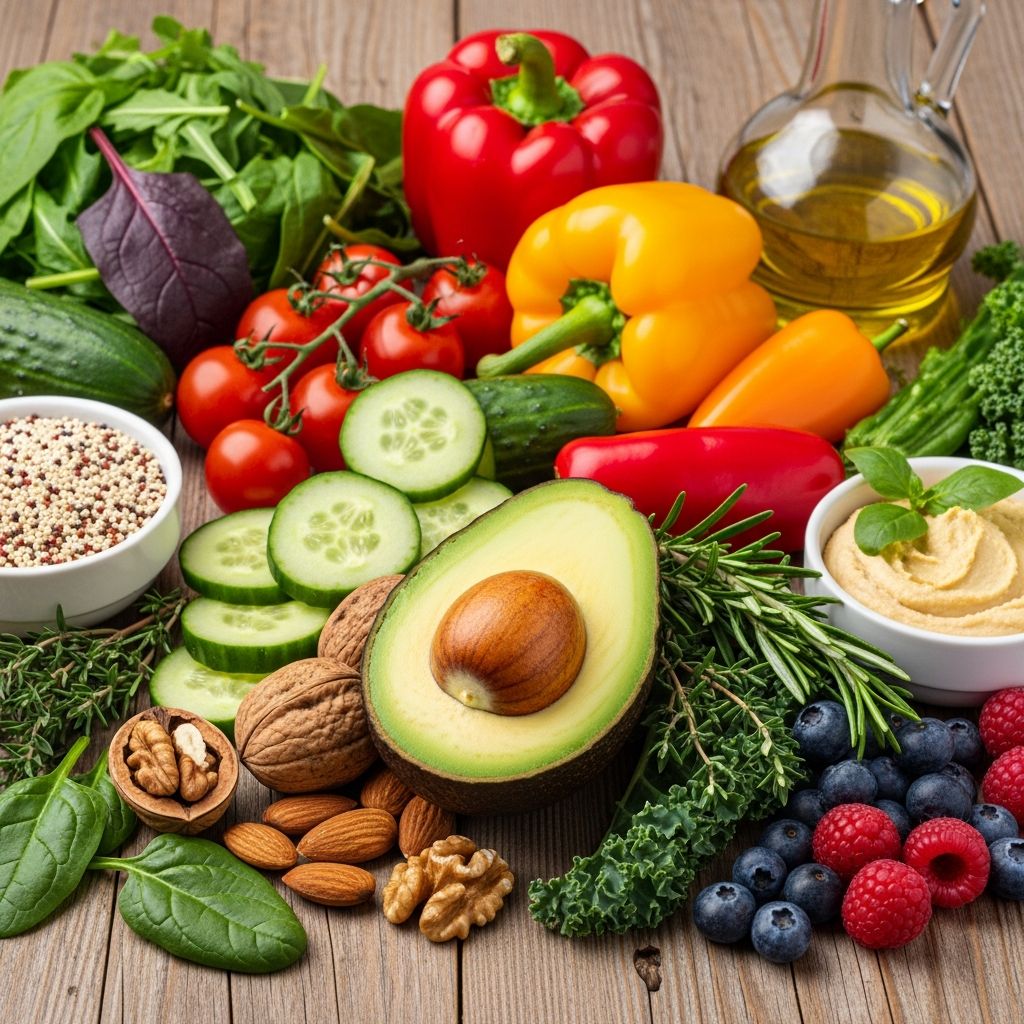
A plant-based diet is an eating pattern that emphasizes foods derived from plants while minimizing or eliminating animal products. Contrary to popular misconception, a plant-based diet doesn’t necessarily mean being completely vegetarian or vegan. Rather, it focuses on consuming whole plant foods as the foundation of your meals, including vegetables, fruits, whole grains, legumes, nuts, seeds, and plant-based oils.
The term “plant-based” encompasses a spectrum of dietary approaches. Some people adopt a fully vegan diet, avoiding all animal products including meat, poultry, fish, eggs, dairy, and honey. Others follow a vegetarian diet that excludes meat but may include dairy and eggs. Still others practice flexitarianism, where plant foods form the majority of their diet but animal products are consumed occasionally.
What distinguishes a truly healthful plant-based diet from a less optimal one is the quality of plant foods consumed. A healthful plant-based diet emphasizes whole grains, legumes, vegetables, fruits, nuts, and plant-based oils while minimizing refined grains, sugary foods, and highly processed plant-based alternatives. This distinction is crucial because not all plant-based foods are equally nutritious.
The Health Benefits of Plant-Based Eating
Cardiovascular Disease Prevention
One of the most compelling reasons to consider a plant-based diet is its protective effect on heart health. Research has consistently demonstrated that plant-based dietary patterns are associated with substantially lower cardiovascular disease (CVD) risk. A comprehensive study of US veterans found that adherence to a healthful plant-based diet was associated with a 10-unit increment correlation showing hazard ratios of 0.81 for fatal CVD, 0.86 for non-fatal myocardial infarction, and 0.86 for non-fatal acute ischemic stroke.
Plant-based diets help protect the cardiovascular system through multiple mechanisms. They are naturally lower in saturated fat and cholesterol while being rich in fiber, antioxidants, and phytonutrients that support healthy blood pressure, cholesterol levels, and arterial function. The abundance of potassium-rich foods like vegetables, beans, and whole grains helps regulate blood pressure, while the fiber content supports healthy cholesterol levels.
Longevity and Healthy Aging
Recent landmark research from Harvard University and the University of Sydney provides powerful evidence that plant-rich diets contribute to longer, healthier lives. Harvard researchers tracked over 105,000 Americans across a 30-year period, finding that nearly one-tenth of participants aged healthfully when adhering to dietary patterns emphasizing plant foods. Those who followed the Alternative Healthy Eating Index—a diet rich in plant-based whole foods and low in red and processed meats—were 86% more likely to age healthily at 70 years and more than twice as likely at 75 years.
The University of Sydney study analyzed food supply data from 101 countries over nearly 60 years, revealing that nations with higher availability of plant proteins had longer life expectancies than those where animal proteins were more readily available. This research demonstrates that the longevity benefits of plant-based eating operate at both individual and population levels.
Type 2 Diabetes Prevention
Plant-based diets have been associated with lower risks of type 2 diabetes and favorable profiles of adiposity-associated biomarkers. The high fiber content of plant foods helps regulate blood sugar levels, while the absence of refined animal products reduces the glycemic burden on the body. Whole grains, legumes, and vegetables release glucose slowly into the bloodstream, preventing the blood sugar spikes that can contribute to insulin resistance and diabetes development.
Related Stories



Environmental and Sustainable Health
Beyond personal health benefits, plant-based diets are significantly better for environmental sustainability. Producing red meat requires substantially more land, water, and other resources than most plant-based alternatives while generating significant quantities of methane, a potent greenhouse gas. Research shows that diets scoring higher on the Alternative Healthy Eating Index reduce environmental impact across every category measured: lower greenhouse gases, reduced irrigation water use, less nitrogenous fertilizer application, and decreased cropland requirements.
A groundbreaking Harvard study introduced the “planetary health diet,” a largely plant-based flexitarian approach that, if widely adopted, could reduce greenhouse gas emissions by 50% by 2050 while simultaneously reducing chronic disease rates in humans.
Types of Plant-Based Diets
Plant-based eating exists on a spectrum, allowing individuals to choose an approach that aligns with their values, health goals, and lifestyle preferences:
Vegan Diet
The most restrictive plant-based approach eliminates all animal products, including meat, poultry, fish, eggs, dairy products, honey, and sometimes other bee-derived products. Vegans rely exclusively on plant sources for nutrition and often adopt this lifestyle for ethical and environmental reasons in addition to health benefits.
Vegetarian Diet
Vegetarian diets exclude meat, poultry, and fish but typically include eggs and dairy products. Lacto-vegetarians eat dairy but no eggs, while ovo-vegetarians eat eggs but no dairy. This approach provides more flexibility than veganism while still eliminating the most resource-intensive animal products.
Flexitarian Diet
Flexitarianism is a flexible plant-based approach where plant foods form the primary foundation of the diet, but animal products are consumed occasionally. This approach appeals to people seeking environmental and health benefits without fully eliminating animal products.
Planetary Health Diet
Developed through the EAT-Lancet Commission, this dietary pattern emphasizes plant-based whole foods while allowing modest amounts of fish, meat, and dairy. It’s designed to balance human health optimization with environmental sustainability.
Components of a Healthful Plant-Based Diet
A truly healthful plant-based diet requires attention to food quality and nutritional balance. The foundation includes:
Whole Grains and Legumes
These provide essential carbohydrates, fiber, protein, and micronutrients. Include brown rice, quinoa, oats, whole wheat bread, lentils, chickpeas, black beans, and peas as dietary staples.
Abundant Vegetables and Fruits
Fill half your plate with colorful vegetables and fruits to ensure diverse micronutrient intake. Aim for a rainbow of colors to capture different antioxidants and phytonutrients.
Healthy Plant-Based Fats
Include nuts, seeds, avocados, and plant-based oils like olive oil. These provide essential fatty acids crucial for brain health, hormone production, and nutrient absorption.
Protein Sources
Beyond legumes and grains, include nuts, seeds, plant-based protein powder, and fortified soy products like tofu and tempeh to meet daily protein requirements.
Limited Processed Foods
While plant-based doesn’t mean automatically healthy, prioritizing whole foods over highly processed plant-based alternatives ensures better nutritional quality and health outcomes.
Nutritional Considerations
Transitioning to a plant-based diet requires awareness of certain nutrients that may need intentional focus:
Vitamin B12
Since B12 is primarily found in animal products, vegans and vegetarians should consume fortified foods or take supplements to prevent deficiency, which can lead to neurological complications.
Iron
Plant-based iron (non-heme iron) is less easily absorbed than animal-derived iron (heme iron). Combining iron-rich plant foods with vitamin C sources enhances absorption.
Calcium and Vitamin D
While dairy-free, plant-based eaters can obtain calcium from fortified plant milks, leafy greens, and seeds. Vitamin D supplementation or sun exposure may be necessary, particularly in northern climates.
Omega-3 Fatty Acids
Ground flaxseeds, chia seeds, hemp seeds, and algae supplements provide omega-3s essential for brain and heart health.
Zinc
Include legumes, seeds, nuts, and whole grains, which are good plant-based zinc sources, though absorption may be lower than from animal products.
Getting Started with a Plant-Based Diet
Start Gradually
You don’t need to change your entire diet overnight. Begin by incorporating more plant-based meals into your weekly rotation. Try Meatless Mondays or dedicate certain meals to plant-based cooking while maintaining some familiar foods.
Experiment with New Foods
Explore different cuisines that naturally emphasize plant foods—Mediterranean, Indian, Thai, and Mexican cuisines offer delicious plant-based options. This exploration prevents boredom and expands your palate.
Learn Basic Cooking Techniques
Master simple preparation methods like roasting vegetables, cooking grains and legumes, and making basic sauces. These skills build confidence and reduce reliance on processed alternatives.
Plan Your Meals
Intentional meal planning ensures balanced nutrition and prevents defaulting to less healthy options. Plan meals that include whole grains, legumes or other protein sources, vegetables, and healthy fats.
Read Labels Carefully
Not all plant-based products are equally nutritious. Check labels for added sugars, sodium content, and ultra-processed ingredients. Prioritize whole foods over packaged alternatives.
Connect with Communities
Join plant-based cooking classes, online communities, or local groups to find support, share recipes, and stay motivated during your transition.
Common Misconceptions About Plant-Based Diets
Myth: Plant-Based Diets Are Expensive
While specialty plant-based products can be costly, whole plant foods like beans, lentils, rice, seasonal vegetables, and fruits are often more affordable than meat and processed foods.
Myth: Plant-Based Diets Lack Adequate Protein
Plant-based diets easily provide sufficient protein when they include varied legumes, nuts, seeds, and whole grains. Many plant foods contain complete proteins or complementary proteins when eaten together.
Myth: All Plant-Based Foods Are Healthy
Highly processed plant-based products, refined grains, and sugary snacks are still processed foods despite being plant-derived. Focus on whole plant foods for optimal health benefits.
Myth: You Must Be Completely Vegan
Plant-based eating exists on a continuum. Increasing plant food consumption and reducing animal product intake provides health benefits even without complete elimination.
Frequently Asked Questions
Q: Can children thrive on plant-based diets?
A: Yes, well-planned plant-based diets can support healthy child development. Parents should ensure adequate calories, protein, B12, iron, calcium, and vitamin D through fortified foods or supplements. Consulting with a pediatric dietitian ensures proper nutrition for growing children.
Q: Will I lose weight on a plant-based diet?
A: Many people experience weight loss transitioning to plant-based eating, particularly when shifting from processed foods to whole foods. However, weight outcomes depend on overall calorie intake and food choices. Plant-based doesn’t automatically mean lower calorie—processed plant-based foods can be calorie-dense.
Q: How do I get enough protein on a plant-based diet?
A: Combine legumes (beans, lentils, peas), whole grains (quinoa, brown rice, oats), nuts, seeds, and plant-based protein sources. Most plant foods contain protein, and eating variety throughout the day ensures complete amino acid profiles.
Q: Is a plant-based diet suitable for athletes?
A: Absolutely. Many elite athletes follow plant-based diets and perform at peak levels. Ensure adequate calories, protein distributed throughout the day, and proper timing around workouts. Some athletes find plant-based diets reduce inflammation and improve recovery.
Q: Can I eat plant-based while managing diabetes?
A: Plant-based diets are particularly beneficial for diabetes management when focused on whole foods with low glycemic indices. Legumes, whole grains, and non-starchy vegetables help stabilize blood sugar. Work with a dietitian to adjust medications if needed.
Q: How quickly will I see health benefits?
A: Some benefits appear quickly—many people report improved energy and digestion within days or weeks. Cardiovascular improvements and weight changes typically emerge over weeks to months. Long-term benefits like reduced disease risk develop over years of consistent dietary adherence.
Conclusion
A plant-based diet represents a practical, evidence-backed approach to improving personal health while benefiting environmental sustainability. Whether you choose veganism, vegetarianism, flexitarianism, or simply increase your plant food consumption, research demonstrates clear cardiovascular, longevity, and disease-prevention benefits. The transition need not be all-or-nothing; starting with small, gradual changes and focusing on whole plant foods allows you to discover an eating pattern that nourishes both your body and the planet. By understanding different plant-based approaches, addressing nutritional considerations, and learning practical cooking skills, you can successfully adopt this health-promoting dietary pattern.
References
- Plant-based diets and the incidence of cardiovascular disease — National Center for Biotechnology Information (NCBI) / PMC. 2024-02-15. https://pmc.ncbi.nlm.nih.gov/articles/PMC10800254/
- More Plants, Less Meat Key to Longer Lives, Show Major Harvard & Sydney U. Studies — Harvard T.H. Chan School of Public Health & University of Sydney Charles Perkins Centre. 2024. https://www.harvardmagazine.com/2023/02/right-now-plant-based-diet-environment
- Healthy People, Healthy Planet — Harvard Magazine. 2023-02. https://www.harvardmagazine.com/2023/02/right-now-plant-based-diet-environment
- Planet-Friendly Diet Cuts Premature Death Risk by Nearly a Third — EAT-Lancet Commission / Harvard University. 2024. https://www.forksoverknives.com/wellness/harvard-study-planet-friendly-diet-cuts-premature-death-risk-by-nearly-a-third/
Similar Articles








Read full bio of medha deb