Plant-Based Diet For Beginners: 5 Core Food Groups
Your complete beginner's guide to starting a plant-based diet, with tips on benefits, foods to eat, meal ideas, and how to succeed long-term.
A plant-based diet emphasizes foods derived from plants, such as fruits, vegetables, grains, legumes, nuts, and seeds, while minimizing or eliminating animal products. This approach can boost energy, support weight management, and reduce chronic disease risk, making it ideal for beginners seeking sustainable health changes.
What Is a Plant-Based Diet?
A
plant-based diet
focuses on whole, minimally processed foods from plants, differing from veganism by allowing flexibility in animal product inclusion. Unlike strict vegan diets that exclude all animal-derived items like meat, dairy, eggs, and honey, plant-based eating prioritizes plants but may include small amounts of animal foods for some people. Whole-food, plant-based (WFPB) diets specifically avoid highly refined foods and emphasize nutrient-dense options like fruits, veggies, tubers, whole grains, and legumes.Key principles include:
- Whole foods: Unrefined or minimally processed ingredients like fresh produce and intact grains.
- Plant-forward: Majority of calories from plants, reducing reliance on calorie-dense animal products.
- Nutrient balance: High in fiber, vitamins, and antioxidants; lower in saturated fats and added sugars.
Research from sources like the NHS highlights that well-planned plant-based diets meet nutritional needs and support heart health by promoting fiber intake and limiting saturated fats.
Health Benefits of a Plant-Based Diet
Switching to plant-based eating offers compelling advantages backed by health authorities. It promotes
cardiovascular health
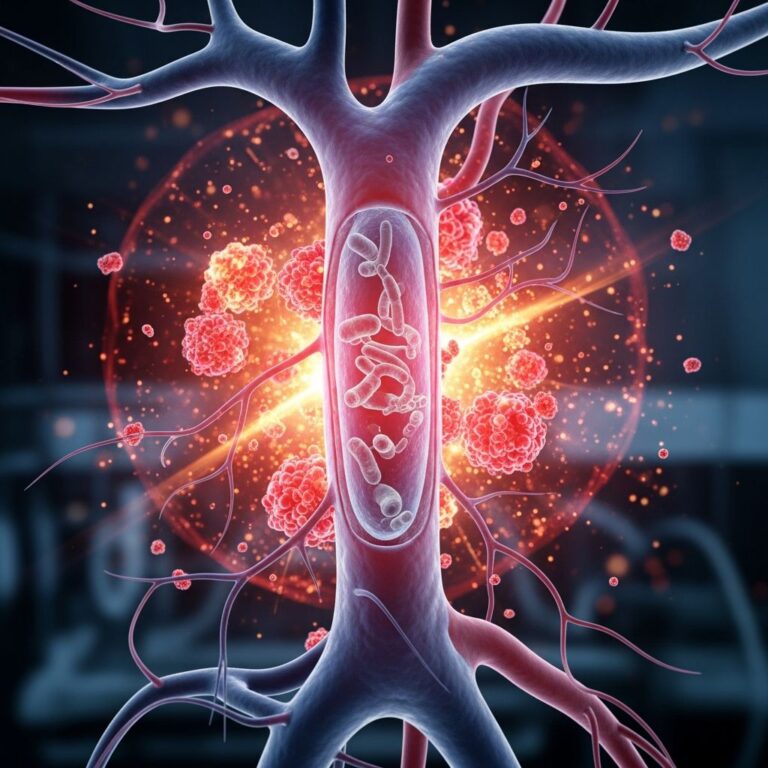
by lowering cholesterol and blood pressure through high-fiber, low-fat foods. Studies show it can prevent, halt, or reverse heart disease due to reduced inflammation and improved gut health.- Boost energy and feel better: High nutrient density reduces fatigue and inflammation.
- Weight loss without calorie counting: Low-calorie-density foods like vegetables and fruits allow eating to satiety, leveraging fiber for fullness.
- Chronic disease prevention: Cuts risks for diabetes, certain cancers, and hypertension via antioxidants and plant compounds.
- Environmental and cost savings: Plant foods are affordable—potentially saving $750/year per person—and lighter on the planet.
A registered dietitian notes plant-based diets can lower calories, salt, sugars, and fats, aiding disease prevention when balanced.
What to Eat on a Plant-Based Diet: The Five Core Food Groups
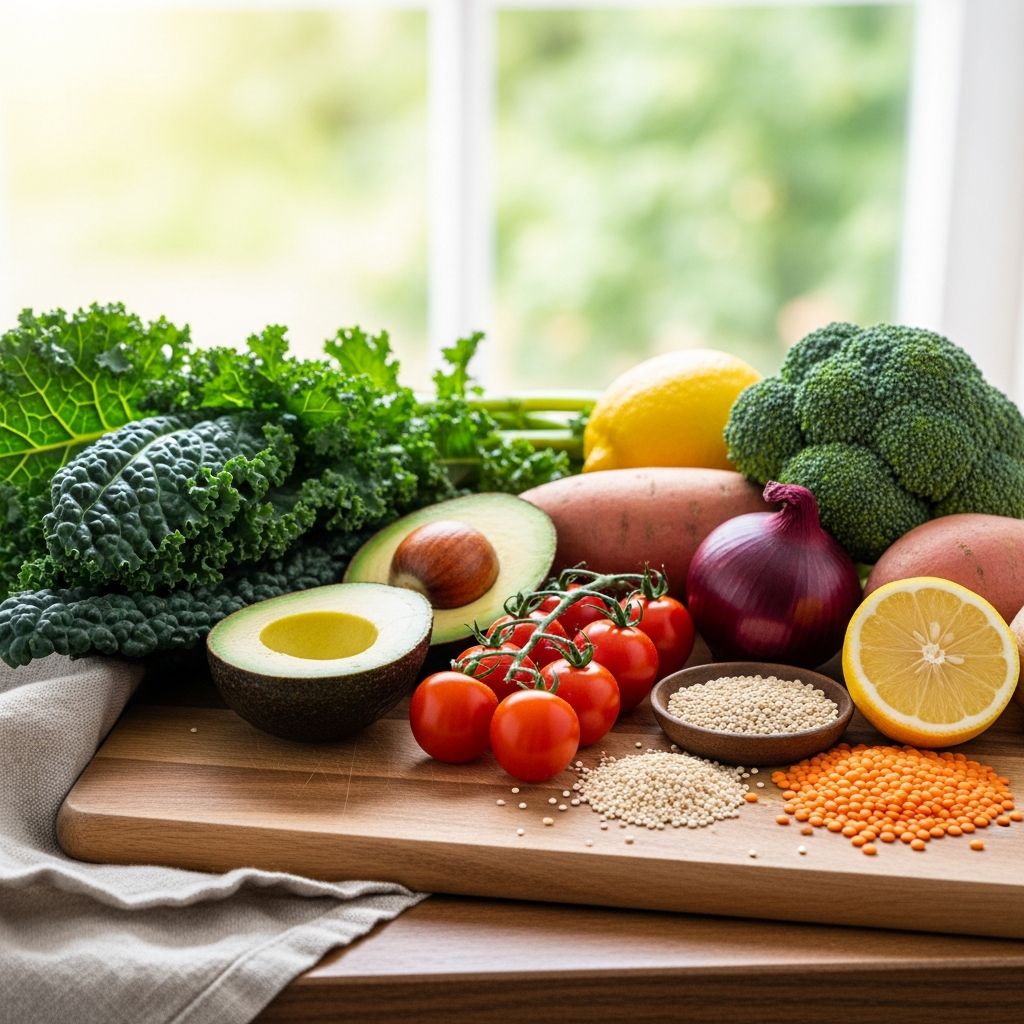
Build meals around these foundational groups for balanced nutrition. Focus on variety for complete vitamins and minerals.
| Food Group | Examples | Benefits |
|---|---|---|
| Fruits | Apples, bananas, berries, citrus, grapes | Vitamin C, antioxidants, natural sweetness |
| Vegetables | Leafy greens (kale, spinach), peppers, broccoli, carrots, corn | Fiber, vitamins A/K, low calories |
| Tubers | Potatoes, sweet potatoes, yams, cassava | Starchy energy, potassium |
| Whole Grains | Quinoa, brown rice, oats, whole wheat, popcorn | B vitamins, sustained energy, fiber |
| Legumes | Beans, lentils, chickpeas, peas, pulses | Protein, iron, affordable protein source |
Related Stories



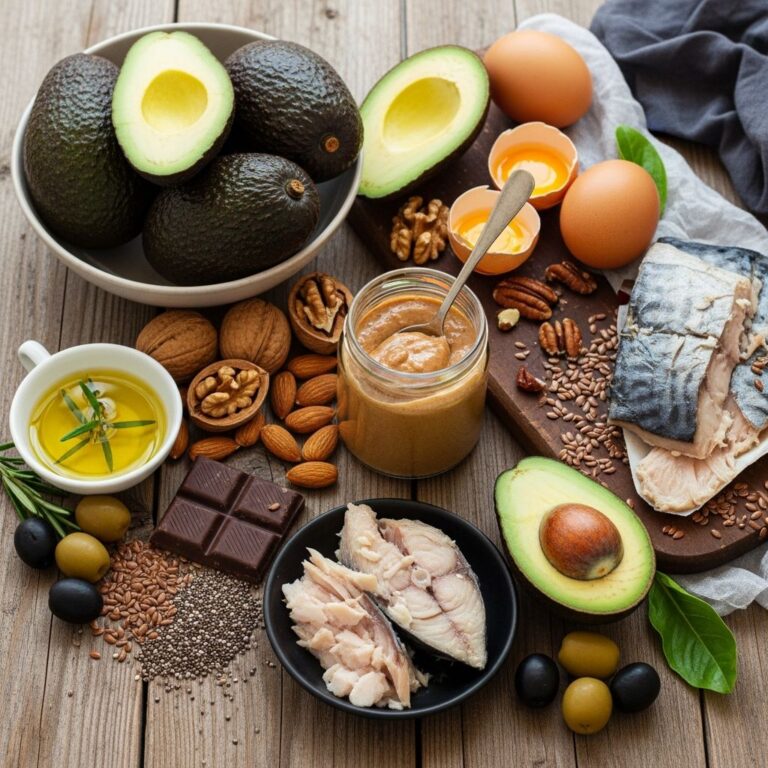
In moderation: Nuts, seeds, avocados, tofu, tempeh, and plant milks—these are calorie-dense but nutrient-rich. NHS recommends daily omega-3 from walnuts, chia, flaxseeds, and using unsaturated oils sparingly.
Sample Plant-Based Meal Plan for Beginners
Start simple with this 1-day plan (expandable to a week). Aim for colorful plates and fiber-rich starts.
- Breakfast: Oatmeal with berries, walnuts, and plant milk (e.g., fortified soy for B12).
- Morning Snack: Apple with peanut butter.
- Lunch: Lentil soup with whole-grain bread and side salad (greens, tomatoes, cucumber).
- Afternoon Snack: Carrot sticks with hummus (chickpeas).
- Dinner: Stir-fried veggies (broccoli, peppers) with quinoa and tofu; season with herbs.
- Evening Snack: Handful of mixed nuts or fruit.
This plan provides ~71g protein daily from plants, meeting needs without meat. Total cost: Under $3/meal using staples like beans and rice.
Grocery List and Shopping Tips for Plant-Based Beginners
Stock up affordably:
- Produce: 5+ portions fruits/veggies daily—mix colors (red peppers, dark greens, purple cabbage).
- Grains/Starch: Brown rice, oats, potatoes, whole-grain pasta/bread.
- Proteins: Canned/dried beans, lentils, tofu, edamame.
- Extras: Nuts/seeds (walnuts for omega-3), plant milks (fortified soya), herbs/spices.
- Supplements if needed: B12, vitamin D, iodine—especially for full vegan shift.
Shop perimeter first for fresh items; read labels to avoid added sugars/sodium in processed plants. Budget tip: Dried beans over meat saves significantly.
How to Transition to a Plant-Based Diet: Step-by-Step Tips
Ease in gradually for sustainability.
- Start small: Meatless Monday, then add days. Enjoy familiar plants first.
- Breakfast swap: Fiber-rich oats or toast with nut butter/banana.
- Experiment flavors: Use family favorites; try new recipes weekly.
- Read labels: Avoid processed substitutes high in sodium/fats.
- Diversify: Include whole grains, healthy fats (avocado, olive oil).
- Track nutrients: Ensure calcium from tofu/fortified drinks, iron from legumes.
Not all plant-based is healthy—prioritize whole foods over ultra-processed.
Eating Out on a Plant-Based Diet
Restaurants accommodate well:
- Check menus online for vegan/plant options (salads, grain bowls).
- Call ahead: Request no dairy/meat substitutions.
- Customizations: Swap proteins for beans/tofu; dressings on side.
Opt for veggie stir-fries, lentil curries, or whole-grain sides.
Potential Nutrient Concerns and How to Address Them
Well-planned diets suffice, but watch:
- Protein: 71g/day from legumes, grains, nuts.
- B12/Calcium/Iron: Fortified foods/supplements; leafy greens (not just spinach), tofu, pulses.
- Omega-3: Walnuts, flax, chia, rapeseed oil.
- Vitamin D: Sunlight or fortified items.
NHS advises supplements for harder-to-get nutrients in vegan diets.
Frequently Asked Questions (FAQs)
Is a plant-based diet the same as vegan?
No. Plant-based prioritizes plants with few/no animal foods; vegan excludes all animal products entirely.
Can I lose weight on a plant-based diet?
Yes, due to low calorie density and high fiber—eat freely without counting.
How do I get enough protein?
Easily from beans, lentils, quinoa, nuts—aim for variety to hit 71g/day.
Is it expensive?
No, staples like rice/beans cut costs by $750/year.
What if I’m new to cooking plants?
Start with simple swaps; use meal planners and courses for recipes.
Tools and Resources to Succeed
Leverage:
- Meal planners with grocery lists.
- Cooking courses for techniques.
- Books/magazines for inspiration.
Track progress: More energy, better digestion signals success.
References
- The Beginner’s Guide to a Whole-Food, Plant-Based Diet — Forks Over Knives. 2023. https://shop.forksoverknives.com/pages/beginner-guide
- The Beginner’s Guide to a Plant-Based Diet (Transcript) — Pascal Valley Medical Center (Registered Dietitian Catherine Angono). 2023. https://www.youtube.com/watch?v=7ohONWWnPQc
- The Vegan Diet — National Health Service (NHS). 2025-01-27. https://www.nhs.uk/live-well/eat-well/how-to-eat-a-balanced-diet/the-vegan-diet/
Similar Articles








Read full bio of Sneha Tete