Plant-Based Meal Plan For Beginners: 7-Day Whole-Foods Guide
Discover a simple 7-day plant-based meal plan designed for beginners to ease into wholesome, nutrient-packed eating.
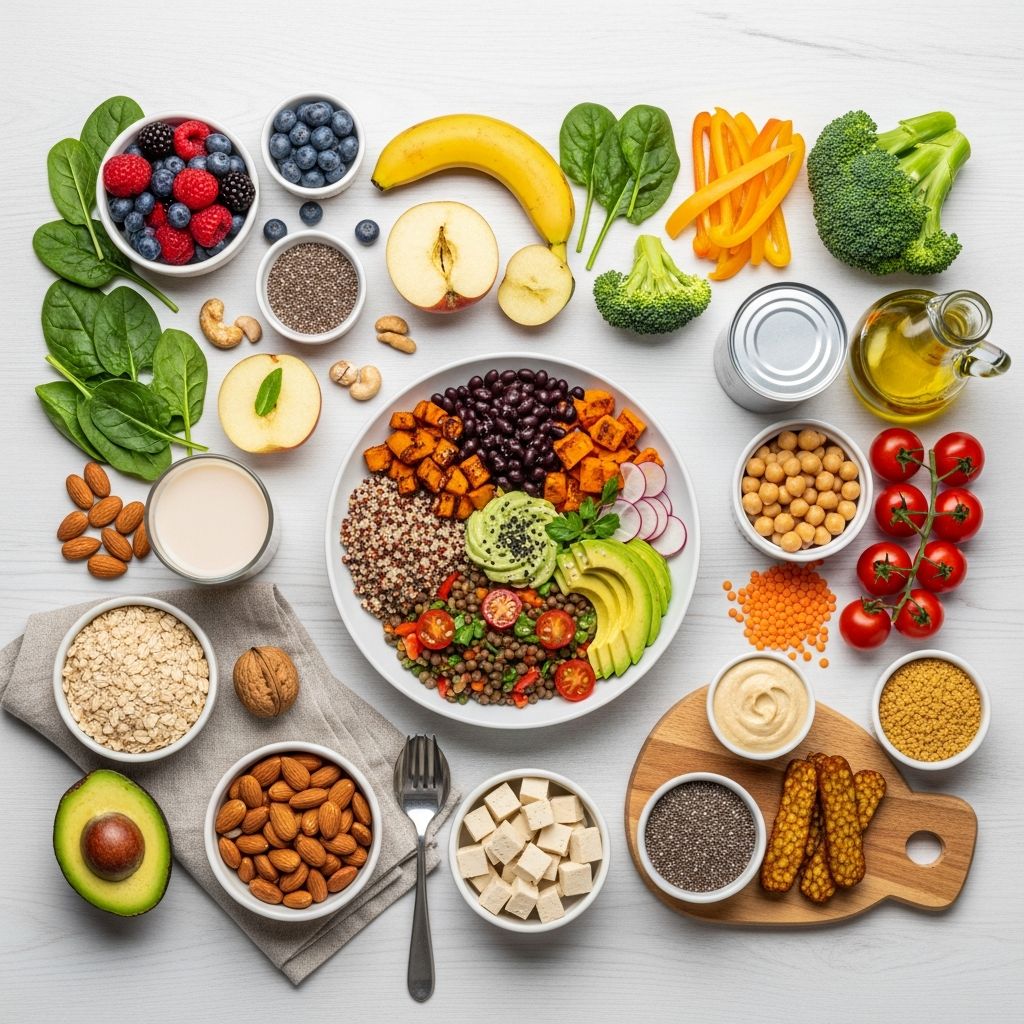
Transitioning to a plant-based diet can transform your health, energy levels, and relationship with food. This comprehensive 7-day meal plan is crafted specifically for beginners, featuring simple, delicious vegan recipes that emphasize whole foods like fruits, vegetables, legumes, grains, nuts, and seeds. Backed by evidence from credible health sources, plant-based eating reduces risks of type 2 diabetes and heart disease while promoting weight management through low-calorie-density foods.
What Is a Plant-Based Diet?
A
plant-based diet
focuses primarily on foods derived from plants, minimizing or eliminating animal products. It includes patterns like vegan (no animal products), vegetarian (no meat but dairy/eggs allowed), pescatarian (includes fish), and flexitarian (mostly plants with occasional animal foods). Unlike highly processed diets, it prioritizes whole foods for maximum nutrient density.Research from peer-reviewed studies shows plant-based diets lower calorie intake naturally due to high fiber content, aiding satiety without portion control. The U.S. Department of Agriculture’s MyPlate model adapts well: fill half your plate with fruits and vegetables, a quarter with whole grains, a quarter with proteins like beans or tofu, and include healthy fats and calcium sources.
Health Benefits of Going Plant-Based
Adopting a plant-based diet offers profound health advantages. A whole-foods, plant-based approach is linked to improved cardiovascular health, with studies showing it can prevent, halt, or reverse heart disease progression. It supports weight loss by emphasizing low-calorie-dense foods rich in fiber, which promote a healthy gut microbiome and fullness.
- Reduced chronic disease risk: Lowers chances of type 2 diabetes, heart disease, and certain cancers.
- Weight management: High-volume, low-calorie meals allow eating until satisfied without overeating.
- Better digestion: Fiber from plants fuels gut health.
- Increased energy: Nutrient-dense foods combat fatigue.
- Cost savings: Staples like beans and rice can cut grocery bills by up to $750 annually per person.
Primary sources like the World Health Organization endorse plant-rich diets for longevity and disease prevention, aligning with guidelines from the Academy of Nutrition and Dietetics.
How to Build a Balanced Plant-Based Plate
Creating balanced meals is straightforward using these core food groups. Aim for variety to ensure complete nutrition.
| Food Group | Examples | Plate Portion |
|---|---|---|
| Proteins | Beans, lentils, peas, tofu, tempeh, edamame | ¼ plate |
| Starchy Carbs | Quinoa, brown rice, potatoes, oats, whole wheat | ¼ plate |
| Fruits & Vegetables | Broccoli, bell peppers, apples, berries, leafy greens | ½ plate |
| Healthy Fats | Nuts, seeds, avocado, olive oil | Small serving |
| Calcium-Rich | Dark leafy greens, fortified plant milks (soy, almond) | 1 serving daily |
Supplements like vitamin B12 are often essential for vegans, as it’s primarily found in animal products. Consult a registered dietitian for personalized needs.
7-Day Plant-Based Meal Plan
This vegan meal plan provides ~1,800-2,000 calories daily, adjustable for activity levels. It showcases variety, uses leftovers efficiently, and focuses on minimal prep. Recipes are simple; full instructions available via high-quality sources.
Related Stories



Day 1
- Breakfast: Peanut butter banana overnight oats with soy milk, topped with chopped peanuts.
- Lunch: Vegan poke bowl: tofu, veggies, sticky rice, spicy tahini dressing.
- Dinner: Black bean stuffed sweet potatoes with guacamole and salsa.
- Snacks: Hummus with carrot sticks; pear with toasted walnuts.
Day 2
- Breakfast: Tofu veggie scramble with roasted potatoes or whole wheat toast.
- Lunch: Falafel salad: romaine, cucumbers, tomatoes, onion, tahini dressing, pita bread.
- Dinner: Lentil shepherd’s pie with vegan mashed potato-cauliflower topping.
- Snacks: Apple with peanut butter; homemade granola.
Day 3
- Breakfast: Oatmeal with coconut milk, berries, coconut, walnuts.
- Lunch: Large salad with chickpeas, avocado, veggies, pumpkin seeds.
- Dinner: Butternut squash curry with tempeh.
- Snacks: Fresh fruit; handful of almonds.
Day 4
- Breakfast: Whole grain toast with peanut butter, hemp seeds, banana, maple syrup.
- Lunch: Edamame peanut crunch salad with quinoa and veggies.
- Dinner: Ginger sweet potato coconut milk stew with pita.
- Snacks: Cereal with plant milk; protein shake.
Day 5
- Breakfast: Smoothie: almond milk, berries, peanut butter, protein powder.
- Lunch: Hummus veggie wrap.
- Dinner: Sweet potato black bean tacos.
- Snacks: Veggie sticks with dip; yogurt alternative.
Day 6
- Breakfast: Berry soy milk smoothie with oats and protein powder.
- Lunch: Hummus toast with roasted balsamic tomatoes.
- Dinner: Lemon pepper tofu with farro and asparagus.
- Snacks: No-bake chocolate peanut butter balls; guacamole with chips.
Day 7
- Breakfast: Red lentil vegetable potato fritters with fruit.
- Lunch: Chickpea “tuna” melt on whole grain bread.
- Dinner: El pastor chickpea tacos with avocado.
- Snacks: Crackers with peanut butter; roasted edamame and tangerines.
Grocery List for the Week
Stock up on these staples for easy prep. Quantities serve one; scale as needed.
- Produce: Bananas (7), apples (3), pears (2), berries (frozen, 2 bags), sweet potatoes (5), avocados (4), carrots, broccoli, asparagus, bell peppers, leafy greens, tomatoes, cucumbers, onions, potatoes, zucchini.
- Grains/Legumes: Oats, quinoa, brown rice, whole wheat bread/pita, lentils, black beans, chickpeas, tofu (3 packs), edamame.
- Nuts/Seeds: Peanut butter, peanuts, walnuts, hemp seeds, pumpkin seeds.
- Pantry: Hummus, tahini, salsa, guacamole ingredients, plant milks (soy/almond/coconut), olive oil, spices (ginger, lemon pepper).
- Other: Protein powder, maple syrup, tortilla chips/corn tortillas.
Meal Prep Tips for Success
Ease into plant-based eating gradually—start with Meatless Mondays. Prep staples like cooked grains and chopped veggies on weekends to save time.
- Batch-cook beans, lentils, and quinoa.
- Use leftovers: repurpose dinner into lunch bowls.
- Keep it simple: avocado toast or PB&J are valid meals.
- Experiment with flavors: tahini, herbs, and spices elevate basics.
- Track nutrients via apps; supplement B12 as needed.
Affordable and flexible, this approach aligns with USDA guidelines for balanced nutrition.
Frequently Asked Questions (FAQs)
Is a plant-based diet safe for beginners?
Yes, when balanced with whole foods and key nutrients like B12. Consult a dietitian for personalization.
Will I get enough protein?
Absolutely—legumes, tofu, and grains provide ample protein. Aim for ¼ plate per meal.
Can I lose weight on this plan?
Plant-based diets promote weight loss via fiber and low calorie density, without strict counting.
What if I’m not fully vegan?
Flexitarian works—swap in eggs or fish gradually.
How do I handle cravings?
Use plant swaps like chickpea ‘tuna’ or energy balls for satisfaction.
References
- 7-Day Plant-Based Diet Plan For Beginners: Foods To Eat & Avoid — UseNourish. 2023. https://www.usenourish.com/blog/plant-based-diet-plan
- Beginner’s Guide to A Whole-Foods, Plant-Based Diet — Healthline. 2024-01-15. https://www.healthline.com/nutrition/plant-based-diet-guide
- The Beginner’s Guide to a Whole-Food, Plant-Based Diet — Forks Over Knives. 2024. https://shop.forksoverknives.com/pages/beginner-guide
- Dietary Guidelines for Americans, 2020-2025 — U.S. Department of Agriculture (USDA). 2020-12-01. https://www.dietaryguidelines.gov/
- Position of the Academy of Nutrition and Dietetics: Vegetarian Diets — Journal of the Academy of Nutrition and Dietetics. 2016-12. https://doi.org/10.1016/j.jand.2016.09.025
Similar Articles








Read full bio of medha deb