Plant-Based Proteins for More Satisfying Pasta
Boost your pasta game with plant-based proteins that deliver satisfaction, nutrition, and flavor without the meat.
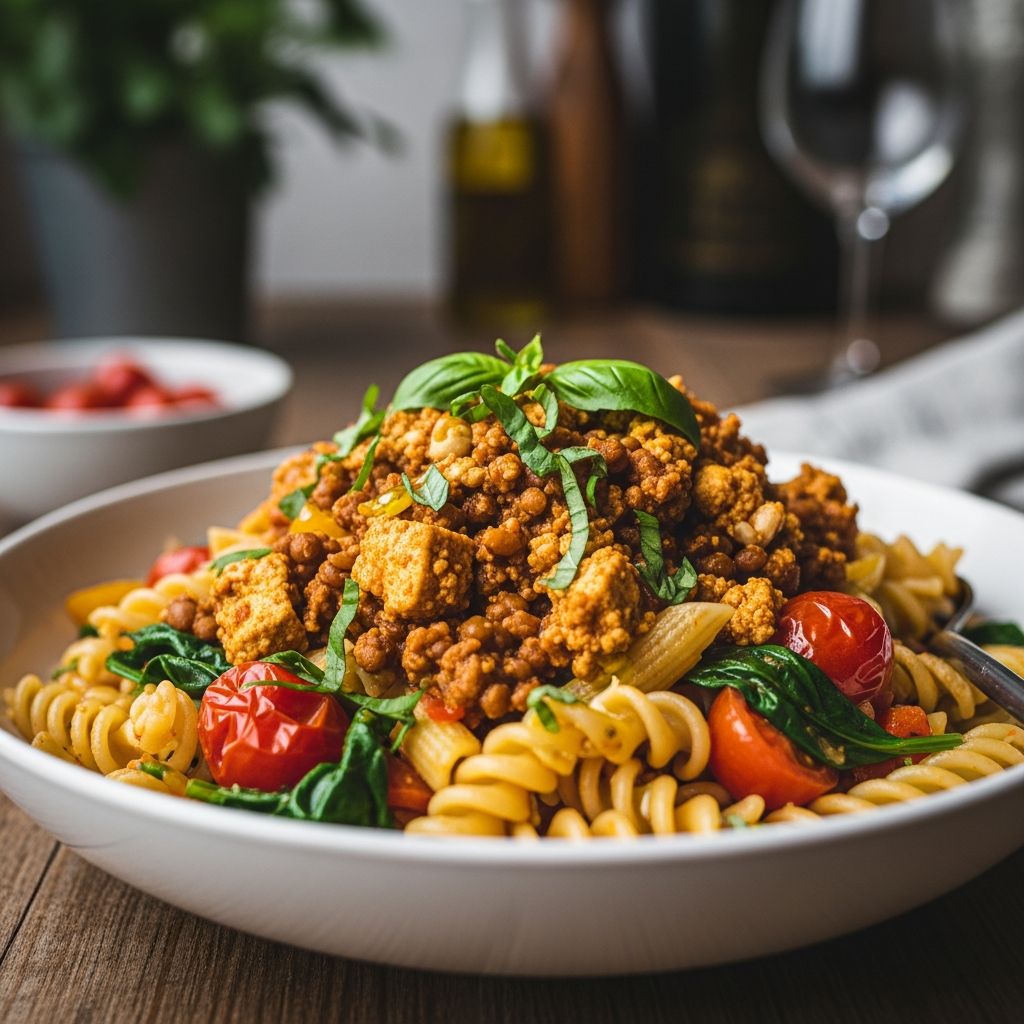
Pasta is a beloved staple, but traditional wheat-based versions often leave you hungry soon after eating due to their lower protein and fiber content. Incorporating
plant-based proteins
like chickpeas, lentils, and lupini beans transforms pasta into a more satiating, nutrient-dense meal that keeps you full longer while supporting muscle health and blood sugar stability. These alternatives maintain the comforting texture and versatility of pasta but pack 2-3 times more protein per serving, making them ideal for plant-forward diets.Research from the USDA highlights that plant proteins from legumes provide essential amino acids and fiber, promoting better digestion and sustained energy compared to refined carbs. In this guide, we dive into top plant-based pasta options, their benefits, cooking tips, and recipes to make your next dish irresistibly satisfying.
Why Plant-Based Protein Pastas Are More Satisfying
Satiety—the feeling of fullness—stems from protein, fiber, and healthy fats working together to slow digestion and stabilize blood sugar. Traditional pasta offers about 7g protein and 2g fiber per 2-oz serving, but plant-based versions double or triple that: chickpea pasta hits 11-14g protein and 5-8g fiber. This combo triggers hormones like peptide YY and GLP-1, reducing appetite as shown in studies from the Journal of Nutrition.
These pastas are naturally gluten-free (for legume-based ones), vegan, and low-glycemic, benefiting diabetics and athletes alike. A diaTribe review notes low-carb options like lentil pasta help manage blood sugar without sacrificing taste. Plus, they’re versatile for classics like spaghetti or innovative bowls.
- Higher satiety: Protein-fiber synergy keeps hunger at bay for hours.
- Better nutrition: Rich in iron, folate, and antioxidants from legumes.
- Texture upgrade: Al dente bite mimics wheat pasta when cooked right.
- Sustainability: Legumes require less water than meat production.
1. Chickpea Pasta: The Crowd-Pleaser
**Chickpea pasta**, like Banza, leads the pack for its neutral flavor, pasta-like chew, and impressive macros: 11g protein, 5g fiber, 25g net carbs per serving—versus wheat’s 41g carbs. Made from chickpea flour, pea starch, and tapioca, it holds sauce beautifully without getting mushy.
Healthline’s taste test crowned it a top performer: “Tastes close-ish to real noodles… good source of fiber and protein”. It’s creamy when sauced, ideal for mac and cheese or pesto. Cooking tip: Boil 4-5 minutes in salted water, rinse briefly to prevent foam, and avoid overcooking.
Nutrition Comparison (per 2-oz dry):
| Type | Protein | Fiber | Net Carbs | Calories |
|---|---|---|---|---|
| Wheat Pasta | 7g | 2g | 41g | 200 |
| Chickpea (Banza) | 11g | 5g | 25g | 190 |
Recipe: Chickpea Pasta Puttanesca
Sauté garlic, olives, capers, and cherry tomatoes; toss with al dente chickpea spaghetti and chili flakes. Top with parsley for a 25g-protein meal ready in 15 minutes.
2. Lentil Pasta: Hearty and Earthy
Red or green
lentil pasta
(e.g., Barilla Red Lentil or O Organics) delivers 12-15g protein and 6-10g fiber, with an earthy taste that pairs perfectly with robust sauces like Bolognese. Business Insider notes red-lentil varieties are “earthy” but satisfying, while green-lentil options like Cybele’s add veggies for 15g protein.Related Stories



It’s a fiber powerhouse, aiding gut health per NIH studies on lentils’ prebiotic effects. Rinse after cooking to tame the starchiness; best for cold-weather dishes. Healthline testers liked O Organics Red Lentil Penne for its firmness.
- Pros: Highest fiber among legumes; budget-friendly.
- Cons: Stronger flavor needs bold pairings.
Recipe: Lentil Pasta with Mushroom Ragu
Simmer lentils, mushrooms, walnuts, and tomato paste into a meaty sauce over lentil penne. 30g protein, vegan, and ultra-filling.
3. Lupini Bean Pasta: The Superfood Star
Kaizen’s
lupini bean pasta
stands out with 3x the protein (20-25g per serving) and 85% fewer carbs than wheat, thanks to lupini flour—a complete protein with all 9 essential amino acids. Gluten-free, non-GMO, and diabetic-friendly, lupini beans are a traditional superfood packed with fiber and nutrients.Though pricier due to premium ingredients (lupini costs 4x more), its nutrition justifies it: low-carb satisfaction without blood sugar spikes. Texture is firm, great for stir-fries or cold salads.
Recipe: Lupini Pad Thai
Toss with tamarind sauce, tofu, veggies, and peanuts for an Asian twist boasting 30g+ protein.
Other Plant-Based Winners
Beyond the big three:
- Black Bean Pasta: 25g protein, 5g net carbs; ideal for diabetes per WellVegan. Neutral with olive oil or bold sauces.
- Quinoa Pasta: Now Foods Organic blends rice/quinoa for closest wheat taste, though higher carbs.
- Pea Protein Pasta: Pete’s wheat-pea hybrid for vegetarians; high protein with classic chew.
Brown rice pasta (Jovial) offers mild flavor but pairs best with heavy sauces.
Cooking Tips for Perfect Plant-Based Pasta
Legume pastas cook faster (4-8 minutes) and foam more—use a large pot, plenty of water, and stir often.
- Boil salted water vigorously.
- Add pasta; set timer 1-2 min under package.
- Taste test for al dente.
- Reserve pasta water for sauce silkiness.
- Rinse red lentil types briefly.
Avoid dairy sauces initially; plant milks enhance clean flavors.
Nutrition Deep Dive
Legume pastas shine in complete proteins: lupini and chickpea provide branched-chain amino acids for muscle repair, per Harvard T.H. Chan School. Fiber (soluble/insoluble) lowers cholesterol; studies show 30g daily reduces heart disease risk by 20%.
| Pasta Type | Protein (g) | Fiber (g) | Key Benefit |
|---|---|---|---|
| Chickpea | 11-14 | 5-8 | Versatile flavor |
| Lentil | 12-15 | 6-10 | Gut health |
| Lupini | 20-25 | 10+ | Low-carb complete protein |
| Black Bean | 25 | 12 | Blood sugar control |
Frequently Asked Questions (FAQs)
Are plant-based protein pastas gluten-free?
Yes, pure legume versions like chickpea, lentil, and lupini are naturally gluten-free. Check labels for blends.
Do they taste like regular pasta?
Chickpea and quinoa are closest; lentil is earthier. Sauce choice makes or breaks it.
Are they good for weight loss?
Absolutely—higher protein/fiber promotes fullness. Pair with veggies for 400-calorie satisfying bowls.
How do I store leftovers?
Undercook slightly; store sauce separate to avoid mushiness. Reheats well in skillet.
Best for diabetics?
Lupini and black bean excel with low net carbs (under 10g/serving).
Make the Switch Today
Plant-based protein pastas aren’t just alternatives—they’re upgrades for flavor, health, and satisfaction. Experiment with Banza for beginners, Kaizen for keto, and lentil for hearty meals. Your body (and taste buds) will thank you.
References
- 7 Best Healthy Pasta Alternatives — Legally Healthy Blonde. 2023-05-15. https://legallyhealthyblonde.com/healthy-pasta-alternatives/
- Kaizen Food Company: Low Carb High Protein Pasta — Kaizen Food Company. 2025-01-01. https://kaizenfoodcompany.com
- We Taste Tested 15 Packaged Pasta Alternatives — Healthline. 2024-08-20. https://www.healthline.com/nutrition/pasta-alternatives-reviews
- 5 Excellent Low-Carb Pasta Alternatives — diaTribe.org. 2024-03-12. https://diatribe.org/diabetes-recipes/5-excellent-low-carb-pasta-alternatives
- Healthy Vegan Pasta Alternatives — WellVegan. 2023-11-10. https://wellvegan.com/healthy-vegan-pasta-alternatives-that-dont-suck
- Trying High-Protein Pastas — Business Insider. 2024-06-05. https://www.businessinsider.com/trying-high-protein-pasta-best-plant-based-option-review
- High Protein Vegan & Vegetarian Pasta — Pete’s Pasta. 2025-02-14. https://petespasta.com/collections/veg-pasta
Similar Articles








Read full bio of medha deb