Plant Dermatitis: 6 Types, Symptoms, Treatment & Prevention
Comprehensive guide to skin reactions caused by plants: causes, symptoms, diagnosis, and management strategies.
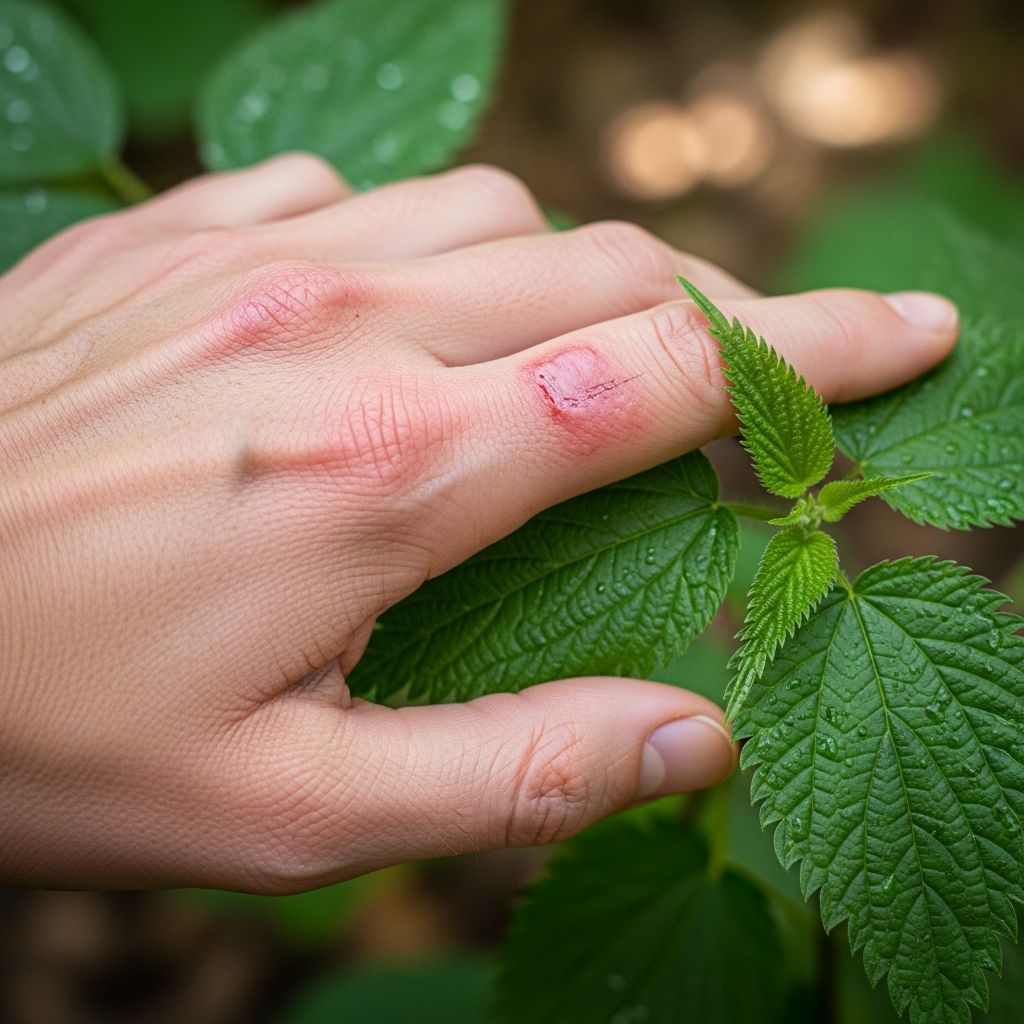
Plant dermatitis refers to a range of inflammatory skin conditions triggered by direct or indirect contact with plants or their components, such as sap, leaves, pollen, or fruits. These reactions can manifest as irritant dermatitis, allergic contact dermatitis, phototoxic or photoallergic dermatitis, contact urticaria, or mechanical irritation, affecting anyone from gardeners and hikers to florists and outdoor workers.
What is Plant Dermatitis?
Plant dermatitis, also known as phytodermatitis, occurs when plant-derived substances interact with human skin, leading to inflammation. The term ‘phyto’ derives from Greek for ‘plant’, and ‘dermatitis’ means skin inflammation. Reactions vary by mechanism: irritants cause direct damage, allergens provoke immune responses, and phototoxins react with sunlight. Common culprits include poison ivy, chrysanthemums, citrus fruits, and weeds like parthenium. Exposure routes involve touching sap, bark, pollen, or fruits during gardening, hiking, or handling produce.
Who Gets Plant Dermatitis?
Anyone can develop plant dermatitis, but certain groups face higher risks. Gardeners, farmers, florists, nursery workers, and outdoor laborers like hikers or fruit handlers are most susceptible due to frequent exposure. In regions like India, airborne contact from weeds affects outdoor workers predominantly. Children may react to plants in play, while adults encounter them occupationally. Sensitization varies; some individuals react severely to urushiol in poison ivy, while others remain unaffected.
Causes of Plant Dermatitis
Plants cause dermatitis through multiple mechanisms, each linked to specific chemicals:
- Irritant contact dermatitis: Direct toxicity from plant juices or spines, e.g., dieffenbachia sap or cactus spines.
- Allergic contact dermatitis: Immune-mediated from allergens like urushiol (Anacardiaceae family: poison ivy, oak, sumac) or sesquiterpene lactones (Compositae: chrysanthemums, parthenium).
- Phototoxic/phytophotodermatitis: Furanocoumarins in plants like limes, celery react with UVA light, causing burns.
- Photoallergic dermatitis: Allergic response post-sun exposure to plant chemicals.
- Contact urticaria: Immediate hives from stinging nettles’ histamines.
- Mechanical irritation: Physical trauma from thorns or spines, e.g., prickly pears, thistles.
Families like Anacardiaceae (urushiol), Compositae (sesquiterpenes), and Umbelliferae/Rutaceae (psoralens) are primary offenders.
Key Plant Families and Examples
| Plant Family | Key Allergens/Chemicals | Examples | Reaction Type |
|---|---|---|---|
| Anacardiaceae | Urushiol (pentadecylcatechols) | Poison ivy (Toxicodendron radicans), poison oak, mango | Allergic contact |
| Compositae/Asteraceae | Sesquiterpene lactones | Chrysanthemum, parthenium hysterophorus, ragweed | Allergic contact, airborne |
| Rutaceae/Umbelliferae | Furanocoumarins (psoralens) | Lime, lemon, celery, rue, fig | Phototoxic |
| Araceae | Calcium oxalate crystals | Dieffenbachia, philodendron | Irritant |
| Urticaceae | Histamine, formic acid | Stinging nettles | Contact urticaria |
[Adapted from sources]
Symptoms of Plant Dermatitis
Symptoms depend on the reaction type and appear variably:
- Irritant: Burning pain, redness, vesicles within hours.
- Allergic contact: Itchy eczema, papules, vesicles, bullae 12-48 hours post-exposure.
- Phytophotodermatitis: Burning, exaggerated sunburn (streaks, blisters) 1-2 days after plant + sun; hyperpigmentation follows.
- Contact urticaria: Wheals, itching, burning within minutes.
- Mechanical: Pain, redness, possible infection from spines.
Related Stories



Severe cases show oedema, generalized rash, or systemic symptoms if inhaled.
Clinical Features by Type
- Allergic phytodermatitis: Acute eczema with pruritus, oedema, vesicles on exposed areas; chronic lichenification.
- Photophytodermatitis: Linear hyperpigmented streaks (‘marginal jewellery’), no itch.
- Airborne (e.g., parthenium): Affects face, neck, flexures; ‘walkman’ distribution from headphones trapping pollen.
Diagnosis
Diagnosis relies on history (plant exposure, timing, sun involvement) and exam (linear vesicles, streak patterns). Patch testing confirms allergens (e.g., sesquiterpene mix for Compositae). Photopatch tests for photoallergens. Biopsy rarely needed but shows spongiosis in allergic cases. Rule out infections or other dermatitides.
Treatment of Plant Dermatitis
Treatment targets symptoms and mechanism:
- Immediate: Wash with soap/cold water, remove spines with tweezers/glue.
- Symptomatic: Cool compresses, calamine, oral antihistamines for itch; topical corticosteroids (hydrocortisone mild, potent for severe).
- Severe: Oral prednisone (2-week taper), antibiotics if infected.
- Phytophotodermatitis: Avoid sun, emollients, analgesics; self-resolves.
Desensitization not routine; barrier creams (e.g., for urushiol) experimental.
Prevention
Prevention is key:
- Wear gloves, long sleeves/pants when gardening/hiking.
- Learn plant identification (apps, guides for poison ivy).
- Wash skin/tools/clothes post-exposure.
- Sunscreen + cover-up for phototoxic plants.
- Avoid rubbing eyes/pets after contact.
- Florists: Compositae mix patch test if at risk.
Regional Variations
In North America, poison ivy dominates. Asia/India: Parthenium causes airborne dermatitis. Europe: Primula, lichens. Tropical areas: Tropical woods.
Frequently Asked Questions (FAQs)
What does poison ivy rash look like?
Intense itchy, blistery patches from urushiol; linear streaks from brushing.
How long does phytophotodermatitis last?
Blisters heal in days; hyperpigmentation fades in weeks-months.
Can plant dermatitis spread?
No, not contagious; spreading suggests ongoing exposure or infection.
Is treatment needed for mild cases?
Mild irritations self-resolve; use OTC hydrocortisone/antihistamines if itchy.
How to remove thorns/spines?
Tweezers or glue method; watch for infection.
Outlook
Most plant dermatitis resolves fully with care; chronicity in occupational repeated exposure. Early recognition prevents complications.
References
- Plant-Induced Contact Dermatitis — Cornell Cooperative Extension. 2023. https://cceorangecounty.org/ag-environment/plant-induced-contact-dermatitis
- Phytophotodermatitis: Symptoms, treatment, and causes — Medical News Today. 2023-05-23. https://www.medicalnewstoday.com/articles/319001
- Phytophotodermatitis: Rash, Causes & Treatment — Cleveland Clinic. 2024. https://my.clevelandclinic.org/health/diseases/phytophotodermatitis
- PLANT DERMATITIS: ASIAN PERSPECTIVE — PMC/NIH. 2012-02-29. https://pmc.ncbi.nlm.nih.gov/articles/PMC3276901/
- Plants causing skin reactions — DermInstitute. 2023. https://derminstitute.co.za/plants-causing-skin-reactions/
- Contact dermatitis – Symptoms and causes — Mayo Clinic. 2024. https://www.mayoclinic.org/diseases-conditions/contact-dermatitis/symptoms-causes/syc-20352742
- Plant dermatitis — DermNet NZ. 2024. https://dermnetnz.org/topics/plant-dermatitis
Similar Articles








Read full bio of Sneha Tete