Plantar Fasciitis: Causes, Symptoms, and Treatment Options
Understanding plantar fasciitis: comprehensive guide to causes, symptoms, and effective treatment strategies.
Understanding Plantar Fasciitis
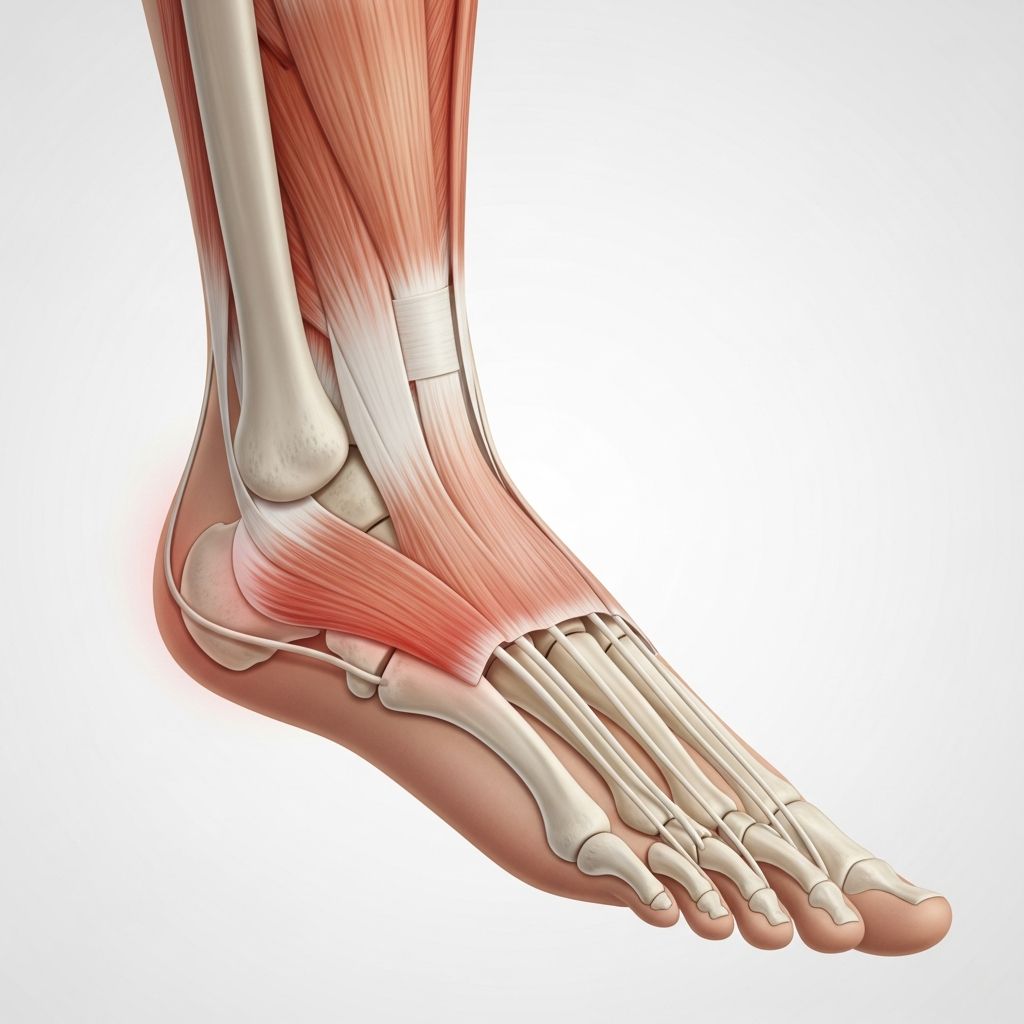
Plantar fasciitis is one of the most common causes of heel pain affecting millions of individuals each year. More than 1 million patients seek treatment annually for this condition, with many initially visiting their family physician for relief. This condition occurs when the plantar fascia—a thick band of tissue that runs along the bottom of your foot, connecting your heel bone to your toes—becomes inflamed or develops microtears due to excessive stress and strain.
Despite its name suggesting inflammation, plantar fasciitis is characterized by an absence of inflammatory cells and is increasingly recognized as a degenerative process rather than an acute inflammatory condition. Many experts now refer to this condition as “plantar fasciosis,” emphasizing its chronic degenerative nature involving microtears at the calcaneal enthesis, where the plantar fascia attaches to the heel bone.
What Causes Plantar Fasciitis?
Plantar fasciitis is primarily caused by biomechanical overuse resulting from repetitive mechanical stress on the plantar fascia. The condition develops when continuous or excessive tension causes injury, minor breaches, and chronic inflammation in this critical tissue. Understanding the underlying causes is essential for both prevention and effective treatment.
The development of plantar fasciitis typically involves repeated strain and micro-injuries to the fascia. Each time you walk, run, or stand for extended periods, your plantar fascia experiences mechanical stress. When this stress exceeds the tissue’s capacity to repair itself, microtears develop at the attachment point where the fascia connects to the heel bone, leading to pain and discomfort.
Risk Factors for Developing Plantar Fasciitis
Several factors significantly increase your risk of developing plantar fasciitis. Understanding these risk factors allows you to take preventive measures and make lifestyle modifications to reduce your chances of experiencing this painful condition.
Common Risk Factors Include:
- Prolonged Standing or Running: Activities requiring extended periods on your feet, including running, dancing, and other high-impact sports, put excessive stress on the plantar fascia.
- Tight Calf Muscles: Limited flexibility in the calf muscles increases tension on the plantar fascia, contributing to strain and inflammation.
- Being Overweight or Obese: Excess body weight increases pressure on the plantar fascia and surrounding tissues, leading to greater mechanical stress and pain.
- Improper Footwear: Wearing shoes with inadequate arch support or cushioning fails to properly distribute weight and support the foot’s natural structure.
- Age: Plantar fasciitis can affect adults across the entire age spectrum, though it’s particularly common between ages 40 and 60.
- Foot Mechanics: Flat feet or high arches can affect how weight is distributed across the foot, increasing stress on the plantar fascia.
- Occupations: Jobs requiring prolonged standing or walking, such as teaching, retail work, or factory work, increase risk significantly.
Recognizing the Symptoms of Plantar Fasciitis
The symptoms of plantar fasciitis are distinctive and often follow a characteristic pattern. Recognizing these symptoms early can help you seek appropriate treatment and prevent the condition from worsening.
Primary Symptoms:
The main symptom of plantar fasciitis is sharp, stabbing heel pain, typically located on the inside bottom of the heel. This pain is usually most severe with the first steps after waking up in the morning or after prolonged periods of rest. Many patients describe an intense stabbing sensation when they put their feet on the floor for the first time after sleep.
Related Stories



Additional symptoms commonly associated with plantar fasciitis include:
- Morning Pain: Severe heel pain that typically improves slightly with initial movement as the plantar fascia gradually stretches.
- Pain After Activity: Discomfort that worsens significantly after prolonged standing or walking, though it may temporarily improve with movement.
- Tenderness and Swelling: Localized tenderness and swelling along the bottom of the foot, particularly near the heel.
- Achilles Tendon Tightness: Associated tightness in the Achilles tendon or calf muscles that contributes to strain on the plantar fascia.
- Pain Pattern: Discomfort that improves with movement but returns after periods of inactivity or rest.
In some cases, patients may develop a heel spur—a bony projection on the heel bone visible on X-rays. While heel spurs are commonly associated with plantar fasciitis, they don’t always cause pain and aren’t necessarily the primary source of discomfort.
How Plantar Fasciitis Is Diagnosed
Diagnosis of plantar fasciitis typically relies on a thorough clinical examination and review of your symptoms and medical history. In most cases, imaging tests are not required for diagnosis.
Your healthcare provider will ask detailed questions about your symptoms, including when the pain started, what activities worsen it, and how it affects your daily life. They will examine your foot, checking for tenderness along the plantar fascia, particularly where it attaches to the heel bone. The provider may also evaluate your gait and foot mechanics to identify any biomechanical issues contributing to the condition.
While typically unnecessary for diagnosis, your doctor may recommend an X-ray or magnetic resonance imaging (MRI) if they suspect other conditions might be causing your symptoms, such as a fractured bone, or if your symptoms don’t improve with standard treatment approaches.
Treatment Options for Plantar Fasciitis
The good news is that over 90 percent of patients with plantar fasciitis can be successfully treated with conservative treatment approaches. Treatment success often requires patience, as recovery typically takes six to twelve months with consistent application of recommended strategies.
Conservative Treatment Approaches
Conservative treatment forms the foundation of plantar fasciitis management and includes multiple complementary strategies:
Rest and Activity Modification
Relative rest from activities that trigger or worsen your symptoms is the first-line treatment. This doesn’t mean complete immobilization but rather reducing the intensity and frequency of high-impact activities. Ice therapy applied after activity helps alleviate inflammation and provide pain relief. Many patients benefit from applying ice packs to the heel for 15-20 minutes several times daily.
Stretching and Massage
Dedicated stretching of both the calf muscles and plantar fascia has proven efficacy comparable to other treatments. Calf stretching exercises specifically target the tight muscles that contribute to plantar fascia strain. Deep friction massage of the arch and insertion point of the fascia can provide significant relief. Many patients find rolling their foot over a tennis ball or frozen water bottle helpful for relieving tension and improving circulation.
Footwear and Orthotics
Wearing supportive shoes with proper arch support and adequate cushioning is crucial for long-term relief. Prefabricated silicone heel inserts, along with stretching exercises, can significantly reduce pain. Custom-made foot orthotics and shoe inserts are highly effective in reducing heel pain and improving overall foot function. These devices provide additional support and proper alignment for the foot.
Night Splints
Night splints prevent foot drop during sleep and maintain an optimal lengthened position for the plantar fascia overnight. This prevents the painful tightening that occurs during sleep and reduces the severe morning pain many patients experience. When you wake and begin walking, the fascia gradually stretches more gently rather than suddenly elongating, reducing pain intensity.
Anti-Inflammatory Medications
Over-the-counter nonsteroidal anti-inflammatory drugs (NSAIDs), such as ibuprofen, can help manage pain and swelling. Topical NSAIDs applied directly to the affected area may also provide relief for some patients.
Medical and Advanced Treatments
When conservative measures don’t provide adequate relief after several weeks to months, more advanced treatment options become appropriate:
Physical Therapy
A qualified physical therapist can guide you through targeted exercises designed to strengthen foot muscles, improve flexibility, and reduce strain on the plantar fascia. Professional guidance ensures proper technique and progression of exercises.
Corticosteroid Injections
Corticosteroid injections are commonly used for both acute and chronic plantar fasciitis and have demonstrated significant effectiveness. These injections reduce inflammation and pain, providing relief that may last several weeks or months. Studies comparing various injection options have shown superior results with triamcinolone injections.
Extracorporeal Shock Wave Therapy (ESWT)
This non-invasive treatment uses high-energy sound waves to target the deep plantar fascia layer. The shock waves stimulate healing and promote the development of new tissue while reducing chronic inflammation and fascia tightness. Shock wave therapy has demonstrated efficacy and safety, particularly for chronic or recalcitrant cases that haven’t responded to conservative treatment.
Emerging Treatment Options
Innovative treatments being investigated include hyperosmolar dextrose (prolotherapy), platelet-rich plasma (PRP) injections, whole blood injection, and onabotulinumtoxinA (Botox). These emerging therapies show promise in clinical studies and may offer additional options for patients with difficult-to-treat plantar fasciitis.
Surgical Intervention
Surgery is rarely necessary for plantar fasciitis, reserved only for severe cases that haven’t responded to extensive conservative and medical treatment. Surgical procedures typically involve releasing the tight plantar fascia to alleviate pain and improve function.
Lifestyle Modifications and Prevention
Beyond formal treatment, several lifestyle modifications can accelerate recovery and prevent recurrence:
- Maintain a healthy weight to reduce pressure on the plantar fascia
- Choose appropriate footwear with adequate support for your daily activities
- Gradually increase activity levels rather than sudden changes in exercise intensity
- Perform regular stretching and strengthening exercises for your feet and calves
- Consider activity modifications for occupations requiring prolonged standing
- Avoid walking barefoot on hard surfaces
- Use orthotics or insoles when engaging in high-impact activities
Frequently Asked Questions About Plantar Fasciitis
Q: How long does it take to recover from plantar fasciitis?
A: Most cases of plantar fasciitis resolve within 6 to 12 months with consistent conservative treatment. However, some individuals may experience symptom relief within a few weeks with appropriate interventions.
Q: Can plantar fasciitis be prevented?
A: While you cannot always prevent plantar fasciitis, maintaining a healthy weight, wearing supportive shoes, performing regular calf and plantar fascia stretches, and gradually increasing activity levels can significantly reduce your risk.
Q: Is surgery necessary for plantar fasciitis?
A: Surgery is rarely necessary, as over 90% of patients respond well to conservative treatment. Surgery is considered only when all other treatment options have failed after an extended period.
Q: What should I do if conservative treatment isn’t working?
A: If you don’t experience improvement after 6-8 weeks of conservative treatment, consult your healthcare provider about advanced options such as corticosteroid injections, physical therapy referral, or shock wave therapy.
Q: Can plantar fasciitis recur after treatment?
A: Yes, plantar fasciitis can recur if you return to activities that triggered the original condition without ongoing preventive measures such as stretching, proper footwear, and activity modification.
References
- Plantar Fasciitis — National Institute of Health (NIH), National Center for Biotechnology Information. 2024. https://www.ncbi.nlm.nih.gov/books/NBK431073/
- Diagnosis and Treatment of Plantar Fasciitis — American Academy of Family Physicians (AAFP). 2011. https://www.aafp.org/pubs/afp/issues/2011/0915/p676.html
- Plantar Fasciitis: Symptoms and Causes — Mayo Clinic. 2024. https://www.mayoclinic.org/diseases-conditions/plantar-fasciitis/symptoms-causes/syc-20354846
- What Plantar Fasciitis Causes, Symptoms, and Treatment — Brown Health. 2024. https://www.brownhealth.org/be-well/what-plantar-fasciitis-causes-symptoms-and-treatment
- Plantar Fasciitis: Symptoms, Causes & Treatment Options — Cleveland Clinic. 2024. https://my.clevelandclinic.org/health/diseases/14709-plantar-fasciitis
- Plantar Fasciitis: Symptoms, Causes & Treatment — Med Park Hospital. 2024. https://www.medparkhospital.com/en-US/disease-and-treatment/plantar-fasciitis
Similar Articles








Read full bio of Sneha Tete