Plantar Fasciitis Symptoms: 6 Common Signs And Treatment Guide
Recognize the key signs of plantar fasciitis, from morning heel pain to activity-related discomfort, and learn when to seek help.
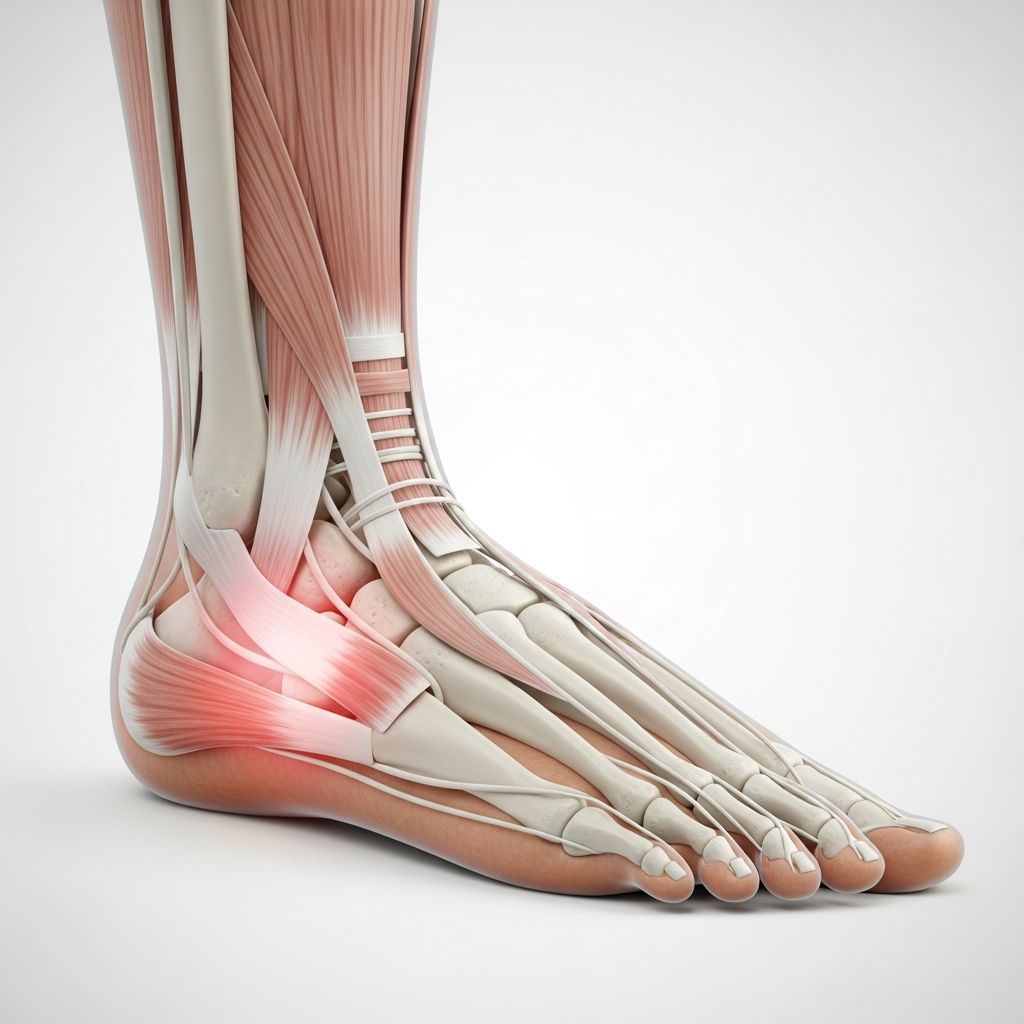
Plantar fasciitis is one of the most common causes of heel pain, affecting millions annually with stabbing discomfort in the foot’s bottom near the heel. This condition involves inflammation or degeneration of the plantar fascia, the thick band of tissue supporting the foot’s arch from heel to toes.
What Is Plantar Fasciitis?
The plantar fascia is a strong, fibrous band that runs along the bottom of the foot, connecting the heel bone (calcaneus) to the toes. It absorbs shock and supports the arch during walking, running, or standing. When overstressed, it becomes irritated, leading to micro-tears, inflammation, or degenerative changes despite the “-itis” suffix suggesting pure inflammation—it’s often more degenerative (fasciopathy). Approximately 2 million people in the U.S. receive treatment yearly, with higher prevalence among runners, overweight individuals, and those with foot abnormalities.
This condition disrupts daily life, from morning routines to prolonged standing, but most cases resolve with conservative care within months.
Plantar Fasciitis Symptoms
The hallmark symptom is sharp, stabbing pain on the bottom of the heel or arch, worst with the first steps after waking or prolonged rest. Pain often eases with light movement but worsens after extended activity like exercise or standing.
- Stabbing heel pain: Localized to the medial heel where the fascia attaches; may feel dull, aching, or burning.
- Morning pain: Intense with initial steps out of bed, as overnight tightening makes the fascia taut like a pulled rubber band.
- Pain after inactivity: Returns after sitting, driving, or standing periods; climbing stairs exacerbates it.
- Post-exercise flare: Improves during activity but surges afterward, not during.
- Arch discomfort: Radiates along the foot bottom; one or both feet affected.
- Stiffness: Reduced foot flexibility, especially dorsiflexion (toes pulled upward).
Symptoms develop gradually from overuse or suddenly post-intense activity. Rarely, paresthesia (tingling) occurs, helping differentiate from nerve issues. Ignoring pain alters gait, risking knee, hip, or back problems.
Causes
Plantar fasciitis stems from repetitive strain on the plantar fascia, causing micro-tears and failed healing. It’s multifactorial, not purely inflammatory. Key triggers include excessive foot stress from biomechanics, lifestyle, or anatomy.
- Overuse: Running long distances, on uneven/hard surfaces, or sudden activity increases.
- Biomechanical issues: Flat feet (pes planus) increase strain; high arches (pes cavus) reduce shock absorption.
- Muscle tightness: Tight Achilles tendon, calf (gastrocnemius/soleus) limits dorsiflexion.
- Weight factors: Obesity or rapid gain heightens heel pressure.
- Footwear: Shoes lacking arch support, cushioning, or worn soles.
Athletes, middle-aged adults (peak 40-60), and those with jobs involving standing are at higher risk.
Risk Factors
| Risk Factor | Description |
|---|---|
| Age | Most common in 40s-60s due to reduced tissue elasticity. |
| Activity Level | Runners, dancers, military personnel with high mileage. |
| Foot Structure | Flat feet, high arches, abnormal gait. |
| Body Weight | Obesity increases load by 3-7x body weight per step. |
| Occupations | Teachers, factory workers standing hours daily. |
| Footwear | Poor support, especially in women wearing flats/heels. |
Combining factors like tight calves and poor shoes multiplies risk.
How Is Plantar Fasciitis Diagnosed?
Diagnosis is clinical, based on history and exam—no routine imaging needed initially. Providers assess:
Related Stories



- History: Morning heel pain worsening end-of-day.
- Physical exam: Tenderness at medial calcaneal tuberosity; pain on toe dorsiflexion (windlass test).
Imaging if conservative care fails:
- Ultrasound: Thickened (>4mm) hypoechoic fascia.
- X-ray: Rules out spurs/fractures; spurs in 50% but not causal.
- MRI: For tears, stress fractures if persistent.
Differentiate from tarsal tunnel, fat pad atrophy, or stress fractures.
Plantar Fasciitis Treatment
90% improve with 6-12 months conservative care; surgery rare (<5%).
Home Remedies and Self-Care
- Rest/ice: Avoid aggravating activities; ice 15-20 min 2-4x/day.
- Stretching: Calf/Achilles/plantar fascia daily; towel stretch mornings.
- Night splints: Keep fascia stretched overnight.
Supportive Measures
- Orthotics: Over-the-counter arch supports/cushioned heels.
- Footwear: Stable shoes with good cushioning/arch support.
Medical Treatments
- NSAIDs: Ibuprofen for pain/swelling short-term.
- Physical therapy: Strengthening, manual therapy.
- Injections: Corticosteroids (limited use); PRP for chronic cases.
- Extracorporeal shockwave: For refractory pain.
Surgery (fascia release) if 6-12 months fail.
Prevention
- Maintain healthy weight to reduce impact.
- Gradually increase activity; cross-train.
- Wear supportive shoes; replace every 300-500 miles.
- Daily stretches for calves/plantar fascia.
- Use orthotics if high/low arches.
Early intervention prevents chronicity.
Frequently Asked Questions (FAQs)
What does plantar fasciitis pain feel like?
It feels like stabbing or sharp pain in the heel/arch, worst mornings or after rest, easing then worsening with activity.
How long does plantar fasciitis last?
Most resolve in 6-12 months with treatment; acute cases faster.
Is plantar fasciitis caused by heel spurs?
No, spurs are common (50%) but not causal; result from tension.
Can I run with plantar fasciitis?
Reduce intensity; focus on low-impact, with proper shoes/orthotics.
When to see a doctor for heel pain?
If pain persists >2 weeks, limits walking, or follows injury.
Complications
Untreated, chronic pain alters gait, causing knee/hip/back strain; rarely, fascia rupture.
References
- Plantar Fasciitis and Bone Spurs — OrthoInfo – AAOS. 2023. https://orthoinfo.aaos.org/en/diseases–conditions/plantar-fasciitis-and-bone-spurs
- Plantar Fasciitis | Patient Information — JAMA Network. 2018-01-02. https://jamanetwork.com/journals/jama/fullarticle/2645108
- Plantar fasciitis: MedlinePlus Medical Encyclopedia — MedlinePlus. 2023. https://medlineplus.gov/ency/article/007021.htm
- Plantar fasciitis – Symptoms and causes — Mayo Clinic. 2023-09-07. https://www.mayoclinic.org/diseases-conditions/plantar-fasciitis/symptoms-causes/syc-20354846
- Plantar Fasciitis – StatPearls — NCBI Bookshelf – NIH. 2023. https://www.ncbi.nlm.nih.gov/books/NBK431073/
- Plantar fasciitis: How is it treated and who’s at risk? — UC Davis Health. 2022-07. https://health.ucdavis.edu/blog/cultivating-health/plantar-fasciitis-how-is-it-treated-and-whos-at-risk/2022/07
- Plantar Fasciitis — AAFP. 2019-06-15. https://www.aafp.org/pubs/afp/issues/2019/0615/p744.html
Similar Articles








Read full bio of Sneha Tete