Plantar Warts: Treatment Options for This Common Foot Condition
Comprehensive guide to treating plantar warts with proven home and professional methods.
Understanding Plantar Warts
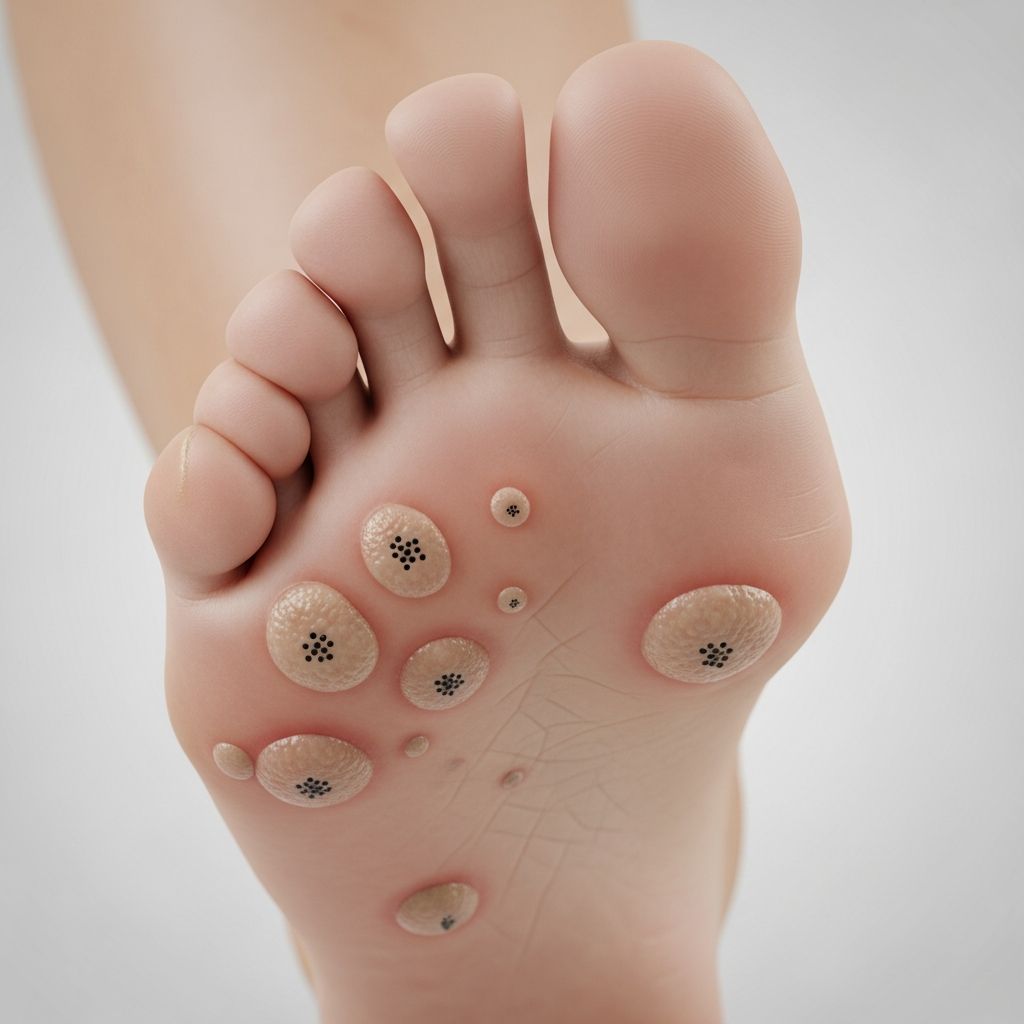
Plantar warts are benign skin growths that develop on the soles of the feet, caused by the human papillomavirus (HPV). These warts can be frustrating and uncomfortable, especially when they interfere with walking or standing for extended periods. Unlike warts on other parts of the body, plantar warts grow inward due to the pressure and weight placed on the feet, making them particularly challenging to treat. Understanding the nature of these growths and the various treatment options available is essential for anyone dealing with this common foot condition.
The virus that causes plantar warts typically enters the body through small cuts, cracks, or abrasions on the bottom of the feet. You may contract plantar warts by walking barefoot in warm, moist environments such as pool decks, gymnasiums, locker rooms, or communal showers. These areas provide the ideal conditions for HPV transmission. Once infected, the virus can remain dormant for weeks or even months before visible warts develop.
Why Plantar Warts Are Difficult to Treat
Plantar warts present unique treatment challenges compared to warts on other body parts. Because they are caused by an underlying viral infection, treating only the surface manifestation often proves ineffective. The virus resides beneath the wart, and unless the immune system successfully combats the infection, the wart may persist or recur even after removal. Additionally, the constant pressure and friction on the soles of the feet can stimulate wart growth and interfere with the healing process.
Many people find that plantar warts are particularly stubborn and resistant to treatment. Some warts may spontaneously resolve as the immune system fights off the HPV infection, but others may persist for years without intervention. This variability in outcomes makes it difficult to predict which treatment will be most effective for any given individual.
Home Treatment Options
Several home remedies are commonly used to treat plantar warts, with varying degrees of effectiveness. These approaches offer accessible, low-cost alternatives to professional treatment and may be suitable for mild cases or as initial intervention.
Salicylic Acid Treatments
The most popular home remedy for plantar warts is topical treatment with salicylic acid. This ingredient is safe and widely available in over-the-counter products such as gels, liquids, and patches. Salicylic acid works by gradually dissolving the layers of skin where the wart is present. The typical approach involves the following steps:
- Soak the affected foot in warm water for several minutes to soften the skin
- Apply salicylic acid at a concentration of 17 to 40 percent to the wart
- Gently file down the wart surface
- Reapply the acid daily for approximately two weeks
- Monitor the wart for gradual flattening and reduction
While salicylic acid is effective for many people, treatment typically requires patience. The process can take several weeks or months for complete wart resolution. Some individuals find that combining salicylic acid with other methods, such as duct tape occlusion, may improve results.
Duct Tape Method
Duct tape is an inexpensive and readily available home treatment option that has gained popularity through anecdotal evidence. The theory behind this method is that covering the wart with duct tape deprives it of oxygen, potentially promoting regression. The typical protocol involves:
Related Stories



- Covering the wart with silver duct tape continuously for two or more weeks
- Keeping the tape in place 24 hours a day, replacing it as needed
- Observing the wart for whitening and softening
- Using fine sandpaper to gently rub away the outer layer of skin
- Reapplying duct tape until the wart disappears
Evidence regarding duct tape effectiveness remains mixed, though some clinical trials and patient reports suggest it may provide benefit. The advantage of this method is its minimal cost and safety profile. However, results vary considerably among individuals, and it may not work for everyone.
Natural and Alternative Remedies
Various natural substances have been proposed for treating warts, though scientific evidence supporting their effectiveness is limited. These include apple cider vinegar, tea tree oil, garlic, aloe, castor oil, and neem. Some individuals also report benefits from greater celandine and bloodroot pastes, though these preparations carry potential risks and should be used cautiously. Hypnotherapy has shown promise in some studies for promoting wart regression through immune system stimulation. While these alternative approaches appeal to many people seeking natural solutions, professional medical consultation is recommended before attempting treatments that lack robust scientific evidence.
Professional Treatment Options
When home remedies prove ineffective or when faster results are desired, professional treatments administered by healthcare providers offer more aggressive approaches to wart removal.
Cryotherapy (Liquid Nitrogen Freezing)
Cryotherapy is one of the most commonly used professional treatments for plantar warts. This procedure involves applying liquid nitrogen directly to the wart, which causes the surface layers to freeze and subsequently blister and fall off within one to two weeks. Key aspects of cryotherapy include:
- The treatment is typically painless during application but may cause discomfort as the area thaws
- The affected area is often numbed beforehand to minimize pain
- Regular treatments every one to two weeks are usually necessary to prevent recurrence
- After three to four months of treatment, cryotherapy effectively removes warts in approximately 70 percent of cases
- The procedure can stimulate the immune system to fight the HPV virus more effectively
While cryotherapy is effective, it does have potential side effects. Blistering can last several days to weeks, and some patients may experience permanent white marks or temporary numbness in the treatment area. Despite these considerations, cryotherapy remains a preferred first-line professional treatment for many healthcare providers.
Salicylic Acid and Cryotherapy Combination
Research indicates that combining salicylic acid with cryotherapy may enhance treatment effectiveness. This combination approach addresses the wart from multiple angles—salicylic acid destroys the skin cells where the wart thrives, while cryotherapy triggers immune system activation. Studies have found that salicylic acid and cryotherapy used together or separately show cure rates of 50 to 70 percent. This combination may be particularly useful for stubborn or recurring warts.
Laser Treatment
Laser therapy represents an advanced professional treatment option, typically reserved for cases where other methods have proven ineffective. Vascular lasers work by shutting off the blood supply to the wart, causing it to die and eventually fall off. Laser treatment may be particularly useful for warts that have not responded to conventional approaches, though it carries some risk of scarring and may require multiple sessions.
Surgical Removal
For persistent warts that resist other treatment methods, surgical options are available. These include:
- Excision: The podiatrist numbs the area and surgically removes the wart
- Electrosurgery: An electric needle is used to dry and scrape away the wart
- Curettage: The wart is scraped away after numbing
While these methods can be effective, they carry potential risks including scarring, infection, and wart recurrence. Surgical approaches are generally recommended only after other treatment options have been exhausted.
Advanced Immunotherapy Options
For refractory warts or immunocompromised patients, advanced immunotherapy approaches may be considered. These include imiquimod (Aldara), which stimulates the immune system to fight the virus, and intralesional cidofovir, an antiviral agent that has emerged as an alternative treatment for resistant warts. Intralesional bleomycin injections and other immune-stimulating substances such as interferon are also sometimes used in specialized clinical settings.
Comparison of Treatment Effectiveness
| Treatment Method | Ease of Use | Cost | Effectiveness Rate | Time to Results | Side Effects |
|---|---|---|---|---|---|
| Salicylic Acid | High | Low | Moderate (varies) | Several weeks to months | Minimal |
| Duct Tape | Very High | Very Low | Low to Moderate | Weeks to months | None |
| Cryotherapy | Professional only | Moderate to High | 70% (70% after 3-4 months) | 1-2 weeks per session | Blistering, numbness, white marks |
| Laser Treatment | Professional only | High | High | Weeks | Scarring risk, pain |
| Surgical Removal | Professional only | High | High | Immediate removal | Scarring, infection risk, recurrence |
Factors to Consider When Choosing Treatment
Selecting the most appropriate treatment for plantar warts depends on several factors. Consider the number and size of warts, the duration of the infection, your pain tolerance, budget constraints, and how quickly you need results. Home remedies offer affordability and convenience but require patience and consistent application. Professional treatments provide faster results and higher success rates but involve greater expense and potential side effects. For immunocompromised individuals or those with multiple resistant warts, advanced immunotherapy options may be necessary.
Prevention Strategies
Preventing plantar warts is often more effective than treating them. Key prevention measures include:
- Avoiding walking barefoot in public areas such as pools, gyms, and locker rooms
- Keeping feet clean and dry, especially in moist environments
- Promptly treating cuts and abrasions on the feet
- Wearing protective footwear in communal bathing areas
- Avoiding contact with others’ warts
- Maintaining strong immune health through proper nutrition and exercise
When to Seek Professional Help
While many plantar warts resolve without treatment, professional medical consultation is advisable in certain situations. Seek professional help if warts are painful or interfere with daily activities, if home treatments have been unsuccessful after several weeks, if multiple warts develop, if you are immunocompromised, or if you are unsure of the diagnosis. A podiatrist or dermatologist can properly diagnose the condition and recommend the most suitable treatment approach for your specific situation.
Frequently Asked Questions
Q: How long does it take for plantar warts to go away on their own?
A: Many plantar warts resolve spontaneously as the immune system fights the HPV infection, though this can take months to years. However, some warts persist indefinitely without treatment.
Q: Can plantar warts come back after treatment?
A: Yes, recurrence is possible after any treatment method because the virus may remain present in the skin. Multiple treatments are sometimes necessary to achieve complete resolution.
Q: Is it safe to treat plantar warts at home?
A: Most home treatments with salicylic acid and duct tape are safe when used as directed. However, avoid using strong caustic agents without medical guidance, and discontinue treatment if irritation develops.
Q: Are plantar warts contagious?
A: Yes, plantar warts are caused by HPV, which is contagious. Avoid direct contact with warts and practice good foot hygiene to prevent transmission to others or other areas of your body.
Q: Should I see a podiatrist for plantar warts?
A: A podiatrist can provide professional diagnosis and recommend the most effective treatment for your specific case, particularly for persistent or painful warts.
Q: Can children get plantar warts?
A: Yes, children can develop plantar warts. Treatment approaches may differ for children, and professional medical guidance is recommended.
Q: What is the most effective treatment for plantar warts?
A: Cryotherapy is considered one of the most effective professional treatments, with cure rates around 70 percent after three to four months of regular treatment. However, the best treatment varies by individual.
References
- Natural treatments for warts — EBSCO Health Research Starters. 2024. https://www.ebsco.com/research-starters/complementary-and-alternative-medicine/natural-treatments-warts
- Do Home Remedies for Plantar Warts Work? — Premier Podiatry Group. 2024. https://premierpodiatrygroup.net/blog/home-remedies-for-plantar-warts/
- How to know if wart removal is effective and when to stop — Medical News Today. 2024. https://www.medicalnewstoday.com/articles/stages-of-wart-falling-off
- Intralesional cidofovir for the management of refractory cutaneous warts — National Center for Biotechnology Information (NCBI/PMC). 2023. https://pmc.ncbi.nlm.nih.gov/articles/PMC10088403/
- Wart Removal 101: What Really Works According to a Harvard Dermatologist — Harvard Medical School. 2024. https://www.youtube.com/watch?v=FWFT7d_-N98
Similar Articles








Read full bio of Sneha Tete