Plants That Cause Skin Problems: What You Need To Know
Learn which plants trigger skin reactions and how to prevent dermatitis from plant contact.
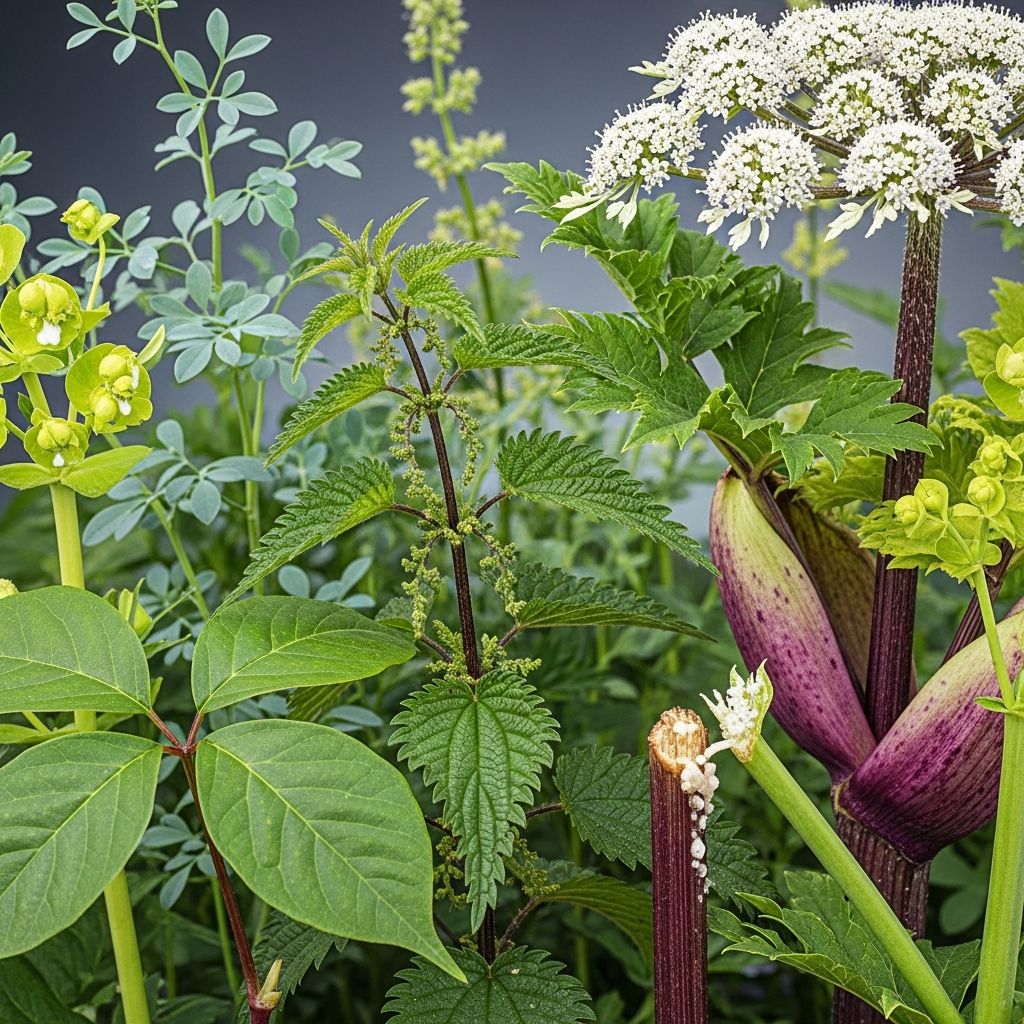
Plants That Cause Skin Problems
Many plants can trigger adverse skin reactions ranging from mild irritation to severe blistering. Understanding which plants pose risks and how they affect the skin is essential for preventing plant-related dermatitis, particularly for individuals who work outdoors or engage in gardening and farming activities. Plant-induced skin conditions occur through various mechanisms, including direct contact with toxic compounds, allergic reactions, and photosensitivity responses.
What is Plant Dermatitis?
Plant dermatitis is an inflammation of the skin caused by topical contact with a plant or plant constituent. This condition can affect anyone who comes into contact with specific plant components, including the sap, bark, wood, leaf, stem, flower, pollen, or fruit. The exposure may occur through direct contact, inhalation, or ingestion, depending on the plant involved and the circumstances of exposure.
Contact urticaria and mechanical irritation can also result from plant contact. Plant dermatitis should be suspected clinically based on history and examination, with tests undertaken to clarify or confirm the diagnosis.
Types of Plant-Induced Skin Reactions
Plant-induced skin problems manifest through several distinct mechanisms:
- Allergic Contact Dermatitis: A type 4 hypersensitivity reaction triggered by allergens in plants such as poison ivy, sesquiterpene lactones, and other plant components
- Phytophotodermatitis: A phototoxic reaction occurring when photosensitizing chemicals in plants interact with ultraviolet radiation
- Seaweed Dermatitis: A reaction caused by direct contact with toxic seaweed species containing specific toxins
- Irritant Contact Dermatitis: Direct irritation from plant sap, oils, or mechanical plant structures
Phytophotodermatitis: Plant and Light Reactions
Phytophotodermatitis is a skin reaction that occurs when certain plant chemicals come into contact with the skin, followed by exposure to sunlight. The term derives from Greek words: “phyto” (plant), “photo” (light), and “dermatitis” (skin inflammation). Also known as lime disease—distinct from the tick-borne Lyme disease—phytophotodermatitis occurs after natural photosensitizing chemicals called furanocoumarins present in plant sap and fruits become smeared onto the skin, followed by sun exposure.
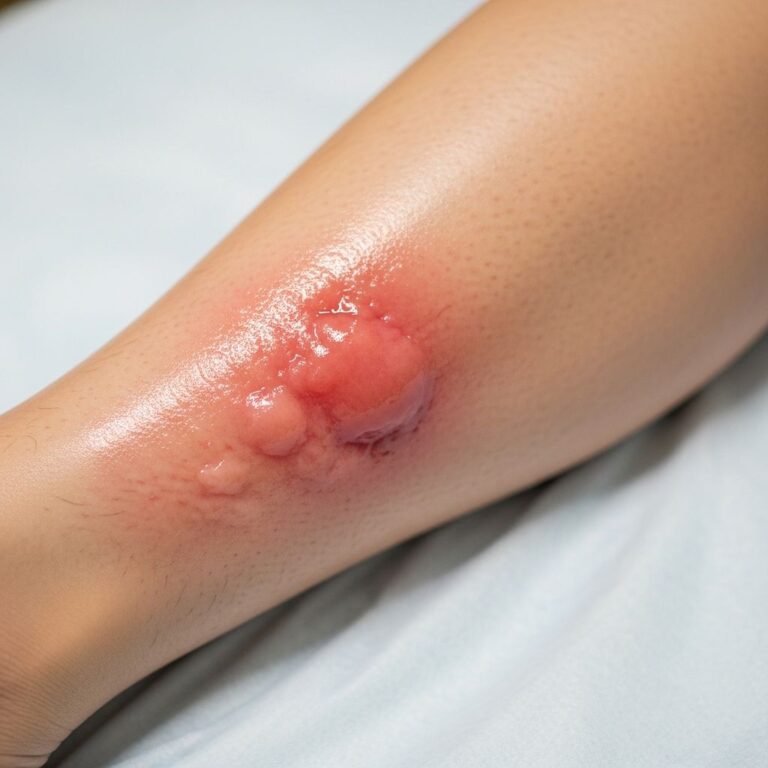
The reaction is a direct toxic effect that does not involve the immune system. Ultraviolet A radiation (UVA) interacts with the furanocoumarin, producing cell membrane damage and inflammation. The areas affected become acutely red and often blister, with skin lesions that may be linear or streaked. After the acute inflammatory reaction subsides, postinflammatory hyperpigmentation typically occurs and may persist for years.
Phytophotodermatitis can develop in anyone, as it is not an allergy. Accidental contamination of the skin with juice or sap from a causative plant, followed by sun exposure, may induce the reaction.
Plants Containing Photosensitizing Compounds
Many plants contain furanocoumarins or psoralens, chemical compounds responsible for phototoxic reactions:
- Citrus fruits, particularly limes
- Parsley and wild parsley
- Carrot
- Celery
- Fig
- Wild dill
- Wild parsnips and parsnip
- Garden rue
- Breadnut
- Meadow grass
Psoralen may also be present in some fragrances and plant oils, such as oil of bergamot. Upon exposure to UVA light, psoralen causes photochemical reactions in the skin, damaging skin cells and causing cell death, which leads to phytophotodermatitis symptoms.
Related Stories



Risk Factors and Activities Associated with Phytophotodermatitis
Individuals at greater risk of developing phytophotodermatitis include those with:
- Exposure to certain plants and plant-based products
- Use of perfumes or oils containing particular plant chemicals
- Occupational exposure through work with produce in grocery stores
- Engagement in outdoor recreational and occupational activities
Common activities that can trigger phytophotodermatitis include:
- Canning fruits or vegetables
- Working with produce in a grocery store
- Cooking fruits or vegetables
- Fishing, gardening, hiking, and camping
- Agricultural work
Allergic Contact Dermatitis from Plants
Allergic contact dermatitis (ACD) is an inflammatory disease of the skin caused by a type 4 hypersensitivity reaction. Poison ivy is a common cause of ACD and presents as linear streaks where the plant comes into contact with the skin. The immune system reacts to specific plant allergens, triggering inflammatory responses.
Compositae allergy, also known as Asteraceae contact allergy, represents another significant form of plant-induced dermatitis. Compositae refers to contact allergic reactions caused by a group of plants commonly known as compositae. The most important allergens in the compositae family are sesquiterpene lactones, which are present in the oleoresin fraction of leaf, stem, flower, and possibly in the pollen.
Compositae Family Plants and Sesquiterpene Lactones
Compositae contact allergy presents as dermatitis on areas exposed to flowers or pollens. It mainly occurs in middle-aged and older adults during the summer months, though either sex and any age group may be affected at any time of year. In some regions, compositae dermatitis is called ragweed or parthenium dermatitis.
Common plants in the compositae family that can cause allergic reactions include:
- Ragweed and marsh elder
- Parthenium and sneezeweed
- Yarrow, tansy, and wormwood
- Sunflower, marigold, and chrysanthemum
- Arnica, feverfew, and chamomile
- Dandelion
- Pyrethrum
- Lettuce
- Mugwort
Allergy can result from direct contact with the plant, exposure to its pollen, or use of skincare products containing plant extracts. Contact allergy to compositae in gardeners, farmers, forestry workers, or florists may result in serious occupational dermatitis.
Diagnosis and Testing
Compositae allergy is diagnosed through patch tests performed on patients with contact allergic dermatitis. The Baseline series of patch test allergens usually contains sesquiterpene lactone mix and may also contain compositae mix. Testing may require evaluation of several allergens, including parthenolide and specific extracts prepared from individual plants such as dandelion, tansy, yarrow, feverfew, chamomile, arnica, and chrysanthemum.
In clinical studies, sesquiterpene mix detected 65% and compositae mix detected 87% of compositae-allergic patients, but individual plant extracts were often necessary to confirm the diagnosis. Parthenolide detected 75% of sesquiterpene lactone allergic patients. Other allergens responsible for compositae dermatitis may include monoterpenes, coumarin, sesquiterpene alcohol, and thiophene.
Seaweed Dermatitis
Seaweed dermatitis is a skin rash caused by direct contact with poisonous types of seaweed (algae), most commonly Lyngbya majuscula. It differs from sea bather’s eruption, which results from stings by larval forms of certain sea anemones and thimble jellyfishes, and from swimmer’s itch, caused by bites from parasitic schistosomes (flatworms).
Seaweed dermatitis results from toxins lyngbyatoxin A and debromoaplysiatoxin produced by the seaweed. The toxicity of this seaweed varies greatly depending upon region, season, and type. Not all strains of this seaweed are toxic, making identification and avoidance challenging for individuals in affected coastal regions.
Prevention and Management Strategies
Preventing plant-induced skin reactions requires awareness and protective measures:
- Identification: Learn to identify plants that cause skin problems in your area
- Protective Clothing: Wear long sleeves, pants, and gloves when handling potentially problematic plants
- Washing: Promptly wash skin and clothing after plant contact, especially before sun exposure
- Avoidance: Avoid touching plants known to cause reactions
- Product Review: Check cosmetics and skincare products for plant extracts that may trigger allergic reactions
- Sun Protection: Use sunscreen and protective clothing after potential plant exposure to prevent phototoxic reactions
For individuals with compositae allergy, it is important to identify which plants in the neighborhood belong to the Asteraceae family so contact with them can be avoided. Cosmetics and creams containing compositae products should not be used. However, most affected individuals may safely eat vegetables of the compositae family, as ingestion typically does not trigger contact dermatitis.
Treatment Options
Treatment for plant-induced skin reactions depends on the type and severity of the reaction:
- Cleansing: Thorough washing with soap and water removes plant oils and toxins
- Topical Medications: Corticosteroid creams reduce inflammation and itching
- Antihistamines: Oral antihistamines may reduce itching and allergic responses
- Cool Compresses: Application of cool, wet compresses provides temporary relief
- Moisturizers: Regular application of fragrance-free moisturizers supports skin barrier recovery
- Systemic Corticosteroids: Severe reactions may require oral corticosteroids prescribed by a healthcare provider
Compositae allergy usually persists lifelong, but dermatitis should clear once the skin is no longer exposed to the plants responsible for it. For phytophotodermatitis, the acute symptoms typically resolve within days to weeks, though hyperpigmentation may persist for months or years.
Occupational Considerations
Workers in agricultural, horticultural, and florist professions face elevated risks of plant-induced dermatitis. Individuals in these occupations should implement workplace safety measures, including wearing appropriate protective equipment, understanding the plants they handle, and seeking medical evaluation for persistent skin reactions. Chronic exposure to compositae plants may result in serious occupational dermatitis requiring workplace modifications or occupational health intervention.
Long-Term Effects and Complications
Some individuals with chronic contact allergic dermatitis to compositae may develop more severe conditions. Patients with chronic actinic dermatitis or actinic reticuloid are frequently found to have contact allergy to compositae on patch testing. These individuals tend to be older men with dermatitis affecting the face, neck, and hands. Chronic contact allergic dermatitis to compositae may slowly evolve to photocontact dermatitis and then to photosensitivity, even in the absence of known contact with compositae.
Additionally, a nonspecific itchy red dry rash has been reported following inhalation of pollen from compositae plants. These patients become exquisitely sensitive to ultraviolet radiation, so dermatitis appears on skin exposed to sunlight for just a few minutes.
Frequently Asked Questions
Q: Can plant dermatitis be life-threatening?
A: While most plant-induced skin reactions are not life-threatening, severe allergic reactions or extensive phytophotodermatitis can be serious and require medical attention. Seek emergency care if you experience difficulty breathing, swelling of the face or throat, or widespread blistering.
Q: How long does phytophotodermatitis typically last?
A: Acute symptoms of phytophotodermatitis usually resolve within days to weeks. However, postinflammatory hyperpigmentation may persist for months or even years, gradually fading over time.
Q: Is it safe to eat vegetables that cause phytophotodermatitis?
A: Yes, it is generally safe to eat vegetables containing furanocoumarins, such as limes, celery, and parsnips. The risk occurs when plant juice contacts the skin and is followed by sun exposure. Cooking and ingestion do not typically cause phytophotodermatitis.
Q: Can plant dermatitis develop years after exposure?
A: Allergic contact dermatitis may develop upon initial exposure or after sensitization occurs. Once an individual is sensitized to a plant allergen, subsequent exposures can trigger reactions. However, acute phytophotodermatitis develops only when exposure and sun exposure occur in close temporal proximity.
Q: What should I do if I suspect plant dermatitis?
A: Wash the affected area thoroughly with soap and water immediately. Avoid sun exposure to the area. Apply cool compresses and consider using over-the-counter hydrocortisone cream. If the reaction is severe, spreads rapidly, or does not improve within several days, consult a healthcare provider or dermatologist for evaluation and treatment.
Q: Are all people equally susceptible to plant dermatitis?
A: Susceptibility varies. Phytophotodermatitis can affect anyone with adequate sun exposure after plant contact. Allergic contact dermatitis requires prior sensitization, so some individuals may react while others do not. Occupational exposure and genetic factors influence individual risk.
Conclusion
Plant-induced skin problems range from mild irritation to severe blistering reactions, affecting individuals of all ages and backgrounds. Understanding the mechanisms of plant dermatitis, identifying problematic plants, and implementing prevention strategies significantly reduce the risk of skin reactions. Whether through allergic contact dermatitis, phototoxic phytophotodermatitis, or direct contact with toxic plants like seaweed, awareness and protective measures are essential. Individuals experiencing persistent or severe plant-related skin reactions should consult healthcare professionals for accurate diagnosis and appropriate treatment.
References
- Phytophotodermatitis — DermNet NZ. 2024. https://dermnetnz.org/topics/phytophotodermatitis
- Plant Dermatitis — DermNet NZ. 2024. https://dermnetnz.org/topics/plant-dermatitis
- Compositae Allergy. Sesquiterpene Lactone Contact Allergy — DermNet NZ. 2024. https://dermnetnz.org/topics/compositae-allergy
- Seaweed Dermatitis — DermNet NZ. 2024. https://dermnetnz.org/topics/seaweed-dermatitis
- Allergic Contact Dermatitis: Symptoms, Causes, and Treatment — DermNet NZ. 2024. https://dermnetnz.org/topics/allergic-contact-dermatitis
- Phytophotodermatitis: Symptoms, treatment, and causes — Medical News Today. 2021. https://www.medicalnewstoday.com/articles/319001
- Allergic Contact Dermatitis — NCBI Bookshelf, StatPearls, National Center for Biotechnology Information, U.S. National Library of Medicine. 2024. https://www.ncbi.nlm.nih.gov/books/NBK532866/
Similar Articles








Read full bio of medha deb