Plasma Skin Regeneration: Advanced Skin Rejuvenation
Innovative plasma technology for skin rejuvenation, collagen production, and lasting results.
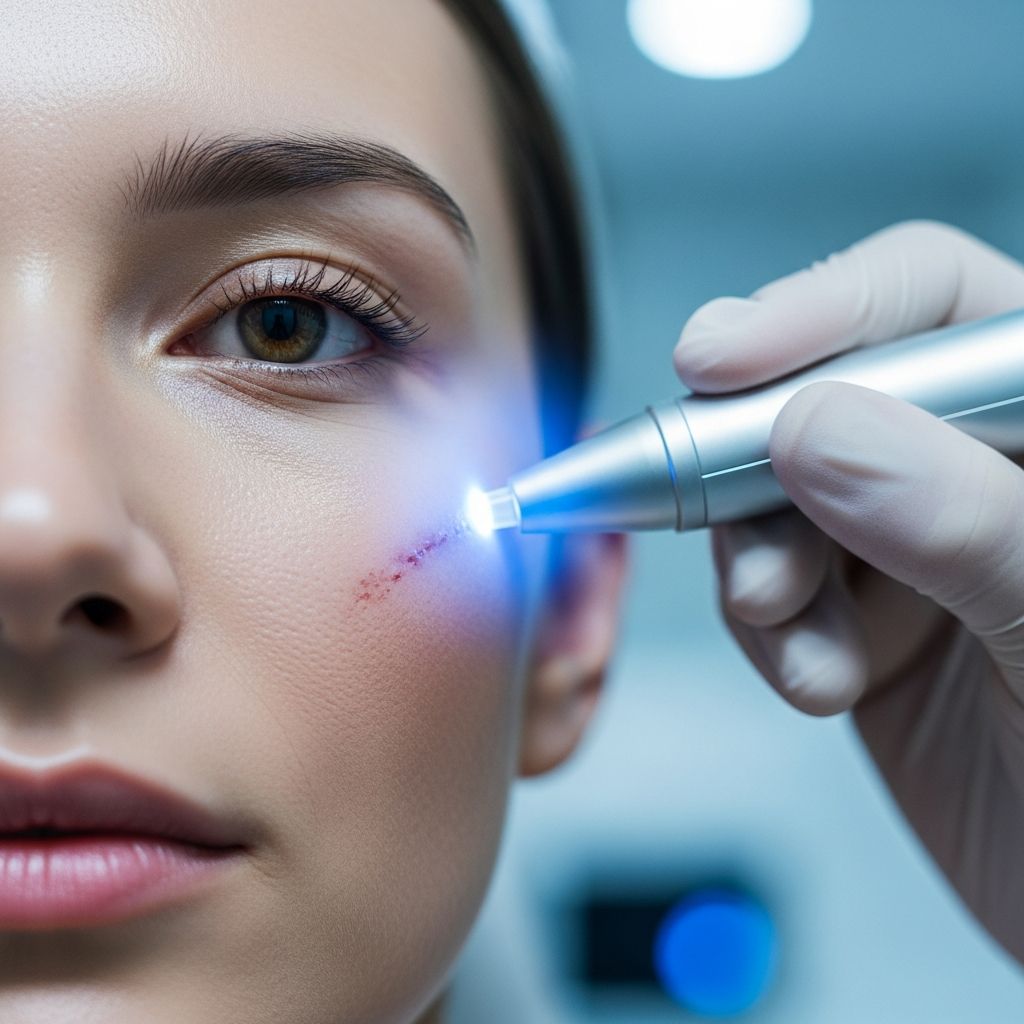
Plasma Skin Regeneration: A Comprehensive Overview
Plasma skin regeneration (PSR) is a novel noninvasive aesthetic procedure that harnesses the power of ionized gas energy to rejuvenate the skin and promote natural healing. This cutting-edge technology represents a significant advancement in dermatological treatment, offering patients an effective alternative to traditional ablative laser resurfacing with considerably reduced downtime and risk profile.
Unlike conventional laser treatments that rely on light energy and selective photothermolysis principles, plasma technology delivers thermal energy directly to skin tissue upon contact, without depending on skin chromophores—the pigments that absorb light. This fundamental difference makes PSR suitable for a broader range of skin types and tones, addressing a diverse spectrum of aesthetic concerns with predictable, safe results.
What is Plasma Skin Regeneration?
Plasma represents the fourth state of matter—beyond solid, liquid, and gas—created when electrons are stripped from atoms to form an ionized gas. In PSR treatment, an ultra-high-frequency radiofrequency generator excites inert nitrogen gas within the handpiece, transforming it into plasma energy. The nitrogen gas is specifically chosen because it purges oxygen from the skin surface, minimizing the risk of unpredictable hot spots, charring, and scar formation.
Upon formation, the activated plasma is directed through a quartz nozzle and delivered to the skin’s surface in millisecond pulses. Clinically, the plasma appears as a characteristic lilac glow that transitions to a yellowish light called a Lewis-Raleigh afterglow. As the plasma contacts the skin, it rapidly transfers energy, causing instantaneous, controlled thermal damage without explosive tissue effects or significant epidermal removal.
This controlled thermal injury stimulates the body’s innate healing response, initiating collagen and elastin production while leaving a protective layer of intact, desiccated epidermis that acts as a natural biologic dressing. This unique mechanism accelerates wound healing and supports rapid recovery compared to traditional ablative laser resurfacing.
Treatment Protocols and Energy Levels
PSR technology can be applied at varying energy levels to achieve different depths of thermal effect, ranging from superficial epidermal sloughing to deeper dermal heating. The Portrait® PSR device (Rhytec, Inc.) offers three distinct treatment protocols, each designed for specific clinical goals:
- PSR1 Protocol: Utilizes a series of low-energy treatments (1.0–1.2 Joules) spaced 3 weeks apart, with a recovery time of 3–4 days
- PSR2 Protocol: Applies one high-energy pass (3.0–4.0 Joules) in a single treatment session, requiring 5–7 days of recovery
- PSR3 Protocol: Delivers two high-energy passes (3.0–4.0 Joules) during one treatment, with recovery extending 6–10 days
All three protocols effectively improve fine lines, textural irregularities, and dyspigmentation. However, skin tightening effects are typically more pronounced with the higher-energy PSR2 and PSR3 treatments.
Clinical Efficacy and Results
Clinical research has demonstrated remarkable outcomes for PSR treatment. In a pivotal pilot study evaluating single full-facial high-energy treatment (3–4 Joules), physicians observed a mean improvement in overall facial rejuvenation of 50% by one month post-treatment. Patient self-assessment ratings showed even more impressive results, with participants reporting 68% improvement in overall facial rejuvenation at the 3-month follow-up mark.
Histological analysis of post-treatment skin samples revealed significant structural improvements:
- Substantial reduction in solar elastosis (sun-damaged elastic fibers)
- Significant formation of new, organized collagen with an interdigitating pattern
- Notable thickening of the collagen band at the dermal-epidermal junction
- Mean depth of new collagen formation: 72.3 micrometers
- Epidermal thickness remained unchanged, preserving skin barrier integrity
Related Stories



Longitudinal histological studies have confirmed that collagen production continues for extended periods beyond the initial treatment, with progressive skin rejuvenation observed for over one year after therapy. This extended remodeling period distinguishes PSR from many other skin resurfacing techniques and contributes to long-lasting clinical improvement.
Clinical Applications and Indications
Plasma skin regeneration has received FDA 510(k) clearance for multiple therapeutic and aesthetic indications:
- Rhytides (wrinkles) of the face and body
- Fine lines and signs of photoaging
- Dyspigmentation and uneven skin tone
- Acne scars and textural irregularities
- Superficial skin lesions
- Actinic keratoses
- Viral papillomata
- Seborrheic keratoses
The versatility of PSR technology makes it an excellent option for comprehensive facial rejuvenation in patients seeking improvement across multiple skin concerns simultaneously.
The Plasma Skin Regeneration Procedure
Pre-Treatment Consultation
Before undergoing PSR treatment, patients meet with a dermatology specialist for a comprehensive consultation. During this appointment, the provider assesses the patient’s skin condition, discusses aesthetic goals, evaluates candidacy, and determines the optimal treatment protocol and energy settings.
Treatment Process
The PSR procedure typically lasts 30 to 45 minutes, depending on the size and number of areas being treated. The treatment sequence includes:
- Application of topical anesthetic to ensure patient comfort during the procedure
- Thorough cleansing of the skin to remove impurities and optimize plasma contact
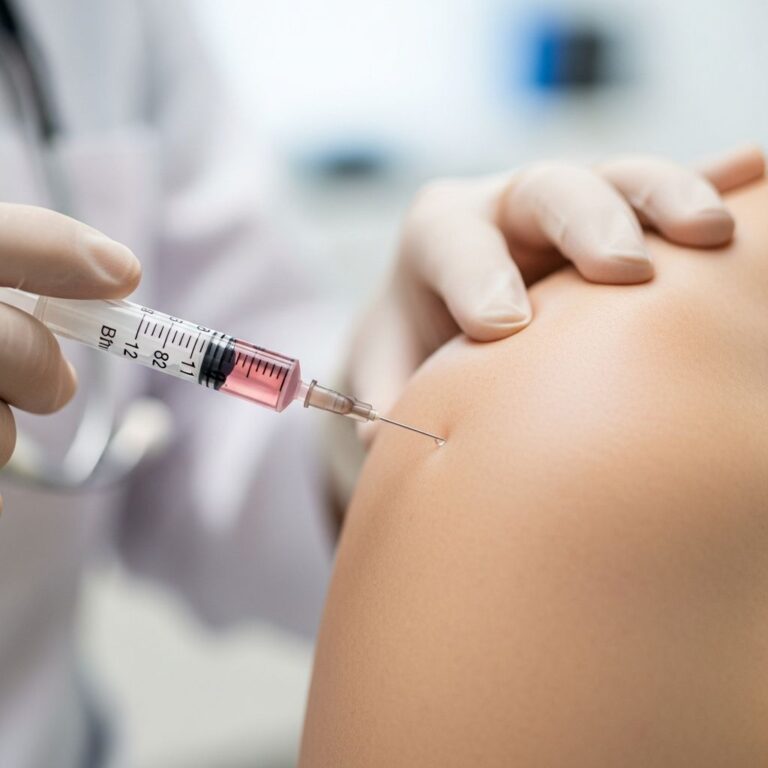
- Delivery of controlled plasma energy pulses to targeted facial or body areas using the handpiece
- Application of soothing serums or specialized post-treatment creams to facilitate healing
Patients typically experience sensations of heat and mild sunburn-like effects immediately post-treatment, which are expected and temporary responses to the controlled thermal injury.
Recovery and Downtime
One of the most significant advantages of PSR over traditional ablative laser resurfacing is the substantially reduced recovery period. Recovery duration depends on the treatment protocol selected:
- PSR1 (low-energy): 3–4 days of recovery
- PSR2 (single high-energy pass): 5–7 days of recovery
- PSR3 (dual high-energy passes): 6–10 days of recovery
Even with the more aggressive high-energy protocols, recovery time remains significantly shorter than traditional CO2 laser resurfacing, which can require 2–4 weeks of downtime. The intact epidermal layer acts as a protective biological dressing, minimizing infection risk and promoting faster healing.
Proper post-procedure care is essential for optimal results and includes gentle cleansing, application of prescribed healing serums, sun protection, and adherence to provider-specific aftercare instructions.
Safety Profile and Side Effects
PSR technology has demonstrated an excellent safety profile in clinical practice. Research indicates that no major adverse effects have been reported with appropriate treatment parameters and technique. The technology’s safety advantages include:
- Suitability for all skin types and tones, unlike some laser treatments that carry higher risk in darker skin
- Minimal risk of unpredictable complications due to nitrogen gas purging oxygen from the skin surface
- Preservation of epidermal thickness and skin barrier function
- Lower risk of scarring, charring, or thermal injury complications
- Non-ablative mechanism that leaves intact skin architecture intact
The controlled nature of thermal energy delivery distinguishes PSR from explosive or vaporizing technologies, contributing to its favorable safety profile.
Benefits of Plasma Skin Regeneration
PSR offers numerous clinical and aesthetic advantages that make it an attractive option for diverse patient populations:
Noninvasive with Minimal Downtime
Unlike surgical procedures, PSR requires no incisions and minimal recovery period, allowing most patients to resume normal activities within days rather than weeks.
Safe for All Skin Types
PSR technology is effective across all skin tones and types, addressing the limitations of some chromophore-dependent laser treatments.
Addresses Multiple Skin Concerns
A single PSR treatment effectively targets wrinkles, fine lines, hyperpigmentation, acne scars, texture irregularities, and skin laxity simultaneously.
Continued Collagen Production
The healing response triggered by PSR continues for extended periods, with ongoing collagen remodeling and progressive skin improvement observed for months to over one year after treatment.
Natural, Long-Lasting Results
Results develop gradually as collagen and elastin production continues, creating natural-looking rejuvenation that improves over time.
Comparison with Other Skin Resurfacing Technologies
| Technology | Energy Source | Mechanism | Recovery Time | Suitable for All Skin Types |
|---|---|---|---|---|
| Plasma Skin Regeneration | Ionized nitrogen gas | Controlled thermal injury; leaves intact epidermis | 3–10 days | Yes |
| CO2 Laser | Light energy (chromophore-dependent) | Ablative vaporization | 2–4 weeks | Limited in dark skin |
| Erbium Laser | Light energy | Ablative vaporization | 1–2 weeks | Better than CO2 but still limited |
| Radiofrequency | RF energy | Subsurface heating | 0–3 days | Yes |
Frequently Asked Questions
Q: Is plasma skin regeneration painful?
A: A topical anesthetic is applied before treatment to ensure comfort. Patients may feel mild heat during the procedure, but pain is minimal. Post-treatment sensations typically resemble mild sunburn and resolve with proper aftercare.
Q: How many treatments are needed?
A: This depends on the treatment protocol selected. PSR1 typically requires multiple sessions spaced 3 weeks apart, while PSR2 and PSR3 often achieve significant results with a single treatment or limited sessions.
Q: When will I see results?
A: Initial improvements appear within 4 weeks, with continued progression over 3 months and beyond. The ongoing collagen remodeling process means results continue improving for up to 12 months post-treatment.
Q: Can plasma skin regeneration be used on the body?
A: Yes, PSR is FDA-cleared for treatment of wrinkles and skin concerns on the face and body. However, facial treatments are most common.
Q: Is there any downtime after PSR treatment?
A: Recovery depends on the protocol used, ranging from 3–10 days. Patients can typically resume most normal activities within this timeframe, though sun protection and specific aftercare instructions are essential.
Q: Are there any contraindications for PSR?
A: While PSR is suitable for most skin types, patients with active infections, certain medical conditions, or those taking specific medications should consult with their dermatologist. Pregnancy typically requires postponement of elective aesthetic procedures.
Q: How long do the results last?
A: Results are long-lasting due to ongoing collagen production and skin remodeling that continues beyond the initial treatment. However, maintenance treatments may be recommended to sustain optimal results over time.
Conclusion
Plasma skin regeneration represents a significant advancement in noninvasive aesthetic dermatology, offering patients an effective, safe, and versatile solution for comprehensive facial rejuvenation. By harnessing the power of ionized gas energy, PSR stimulates the body’s natural healing mechanisms, producing sustained collagen remodeling and progressive skin improvement over extended periods. With multiple treatment protocols available, minimal downtime, and suitability across all skin types, PSR has established itself as a premier option for addressing wrinkles, texture irregularities, hyperpigmentation, and other signs of photoaging. As continued research validates its efficacy and safety profile, plasma skin regeneration will likely remain a cornerstone of modern dermatological practice for years to come.
References
- Revolutionary Plasma Skin Regeneration — Knott Street Dermatology. 2024. https://knottstdermatology.com/revolutionary-plasma-skin-regeneration/
- Plasma Skin Regeneration Technology — Skin Therapy Letter. 2024. https://www.skintherapyletter.com/cosmetic-dermatology/plasma-skin-regeneration/
- Evaluation of Plasma Skin Regeneration Technology for Cutaneous Resurfacing — PubMed/NCBI. 2008. https://pubmed.ncbi.nlm.nih.gov/19146609/
- Plasma Skin Regeneration Technology — Journal of Drugs in Dermatology. 2007. https://jddonline.com/articles/plasma-skin-regeneration-technology-S1545961607P1110X
- Advances in Plasma Skin Regeneration — PubMed/NCBI. 2008. https://pubmed.ncbi.nlm.nih.gov/18789051/
- Plasma Skin Resurfacing — Oak Dermatology. 2024. https://www.oakderm.com/services/plasma-skin-resurfacing
Similar Articles








Read full bio of medha deb