Plastic Surgery Techniques: Methods and Applications
Explore comprehensive plastic surgery techniques for reconstruction and cosmetic enhancement.
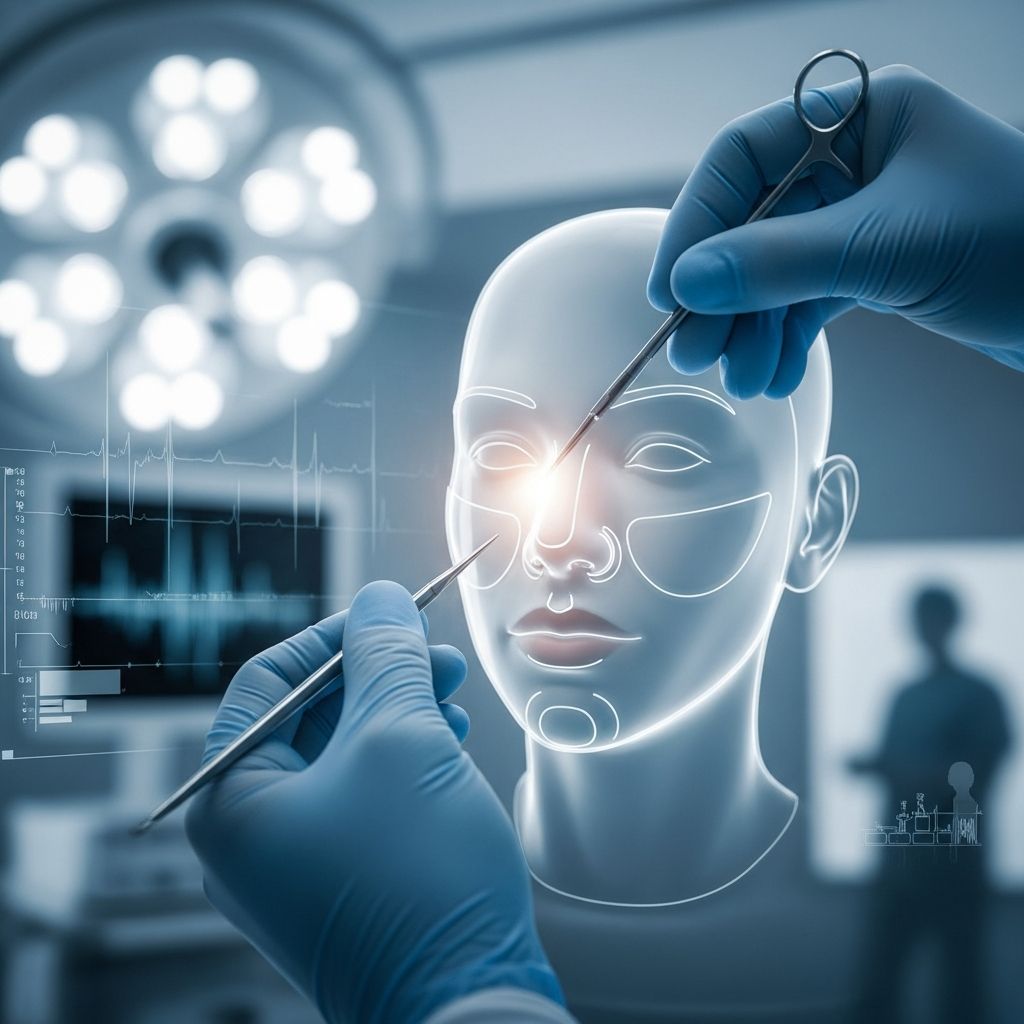
Understanding Plastic Surgery Techniques
Plastic surgery represents a specialized medical field that combines both art and science to restore form and function to various body parts. Whether through reconstructive procedures aimed at repairing damage from injury, disease, or congenital conditions, or cosmetic procedures designed to enhance appearance, plastic surgeons employ a diverse range of sophisticated techniques. These procedures can address physical impairments while simultaneously improving patients’ quality of life and psychological well-being. Understanding the different techniques available helps patients make informed decisions about their surgical options and set realistic expectations for outcomes.
Reconstructive Surgery Techniques
Reconstructive plastic surgery focuses on restoring form and function to body parts that have been affected by trauma, disease, or birth defects. These procedures serve a critical medical purpose beyond aesthetic improvement, often enabling patients to regain lost functionality and improve their overall health outcomes.
Skin Grafting
Skin grafting is one of the most fundamental reconstructive techniques used in plastic surgery. This procedure involves transferring healthy skin from one area of the body to another area where skin has been lost due to burns, injuries, or surgical removal. The grafted skin can be taken from the patient’s own body (autograft), from a donor (allograft), or from cadaver tissue. Autografts are typically preferred because they carry the lowest rejection risk. Skin grafts are essential in treating severe burns and traumatic injuries where large areas of skin need to be replaced to prevent infection and promote healing.
Flap Procedures
Flap procedures represent more complex reconstructive techniques where tissue, including skin, fat, muscle, and sometimes bone, is transferred from one area to another while maintaining its blood supply. Unlike simple skin grafts, flaps retain their own blood vessels, which allows them to survive and integrate more successfully. Flap procedures can be local (moving tissue from adjacent areas), regional (transferring tissue from nearby regions), or free flaps (where tissue is completely removed and reattached in a new location using microsurgical techniques). These procedures are particularly valuable for reconstructing large defects, areas requiring significant padding, or regions needing specialized tissue types.
Tissue Expansion
Tissue expansion is a staged reconstructive technique that gradually stretches healthy skin and tissue to create additional skin for reconstruction. A balloon-like expander is placed under the skin near the area needing reconstruction, and over several weeks or months, it is gradually filled with saline solution. This controlled stretching encourages the body to grow new skin, which is then used to cover the reconstructed area. This technique is particularly valuable for treating large scars, burn injuries, and areas requiring significant skin replacement.
Bone and Cartilage Reconstruction
When bone or cartilage is damaged or missing, plastic surgeons may use various materials and techniques for reconstruction. Options include using bone grafts from the patient’s own body (autografts), donor bone, bone substitutes, or implanted materials. Cartilage reconstruction may involve harvesting cartilage from other body areas and reshaping it, or using synthetic materials designed to support tissue regeneration. These techniques are essential for restoring structural integrity and function to affected areas.
Cosmetic Surgery Techniques
Cosmetic plastic surgery focuses on enhancing and reshaping normal body structures to improve appearance and boost patient confidence. While these procedures are elective rather than medically necessary, they are performed with the same high standards of safety and precision as reconstructive surgery.
Facial Rejuvenation Procedures
Facial rejuvenation encompasses numerous techniques designed to address signs of aging and improve facial appearance. Facelift surgery (rhytidectomy) involves tightening facial muscles and removing excess skin to reduce wrinkles and sagging. Brow lifts elevate the eyebrows and smooth forehead wrinkles. Eyelid surgery (blepharoplasty) can remove excess skin and fat from upper and lower eyelids, creating a more youthful and alert appearance. These procedures can be performed individually or in combination for comprehensive facial restoration.
Rhinoplasty
Rhinoplasty, commonly known as a nose job, reshapes the nose to improve its appearance or function. The procedure may involve adjusting the nasal bridge, refining the tip, or correcting structural issues that impede breathing. Surgeons may use open or closed rhinoplasty techniques, with the choice depending on the extent of reshaping required and patient anatomy. Rhinoplasty can be purely cosmetic or combined with functional correction (septorhinoplasty).
Breast Surgery
Breast augmentation, reduction, and lift procedures represent common cosmetic surgical options. Breast augmentation involves placing implants to increase breast size and volume. Breast reduction removes excess breast tissue to reduce size and alleviate discomfort. Breast lift (mastopexy) tightens and repositions breast tissue to create a more youthful contour. These procedures can significantly impact patient satisfaction and confidence.
Body Contouring
Body contouring procedures reshape and tone various body areas. Liposuction removes excess fat deposits through suction, sculpting body contours. Abdominoplasty (tummy tuck) removes excess abdominal skin and tightens muscles. Thigh lifts, arm lifts, and other regional contouring procedures address specific areas of concern. These techniques are often used following significant weight loss or to improve overall body proportions.
Minimally Invasive Techniques
Modern plastic surgery incorporates numerous minimally invasive options that provide results with reduced downtime and fewer risks compared to traditional surgical approaches.
Injectable Treatments
Injectable treatments including Botox, dermal fillers, and other substances can smooth wrinkles, enhance facial features, and restore volume without surgery. Botulinum toxin injections relax facial muscles that create expression lines. Dermal fillers restore lost volume and plump fine lines. These treatments are temporary, requiring periodic maintenance appointments, but offer immediate results with minimal recovery time.
Laser and Light-Based Therapies
Laser and intense pulsed light (IPL) technologies are used for skin resurfacing, removing age spots and discoloration, treating acne scars, and stimulating collagen production. These non-invasive to minimally invasive treatments improve skin texture and appearance with limited downtime. Fractional lasers are particularly effective for addressing pigmentation issues and fine wrinkles.
Microdermabrasion and Chemical Peels
Microdermabrasion uses tiny crystals or a diamond tip to gently exfoliate the skin’s surface, improving texture and reducing fine lines. Chemical peels use various chemical solutions to remove damaged outer skin layers, revealing fresher, smoother skin beneath. Both techniques promote collagen remodeling and can address acne scars, sun damage, and uneven pigmentation.
Advanced Surgical Technologies
Contemporary plastic surgery benefits from cutting-edge technologies that enhance precision and outcomes. Computer-assisted surgical planning allows surgeons to simulate results before procedures, ensuring optimal outcomes. Three-dimensional imaging helps patients visualize potential results and aids surgical planning. Endoscopic techniques enable surgeons to work through smaller incisions, reducing scarring and recovery time. Microsurgical techniques allow for precise reconstruction of delicate structures and nerve repair.
The Consultation Process
A thorough consultation is essential before any plastic surgery procedure. During the initial appointment, the surgeon evaluates the patient’s concerns, medical history, and expectations. The surgeon discusses available options, realistic outcomes, potential risks, and recovery timelines. Detailed photographs and, when appropriate, computer imaging help communicate surgical goals. This collaborative discussion ensures that both surgeon and patient have aligned expectations and that the selected procedure is appropriate for the patient’s goals and anatomy.
Recovery and Results
Recovery timeframes vary significantly depending on the procedure type and extent. Minimally invasive treatments may allow immediate return to normal activities, while major surgical procedures require weeks or months of recovery. Swelling and bruising are common immediately after surgery but gradually resolve. Final results typically become apparent after several months as tissues settle and healing completes. Following post-operative instructions carefully, including wound care, activity restrictions, and medication use, optimizes healing and results.
Combination Procedures
Many patients benefit from combining multiple techniques to achieve comprehensive results. For example, a patient might undergo facelift surgery combined with eyelid surgery and injectable treatments for optimal facial rejuvenation. Combining procedures can reduce total recovery time and provide more harmonious overall results than performing procedures separately.
Safety Considerations
Choosing a board-certified plastic surgeon with specialized training is crucial for ensuring safety and achieving optimal results. Board certification indicates the surgeon has completed rigorous training, passed comprehensive examinations, and maintains ongoing education. Surgeons should discuss all risks, including infection, bleeding, scarring, and procedure-specific complications. Patients with certain medical conditions may require additional pre-operative evaluation to ensure surgical safety.
Frequently Asked Questions
Q: What is the difference between plastic surgery and cosmetic surgery?
A: Plastic surgery includes both reconstructive procedures that restore form and function to damaged areas and cosmetic procedures that enhance normal structures. Cosmetic surgery specifically refers to elective procedures designed to improve appearance.
Q: How long do results from cosmetic procedures last?
A: Results vary by procedure. Surgical procedures like facelifts typically last 7-10 years, while injectables last 3-6 months. Skin treatments provide ongoing benefits with maintenance sessions.
Q: What should I expect during recovery?
A: Recovery varies by procedure complexity. Expect some swelling and bruising initially. Most patients return to light activities within 1-2 weeks and full activities within 4-6 weeks for major surgery.
Q: Are plastic surgery results permanent?
A: While surgical procedures provide long-lasting results, natural aging processes continue. Many patients choose touch-up procedures or maintenance treatments over time to maintain results.
Q: How do I choose the right plastic surgeon?
A: Look for board certification, specialized training in your procedure of interest, before-and-after photos, patient testimonials, and a surgeon with whom you feel comfortable communicating.
Q: Can reconstructive and cosmetic surgery be combined?
A: Yes, many procedures have both reconstructive and cosmetic components. Insurance may cover the reconstructive portion while the cosmetic portion is the patient’s responsibility.
Q: What are the risks of plastic surgery?
A: General surgical risks include infection, bleeding, and adverse reactions to anesthesia. Procedure-specific risks vary but should be thoroughly discussed during consultation.
References
- Facial Plastic and Reconstructive Surgery: Johns Hopkins — Johns Hopkins Medicine. 2014-09-24. https://www.hopkinsmedicine.org/health/treatment-tests-and-therapies/facial-plastic-and-reconstructive-surgery
- Johns Hopkins Global Surgery Initiative: Plastic Surgery in Global Health — Johns Hopkins Medicine. 2024-01. https://www.hopkinsmedicine.org/health/treatment-tests-and-therapies/plastic-surgery-techniques
- American Society of Plastic Surgeons: Procedure Statistics and Safety — American Society of Plastic Surgeons. 2024. https://www.plasticsurgery.org
- Cosmetic and Reconstructive Procedures: Clinical Guidelines — Johns Hopkins Health. 2024. https://www.hopkinsmedicine.org/health/treatment-tests-and-therapies/cosmetic-and-reconstructive-services
Similar Articles








Read full bio of medha deb