Platelet Count (PLT): Normal Range, Test Results & Meaning
Understanding platelet counts: Normal ranges, what abnormal results mean, and when to seek care.
What Is a Platelet Count Test?
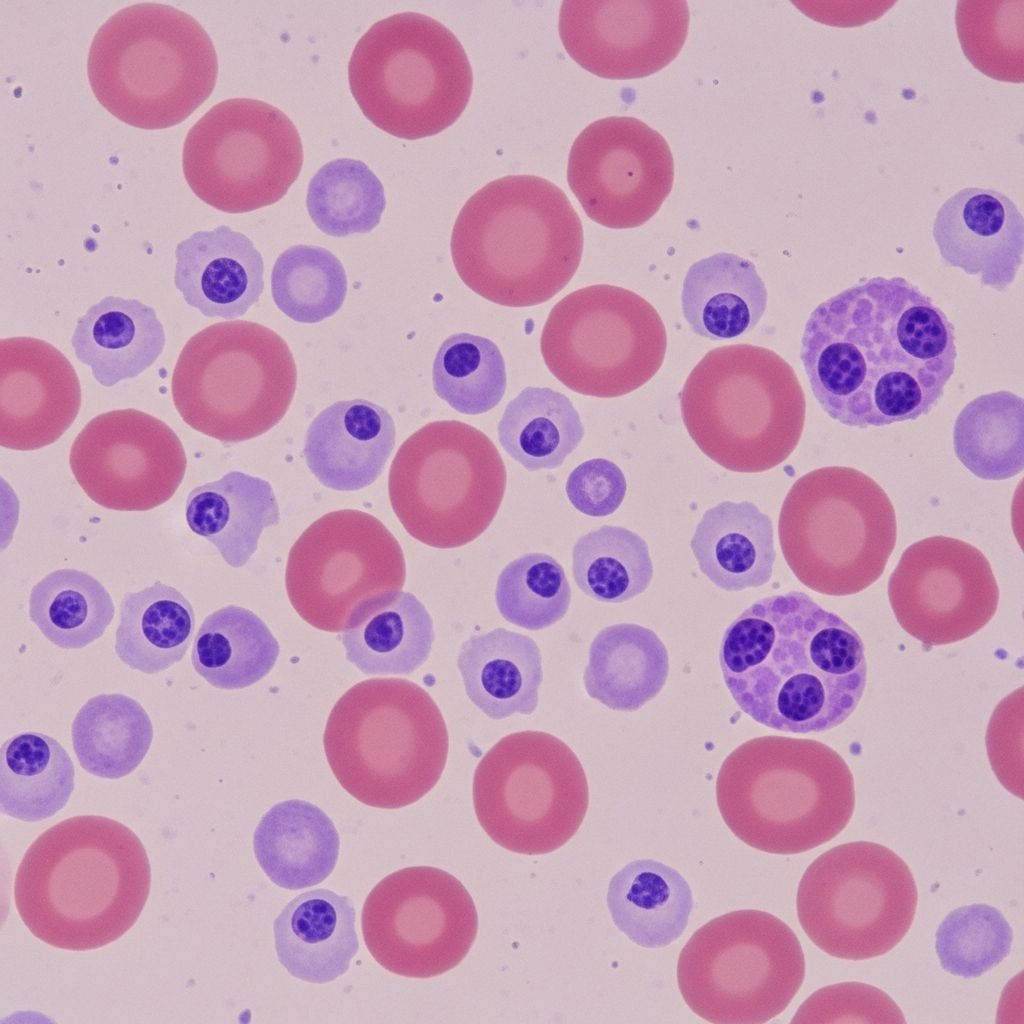
A platelet count (PLT) is a quick, common test that measures the number of platelets in your blood. Platelets, or thrombocytes, are tiny cell fragments that play a crucial role in blood clotting. When there’s damage to a blood vessel, such as a cut on your finger, platelets mix with clotting factors (proteins in your blood) to form a protective barrier that stops the bleeding.
To understand the scale of platelet presence in your body, consider this: there are tens of thousands of platelets in a single drop of blood. This abundance underscores their importance in maintaining hemostasis—the body’s ability to stop bleeding when injury occurs.
A platelet count is usually part of a larger test called a complete blood count (CBC). This comprehensive test measures the number of platelets, white blood cells, and red blood cells in a blood sample. On your blood test results, you’ll see “PLT” as the abbreviation for platelets.
Why Is a Platelet Count Test Important?
Understanding your platelet count is essential for several reasons. Too few platelets can be a sign of cancer, infections, or other health problems that compromise your body’s ability to stop bleeding. Conversely, too many platelets may put you at risk for blood clots or stroke. Your actual risk depends on how low or high your counts are and what’s causing the abnormality.
The test helps healthcare providers identify potential bleeding disorders, monitor chronic conditions, and assess your overall blood health. It can also reveal underlying diseases or medication side effects that affect platelet production or function.
Normal Platelet Count Range
A platelet count between 150,000 and 400,000 platelets per microliter of blood is considered normal, regardless of age. This represents a wide range, with lots of room for healthy variety. For example, it’s normal for platelet counts to decrease with age, especially after age 60. However, decreased platelets that remain within the normal range don’t necessarily indicate a problem.
The normal reference range can vary slightly by laboratory, but most facilities use 150,000 to 450,000 platelets per microliter as the standard range. Your healthcare provider will compare your individual results to the reference range provided by your laboratory.
Understanding Your Platelet Count Results
What Do Results Mean?
Platelet count results compare your number of platelets per microliter of blood to a reference range for a normal platelet count. Platelet counts outside of the normal range are classified as either “low” (thrombocytopenia) or “high” (thrombocytosis).
When your results are flagged as abnormal, it’s important not to panic immediately. A range of conditions and even medications—many of them harmless—can cause abnormal platelet levels. Your healthcare provider can advise you based on your unique health situation.
High Platelet Count (Thrombocytosis)
If your platelet count is high, your platelets may stick together and cause unnecessary clotting in your blood vessels. Blood clots can lead to serious conditions like heart attack and stroke. Your risk depends on what’s causing the high platelets.
Related Stories



Often, a high platelet count is temporary. For example, your body may make too many platelets in response to certain situations that stress your body, like surgery or an infection. If your provider suspects your high levels are short-term, they may test you again to see if your levels decline naturally.
Some people are born with rare blood disorders that cause their bodies to make too many platelets. If this is the case, your provider will work with you to keep your platelet levels in a safe range.
Low Platelet Count (Thrombocytopenia)
Having platelets below 50,000 per microliter of blood increases your risk of bleeding even when you’re doing everyday activities. Your provider will monitor you closely if your platelets reach this level. If your platelet counts are below normal, you’ll likely need more tests to determine the underlying cause, as numerous conditions can result in low platelet levels.
When to Seek Further Testing
If your platelet count is outside the normal range, your healthcare provider will likely order additional tests to determine the cause. It’s important to understand that abnormal platelet counts don’t necessarily mean you’re at immediate risk of blood loss or dangerous blood clots—much depends on the underlying cause and severity.
Your healthcare provider may choose to monitor your platelets more closely if they’re concerned that your counts are decreasing or increasing. Depending on the situation, they may recommend repeat testing, blood smears, or specialized coagulation studies.
How the Test Is Performed
A platelet count test is straightforward and requires only a simple blood draw. A healthcare professional will clean a small area on your arm, usually near the inner elbow, and insert a needle to collect a blood sample. This sample is then sent to the laboratory for analysis.
The test is quick and minimally invasive. Most people experience only minor discomfort during the blood draw. If you’re anxious about needles, let your healthcare provider know—they can provide support or accommodations to help you feel more comfortable.
When Will You Get Your Results?
Most people receive results as soon as that same day or within a few days of their blood draw. However, you may need to wait up to a week for the lab to complete its analysis and share the results. The timeline depends on how busy the laboratory is and whether additional specialized testing is needed.
Contact your healthcare provider if you have questions about when you should expect results and what they mean for your health.
Abnormal Platelet Levels: Causes and Conditions
Causes of Low Platelet Count
Low platelet counts, or thrombocytopenia, can result from various conditions including:
– Bone marrow disorders or failure- Autoimmune diseases like immune thrombocytopenia (ITP)- Infections, including viral and bacterial infections- Certain medications- Pregnancy-related conditions- Splenic enlargement- Leukemia and other cancers- Chemotherapy or radiation therapy
Causes of High Platelet Count
Elevated platelet counts, or thrombocytosis, can be caused by:
– Iron deficiency- Chronic inflammation- Infections- Physical or emotional stress- Recent surgery or trauma- Smoking- Certain medications- Myeloproliferative disorders (clonal disorders)- Spleen removal or splenic dysfunction
Platelet Transfusions and Clinical Management
In clinical settings where platelet counts are critically low, physicians use the corrected count increment (CCI) method to evaluate platelet transfusion effectiveness. The CCI accounts for the actual platelet count after transfusion, the number of platelets transfused, and the patient’s body surface area.
For patients with active bleeding, healthcare providers typically maintain platelet counts between 40,000 and 50,000 per microliter until the bleeding is controlled for 48 to 72 hours, then reduce the target to more than 20,000 per microliter for 2 to 5 days. Patients undergoing surgical procedures generally require preoperative platelet levels at a minimum of 50,000 per microliter, with postoperative counts around 50,000 maintained for 3 days after major procedures.
Frequently Asked Questions About Platelet Counts
Q: What exactly are platelets and what do they do?
A: Platelets are small cell fragments circulating in your blood that help form blood clots. When you’re injured, platelets adhere to the damaged blood vessel wall and, together with clotting proteins in your blood, create a plug that stops bleeding. There’s approximately one platelet for every 20 red blood cells in your body.
Q: Is a platelet count test painful?
A: A platelet count test involves a simple blood draw, which causes minimal discomfort—usually just a brief pinch. If you’re anxious about needles, inform your healthcare provider, and they can help make the experience more comfortable.
Q: Can medications affect my platelet count?
A: Yes, certain medications can affect platelet counts. Some medications may lower platelet production, while others can affect platelet function. It’s important to discuss all medications and supplements you take with your healthcare provider when having your platelet count checked.
Q: Does my platelet count change throughout the day?
A: Platelet counts can fluctuate slightly based on various factors including stress, physical activity, time of day, and even the position you’re in when blood is drawn. This is one reason why healthcare providers may recommend repeat testing if results seem unusual.
Q: What should I do if my platelet count is abnormal?
A: First, don’t panic. Your healthcare provider will interpret your results in context with your symptoms and medical history. They may order additional tests to identify the underlying cause and determine whether treatment is necessary. Follow-up testing is often recommended for abnormal results.
Q: Can diet affect my platelet count?
A: While certain nutrients support overall blood health, diet alone typically doesn’t significantly alter platelet counts unless there’s an underlying nutritional deficiency. However, maintaining a balanced diet and healthy lifestyle supports overall cardiovascular and blood health.
Q: How often should my platelet count be checked?
A: For most people, platelet count testing is done as part of routine health checkups or when symptoms suggest a blood disorder. If you have a condition affecting platelet counts or are taking medications that impact platelets, your healthcare provider will recommend appropriate monitoring intervals.
Key Takeaways
A platelet count test is a simple but valuable diagnostic tool that provides insight into your blood’s clotting ability. Understanding your results and what they mean is essential for maintaining your health. Normal platelet counts range from 150,000 to 400,000 per microliter of blood, though this can vary slightly by laboratory. Abnormal results warrant further investigation to identify underlying causes, but many conditions causing abnormal platelet levels are manageable with proper medical care.
If you have questions about your platelet count or believe you may have symptoms related to abnormal platelet levels, consult with your healthcare provider. They can provide personalized guidance based on your unique health situation and help ensure you receive appropriate care if needed.
References
- Platelet Transfusion Therapy for Medical and Surgical Patients — Cleveland Clinic Journal of Medicine. 1996. https://www.ccjm.org/content/ccjom/63/4/245.full.pdf
- Platelet Count (PLT): Normal Range, Test Results & Meaning — Cleveland Clinic. Last updated 2024-10-21. https://my.clevelandclinic.org/health/diagnostics/21782-platelet-count
- Thrombocytopenia: Symptoms, Stages & Treatment — Cleveland Clinic. https://my.clevelandclinic.org/health/diseases/14430-thrombocytopenia
- What Are Platelets? Function & Anatomy — Cleveland Clinic. https://my.clevelandclinic.org/health/body/22879-platelets
- Complete Blood Count (CBC): What It Is & Normal Ranges — Cleveland Clinic. https://my.clevelandclinic.org/health/diagnostics/4053-complete-blood-count
- Platelet Disorders: Types, Symptoms & Treatment — Cleveland Clinic. https://my.clevelandclinic.org/health/diseases/platelet-disorders
- Immune Thrombocytopenia (ITP): Symptoms, Diagnosis & Treatment — Cleveland Clinic. https://my.clevelandclinic.org/health/diseases/5726-immune-thrombocytopenia
Similar Articles








Read full bio of Sneha Tete