Can Platelet-Rich Plasma Injections Heal Your Joints?
Exploring the science, benefits, and limitations of PRP therapy for joint healing.
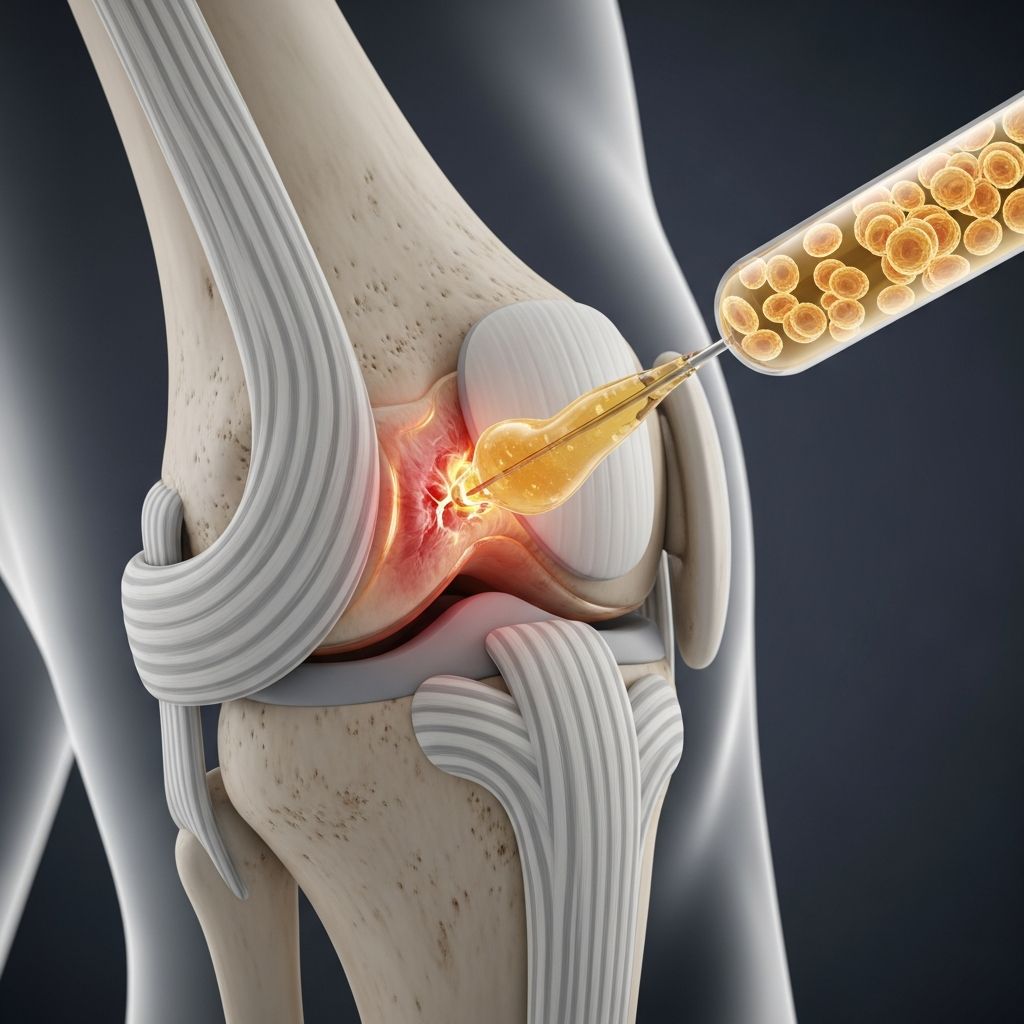
Joint pain and injuries affect millions of people worldwide, limiting mobility and quality of life. While traditional treatments such as medications, physical therapy, and surgery remain common approaches, an emerging therapeutic option has gained significant attention in recent years: platelet-rich plasma (PRP) injections. This innovative treatment harnesses the body’s natural healing capabilities to potentially repair damaged cartilage, tendons, and ligaments. But does it actually work? Understanding the science behind PRP therapy, its potential benefits, and its limitations can help patients and healthcare providers make informed decisions about whether this treatment is appropriate for their specific conditions.
Understanding Platelet-Rich Plasma: What Is It?
Platelet-rich plasma is derived from a patient’s own blood, making it an autologous treatment—meaning it comes directly from the patient’s body. The process begins when healthcare providers draw a blood sample from the patient. This blood is then processed in a centrifuge, which spins the blood at high speeds to separate its components. The goal is to concentrate the platelets, which are typically present in much smaller quantities in normal blood. A standard PRP injection contains five to ten times as many platelets as a normal blood sample would.
Plasma is the liquid component of blood that carries red and white blood cells throughout the bloodstream. It contains proteins, nutrients, glucose, antibodies, and various other components essential for bodily functions. What makes platelets particularly valuable for therapeutic purposes is their rich concentration of growth factors and other proteins that stimulate tissue regeneration and promote healing. When injected into an injured or diseased area, these concentrated platelets release these bioactive substances directly at the site of injury, potentially accelerating the body’s natural repair mechanisms.
How PRP Injections Work: The Mechanism of Healing
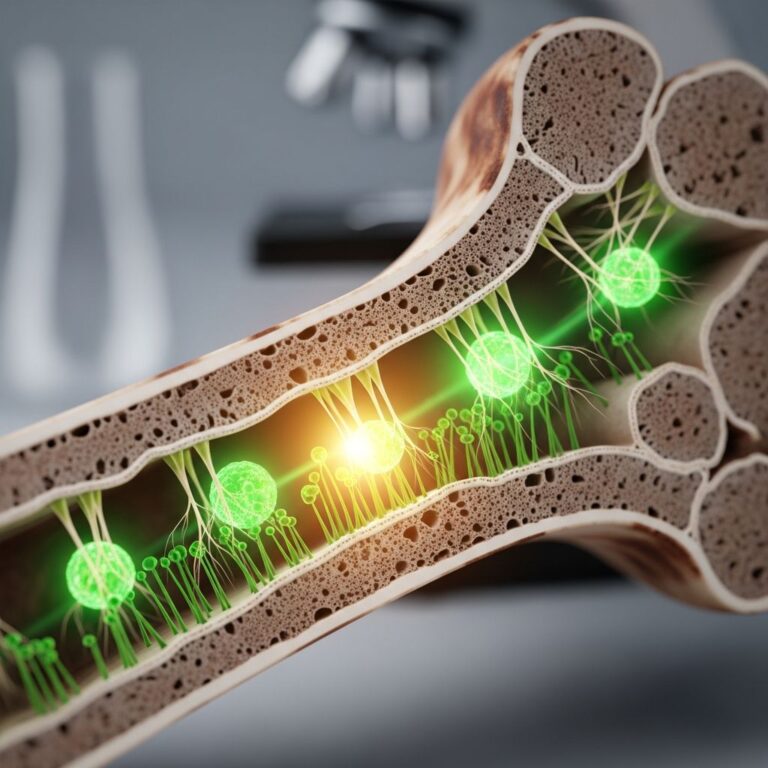
The therapeutic mechanism of PRP injections centers on the activation of concentrated platelets within the platelet-rich plasma. When the concentrated platelets are injected into damaged tissue, they release growth factors that stimulate and increase the number of reparative cells the body produces. This process significantly enhances the body’s natural healing capabilities, working with rather than against the body’s own biological systems.
For joint conditions specifically, PRP therapy has potential to inhibit inflammation and slow down the progression of arthritis, stimulate the formation of new cartilage, and increase production of natural lubricating fluid within the joint. The injection is typically guided using ultrasound imaging to ensure precise delivery of the platelet-rich plasma directly into the affected area, maximizing the therapeutic potential of the treatment.
One particularly important aspect of PRP treatment relates to inflammation management. While inflammation is often viewed negatively, the initial inflammatory response is actually an important part of the body’s healing process. Healthcare providers typically recommend that patients cease anti-inflammatory medications around the time of PRP treatment, because the platelet-rich plasma optimizes this initial inflammatory response involved with healing. This differs significantly from approaches using steroid injections, which suppress inflammation.
Conditions That PRP Injections Can Treat
PRP injections are used primarily for soft tissue injuries, and their applications have expanded considerably in recent years. The versatility of PRP therapy means it can be applied to various joints and conditions, demonstrating broad therapeutic potential.
Related Stories



Osteoarthritis and Joint Conditions
One of the most common applications of PRP therapy is for osteoarthritis, particularly knee osteoarthritis. Research has demonstrated that PRP is a safe and effective treatment option for this condition. Recent data suggests that PRP treatment is superior to hyaluronic acid injections (also known as viscosupplementation or “gel shots”) for knee osteoarthritis, especially regarding the duration of its positive effect. However, emerging data demonstrates that PRP combined with hyaluronic acid is more effective than either treatment alone.
Studies have shown that intraarticular PRP is similar in efficacy to hyaluronic acid and seems to be more effective than hyaluronic acid in younger, active patients with low-grade osteoarthritis. The ability of PRP to potentially slow, halt, or even repair damage to cartilage makes it particularly appealing for patients seeking alternatives to joint replacement surgery.
Soft Tissue Injuries
PRP injections have been demonstrated to improve function and reduce pain in people who have tendonitis or chronic tendinosis conditions such as tennis elbow or golfer’s elbow. Minor Achilles tendon tears and other soft-tissue injuries represent early applications where PRP has shown promise. Healthcare providers are also exploring the use of PRP for partial-thickness rotator cuff tears and tendinopathy, though results are mixed in these areas.
Beyond tendon injuries, PRP can be used to treat injuries to ligaments and muscles. For example, improved muscle regeneration has been shown in gastrocnemius (calf) muscle injuries, demonstrating that PRP’s therapeutic benefits extend across different tissue types. This versatility makes PRP an attractive option for athletes and individuals with various musculoskeletal injuries.
The Benefits of PRP Therapy for Joint Pain
Natural Healing Without Surgery
One of the primary advantages of PRP therapy is that it leverages the body’s natural healing properties. Unlike invasive procedures such as joint replacement surgery, PRP therapy is minimally invasive, involving injections directly into the affected area. This approach reduces the risks associated with surgery while still providing therapeutic benefits. Patients seeking relief from joint pain can often avoid the complications, infections, and extended recovery periods associated with surgical interventions.
Reduced Inflammation and Pain Relief
PRP injections can effectively reduce inflammation in the affected joint. The concentrated platelets release anti-inflammatory proteins that help alleviate pain and swelling associated with joint conditions like osteoarthritis or tendinitis. By promoting tissue repair and reducing inflammation simultaneously, PRP injections can provide significant relief from chronic joint pain, allowing individuals to experience improved mobility and functionality.
A key advantage of PRP injections is that they can reduce the need for opioids or even over-the-counter anti-inflammatory medications. For patients struggling with chronic pain management, this potential to decrease medication reliance represents a substantial quality-of-life improvement.
Minimal Side Effects and Safety Profile
Because PRP therapy utilizes the patient’s own blood, there is a reduced risk of adverse reactions or side effects. Since the plasma is derived from the patient’s own body, the likelihood of allergic reactions or rejection is minimal. This autologous nature of PRP represents a significant safety advantage over treatments derived from external sources.
PRP injections have very few risks overall. There is a remote chance of contamination if a healthcare facility fails to keep the blood sterile while preparing the platelet-rich plasma, but healthcare facilities have established protocols to prevent this. It is also possible that the injection may cause more discomfort than expected, though this is typically temporary and manageable.
Faster Recovery Time
PRP therapy generally has a shorter recovery period compared to surgical interventions. While individual recovery times vary based on the specific condition and injection site, many patients experience quicker recovery and can return to their daily activities sooner after PRP injections compared to those undergoing surgery. This abbreviated recovery period makes PRP an attractive option for individuals who cannot afford extended downtime from work or regular activities.
How Long Do PRP Injections Last?
The effects of a PRP injection may last for six months to a year or longer, depending on the specific condition being treated. During this time, symptoms should continue to improve for several months. Besides providing temporary pain relief, platelet-rich plasma should improve the overall condition as time goes on, with benefits potentially extending well beyond the initial injection period.
Limitations and Considerations
While PRP therapy shows promise, it is important to acknowledge its limitations and uncertainties. While some people experience significant benefits from PRP injections, others do not show the same level of improvement. Healthcare providers are not entirely sure why these results vary so considerably between individuals. Consequently, they cannot predict with certainty that PRP therapy will work for every patient, even those with similar conditions.
Research is still evolving in many areas of PRP application. While more data are needed to fully understand all potential applications, research so far seems to be promising. Patients considering PRP therapy should understand that this treatment may work best for certain conditions and patient populations rather than as a universal solution for all joint pain.
Is PRP Right for You?
Determining whether PRP therapy is appropriate for your specific situation requires careful consideration of several factors. PRP is generally best for acute or chronic musculoskeletal injuries and mild to moderate osteoarthritis. It may be particularly beneficial for younger, active patients with low-grade osteoarthritis who wish to delay or avoid more invasive surgical procedures.
If you have a condition that is difficult to treat and not going away with conventional therapies, you might find PRP therapy worthwhile to try. The combination of minimal side effects, no risk of rejection, faster recovery compared to surgery, and potential long-term improvements makes it an attractive option worth discussing with your healthcare provider. Many orthopedic specialists are now actively pursuing clinical trials involving PRP, which is expanding our understanding of when and how this therapy works best.
Frequently Asked Questions (FAQs)
Q: How is a PRP injection administered?
A: The procedure begins with a blood draw from the patient. The blood is then processed in a centrifuge to concentrate the platelets. The concentrated platelet-rich plasma is then injected directly into the affected joint or tissue, often using ultrasound guidance to ensure precise placement.
Q: Is the PRP injection procedure painful?
A: The injection itself is minimally invasive, though some patients may experience mild discomfort during or after the procedure. It is generally less painful than surgical procedures, and the discomfort typically subsides quickly.
Q: Can PRP be used for conditions other than joint pain?
A: Yes, PRP injections can also be used to treat skin conditions and hair loss, though joint and soft tissue injuries remain the primary applications in orthopedic medicine.
Q: How many PRP injections will I need?
A: The number of injections depends on your specific condition and response to treatment. Your healthcare provider can recommend the appropriate treatment plan based on your individual circumstances.
Q: Does insurance cover PRP therapy?
A: Insurance coverage for PRP therapy varies considerably. Some insurance plans cover it for specific conditions, while others consider it experimental. It is best to check with your insurance provider regarding coverage for your particular situation.
Q: Are there any restrictions after receiving a PRP injection?
A: Patients typically should avoid strenuous activities for a period following injection, though recovery time is generally shorter than with surgical procedures. Your healthcare provider will provide specific post-injection instructions tailored to your condition.
Conclusion: Exploring a Promising Treatment Option
Platelet-rich plasma injections represent an innovative approach to treating joint pain and soft tissue injuries by harnessing the body’s own healing capabilities. With a strong safety profile, minimal side effects, faster recovery compared to surgery, and growing scientific evidence supporting their use, PRP therapy offers a compelling option for patients seeking alternatives to traditional treatments. However, individual results vary, and PRP may not be effective for every patient or condition. The best approach involves consulting with a qualified orthopedic specialist who can evaluate your specific situation and determine whether PRP therapy is an appropriate part of your treatment plan. As research continues to expand our understanding of PRP applications and outcomes, this therapy is likely to play an increasingly important role in modern orthopedic medicine.
References
- 10 Benefits of PRP Injections for Joint Pain — Full Range Ortho. 2024. https://www.fullrangeortho.com/blog/10-benefits-of-prp-injections-for-joint-pain/
- Platelet Rich Plasma (PRP) Injection Therapy — Craig Loucks, MD. 2024. https://www.craigloucksmd.com/platelet-rich-plasma-therapy-hip-knee-specialist-englewood-co.html
- Platelet-Rich Plasma (PRP Injection): What It Is & Uses — Cleveland Clinic. 2024. https://my.clevelandclinic.org/health/treatments/platelet-rich-plasma-prp-injection
- Intraarticular platelet-rich plasma injection in the treatment of knee osteoarthritis — PubMed Central, National Institutes of Health. 2014-06-15. https://pubmed.ncbi.nlm.nih.gov/24879553/
- Platelet-Rich Plasma (PRP) Injection: How It Works — Hospital for Special Surgery (HSS). 2024. https://www.hss.edu/health-library/conditions-and-treatments/list/prp-injections
- How PRP injections help with joint pain — Ohio State Wexner Medical Center. 2023-10-16. https://wexnermedical.osu.edu/
Similar Articles








Read full bio of medha deb