PRP Treatment: 10 Common Uses And Benefits
Harness your body's natural healing power with PRP treatment for injuries, pain, and skin rejuvenation.
Platelet-rich plasma (PRP) treatment represents an innovative approach to healing that taps into your body’s own regenerative capabilities. This minimally invasive therapy has gained significant recognition in orthopedic medicine and sports injury treatment for its ability to accelerate healing and reduce pain naturally. Whether you’re dealing with chronic joint pain, sports-related injuries, or degenerative conditions, PRP treatment offers a promising alternative to more invasive surgical interventions.
What is Platelet-Rich Plasma Treatment?
Platelet-rich plasma is a concentrated solution derived from your own blood that contains a significantly higher concentration of platelets than normal blood. These platelets are rich in growth factors and bioactive proteins that play a crucial role in the body’s natural healing process. PRP therapy has been used since the 1990s in various surgical specialties, and orthopedic specialists now routinely utilize this regenerative medicine approach to address sports injuries, arthritis, tendon damage, and chronic joint pain.
The fundamental principle behind PRP treatment is elegant in its simplicity: by concentrating your body’s own healing factors and delivering them directly to the injured or damaged tissue, we can enhance and accelerate the natural repair process. This approach works with your body rather than against it, utilizing biological materials rather than synthetic interventions.
How Does PRP Treatment Work?
Understanding the mechanism of PRP treatment requires a basic knowledge of blood composition and the role platelets play in healing. Your blood consists of several components including red blood cells, white blood cells, plasma, and platelets. While platelets are perhaps best known for their role in blood clotting, they also contain powerful growth factors and proteins that initiate and promote tissue repair.
The Three-Step PRP Process
Step 1: Blood Collection
The PRP treatment process begins with a simple blood draw from your arm, similar to a routine laboratory test. Typically, only a small amount of blood—usually between 15 to 60 milliliters—is needed, depending on the specific treatment protocol your physician recommends.
Step 2: Platelet Concentration
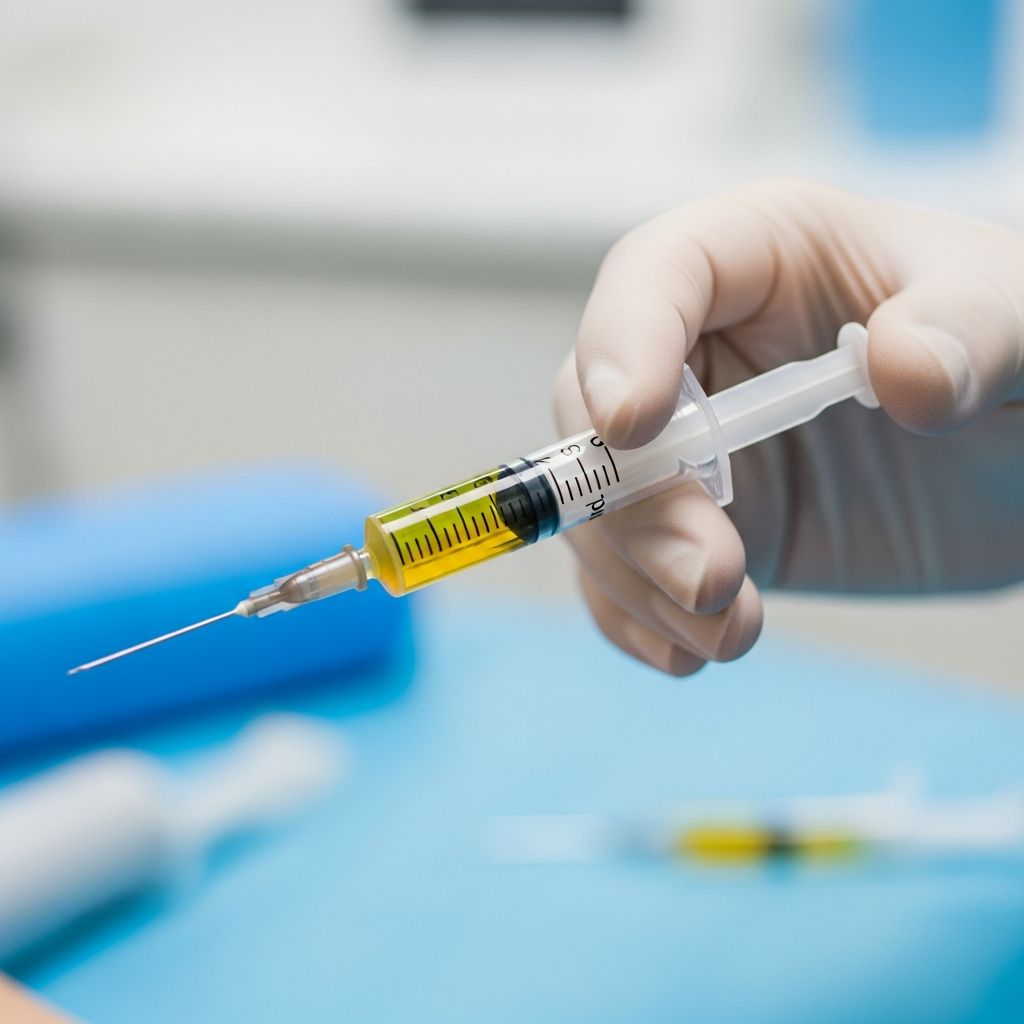
Once collected, your blood sample is placed in a specialized medical device called a centrifuge. This machine spins the blood at high speed, separating it into its individual components based on density. The centrifugation process divides your blood into three distinct layers: red blood cells at the bottom, white blood cells and platelets in the middle, and acellular plasma at the top. The middle layer, which contains the concentrated platelets, is carefully extracted to create the platelet-rich plasma solution. This golden-colored fluid is significantly enriched with growth factors compared to normal blood, typically containing four to six times the platelet concentration of whole blood.
Step 3: Targeted Injection
Your physician then carefully injects the concentrated PRP directly into the area requiring treatment. This might be a painful joint, damaged tendon, ligament, muscle, or even areas of the scalp experiencing hair loss or facial skin requiring rejuvenation. Many practitioners use ultrasound or fluoroscopic guidance to ensure precise needle placement at the exact site of injury or degeneration. Before injection, a local anesthetic is typically applied around the injection site to minimize discomfort during the procedure.
The Healing Mechanism of PRP
When PRP is injected into damaged tissue, the concentrated platelets release numerous growth factors and cytokines that trigger a cascade of healing responses. These bioactive molecules stimulate cell proliferation, promote angiogenesis (the formation of new blood vessels), and reduce inflammation at the injury site. The growth factors contained in platelets include platelet-derived growth factor (PDGF), transforming growth factor beta (TGF-β), vascular endothelial growth factor (VEGF), and insulin-like growth factor (IGF), among others. Together, these factors work synergistically to re-engage your body’s natural repair mechanisms, promoting tissue regeneration and restoration of function.
Related Stories



Conditions Treated with PRP
PRP treatment has demonstrated effectiveness across a range of musculoskeletal and cosmetic conditions. Common applications include:
- Osteoarthritis of the knee, shoulder, hip, and other joints
- Tendinopathy and chronic tendon injuries
- Ligament sprains and strains
- Muscle injuries and strains
- Rotator cuff tears
- Tennis elbow and golfer’s elbow
- Plantar fasciitis
- Androgenic alopecia (male and female pattern hair loss)
- Facial skin rejuvenation and anti-aging applications
- Chronic wound healing
The versatility of PRP treatment stems from the universal importance of growth factors in tissue repair across different anatomical regions and tissue types.
The PRP Treatment Procedure
What to Expect During Your Appointment
A typical PRP treatment appointment lasts between 45 to 90 minutes from start to finish. Your physician will begin by reviewing your medical history, conducting a physical examination, and examining any relevant imaging studies such as X-rays or MRI scans. This comprehensive evaluation helps determine whether PRP is an appropriate treatment option for your specific condition and ensures you don’t have any contraindications to the procedure.
During the consultation, your physician will discuss your diagnosis, explain previous treatments you’ve tried, and set realistic expectations about what PRP treatment can accomplish. It’s important to understand that while PRP has helped many patients achieve significant improvement, it is not a guaranteed cure, and individual results vary based on numerous factors including the severity of the condition, your age, overall health, and adherence to post-treatment recommendations.
Pre-Procedure Preparation
To optimize your results and minimize potential complications, several preparatory steps are recommended before your PRP treatment:
- Discontinue nonsteroidal anti-inflammatory drugs (NSAIDs) at least 7 days prior to treatment, as these medications can interfere with the inflammatory cascade necessary for healing
- Stop corticosteroid medications 2 to 3 weeks before the procedure
- Avoid blood thinners for 5 days prior to treatment if medically safe to do so
- Maintain good hydration throughout the day before your appointment
- Wear comfortable, loose-fitting clothing that allows easy access to the treatment area
- Arrange for transportation if you anticipate feeling any discomfort during or after the procedure
During the Procedure
The actual PRP injection procedure follows a straightforward sequence. After confirming that you’ve completed all necessary preparations, your physician will cleanse the injection site with an antiseptic solution. A local anesthetic is applied to numb the area and minimize pain during the needle insertion. Your physician then uses either landmark-based anatomy or real-time ultrasound guidance to precisely direct the PRP injection to the exact location of tissue damage or degeneration.
Once the PRP has been injected, your physician may gently manipulate the treated area to help distribute the growth factors throughout the injured tissue. The entire injection process typically takes only a few minutes.
Recovery and Post-Treatment Timeline
Immediate Post-Procedure Period
One significant advantage of PRP treatment is the minimal downtime compared to surgical interventions. You can typically resume normal daily activities immediately after the procedure, though you should avoid strenuous activity for the first 24 to 48 hours. Some patients experience mild soreness, swelling, or temporary discomfort at the injection site for 2 to 5 days following treatment—this is a normal part of the healing response and typically resolves without intervention.
Expected Timeline for Results
While some patients report improvements within a few days, most experience noticeable benefits within 2 to 6 weeks following injection. This timeline reflects the time required for the growth factors to stimulate tissue repair and for new tissue formation to occur. Full benefits may take several months to manifest as the remodeling process continues.
Multiple Treatment Cycles
Depending on the severity of your condition and your individual response, your physician may recommend multiple PRP injections spaced several weeks apart for optimal results. Research suggests that many conditions benefit from a series of two to three treatments administered at intervals of 4 to 6 weeks, with reassessment between treatments to monitor progress.
Optimizing PRP Treatment Results
While PRP treatment can be highly effective on its own, research demonstrates that combining it with complementary therapies significantly enhances outcomes:
- Physical Therapy: Structured rehabilitation exercises help restore strength, flexibility, and functional movement patterns while PRP promotes tissue healing
- Weight Management: Reducing excess weight decreases mechanical stress on joints and improves healing capacity
- Joint Stabilization Exercises: Targeted exercises strengthen the muscles and connective tissues supporting the injured joint
- Healthy Lifestyle Modifications: Adequate sleep, proper nutrition, stress management, and avoiding smoking all support your body’s healing processes
Many patients experience meaningful reductions in pain and stiffness, particularly when PRP is used as part of a comprehensive treatment strategy rather than as an isolated intervention.
Who Is a Good Candidate for PRP Treatment?
Ideal Candidates
PRP treatment may be appropriate for you if you’re experiencing persistent joint or tendon pain that has not responded adequately to conservative treatments such as physical therapy, rest, or anti-inflammatory medications. Many patients seek PRP as a non-surgical alternative before considering more invasive surgical procedures. If you’re looking to avoid the risks, recovery time, and expense associated with surgery while still pursuing active intervention for your condition, PRP treatment warrants discussion with your healthcare provider.
Contraindications and Special Considerations
While PRP is generally safe and well-tolerated, certain conditions make you ineligible for this treatment:
- Active infection or systemic infection at the proposed injection site
- Current diagnosis of active cancer or recent cancer treatment
- Severely low platelet count (thrombocytopenia) or other bleeding disorders
- Anticoagulation therapy that cannot be safely discontinued
- Severe liver disease affecting blood clotting factors
- Sepsis or systemic infection
Additionally, if you have significant bone loss or complete cartilage degeneration, PRP alone may not provide sufficient benefit, and your physician might recommend alternative or adjunctive treatments.
Safety Profile and Side Effects
PRP treatment has an excellent safety profile compared to many medical interventions. Because the treatment uses your own blood components, the risk of allergic reactions or immune rejection is essentially eliminated. The most commonly reported side effects are minimal and transient, including:
- Temporary pain at the injection site during or immediately after the procedure
- Mild swelling (edema) in the treated area
- Slight redness (erythema) around the injection site
- Temporary discomfort or stiffness for a few days following injection
- Rarely, headache (particularly with scalp injections)
These side effects are typically mild, self-limiting, and resolve within days without requiring medical intervention. Serious complications are exceedingly rare when the procedure is performed by qualified medical professionals using sterile technique and appropriate guidance methods.
PRP vs. Other Treatment Options
When considering PRP treatment, it’s helpful to understand how it compares to other available therapies. The following table outlines key differences between PRP and common alternative treatments:
| Treatment Option | Mechanism | Recovery Time | Risk Profile | Long-Term Effects |
|---|---|---|---|---|
| PRP Injection | Growth factor stimulation of tissue repair | Minimal; immediate return to activity | Very low; uses own blood | Promotes tissue regeneration |
| Corticosteroid Injection | Anti-inflammatory suppression | None | Risk of tissue damage with repeated use | Temporary relief; may worsen long-term |
| NSAIDs | Systemic anti-inflammatory | None | GI, renal, cardiovascular effects with chronic use | Symptom management only |
| Physical Therapy Alone | Rehabilitative strengthening | Progressive over weeks | Very low | Effective for mild conditions |
| Surgical Repair | Anatomical reconstruction | Extended; weeks to months | Moderate to significant; anesthesia, infection, scarring | Addresses structural damage |
Unlike corticosteroid injections, which provide temporary symptom relief but may accelerate tissue degeneration with repeated use, PRP treatment stimulates biological healing and tissue regeneration. This fundamental difference makes PRP particularly attractive for patients seeking long-term improvement rather than temporary pain suppression.
Clinical Evidence and Research
The scientific evidence supporting PRP treatment continues to accumulate. Studies demonstrate positive outcomes for a variety of musculoskeletal conditions, with success rates varying based on the specific condition treated and the patient population studied. Research on PRP for hair loss treatment shows that 88% of studies reported positive outcomes by objective criteria, with high patient satisfaction and minimal complications beyond transient swelling and mild discomfort. For osteoarthritis and tendinopathy, results are similarly encouraging, though outcomes vary individually based on factors such as disease severity and treatment timing.
It’s important to note that while substantial evidence supports PRP efficacy for many indications, ongoing research continues to refine patient selection criteria, treatment protocols, and preparation methods to optimize results.
Frequently Asked Questions
How long does a PRP treatment appointment take?
A typical PRP appointment lasts 45 to 90 minutes total. The injection itself usually takes only a few minutes, but the consultation, preparation, and post-injection assessment account for the remaining time.
When will I see results from PRP treatment?
Most patients notice improvement within 2 to 6 weeks, though some report benefits as early as a few days after injection. Full effects may continue developing over several months as tissue remodeling progresses.
How many PRP treatments will I need?
This varies based on your specific condition and individual response. Many patients benefit from 2 to 3 injections spaced 4 to 6 weeks apart, though some achieve desired results with a single treatment.
Can I return to my normal activities after PRP treatment?
Yes, you can typically resume normal daily activities immediately after treatment. However, avoid strenuous activity for the first 24 to 48 hours to allow the injection site to stabilize.
Does PRP treatment hurt?
Local anesthetic is applied before injection to minimize discomfort. Most patients report minimal pain during the procedure, though some mild soreness at the injection site may occur for a few days afterward.
Is PRP treatment permanent?
PRP stimulates your body’s natural healing response, which can provide long-lasting benefits. However, progressive degeneration of tissue may continue over time depending on your condition and lifestyle factors.
Can PRP treatment be combined with other therapies?
Yes, PRP works synergistically with physical therapy, exercise, and other rehabilitative approaches. In fact, combining PRP with comprehensive treatment strategies typically yields better results than PRP alone.
Are there any age restrictions for PRP treatment?
PRP can be used across a wide age range. However, your physician will assess whether you’re an appropriate candidate based on your overall health, the nature of your condition, and your treatment goals rather than age alone.
References
- Platelet-Rich Plasma (PRP) Therapy — Johns Hopkins Medicine. 2024. https://www.hopkinswellness.com/pages/platelet-rich-plasma-therapy
- PRP Injections: A Non-Surgical Alternative for Tendinopathy — Riverside Online. 2024. https://www.riversideonline.com/en/patients-and-visitors/healthy-you-blog/blog/p/prp-injections
- Platelet Rich Plasma (PRP) Therapy Charlottesville Orthopaedic Center — Charlottesville Orthopaedic Center. 2024. https://cvilleortho.com/platelet-rich-plasma-therapy-regenerative-medicine-working-for-you/
- Platelet-Rich Plasma (PRP) Injections | Q&A — Johns Hopkins Medicine Musculoskeletal Center. January 20, 2021. https://www.youtube.com/watch?v=NxW4dPcNRBM
- Platelet-Rich Plasma for the Treatment of Androgenic Alopecia: A Systematic Review — Johns Hopkins University, Pure Research Portal. 2024. https://pure.johnshopkins.edu/en/publications/platelet-rich-plasma-for-the-treatment-of-androgenic-alopecia-a-s
- Platelet-Rich Plasma Injection not an Effective Treatment for Achilles Tendinopathy — Hopkins Arthritis. 2024. https://www.hopkinsarthritis.org/arthritis-news/arthritis-news-platelet-rich-plasma-injection-not-an-effective-treatment-for-achilles-tendinopathy/
Similar Articles








Read full bio of medha deb