Platelets: Function, Anatomy & Health Impact
Discover the vital role platelets play in blood clotting, wound healing, and overall health.
What Are Platelets?
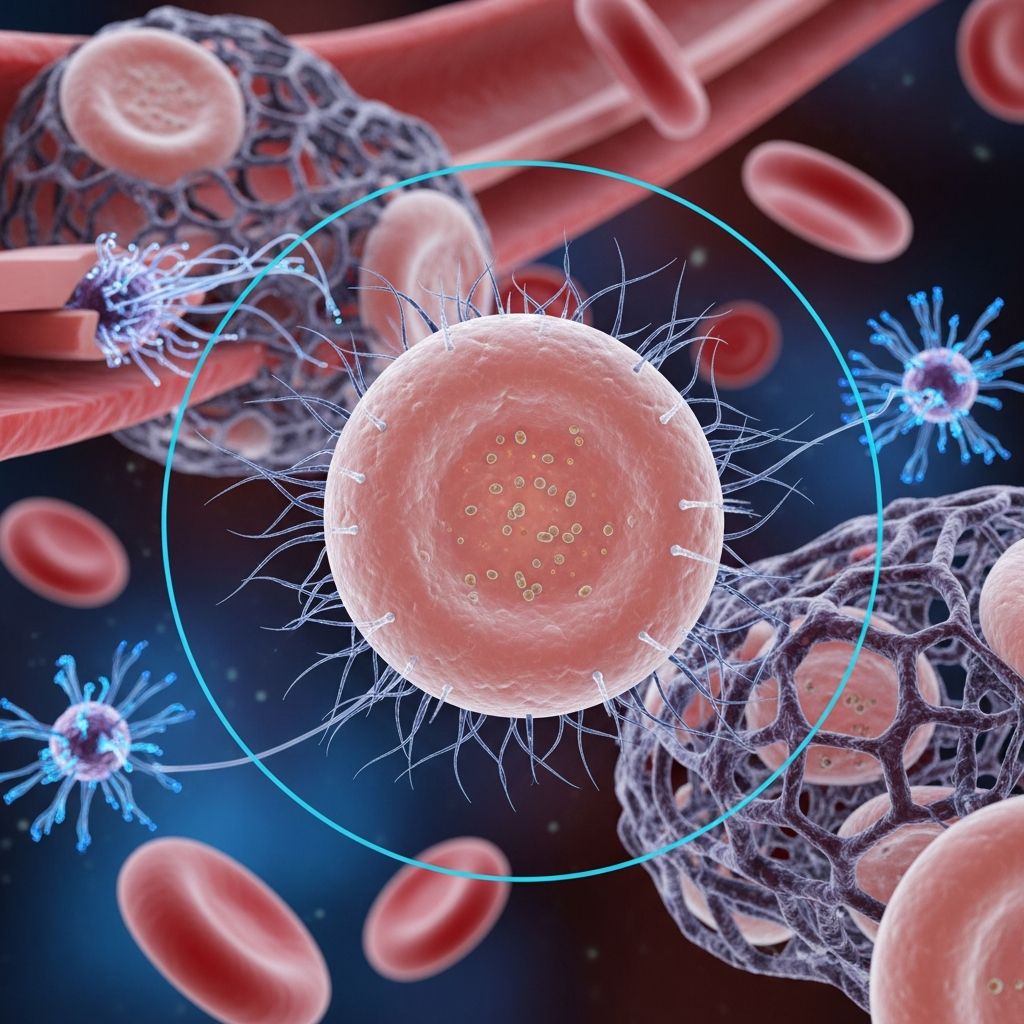
Platelets, also known as thrombocytes, are the smallest components of blood. They are not complete cells but rather cell fragments produced by megakaryocytes in the bone marrow. Platelets play a crucial role in hemostasis, the process that stops bleeding when blood vessels are damaged. Without platelets, even minor injuries could lead to excessive bleeding and serious health complications.
Anatomy of Platelets
Platelets are tiny, disc-shaped fragments that circulate in the bloodstream. They measure about 2–3 micrometers in diameter, making them much smaller than red and white blood cells. Despite their size, platelets are packed with granules containing proteins and chemicals essential for clotting and wound healing.
- Platelets are produced in the bone marrow by megakaryocytes.
- They have a lifespan of about 7–10 days before being removed by the spleen.
- Platelets lack a nucleus, which allows them to be highly flexible and responsive to injury.
Function of Platelets
The primary function of platelets is to stop bleeding by forming clots at the site of injury. When a blood vessel is damaged, platelets adhere to the exposed collagen in the vessel wall and become activated. Activated platelets release chemicals that attract more platelets to the site, forming a plug that temporarily seals the break.
Hemostasis: The Clotting Process
Hemostasis is the process by which the body stops bleeding. It involves several steps:
- Vasoconstriction: The blood vessel narrows to reduce blood flow to the injured area.
- Platelet Plug Formation: Platelets adhere to the damaged vessel and aggregate to form a temporary plug.
- Coagulation Cascade: Proteins called clotting factors work together to create fibrin, a mesh that reinforces the platelet plug.
- Clot Retraction and Repair: The clot contracts and the vessel is repaired.
Platelet Count and Normal Range
A platelet count (PLT) is a blood test that measures the number of platelets in a microliter of blood. The normal range for platelets is 150,000 to 400,000 per microliter. Abnormal platelet counts can indicate various health conditions.
| Platelet Count (per microliter) | Interpretation |
|---|---|
| Below 150,000 | Thrombocytopenia (low platelets) |
| 150,000–400,000 | Normal |
| Above 400,000 | Thrombocytosis (high platelets) |
Platelet Disorders
Platelet disorders are conditions that affect the number or function of platelets. These disorders can lead to excessive bleeding or abnormal clotting.
Thrombocytopenia
Thrombocytopenia is a condition characterized by a low platelet count. It can be caused by various factors, including autoimmune diseases, infections, medications, and bone marrow disorders. Symptoms may include easy bruising, prolonged bleeding, and petechiae (small red or purple spots on the skin).
Thrombocytosis
Thrombocytosis is a condition characterized by a high platelet count. It can be primary (essential thrombocythemia) or secondary (reactive thrombocytosis). Primary thrombocytosis is a rare genetic disorder that increases the risk of blood clots, heart attack, and stroke. Secondary thrombocytosis is often caused by inflammation, infection, or cancer.
Related Stories



Platelet Dysfunction
Platelet dysfunction occurs when platelets do not work properly, even if their count is normal. This can be due to inherited disorders, medications, or underlying health conditions. Symptoms may include prolonged bleeding and easy bruising.
Essential Thrombocythemia
Essential thrombocythemia is a rare genetic disorder that affects platelets. People with this condition produce too many platelets, which increases their risk of blood clots, heart attack, and stroke. Treatment typically involves medications to reduce platelet levels and prevent complications.
Impact of Platelets on Health
Platelets play a vital role in maintaining health by preventing excessive bleeding and promoting wound healing. However, abnormal platelet function or count can lead to serious health problems.
Heart Attack and Stroke
Abnormal platelet function can increase the risk of heart attack and stroke. For example, elevated levels of TMAO (trimethylamine N-oxide), a compound produced by gut microbes, can make platelets more reactive and increase the risk of blood clots. Lowering TMAO levels may help reduce the risk of cardiovascular events.
Blood Clots
Blood clots are made of platelets and fibrin. While clots are essential for stopping bleeding, abnormal clot formation can lead to serious complications such as deep vein thrombosis (DVT) and pulmonary embolism (PE).
Diagnosis and Treatment
Diagnosis of platelet disorders typically involves a combination of blood tests, physical examination, and medical history. Treatment depends on the underlying cause and may include medications, lifestyle changes, and, in some cases, plateletpheresis (a procedure to remove excess platelets from the blood).
Medications
Medications used to treat platelet disorders include antiplatelet drugs (e.g., aspirin), anticoagulants (e.g., warfarin), and drugs to reduce platelet production (e.g., hydroxyurea).
Lifestyle Changes
Lifestyle changes that can help manage platelet disorders include maintaining a healthy diet, avoiding smoking, and managing stress.
Frequently Asked Questions (FAQs)
Q: What is the normal platelet count?
A: The normal platelet count is 150,000 to 400,000 per microliter of blood.
Q: What causes low platelets?
A: Low platelets can be caused by autoimmune diseases, infections, medications, and bone marrow disorders.
Q: What causes high platelets?
A: High platelets can be caused by inflammation, infection, cancer, or a rare genetic disorder called essential thrombocythemia.
Q: How are platelet disorders treated?
A: Treatment depends on the underlying cause and may include medications, lifestyle changes, and, in some cases, plateletpheresis.
Q: Can platelet disorders be prevented?
A: While some platelet disorders cannot be prevented, maintaining a healthy lifestyle and managing underlying health conditions can help reduce the risk.
References
- What Are Platelets? Function & Anatomy — Cleveland Clinic. 2023. https://my.clevelandclinic.org/health/body/22879-platelets
- Essential Thrombocythemia: Definition, Symptoms & Treatment — Cleveland Clinic. 2023. https://my.clevelandclinic.org/health/diseases/24031-essential-thrombocythemia
- Platelet Count (PLT): Normal Range, Test Results & Meaning — Cleveland Clinic. 2023. https://my.clevelandclinic.org/health/diagnostics/21782-platelet-count
Similar Articles








Read full bio of medha deb