Pleural Effusion: Symptoms, Causes & Treatment
Understand pleural effusion: Learn about symptoms, causes, diagnosis, and effective treatment options.
Understanding Pleural Effusion
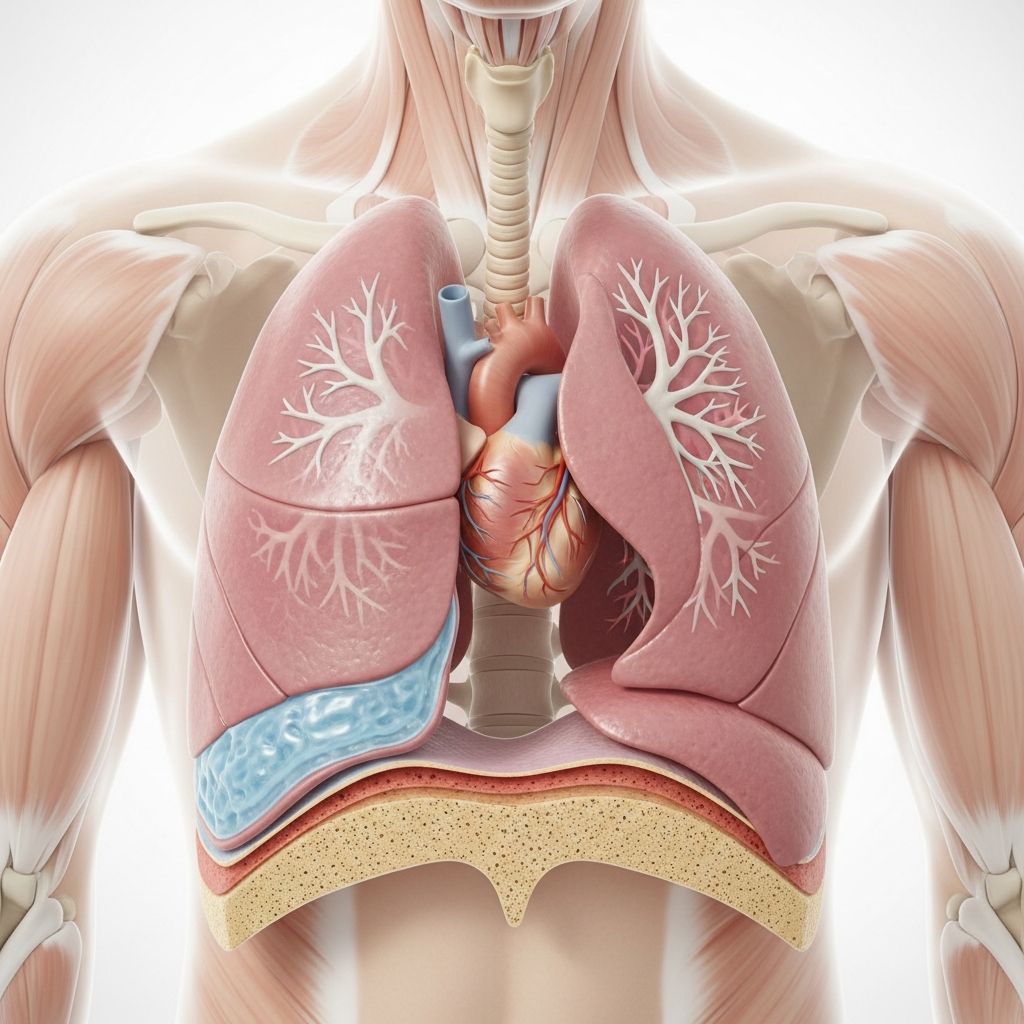
Pleural effusion is a medical condition characterized by an abnormal accumulation of fluid in the pleural space, which is the area between the layers of membrane surrounding your lungs. Under normal circumstances, a small amount of fluid lubricates the pleural surfaces, allowing them to move smoothly during breathing. However, when excess fluid collects in this space, it can interfere with lung function and cause significant respiratory distress. This condition requires proper medical evaluation and management to prevent complications and restore normal breathing function.
Causes of Pleural Effusion
Pleural effusion can develop from various underlying conditions affecting different body systems. Understanding the cause is essential for determining the appropriate treatment approach and predicting the likely course of the condition.
Common Medical Conditions Leading to Pleural Effusion
Congestive heart failure is one of the most frequent causes of pleural effusion, accounting for a significant percentage of cases. Pneumonia and other respiratory infections commonly result in fluid accumulation around the lungs as part of the inflammatory response. Malignancy or cancer affecting the lungs or pleura can lead to malignant pleural effusions, which present unique treatment challenges. Kidney disease and liver cirrhosis are systemic conditions that can contribute to pleural fluid accumulation through mechanisms involving fluid balance and protein metabolism. Pulmonary embolism, blood clots that lodge in lung arteries, may also trigger pleural effusion as a secondary effect. Additionally, conditions such as rheumatoid arthritis and lupus can cause pleural effusions as part of their systemic manifestations.
Recognizing Symptoms of Pleural Effusion
The symptoms of pleural effusion vary depending on the volume of fluid present and how quickly it accumulated. Some individuals with small effusions may experience no symptoms at all and discover the condition only through imaging tests performed for other reasons. However, larger effusions or rapidly developing fluid accumulation can produce noticeable symptoms that warrant medical attention.
Primary Symptoms
Shortness of breath or dyspnea is the hallmark symptom of pleural effusion, particularly during physical activity or when lying down. Chest pain or pleuritic chest pain, which worsens with deep breathing or coughing, frequently accompanies pleural effusion. Persistent dry cough may develop as the body attempts to compensate for reduced lung capacity. Some patients report a sensation of heaviness or pressure in the chest. In cases of infection, fever may accompany other symptoms. Fatigue and general malaise can result from the underlying condition causing the effusion as well as from impaired oxygenation due to reduced lung function.
Diagnostic Approaches for Pleural Effusion
Accurate diagnosis requires a systematic approach combining clinical history, physical examination, and specialized imaging and laboratory tests. Healthcare providers use these diagnostic methods to confirm the presence of pleural effusion, determine its nature, and identify the underlying cause.
Initial Evaluation Process
Your healthcare provider will begin by obtaining a detailed medical history, asking about existing illnesses, previous medical conditions, and the timeline of symptom onset. Physical examination includes careful auscultation of the lungs while you breathe, listening for decreased breath sounds over areas where fluid has accumulated. The provider may perform percussion testing to elicit dullness over the effusion. Vital signs including blood pressure, heart rate, respiratory rate, temperature, and oxygen saturation are recorded to assess your overall clinical status.
Imaging and Laboratory Testing
Chest X-ray is typically the first imaging test ordered, providing a two-dimensional view that can reveal fluid accumulation, particularly when effusions are large enough (usually more than 200-300 milliliters). Computed tomography (CT) scanning provides more detailed three-dimensional images and can detect smaller effusions while helping identify the underlying cause. Ultrasound imaging offers real-time visualization of the pleural space and is excellent for guiding diagnostic procedures.
Diagnostic thoracentesis involves inserting a needle under imaging guidance to obtain a sample of pleural fluid for laboratory analysis. The fluid is analyzed for cell count and differential, protein levels, lactate dehydrogenase, cholesterol, and glucose concentration. These tests help determine whether the fluid is a transudate (typically indicating a systemic condition) or an exudate (often suggesting local pleural disease or infection).
Related Stories



Advanced Diagnostic Techniques
If less invasive tests do not conclusively diagnose the cause of pleural effusion, thoracoscopy may be performed. Also known as video-assisted thoracic surgery (VATS), this minimally invasive technique allows direct visualization of the pleura under general anesthesia. Providers can obtain biopsies and often treat the effusion during the same procedure, making it both diagnostic and therapeutic.
Treatment Options for Pleural Effusion
Treatment strategies for pleural effusion focus on two primary goals: removing excess fluid to alleviate respiratory symptoms and addressing the underlying cause to prevent recurrence. The specific treatment approach depends on the cause of the effusion, its volume, the patient’s clinical status, and whether the fluid is causing respiratory compromise.
Medical Management
For effusions resulting from congestive heart failure or other medical causes, diuretics and heart failure medications form the cornerstone of treatment. These medications promote fluid elimination through the urinary system and help rebalance fluid distribution in the body. When infection is present, antibiotics are administered either intravenously for acute or severe cases or orally for milder infections. For malignant effusions, treatment may include chemotherapy, radiation therapy, or targeted medication infusions directly into the chest cavity to address the underlying malignancy while controlling fluid accumulation.
Drainage Procedures
Therapeutic thoracentesis is a needle-based procedure used to drain pleural effusions that cause significant respiratory symptoms. Under ultrasound or CT guidance, a provider inserts a needle into the pleural space and withdraws fluid, providing immediate symptom relief. This procedure typically requires minimal recovery time.
Chest tube insertion, also called tube thoracostomy, is employed when larger volumes of fluid need continuous drainage or when fluid recurs rapidly. The tube remains in place to allow ongoing fluid drainage, and providers ensure patency through regular flushing. In cases of multiloculated effusions (fluid separated into multiple pockets), multiple chest tubes may be necessary for complete drainage.
For persistent or recurrent malignant effusions despite drainage attempts, pleural sclerosis may be performed. This procedure involves instilling a sclerosing agent—a chemical that creates controlled scarring—into the pleural cavity through a chest tube. The resulting fibrosis of the pleura prevents fluid reaccumulation in approximately 50% of cases.
Surgical Interventions
When drainage and medical management prove inadequate, surgical options become necessary. Video-assisted thoracoscopy allows surgeons to visualize and treat pleural pathology with minimal invasiveness through small incisions. Open thoracotomy, involving a larger surgical incision for direct access to the pleura, remains the gold standard for complex cases. Decortication, the surgical removal of thickened pleural membrane, allows the lung to re-expand when fibrosis or thick adhesions prevent proper lung function. Timing of surgical intervention is important, as data suggests procedures performed later in the disease course carry higher complication rates.
Complications Associated with Pleural Effusion
Untreated or inadequately managed pleural effusion can progress to serious complications affecting respiratory function and overall health. Respiratory failure may develop when large effusions severely compromise lung capacity. Infection of the pleural fluid, known as empyema, represents a medical emergency requiring aggressive drainage and antibiotic therapy. The accumulated fluid and surrounding inflammation can lead to pleural fibrosis and permanent lung damage if prolonged. Sepsis can develop if infection spreads into the bloodstream.
Recovery and Aftercare
Recovery time varies depending on the treatment method employed. Following thoracentesis, most patients require only one to two days of rest before resuming normal activities. Patients undergoing VATS typically spend a few days in the hospital for recovery and monitoring. Open thoracotomy requires more extensive recovery, with most patients remaining hospitalized for approximately one week and requiring several weeks of activity restriction before returning to full function.
Regardless of treatment type, follow-up appointments with your healthcare provider are essential to monitor your condition, assess treatment effectiveness, and manage any underlying disease causing the effusion. Imaging studies may be repeated to confirm adequate fluid drainage and lung re-expansion.
Prevention and Management of Recurrent Effusion
While not all pleural effusions can be prevented, managing underlying conditions effectively reduces the risk of development or recurrence. Optimizing heart failure treatment prevents many cardiogenic effusions. Prompt treatment of pneumonia and respiratory infections minimizes post-infectious complications. Cancer patients receiving appropriate oncologic treatment may prevent malignant effusions. Maintaining good nutrition and managing chronic liver or kidney disease helps prevent effusions related to these conditions.
Frequently Asked Questions About Pleural Effusion
Q: What is the difference between a transudate and an exudate?
A: Transudates are ultrafiltrates of plasma that indicate systemic disease like heart failure or cirrhosis, while exudates result from local pleural inflammation or malignancy. This distinction helps determine the underlying cause and directs treatment.
Q: Can pleural effusion go away on its own?
A: Small effusions caused by self-limited conditions like mild pneumonia may resolve with treatment of the underlying cause. However, moderate to large effusions typically require intervention, and malignant or infected effusions rarely resolve without drainage.
Q: Is thoracentesis painful?
A: Thoracentesis is minimally painful when performed with proper anesthesia. Local anesthetic is administered before needle insertion, and most patients experience only pressure or mild discomfort during the procedure.
Q: How long does it take to recover from a thoracotomy for pleural effusion?
A: Full recovery from open thoracotomy typically takes four to six weeks, though most patients can resume light activities within two to three weeks and return to work within six to eight weeks.
Q: What complications can develop from pleural effusion?
A: Potential complications include respiratory failure, empyema (infected pleural fluid), pleural fibrosis, sepsis, and permanent lung damage from prolonged compression and inflammation.
Q: Will I need ongoing treatment after drainage?
A: Treatment depends on the underlying cause. You may require ongoing management of the primary condition (such as heart failure medications) and follow-up imaging to ensure the effusion doesn’t recur.
References
- Rapidly progressive pleural effusion — Cleveland Clinic Journal of Medicine. 2019-01-15. https://www.ccjm.org/content/86/1/21
- Pleural Effusion: Symptoms, Causes & Treatment — Cleveland Clinic. 2024. https://my.clevelandclinic.org/health/diseases/17373-pleural-effusion
- Thoracentesis: Purpose, Procedure, Risks & Recovery — Cleveland Clinic. 2024. https://my.clevelandclinic.org/health/treatments/24254-thoracentesis
- Decortication: Procedure and What It Treats — Cleveland Clinic. 2024. https://my.clevelandclinic.org/health/procedures/decortication
- Pleural effusions: Evaluation and management — Cleveland Clinic Journal of Medicine. 2005-10-01. https://www.ccjm.org/content/ccjom/72/10/854.full.pdf
- Pleural effusions: evaluation and management — PubMed/NCBI. 2005. https://pubmed.ncbi.nlm.nih.gov/16231684/
Similar Articles








Read full bio of medha deb