Pleurisy: Causes, Symptoms, Diagnosis, Treatment Guide
Discover the causes, symptoms, diagnosis, and effective treatments for pleurisy, the condition causing sharp chest pain during breathing.
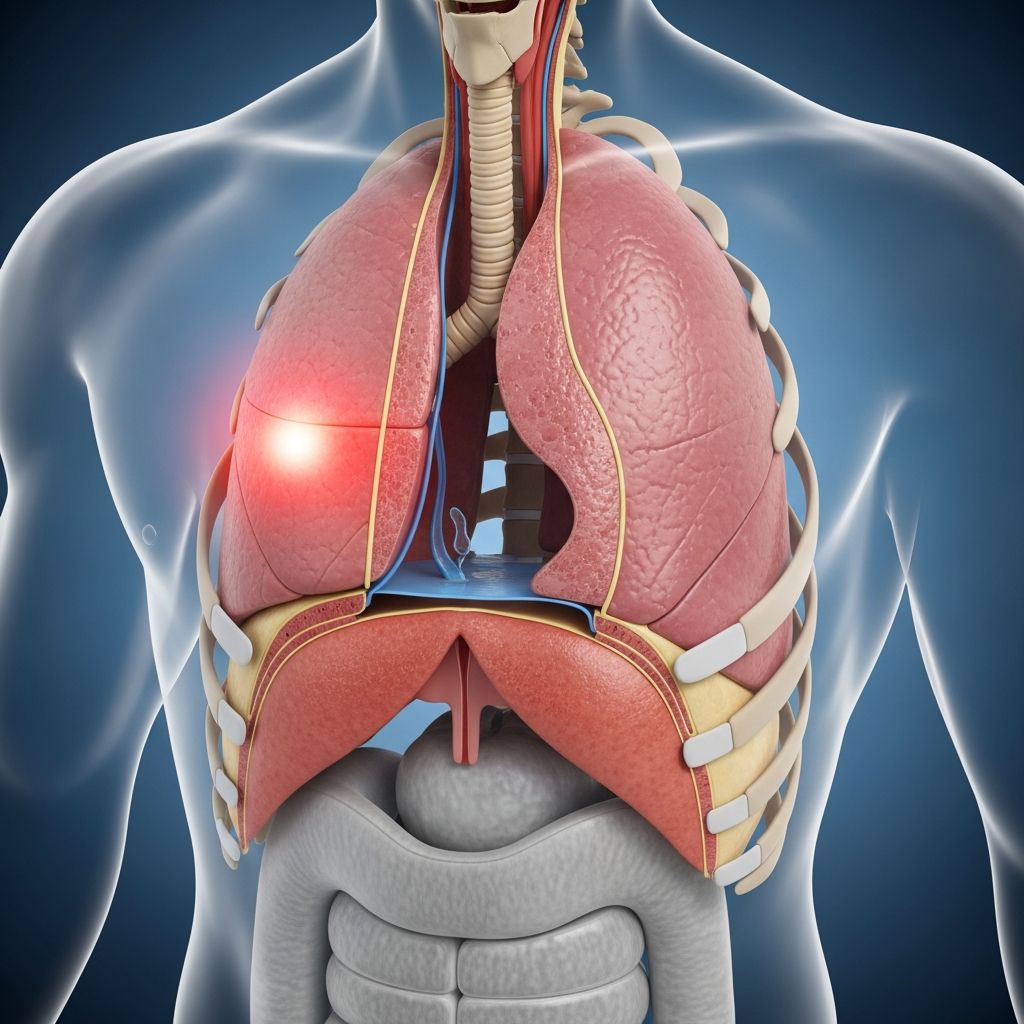
Pleurisy, also known as pleuritis, is an inflammatory condition affecting the thin membranes surrounding the lungs, known as the pleura. This inflammation leads to sharp, stabbing chest pain that intensifies with each breath, cough, or sneeze, making even simple movements uncomfortable.
Understanding the Anatomy of Pleurisy
The pleura consists of two delicate layers: the visceral pleura, which adheres closely to the lung surface, and the parietal pleura, which lines the inner chest wall. A small amount of lubricating fluid normally exists between these layers, allowing smooth lung expansion during breathing. When inflammation strikes, these layers swell and rub against each other, producing the characteristic pain akin to sandpaper scraping.
This friction not only causes discomfort but can also lead to secondary issues. For instance, fluid accumulation between the layers, termed pleural effusion, may occur, which can either alleviate pain by separating the inflamed surfaces or compress the lung, resulting in atelectasis—a partial or complete lung collapse that hinders breathing.
Recognizing the Signs of Pleurisy
The hallmark symptom of pleurisy is acute chest pain that sharpens during inhalation, exhalation, coughing, or sneezing. This pain often localizes to one side of the chest but can radiate to the shoulders, back, or upper abdomen.
- Shortness of breath: Patients frequently breathe shallowly to minimize pain, leading to perceived breathlessness.
- Cough: A dry or productive cough may accompany the condition, exacerbated by the pain cycle.
- Fever: Present in cases linked to infections, signaling an underlying inflammatory response.
- Fatigue and rapid heartbeat: Systemic effects from pain or associated illness.
Pain may subside momentarily when holding one’s breath, a key distinguishing feature. In severe instances, especially with empyema—infection-induced pus buildup—fever escalates, and breathing becomes markedly labored.
Common Triggers Behind Pleurisy
Pleurisy rarely occurs in isolation; it typically stems from an underlying pathology. Viral respiratory infections, such as influenza, top the list of culprits, inflaming the pleura as part of a broader lung involvement.
Bacterial causes, including pneumonia, demand prompt attention, as do rarer fungal infections. Autoimmune disorders like rheumatoid arthritis or systemic lupus erythematosus provoke chronic pleural irritation through misguided immune attacks.
| Category | Examples | Notes |
|---|---|---|
| Infections | Viral (flu), Bacterial (pneumonia), Fungal, TB | Most common; contagious agents but pleurisy itself non-contagious |
| Autoimmune | Rheumatoid arthritis, Lupus | Often first sign of flare-up |
| Cancers/Tumors | Lung cancer, Pulmonary embolism | Blockage or proximity to pleura |
| Trauma/Other | Rib fracture, Sickle cell disease, Medications | Mechanical or genetic factors |
Pulmonary embolism, a blood clot obstructing lung arteries, ranks as a critical cause requiring immediate intervention. Trauma from rib injuries or certain inherited conditions like sickle cell anemia also contribute.
When Chest Pain Signals an Emergency
Not all chest pain equates to pleurisy, and distinguishing it from life-threatening mimics is vital. Seek emergency care if pain persists beyond 15 minutes, spreads to arms, neck, jaw, or accompanies severe shortness of breath, profuse blood in cough, or rapid heartbeat.
Urgent evaluation is warranted for sharp pain unrelieved after days, blood-streaked sputum, or recurrent breathlessness. Conditions like pulmonary embolism or pneumothorax (collapsed lung) necessitate hospital-based treatments such as thrombolytics or drainage.
Related Stories



Diagnostic Approaches for Accurate Identification
Healthcare providers begin with a thorough history and physical exam, noting pain characteristics and triggers. Listening to the lungs may reveal a telltale pleural friction rub—a grating sound synchronous with breathing.
- Imaging: Chest X-rays detect effusions, consolidations from pneumonia, or lung collapse but cannot visualize pleurisy directly.
- Blood tests: Markers of infection (elevated white cells), autoimmune activity (ANA, rheumatoid factor), or clotting risks (D-dimer).
- Advanced tests: Ultrasound or CT scans for detailed pleural assessment; thoracentesis to analyze effusion fluid for infection, cancer cells, or pus.
- ECG: Rules out cardiac origins of chest pain.
These steps pinpoint the root cause, guiding targeted therapy.
Treatment Strategies to Relieve Pain and Resolve Inflammation
Management hinges on the etiology. Viral pleurisy often self-resolves with supportive care, while bacterial cases require antibiotics.
Pain control is paramount: Nonsteroidal anti-inflammatory drugs (NSAIDs) like ibuprofen reduce inflammation and discomfort. Prescription corticosteroids may be used for severe autoimmune-related cases.
- Supportive measures: Rest, heat application, and breathing exercises to prevent atelectasis.
- Addressing complications: Thoracentesis drains effusions; antibiotics treat empyema.
- Underlying disease management: Immunosuppressants for autoimmune triggers or anticoagulants for emboli.
Hospitalization occurs for severe symptoms, oxygen needs, or diagnostic uncertainty.
Potential Complications and Long-Term Outlook
Untreated pleurisy risks progression to chronic effusion, recurrent episodes, or respiratory compromise. Most cases, especially infection-driven, recover fully within days to weeks once the cause is managed.
Prognosis varies: Excellent for viral origins; guarded if tied to malignancy or uncontrolled autoimmunity, with recurrence risks.
Lifestyle Adjustments and Prevention Tips
Preventive strategies focus on reducing infection risks: Vaccinations against flu, pneumococcus, and COVID-19; prompt treatment of respiratory illnesses; smoking cessation to bolster lung health.
For at-risk individuals (autoimmune patients), regular monitoring and early intervention curb flares. Maintain hydration, avoid chest trauma, and manage chronic conditions diligently.
Frequently Asked Questions (FAQs)
What does pleurisy pain feel like?
It feels like a sharp, stabbing sensation in the chest that worsens with deep breaths, coughing, or movement.
Can pleurisy go away on its own?
Yes, if caused by a virus, it often resolves without specific treatment as the infection clears.
Is pleurisy contagious?
No, though underlying infections like flu may be.
How long does pleurisy last?
Typically a few days to two weeks, depending on the cause and treatment.
Can COVID-19 cause pleurisy?
It’s uncommon but possible via secondary inflammation.
This guide empowers informed decisions, but consult a healthcare professional for personalized advice. Early recognition and care optimize outcomes for this treatable condition.
References
- Pleurisy – Symptoms and causes — Mayo Clinic. 2023. https://www.mayoclinic.org/diseases-conditions/pleurisy/symptoms-causes/syc-20351863
- Pleurisy — NHS. 2023-05-18. https://www.nhs.uk/conditions/pleurisy/
- Pleurisy: Causes, Symptoms, Diagnosis, Treatment & Prevention — Cleveland Clinic. 2023. https://my.clevelandclinic.org/health/diseases/21172-pleurisy
- Pleurisy and Pleural Effusion — Northwestern Medicine. 2023. https://www.nm.org/conditions-and-care-areas/pulmonary/pleural-effusion
- Pleurisy – Diagnosis and treatment — Mayo Clinic. 2023. https://www.mayoclinic.org/diseases-conditions/pleurisy/diagnosis-treatment/drc-20351866
Similar Articles








Read full bio of Sneha Tete