Plyometrics: Three Explosive Exercises Even Beginners Can Try
Master explosive plyometric movements safely with beginner-friendly exercises designed for all fitness levels.
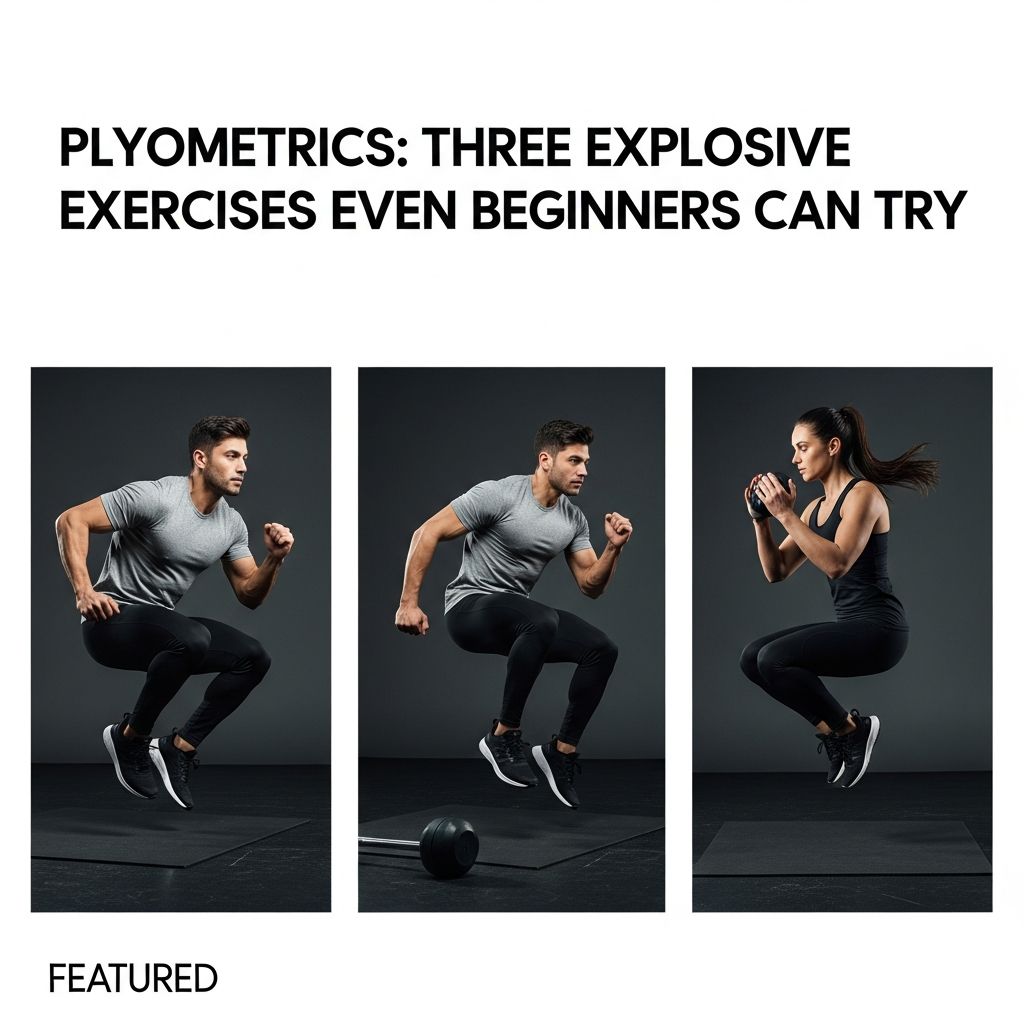
Plyometrics represents a dynamic form of exercise that harnesses explosive movements and powerful jumping techniques to build strength, speed, and athletic performance. The term “plyometric” often intimidates beginners who imagine complex, high-impact movements reserved only for elite athletes. However, the reality is quite different. Plyometrics can be adapted for virtually any fitness level, making them an excellent addition to beginner workout routines when performed with proper technique and adequate precautions.
These explosive exercises work by training your muscles to generate maximum force in minimal time. When executed correctly, plyometric movements improve not only your cardiovascular fitness but also your muscular power, coordination, and agility. For beginners, starting with foundational plyometric exercises builds the confidence and strength needed to progress toward more advanced variations.
Understanding the Benefits of Plyometric Training
Plyometric exercises deliver remarkable benefits that extend far beyond simple cardiovascular conditioning. When incorporated into a regular fitness regimen, these dynamic movements enhance multiple aspects of physical performance and overall health.
One of the primary advantages of plyometrics is improved explosive power. This translates to enhanced athletic performance in sports and everyday activities that require quick, forceful movements. Additionally, plyometric training strengthens muscles throughout the body, increases metabolic rate, and improves coordination and balance. The cardiovascular demands of these exercises also make them excellent for building endurance and burning calories efficiently.
For beginners specifically, starting with plyometrics under proper guidance can establish a strong foundation for more advanced training later. The key is understanding that “explosive” doesn’t mean dangerous—it simply means powerful movements performed with control and awareness.
Safety First: Maximizing Benefits While Minimizing Injury Risk
Before attempting any plyometric exercise, establishing proper safety protocols is essential. These precautions ensure that you gain the maximum benefits from your training while protecting your joints and muscles from unnecessary strain.
Choosing the Right Surface
The surface on which you perform plyometric exercises dramatically impacts both your comfort and injury risk. Your choice of surface should absorb impact effectively while providing adequate stability for your movements.
Ideal surfaces include thick, firm exercise mats that provide cushioning without being too soft, well-padded carpeted wood floors, grass, or dirt. These surfaces naturally absorb the impact forces generated during landing, reducing stress on your joints. Conversely, hard surfaces like tile, concrete, or asphalt should be avoided entirely, as they provide no impact absorption and significantly increase injury risk to your knees, hips, and ankles.
Starting With Controlled Heights
One of the most important safety principles for beginners is starting with minimal jump heights. Aim for just a few inches off the floor when beginning your plyometric training. As your body adapts and your technique improves, you can gradually increase height and intensity. Remember that higher jumps create greater impact forces upon landing, which places additional stress on your joints. By progressing gradually, you allow your body to build the necessary strength and adaptation.
Related Stories



Proper Landing Technique
Landing correctly is perhaps the most critical aspect of safe plyometric training. Poor landing mechanics significantly increase injury risk, particularly to the knees and ankles. When landing from any jump or hop, always bend your legs and avoid locking your knees. This bend acts as a shock absorber, dissipating the impact forces throughout your leg muscles rather than concentrating them in your joints.
Additionally, aim to land softly with a gentle contact rather than a hard crash. Avoid landing exclusively on your heels or the balls of your feet. Instead, aim for a natural foot strike that distributes your weight evenly across your foot. The ideal landing sequence is typically toes-to-ball-to-heel, allowing your muscles to gradually decelerate your body’s downward motion.
Additional Safety Considerations
Beyond these fundamental principles, several other factors contribute to safe plyometric training. Always perform a proper warm-up consisting of five minutes of light cardio and dynamic mobility exercises before beginning plyometric work. Ensure you’re well-rested and not fatigued from previous intense workouts. Limit your total ground contacts to around 60 or fewer per session when starting out. Finally, allow at least 48 hours of recovery between plyometric training sessions, as these explosive exercises demand significant energy and recovery time from your nervous system.
Three Beginner-Friendly Plyometric Exercises
These three foundational plyometric exercises are specifically selected for their accessibility to beginners while still providing significant training benefits. Each can be modified based on your current fitness level and progressively challenging as you grow stronger.
Side Jumps
Side jumps are an excellent starting point for plyometric training as they develop lateral power and improve side-to-side agility. This exercise requires minimal equipment and can be performed in small spaces.
How to Perform Side Jumps:
– Stand tall with your feet positioned together- Shift your weight onto your right foot- Leap as far as possible to your left, landing with your left foot first, followed by your right foot- Repeat the movement, hopping to your right side- One complete cycle of jumping left and right equals one repetition
Form Tips:
– Hold your arms in front of your body or allow them to swing naturally for balance- Avoid hunching or rounding your shoulders forward during the jump- Keep your core engaged throughout the movement- Maintain an upright posture as you leap
Modifications for Beginners:
– Reduce the distance you hop to the side to decrease impact forces- Stay closer to the floor by using smaller, controlled movements- Practice the movement slowly before attempting faster repetitions- Focus on perfect landing mechanics rather than distance or speed
Recommended Sets and Repetitions:
Perform five to fifteen repetitions to complete one set. Complete one to three sets total, resting adequately between each set. Rest periods of 60 to 90 seconds between sets allow your nervous system to recover before the next effort.
Jump Rope
Jump rope stands as one of the most effective and accessible plyometric exercises available. This classic movement emphasizes short, quick ground contact time and significantly improves foot coordination while building explosive calf and ankle strength.
How to Perform Jump Rope:
– Hold the rope handles at hip height with your elbows bent at approximately 90 degrees- Begin with the rope behind your feet- Jump over the rope as it passes under your feet- Maintain a steady, rhythmic pattern- Use primarily ankle and calf movements rather than relying on your arms to swing the rope
Progression Strategy:
– Begin with two minutes of continuous jumping rope- As your fitness improves, gradually increase duration or add additional sets- If maintaining two minutes proves too challenging initially, break the exercise into shorter segments- Try alternating 10 to 30-second jumping intervals with brief recovery periods
Troubleshooting Common Issues:
If your feet become tangled in the rope, simply pause, regain your balance, and resume jumping. Tangles are completely normal, especially for beginners, and they should not discourage your efforts. With practice, your timing and coordination improve dramatically.
Beginner Modifications:
If actual jump rope proves too challenging initially, perform the same jumping motion without the rope. This rope-less variation allows you to develop the jumping pattern and rhythm without the added coordination challenge of timing your jumps with the rope’s rotation. Once you master the basic jumping motion, progress to using the actual rope.
Forward Hops
Forward hops develop linear explosiveness and strengthen the muscles throughout the front and back of your legs. This exercise teaches proper jumping mechanics while building confidence in your ability to control explosive movements.
How to Perform Forward Hops:
– Stand tall with your feet positioned together- Bend your knees into a quarter-squat position- Jump forward one to two feet in a single motion- Land softly with bent knees- Turn your body around completely- Jump backward to your starting position- One forward jump and one backward jump equals one complete repetition
Arm Positioning:
Allow your arms to swing naturally during the hopping motion. This natural swinging assists with momentum and helps maintain balance. Do not force your arms into any particular position; instead, let them move instinctively.
Modifications for Different Fitness Levels:
– Easier Version: Hop a shorter distance forward and backward, staying closer to the floor for reduced impact- Advanced Version: Increase both the distance and height of your hops, creating more explosive movement- Progressive Challenge: Once basic forward hops become easier, introduce small hurdles to hop over. Begin with a stick on the ground and gradually increase the height using books of various thicknesses or other obstacles
Recommended Sets and Repetitions:
Perform five to ten hops to complete one set. Complete one to three sets in total, allowing adequate rest between sets. As with all plyometric exercises, prioritize proper form over the number of repetitions.
Structuring Your Plyometric Workout
Proper workout structure significantly impacts both your safety and the effectiveness of your training. For maximum results, perform plyometric exercises at the beginning of your workout when your body is fresh and your nervous system is fully alert. Because plyometrics are highly demanding exercises that require significant neural activation, performing them when fatigued dramatically increases injury risk and reduces performance quality.
For beginners, aim to include plyometric training two days per week with at least 48 hours of recovery between sessions. This frequency allows your body adequate time to adapt and recover while still providing consistent stimulus for improvement. As you progress and gain experience, you may gradually increase frequency, but adequate recovery remains crucial throughout your training journey.
Progression and Advancement
As your fitness improves and your body adapts to plyometric training, gradually increasing the challenge helps maintain progress. However, increase complexity and height separately rather than simultaneously. For example, you might increase the height of your jumps while keeping the movement pattern consistent, or you might introduce hurdles while maintaining the same jump height. This gradual approach prevents overwhelming your body and reduces injury risk.
Track your progress by noting improvements in how far or high you can jump, how many repetitions you can perform with good form, or how quickly you recover between sets. These measurable improvements provide motivation and guidance for your continued advancement.
Frequently Asked Questions About Beginner Plyometrics
Q: Can I do plyometrics if I’m overweight or deconditioned?
A: Yes, but start with very low-impact modifications. Begin with shorter hops, softer surfaces, and fewer repetitions. Consider consulting with a fitness professional to ensure you’re performing movements correctly. Building a basic strength foundation through regular exercise before starting plyometrics can also be beneficial.
Q: How long before I see results from plyometric training?
A: Most people notice improvements in power and coordination within two to four weeks of consistent plyometric training. More significant changes in strength and athletic performance typically appear within six to eight weeks.
Q: Can I combine plyometrics with other types of exercise?
A: Absolutely. Plyometrics work well alongside strength training and cardiovascular conditioning. However, perform plyometrics first when your body is fresh, then follow with other exercise types.
Q: What should I do if I experience pain during plyometric exercises?
A: Stop immediately and assess the situation. Distinguish between muscle fatigue and joint pain. Minor muscle soreness is normal, but sharp joint pain indicates a problem. Rest and consult a healthcare professional if pain persists.
Q: Do I need special shoes for plyometrics?
A: Quality athletic shoes with good cushioning and ankle support are recommended. Avoid worn-out shoes that have lost their cushioning properties. Your footwear plays an important role in impact absorption.
Q: Can beginners do plyometrics every day?
A: No. Even experienced athletes require recovery time. For beginners, two plyometric sessions per week with 48 hours between sessions allows proper recovery while building fitness safely.
Conclusion
Plyometric exercises need not be intimidating or inaccessible for beginners. By starting with fundamental movements like side jumps, jump rope, and forward hops, and by following essential safety guidelines, you can safely harness the power of explosive training to dramatically improve your fitness. Remember that success with plyometrics depends on consistency, proper form, and gradual progression rather than intensity. Start conservatively, listen to your body, and allow yourself adequate recovery time. With patience and dedication, you’ll discover that plyometric training unlocks new levels of power, speed, and athletic capability that enhance both your fitness and your confidence.
References
- Plyometrics: Three explosive exercises even beginners can try — Harvard Health Publishing. 2023-08-02. https://www.health.harvard.edu/blog/plyometrics-three-explosive-exercises-even-beginners-can-try-202308022960
- Plyometrics Guide: Benefits, Exercises & Safe Workouts — BodySpec. https://www.bodyspec.com/blog/post/plyometrics_guide_benefits_exercises_safe_workouts
- Boost your fitness with 3 beginner-friendly plyometric moves — Rausch Physical Therapy. 2024-03-01. https://rauschpt.net/boost-your-fitness-with-3-beginner-friendly-plyometric-moves/
- Plyometrics – The Mending Playbook — The Mending Playbook. https://www.themendingplaybook.org/training/plyometrics
- Lose 30 Pounds in 60 Days with These 5 Simple Plyometric Moves — Body Network. https://bodynetwork.com/lose-30-pounds-in-60-days-with-these-5-simple-plyometric-moves/
Similar Articles








Read full bio of medha deb