Pneumococcal Disease: Causes, Symptoms & Treatment
Comprehensive guide to pneumococcal disease: understand causes, symptoms, diagnosis, treatment and prevention strategies.
Understanding Pneumococcal Disease
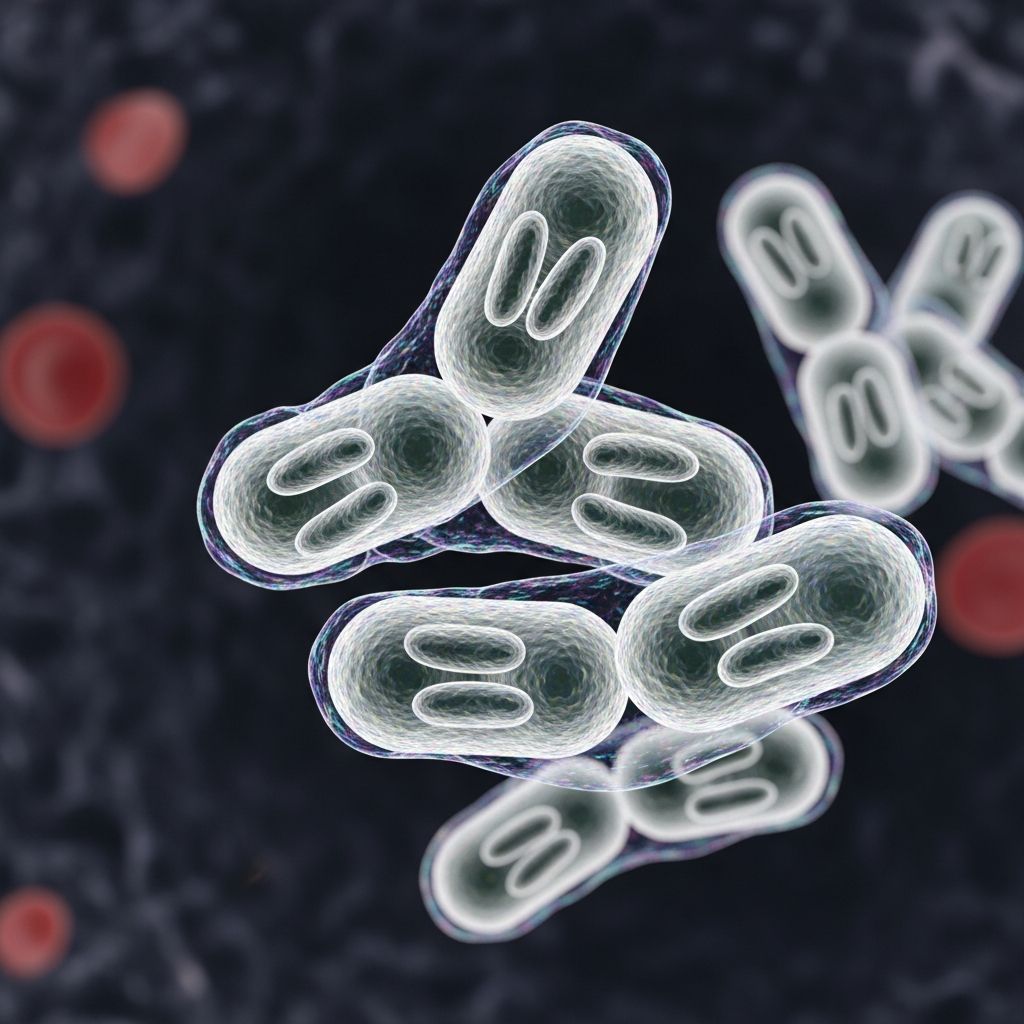
Pneumococcal disease is an infection caused by bacteria called Streptococcus pneumoniae, also known as pneumococcus. This is a contagious condition that may cause severe illness and requires early diagnosis and treatment. The disease can affect many different systems in your body, ranging from mild conditions like sinus infections to life-threatening illnesses such as pneumonia, blood infections (sepsis), or bacterial meningitis. Vaccines are considered the best protection against developing this infection, especially for vulnerable populations including young children and older adults.
What Is Pneumococcal Disease?
Pneumococcal disease is the umbrella term for any infection caused by the pneumococcus bacterium. Scientists have identified approximately 100 strains of Streptococcus pneumoniae, which cause two main types of pneumococcal disease: invasive and non-invasive infections. One of the most common forms is pneumococcal pneumonia, which represents the most common and severe type of pneumococcal disease. However, it is important to understand that not all pneumonia cases are caused by pneumococcus—other bacteria, viruses, and fungi can also cause pneumonia.
Pneumococcal Pneumonia: The Most Common Form
Pneumococcal pneumonia is the disease that Streptococcus pneumoniae most frequently causes. While viruses cause most childhood pneumonia cases, pneumococcus remains the most common bacterial cause of childhood pneumonia. This form of the disease occurs when the bacteria infect the lungs, causing inflammation and fluid buildup that makes it difficult to breathe.
Types and Forms of Pneumococcal Disease
Pneumococcal disease manifests in various forms depending on which part of the body is affected. These infections fall into two main categories: invasive and non-invasive infections. Understanding these distinctions is crucial for recognizing the severity and potential complications associated with each type.
Invasive Pneumococcal Disease
Invasive pneumococcal disease includes the most severe and potentially life-threatening conditions. These infections occur when the bacteria enter normally sterile sites in the body and include:
– Pneumococcal meningitis (infection of the brain and spinal cord covering)- Bacteremia (blood infection/sepsis)- Pneumonia with bacteremia
These severe conditions require urgent medical treatment and can result in significant complications including brain damage, hearing loss, or even amputation if left untreated.
Non-Invasive Pneumococcal Disease
Less serious illnesses that pneumococcus can cause include:
– Sinusitis (sinus infection)- Otitis media (middle ear infection)- Strep throat
While these conditions are generally less severe, they still require appropriate medical attention and treatment to prevent progression to more serious illness.
Symptoms of Pneumococcal Disease
Symptoms of pneumococcal disease vary significantly based on the location and severity of the infection. The presentation depends on which part of the body is affected by the bacterial infection. Early recognition of symptoms is essential for seeking timely medical care.
Pneumococcal Pneumonia Symptoms
When the bacteria attack the lungs, they cause pneumonia with symptoms including:
– Fever and chills- Difficulty breathing and rapid breathing- Cough (which may initially be dry and later produce mucus)- Chest pain- Fatigue
Meningitis Symptoms
When infection of the brain and spinal cord covering occurs, symptoms include:
– Severe headache- High fever- Stiff neck- Confusion or altered mental status- Sensitivity to light- Rash in some cases
Related Stories



Bacteremia (Sepsis) Symptoms
When bacteria invade the bloodstream, symptoms may include:
– High fever- Chills- Rapid heartbeat- Difficulty breathing- Confusion- Low blood pressure
Ear and Sinus Symptoms
Middle-ear infections and sinusitis present with:
– Ear pain or drainage- Hearing problems- Facial pain or pressure- Nasal congestion- Postnasal drainage
How Pneumococcal Disease Spreads
Understanding transmission is critical for prevention. Many people, especially children, carry Streptococcus pneumoniae bacteria in their noses and throats without developing illness. The disease is typically spread through droplets of saliva or mucus, even from people who may not have symptoms. This means that infected individuals can transmit the disease through coughing, sneezing, or close contact with others.
Illness develops when the bacteria spread from the respiratory tract and establish an infection in the body. This can occur when a person’s immune system is weakened or compromised, allowing the bacteria to move beyond the nose and throat to other parts of the body.
Who Is at Risk for Pneumococcal Disease?
While anyone can develop pneumococcal disease, certain groups face significantly higher risk. Understanding risk factors helps identify individuals who should prioritize vaccination and preventive measures.
High-Risk Groups
Children younger than 2 years old are particularly vulnerable to pneumococcal disease. Additionally, children with the following conditions have increased risk:
– Chronic heart disease- Chronic lung disease- Diabetes- Asthma- Immunocompromising conditions- Sickle cell disease- Functional or anatomic asplenia
Adults over 65 years old also face significantly increased risk. In 2010, the incidence of invasive pneumococcal disease was 3.8 per 100,000 in people ages 18 to 34, but was 10 times higher in the elderly and those with compromised immunity. Individuals with weakened immune systems, respiratory conditions, certain ethnic groups including some Native American populations and African Americans, also experience higher incidence rates.
Diagnosis of Pneumococcal Disease
Healthcare providers use several diagnostic approaches to identify pneumococcal disease and rule out other conditions. Early and accurate diagnosis is essential for initiating appropriate treatment promptly.
Diagnostic Methods
Your healthcare provider will perform a physical examination and ask about your medical history and current symptoms. Diagnostic tests may include:
– Chest X-rays to visualize lung infections- Blood cultures to identify bacteria in the bloodstream- Gram’s stain microscopy for bacterial identification- Cerebrospinal fluid analysis for meningitis diagnosis- Sputum cultures- Streptococcus pneumoniae antigen detection tests- Complete blood count- Urinalysis
The specific tests used depend on the suspected location and severity of the infection. For suspected meningitis, spinal fluid analysis is particularly important, while pneumonia diagnosis typically involves chest imaging.
Treatment of Pneumococcal Disease
Early diagnosis and treatment with antibiotics can effectively treat most pneumococcal infections. However, treatment approaches may vary depending on the location and severity of the infection.
Antibiotic Treatment
Healthcare providers typically use antibiotics to treat pneumococcal disease. Common antibiotics include penicillin-based medications and other classes of antibiotics. The type and duration of treatment depend on factors such as:
– Location of infection- Severity of the infection- Patient age and overall health- Local antibiotic resistance patterns
Your provider may need to try several antibiotics because the bacteria have become resistant to certain medications. This antibiotic resistance poses significant challenges in managing these infections and underscores the importance of using antibiotics appropriately.
Severity and Outcomes
Many pneumococcal infections are mild and resolve well with appropriate treatment. However, severe infections may result in chronic (long-term) illness, disability, or death. Pneumococcal meningitis and bacteremia can result in severe disabilities including brain damage, hearing loss, or surgical limb removal (amputation). Without prompt diagnosis and treatment, pneumococcal disease can be life-threatening at any age.
Prevention Through Vaccination
Vaccines represent the most effective prevention strategy against pneumococcal disease. Two main types of vaccines are available that effectively protect against the most common strains of the bacterium.
Types of Pneumococcal Vaccines
Pneumococcal vaccination programs typically include:
– Pneumococcal Conjugate Vaccines (PCV): Protects against multiple strains of pneumococcus and is particularly effective in children- Pneumococcal Polysaccharide Vaccine (PPSV23/Pneumovax 23): Protects against 23 strains of pneumococcus
Vaccine Effectiveness
The pneumococcal conjugate vaccine protects against approximately 86 percent of the bacteria types that cause blood infections and 83 percent of those that cause meningitis in children. The pneumococcal polysaccharide vaccine (PPSV23) protects against strains of S. pneumoniae responsible for more than 90 percent of all cases of pneumococcal disease in adults.
However, non-vaccine serotype pneumococcal strains have emerged in the early and mid-2020s, prompting experts to investigate the development of new vaccines targeting pneumococcal strains not covered in earlier vaccines.
Vaccination Recommendations
Vaccination schedules vary based on age and risk factors. It is important to consult with your healthcare provider about the immunizations that are appropriate for you and your family. Special considerations apply to:
– Infants and young children (routine vaccination)- Adults 65 years and older- People with chronic medical conditions- Immunocompromised individuals- People with asplenia or immunocompromising conditions (may require a second dose of PPSV23 at least 5 years after the first dose)
Impact and Burden of Pneumococcal Disease
Despite the availability of vaccines, pneumococcal disease continues to impose a significant health burden. Invasive pneumococcal disease continues to cause approximately 4,000 deaths per year in the United States. The disease most frequently occurs in children age 2 and younger, adults age 65 and older, and people who are immunocompromised.
Frequently Asked Questions About Pneumococcal Disease
Q: Is pneumococcal disease contagious?
A: Yes, pneumococcal disease is contagious and spreads through droplets of saliva or mucus from coughing, sneezing, or close contact with an infected person, even if they do not show symptoms.
Q: Can you get pneumococcal disease more than once?
A: Yes, it is possible to contract pneumococcal disease more than once because there are approximately 100 different strains of the bacteria. However, vaccination and treatment reduce this risk significantly.
Q: Is pneumococcal disease always severe?
A: No, many pneumococcal infections are mild and may present as ear infections or sinus infections. However, the bacteria can cause serious and potentially fatal disease, particularly in vulnerable populations.
Q: Can antibiotics always cure pneumococcal disease?
A: Most pneumococcal infections can be treated effectively with antibiotics when diagnosed early. However, antibiotic resistance is an increasing challenge, and some bacteria may not respond to certain medications.
Q: Who should receive pneumococcal vaccines?
A: Pneumococcal vaccines are recommended for infants, children with certain risk factors, all adults 65 and older, and individuals with chronic medical conditions or weakened immune systems. Consult your healthcare provider for personalized recommendations.
Q: What should I do if I develop symptoms of pneumococcal disease?
A: Seek medical attention promptly if you develop concerning symptoms such as high fever, severe cough, chest pain, difficulty breathing, severe headache, or stiff neck. Early diagnosis and treatment are crucial for optimal outcomes.
When to Seek Medical Care
It is important to see your healthcare provider if you develop concerning symptoms. While many pneumococcal infections are mild, the bacteria can cause serious and potentially fatal disease. Without prompt diagnosis and treatment, it may be life-threatening. Be sure to follow care instructions carefully so you recover well.
References
- Pneumococcal infections — EBSCO Research Starters. 2024. https://www.ebsco.com/research-starters/consumer-health/pneumococcal-infections
- Pneumococcal Disease: Causes, Symptoms & Treatment — Cleveland Clinic. 2024. https://my.clevelandclinic.org/health/diseases/24231-pneumococcal-disease
- Navigating pneumococcal vaccination in adults — Cleveland Clinic Journal of Medicine. 2024. https://www.ccjm.org/content/83/6/427
- Pneumococcal Vaccine (Pneumovax 23): Benefits — Cleveland Clinic. 2024. https://my.clevelandclinic.org/health/drugs/18520-pneumococcal-vaccine-polyvalent-solution-for-injection
- Streptococcus pneumoniae infection overview — Centers for Disease Control and Prevention (CDC). 2024. https://www.cdc.gov/pneumococcal/index.html
Similar Articles








Read full bio of medha deb