Pneumococcal Shots For Older Adults: 3 Vaccine Options
Discover essential facts on pneumococcal vaccines, their vital role in protecting seniors from severe infections, and updated guidelines for safe administration.
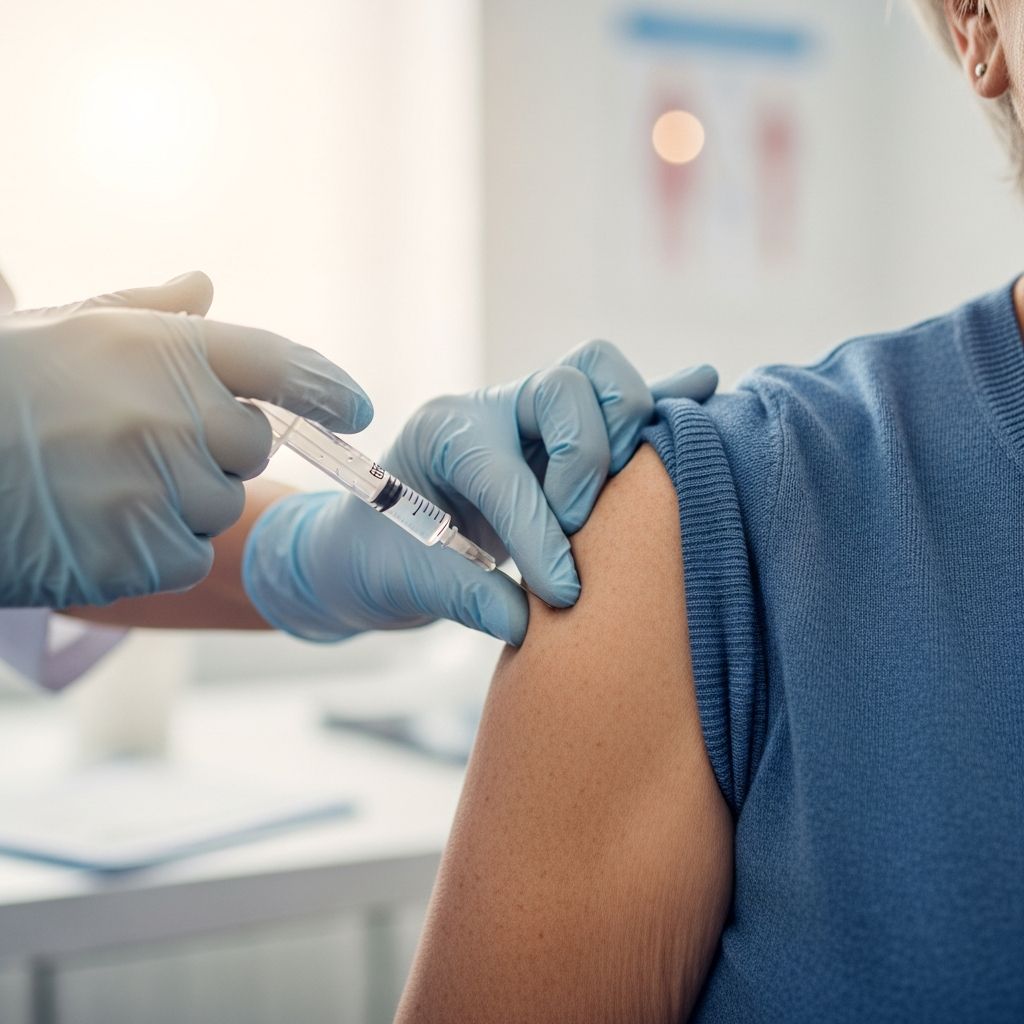
Adults aged 50 and older face heightened risks from pneumococcal diseases, including pneumonia and invasive infections caused by Streptococcus pneumoniae. Vaccines like PCV20 and PCV21 offer protection against multiple bacterial strains, significantly lowering hospitalization and death rates in this group.
The Growing Threat of Pneumococcal Infections in Aging Populations
As people age, their immune systems weaken, making them more susceptible to bacterial invasions. Pneumococcal bacteria commonly target the lungs, bloodstream, and brain membranes, leading to conditions like pneumonia, bacteremia, and meningitis. For seniors, these infections often result in severe outcomes: longer hospital stays, higher medical costs, and increased mortality. Studies show that individuals over 65 experience pneumococcal pneumonia at rates far exceeding younger adults, with case fatality rates reaching 15-30% even with treatment.
Chronic conditions amplify these dangers. People with diabetes, heart disease, lung disorders, or weakened immunity are prime targets. Smoking further elevates risk by damaging respiratory defenses. Without intervention, annual U.S. hospitalizations for pneumococcal pneumonia in seniors exceed hundreds of thousands, underscoring the need for preventive measures.
Key Types of Pneumococcal Vaccines Available Today
Two primary vaccines dominate recommendations for older adults: PCV20 (Prevnar 20) and PCV21 (Prevnar 21), which are conjugate vaccines covering 20 or 21 serotypes, respectively. These outperform older polysaccharide options like PPSV23 (Pneumovax 23) by inducing stronger, longer-lasting immunity through T-cell activation.
- PCV20: Single-dose protection for most healthy adults 50+, targets prevalent invasive strains.
- PCV21: Similar coverage, approved as a standalone or follow-up option.
- PPSV23: Used in shared schedules for high-risk cases, covers 23 serotypes but weaker in frail seniors.
Recent CDC updates simplified protocols: one dose of PCV20 or PCV21 suffices for many, eliminating routine PPSV23 follow-ups unless specific risks apply.
Current CDC Vaccination Guidelines for Age 50+
In 2024, the CDC expanded routine pneumococcal vaccination to adults 50 and older, reflecting rising disease incidence and improved vaccine efficacy data. Previously focused on 65+, this shift acknowledges risks starting midlife, especially amid comorbidities.
| Group | Recommended Vaccine Schedule | Notes |
|---|---|---|
| Healthy adults 50-64 | 1 dose PCV20 or PCV21 | No further doses needed unless immunocompromised. |
| Adults 65+ | 1 dose PCV20 or PCV21; consider PPSV23 if prior doses | Shared schedule for some: PCV15 + PPSV23 (8 weeks apart). |
| High-risk (e.g., asplenia, HIV, cancer) | PCV20/PCV21 + possible PPSV23 booster | Minimum 8-week intervals; consult provider. |
These schedules prioritize conjugate vaccines first for superior protection against pneumonia and invasive disease.
Proven Effectiveness Against Serious Illnesses
Clinical trials demonstrate PCV13 (precursor to PCV20) reduces pneumococcal pneumonia risk by 64% and invasive disease by 73% in seniors. Broader studies confirm 50-70% efficacy against invasive pneumococcal disease (IPD), with milder symptoms and fewer complications for breakthrough cases.
Population data links vaccination to lower heart attack risks and overall mortality, though randomized trials for these endpoints are limited. In nursing homes, vaccines cut pneumonia deaths significantly, while community studies show 30-50% reductions in influenza-related pneumonias when combined with flu shots.
Challenges persist: efficacy wanes with extreme age or comorbidities, and not all serotypes are covered. Still, vaccines prevent the majority of severe cases, making them a cornerstone of senior health strategies.
Who Stands to Benefit Most from These Vaccines
Universal recommendation starts at 50, but certain groups gain outsized protection:
- Current or former smokers.
- Those with chronic illnesses: COPD, heart failure, diabetes, liver disease.
- Immunocompromised individuals: HIV, organ transplants, chemotherapy.
- Residents of long-term care facilities.
- Anyone with cochlear implants or CSF leaks.
Even “healthy” seniors over 50 face 6x higher pneumococcal pneumonia odds, justifying broad uptake.
Understanding Vaccine Side Effects and Safety Profile
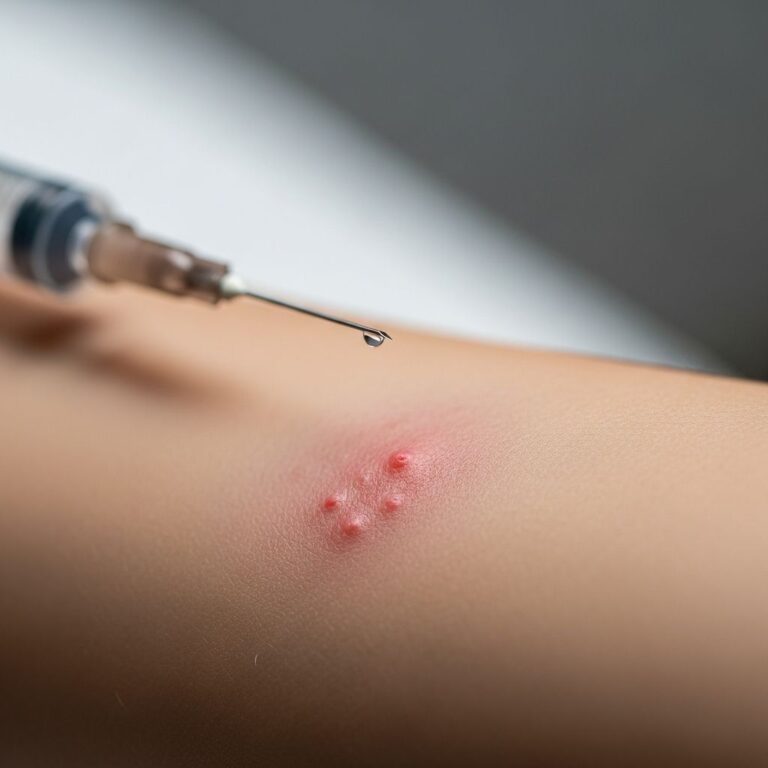
Pneumococcal shots are safe for nearly all recipients, with mild reactions resolving in 1-2 days. Common issues include:
- Injection site: pain, redness, swelling (most frequent).
- Systemic: fatigue, headache, muscle aches, low-grade fever, chills.
Serious adverse events are exceedingly rare, comparable across PCV and PPSV types. Large trials (e.g., 2013 U.S./Europe studies) found no excess risks like Guillain-Barré.
Contraindications: Severe allergy to prior dose or components; delay if moderate/severe illness or fever present.
Recognizing and Responding to Rare Allergic Reactions
Anaphylaxis occurs in fewer than 1 per million doses. Watch for:
- Hives, widespread swelling.
- Difficulty breathing, throat tightness.
- Rapid pulse, dizziness, fainting.
- Nausea, vomiting, abdominal pain.
Seek emergency care immediately if symptoms arise post-vaccination. Stay at the site 15-30 minutes for monitoring.
Addressing Common Myths and Misconceptions
Myth: Vaccines cause pneumonia. Fact: They prevent it; mild symptoms mimic early infection but pass quickly.
Myth: Only frail seniors need it. Fact: Risks rise at 50 regardless of health.
Myth: One prior shot means immunity forever. Fact: Boosters or switches may be needed based on age and risk.
Practical Steps to Get Vaccinated
Discuss with your primary care provider or pharmacist—many offer shots on-site. Check insurance: Medicare Part B covers fully for eligible adults. No copays for routine doses. Combine with annual flu and COVID vaccines for synergistic protection.
Frequently Asked Questions (FAQs)
Can I get the pneumococcal vaccine if I have allergies?
Yes, unless allergic to vaccine components. Inform your doctor of history.
How soon after flu shot can I get this?
Same visit is fine; no waiting required.
Is it too late if I’m over 80?
No—benefits persist, though slightly reduced in frailest.
Does it protect my grandchildren?
Indirectly, by reducing senior transmission.
What if I had PPSV23 before?
Follow CDC shared schedule; PCV first if not recent.
Future Directions in Pneumococcal Prevention
Ongoing trials test next-gen vaccines covering more serotypes. Combination shots with flu or RSV could simplify regimens. Public health campaigns aim to boost uptake beyond 60%, potentially averting thousands of cases yearly.
References
- What to Know About Getting the Pneumonia Vaccine When You’re Over 65 — WebMD. 2023. https://www.webmd.com/healthy-aging/what-to-know-about-pneumonia-shots-for-seniors
- Benefits and Side Effects of the Pneumonia Vaccine — YouTube (CDC-aligned content). 2023. https://www.youtube.com/watch?v=r3PuCQ8CxTc
- Pneumonia immunization in older adults: review of vaccine efficacy and current recommendations — PMC/NCBI. 2012-10-08. https://pmc.ncbi.nlm.nih.gov/articles/PMC3496196/
- Learn More: Pneumococcal Vaccines for Older Adults — HealthInAging.org. 2024. https://www.healthinaging.org/tools-and-tips/learn-more-pneumococcal-vaccines-older-adults
- Pneumococcal Vaccine Safety — CDC. 2024. https://www.cdc.gov/vaccine-safety/vaccines/pneumococcal.html
- Should I Get the Pneumococcal Vaccine? 5 Things to Know — Yale Medicine. 2023. https://www.yalemedicine.org/news/should-i-get-the-pneumococcal-vaccine-5-things-to-know
- Answering Patient Pneumococcal Pneumonia Vaccination Questions — American Lung Association. 2024. https://www.lung.org/blog/pneumococcal-pneumonia-questions-answered
Similar Articles








Read full bio of medha deb