Pneumococcal Vaccine For Babies And Children: 2025 Guide
Essential guide to Prevenar 13 vaccine: protecting infants and children from serious pneumococcal infections like pneumonia and meningitis.
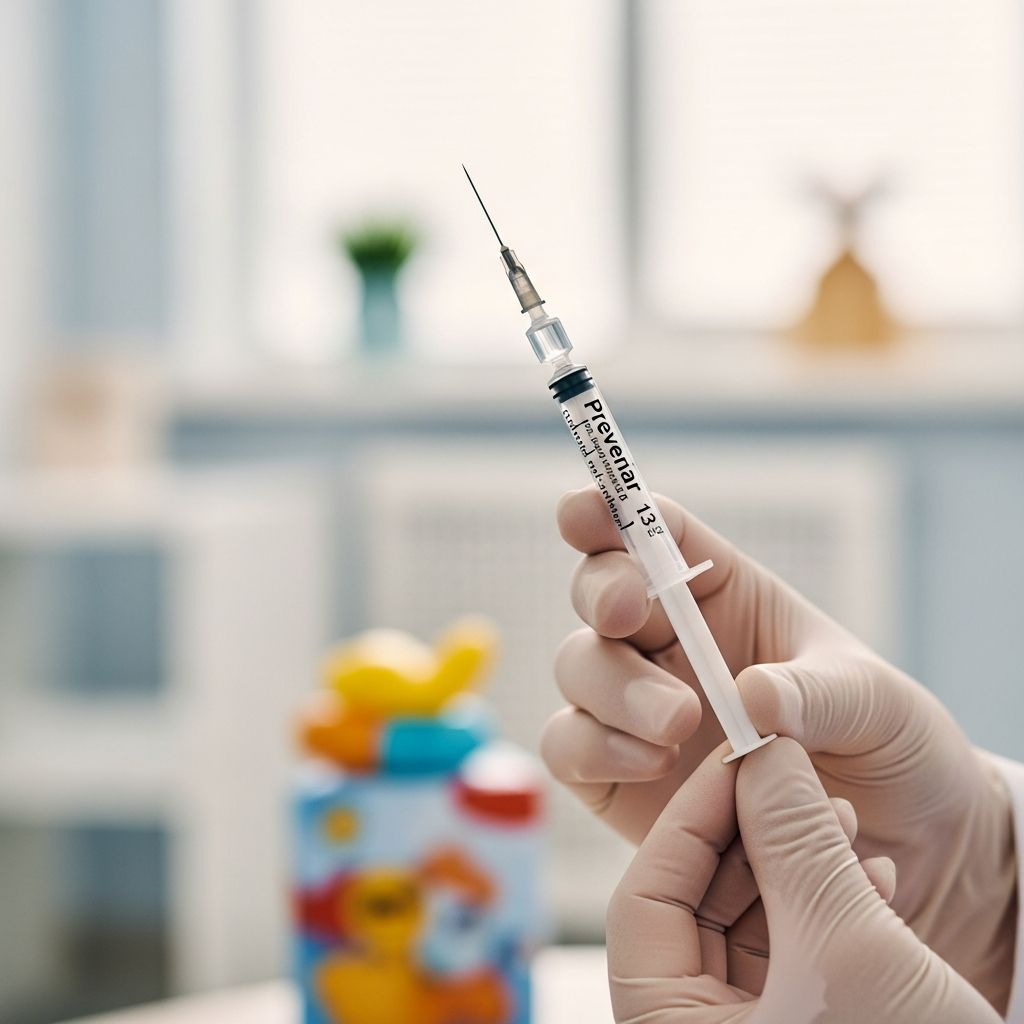
| Type of medicine | Pneumococcal conjugate vaccine (PCV) |
|---|---|
| Used for | Childhood immunisation to protect against pneumococcal infection |
| Also called | Prevenar 13® |
| Available as | Intramuscular injection |
About pneumococcal vaccine
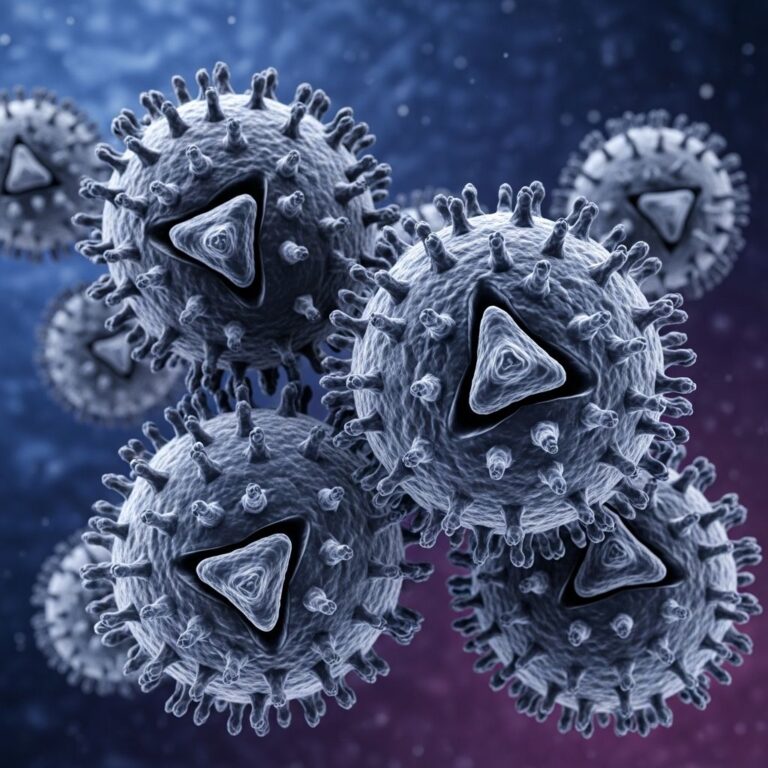
Pneumococcus, or Streptococcus pneumoniae, is a common bacterium that can lead to serious infections including pneumonia (lung infection), meningitis (brain lining infection), septicaemia (blood infection), and acute otitis media (middle ear infection). These illnesses are particularly dangerous for young children, whose immune systems are still developing, making them more susceptible to invasive pneumococcal disease (IPD).
In the UK, pneumococcal vaccination forms a cornerstone of the routine childhood immunisation programme. The vaccine targets 13 specific serotypes of S. pneumoniae responsible for 73-100% of IPD cases in children under 5 years, depending on the region. Prevenar 13 is the primary pneumococcal conjugate vaccine (PCV13) used, as it effectively stimulates a strong immune response in infants where plain polysaccharide vaccines fail.
The conjugate technology links bacterial polysaccharides to a carrier protein (diphtheria CRM197), enhancing antibody production and memory cell formation in young immune systems. This approach has dramatically reduced pneumococcal disease incidence since introduction.[10]
When is it given?
The UK schedule recommends Prevenar 13 at specific ages to ensure optimal protection during peak vulnerability periods:
- 12 weeks of age: First dose, often combined with other routine vaccines like 6-in-1 (DTaP/IPV/Hib/HepB) and rotavirus.
- 1 year of age: Second (booster) dose, alongside Hib/MenC and MMR vaccines.
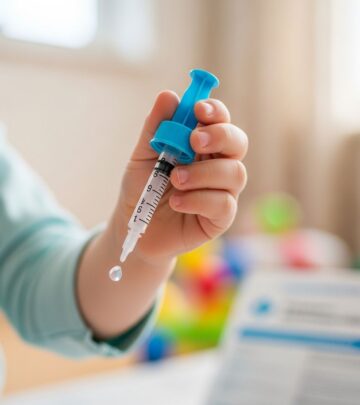
For children starting late or with incomplete series, catch-up schedules apply. Infants 6 weeks to 11 months require 3 doses 4-8 weeks apart plus a booster at 12-15 months. Those 12-23 months need 2 doses 8 weeks apart.[10] Prevenar 13 is given intramuscularly, typically in the thigh for infants or upper arm for older children.
High-risk children (e.g., with sickle cell disease, asplenia, HIV, or cochlear implants) may need additional doses or the 23-valent polysaccharide vaccine (PPV23) after age 2, with an 8-week minimum interval from PCV13. Premature infants, even those born ≤28 weeks, should receive the full series without delay due to high benefit.
How effective is it?
Prevenar 13 is highly effective against vaccine-type IPD, reducing cases by over 90% in vaccinated populations. Clinical trials showed robust immunogenicity: in infants, it elicited antibody responses superior or non-inferior to Prevenar (PCV7) for shared serotypes and strong responses for the 6 additional ones (1, 3, 5, 6A, 7F, 19A).
A pivotal adult study (relevant for understanding overall efficacy) demonstrated 45-50% reduction in vaccine-type pneumonia. In children 5-17 years previously vaccinated with PCV7, Prevenar 13 boosted immunity without interfering with other routine vaccines. Protection against otitis media is moderate (20-50% for vaccine types) but significant for preventing complications.
Post-licensure data from surveillance confirms herd immunity benefits, lowering disease in unvaccinated groups. CDC recommends PCV15 or PCV20 as alternatives, but Prevenar 13 remains widely used and effective.
Prevenar 13 suspension for injection
Prevenar 13 is a sterile suspension containing 2.2 μg each of polysaccharides from 13 S. pneumoniae serotypes (1, 3, 4, 5, 6A, 6B, 7F, 9V, 14, 18C, 19A, 19F, 23F), conjugated to 34 μg CRM197 carrier protein per dose (0.5 mL). It includes adjuvants like polysorbate 80 and buffers for stability.
Related Stories



The vaccine is supplied in pre-filled syringes, stored at 2-8°C, not frozen. Shake well before use to resuspend. It’s prescription-only and administered by healthcare professionals.
Before having the vaccine
Inform your doctor if your child has:
- A severe allergy to diphtheria toxoid, CRM197, or any component (e.g., latex in syringe tip caps).
- Fever ≥38°C or moderate/severe illness (delay until recovered).
- Bleeding disorders (consider deep subcutaneous injection).
- Immunocompromising conditions (still recommended, though response may vary).
No precautions for minor illnesses like colds. Pregnancy/breastfeeding not applicable for childhood vaccine, but safe for caregivers. Provide Vaccine Information Statements prior to each dose.
Side-effects
Prevenar 13 is generally well-tolerated. Common local reactions (within 1-7 days):
- Redness, swelling, tenderness at injection site (up to 50% infants).
- Fever (≥38°C in 20-40%), irritability, decreased appetite, sleepiness (mild-moderate).
Rarely: severe allergic reactions (anaphylaxis, <1>
If your child is unwell after the vaccination
Mild symptoms resolve in 1-2 days. Call 111 or GP for:
- Fever >39°C persisting >48 hours.
- Crying >3 hours, unusual drowsiness/lethargy.
- High-pitched cry, bulging fontanelle, neck stiffness (seek urgent care for possible infection).
Report suspected side effects via Yellow Card scheme (MHRA).
How to store Prevenar 13
Keep at 2-8°C refrigerator; do not freeze (discard if frozen). Protect from light. Do not use beyond expiry. Store securely away from children.
Frequently asked questions (FAQs)
Can Prevenar 13 be given with other vaccines?
Yes, it’s safe and effective when co-administered with routine childhood vaccines like DTaP, IPV, Hib, HepB, rotavirus, MMR, without impacting immunogenicity.
Is Prevenar 13 safe for premature babies?
Yes, administer the full series; benefits outweigh minor apnea risks in very preterm infants.
What if my child misses a dose?
Catch-up possible up to age 5; consult GP for tailored schedule (e.g., 2-3 doses for 12-59 months).[10]
Does it protect against all pneumococcal strains?
No, only 13 serotypes; high-risk older children may need PPV23 booster.
How soon does protection start?
Antibody responses peak 1 month post-dose; full series provides long-term protection.
References
- Prevenar 13 Summary of Product Characteristics — Pfizer. 2023. https://labeling.pfizer.com/ShowLabeling.aspx?id=15296
- Prevenar 13 EPAR — European Medicines Agency (EMA). 2024-05-15. https://www.ema.europa.eu/en/medicines/human/EPAR/prevenar-13
- Pneumococcal Conjugate Vaccine (Prevnar 13) — Cleveland Clinic. 2024. https://my.clevelandclinic.org/health/drugs/18213-pneumococcal-conjugate-vaccine-prevnar-13-suspension-for-injection
- Prevnar 13 Package Insert — U.S. Food and Drug Administration (FDA). 2023-06. https://www.fda.gov/files/vaccines,%20blood%20&%20biologics/published/Package-Insert——Prevnar-13.pdf
- Pneumococcal vaccine for babies and children – Prevenar 13 — Patient.info. 2024. https://patient.info/medicine/pneumococcal-vaccine-for-babies-and-children-prevenar-13
- Recommended Vaccines for Children | Pneumococcal — Centers for Disease Control and Prevention (CDC). 2025-01. https://www.cdc.gov/pneumococcal/vaccines/children.html
Similar Articles








Read full bio of Sneha Tete