Pneumococcal Vaccine Guide 2025: Schedule, Benefits
Essential facts on protecting against pneumococcal infections through vaccination for all ages and risk groups.
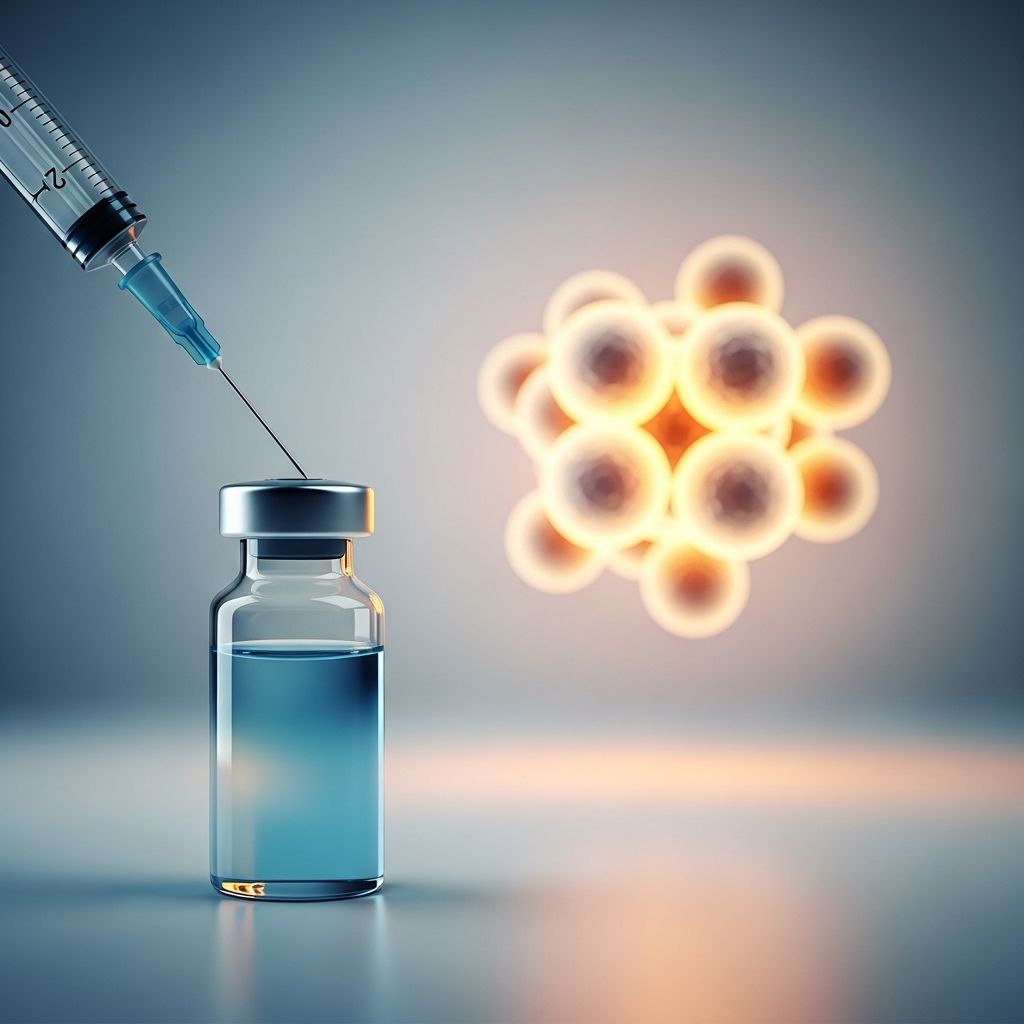
The pneumococcal vaccine safeguards individuals against infections caused by Streptococcus pneumoniae, a bacterium responsible for severe conditions such as pneumonia, meningitis, and bloodstream infections. These vaccines stimulate the immune system to recognize and combat the bacteria, significantly lowering the incidence of invasive diseases.
Understanding Pneumococcal Infections
Pneumococcal bacteria commonly reside in the respiratory tract but can lead to life-threatening illnesses when they spread. Key diseases include:
- Pneumonia: Lung infection causing fluid buildup, fever, cough, and breathing difficulties.
- Meningitis: Inflammation of brain and spinal cord linings, leading to headaches, stiff neck, and potential neurological damage.
- Bacteremia/Sepsis: Bacteria entering the blood, risking organ failure and death.
- Other issues: Ear infections, sinusitis, and heart valve infections like endocarditis.
These infections pose the greatest threat to infants, elderly adults over 65, and those with chronic conditions. Antibiotics may fail due to resistance, making prevention critical.
Types of Pneumococcal Vaccines
Several vaccines target different pneumococcal strains, categorized as conjugate (PCV13, PCV15, PCV20, PCV21) and polysaccharide (PPSV23).
| Vaccine Type | Coverage | Primary Use |
|---|---|---|
| PCV20/PCV21 | 20-21 serotypes | Adults 50+, covers 81-85% severe cases |
| PPSV23 | 23 serotypes | High-risk adults |
| PCV13/PCV15 | 13-15 serotypes | Children and seq. with PPSV23 |
Conjugate vaccines enhance community immunity by reducing bacterial carriage in the nose.
Who Should Receive the Vaccine?
Recommendations vary by age and risk:
- Children: Routine series at 2, 4, 6, and 12-15 months; catch-up for older kids.
- Adults 65+: PCV20 or PCV21 single dose; or PCV15 + PPSV23.
- High-risk 19-64: Smokers, asplenia, chronic heart/lung/liver/kidney disease, diabetes, alcoholism, immunosuppression.
- Special groups: Nursing home residents, Alaskan Natives, certain Indigenous populations.
Consult providers for personalized advice, especially if immunocompromised.
Vaccine Effectiveness and Benefits
Pneumococcal vaccines are highly effective:
- Reduce invasive disease by 50-80%, up to 88% in children post-PCV.
- 64% lower pneumococcal pneumonia risk in 65+; 73% for invasive disease.
- Community-wide: Decreased transmission benefits unvaccinated.
- Bonus: Potential reduction in heart attacks and mortality, per population studies.
In weakened immune systems, effectiveness is 60-80%, still substantially protective.
Administration and Scheduling
Vaccines are injected into the muscle (deltoid for adults, thigh for infants). Schedules:
- Infants: 4-dose series.
- Adults new to vaccination: PCV20 (one-time) preferred for simplicity.
- Prior PPSV23: Wait 1 year for PCV, then PPSV23 if needed.
No revaccination typically needed for PCV20/21; PPSV23 may require repeat every 5 years in some cases.
Common Side Effects
Most reactions are mild and resolve in 1-2 days:
- Injection site: Pain, redness, swelling.
- Systemic: Fever, headache, fatigue, chills, loss of appetite, muscle/joint pain.
- Children: Irritability, sleep changes.
Serious allergic reactions (anaphylaxis) occur in ~1 per million doses.
Rare but Serious Reactions
Seek immediate care for:
- Difficulty breathing/swallowing.
- Hives, widespread rash.
- Swelling of face/eyes/throat.
- Fast heartbeat, dizziness, chest tightness.
Caution in acute illness, severe immune compromise, or premature infants (monitor for apnea).
Contraindications and Precautions
Avoid if history of severe allergy to vaccine components. Use caution with:
| Condition | Concern |
|---|---|
| Immunosuppression (HIV, cancer) | Reduced response |
| Chronic heart/lung disease | Higher side effect risk |
| Thrombocytopenia | May worsen |
| Moderate-severe illness | Delay vaccination |
Related Stories



Benefits Outweigh Risks
Vaccines prevent hundreds of annual U.S. cases of severe disease with minimal risks. Serious side effects are rare compared to disease dangers like fatality or disability.
Frequently Asked Questions
Is the pneumococcal vaccine necessary if I’ve had pneumonia?
Yes, prior infection doesn’t confer immunity; vaccination prevents future episodes.
Can I get it with the flu shot?
Yes, safe to administer simultaneously or separately.
How long does protection last?
Years to lifelong for many; boosters per guidelines.
Is it free or covered?
Often covered for recommended groups; check insurance.
What if I’m pregnant?
Safe in pregnancy if high-risk; consult doctor.
Global Impact and Recommendations
Since PCV introduction, U.S. severe infection rates dropped dramatically. Organizations like CDC, NHS, and WHO endorse widespread use. Stay updated via healthcare providers.
References
- Should I Get the Pneumococcal Vaccine? 5 Things to Know — Yale Medicine. 2023. https://www.yalemedicine.org/news/should-i-get-the-pneumococcal-vaccine-5-things-to-know
- Pneumococcal vaccine polyvalent (intramuscular route…) — Mayo Clinic. 2024-02-01. https://www.mayoclinic.org/drugs-supplements/pneumococcal-vaccine-polyvalent-intramuscular-route-subcutaneous-route/description/drg-20065538
- Benefits and Side Effects of the Pneumonia Vaccine — YouTube (CDC). 2023. https://www.youtube.com/watch?v=r3PuCQ8CxTc
- Pneumococcal vaccine — NHS. 2024. https://www.nhs.uk/vaccinations/pneumococcal-vaccine/
- Pneumococcus: The disease and vaccines — Children’s Hospital of Philadelphia. 2024. https://www.chop.edu/vaccine-education-center/vaccine-details/pneumococcal-vaccine
- Pneumococcal Vaccines — American Thoracic Society. 2023. https://site.thoracic.org/advocacy-patients/patient-resources/pneumococcal-vaccines
- Pneumococcal Pneumonia Vaccination in Adults Explained — Pfizer. 2024. https://www.pfizerforall.com/vaccines/education/what-is-the-pneumococcal-vaccine-for
- Pneumococcal Vaccine — NCBI StatPearls. 2024-08-11. https://www.ncbi.nlm.nih.gov/books/NBK507794/
- Pneumococcal Vaccination — CDC. 2026-01-15. https://www.cdc.gov/pneumococcal/vaccines/index.html
Similar Articles








Read full bio of medha deb